
 Gaby
Gaby
Researchers consider cooking a crucial factor in human evolution. It allowed our ancestors to access extra calories needed for brain growth and development.
So, when was cooking invented? The exact date remains unknown, but researchers estimate humans have been preparing food for at least 50,000 years — and possibly as far back as 2 million years. That conclusion comes from archaeology and biology.
One piece of archaeological evidence for early culinary attempts is cooked starch grains found in dental calculus, or hardened plaque. Richard Wrangham, a professor of biological anthropology at Harvard University and author of the book “Catching Fire: How Cooking Made Us Human,” noted that starch was found in teeth that are 50,000 years old.
But evidence older than that is less clear-cut. Archaeologists usually look for signs of controlled fire, but traces of fire don’t always mean cooking — early humans could have used fire for warmth or tool-making, Live Science reports.
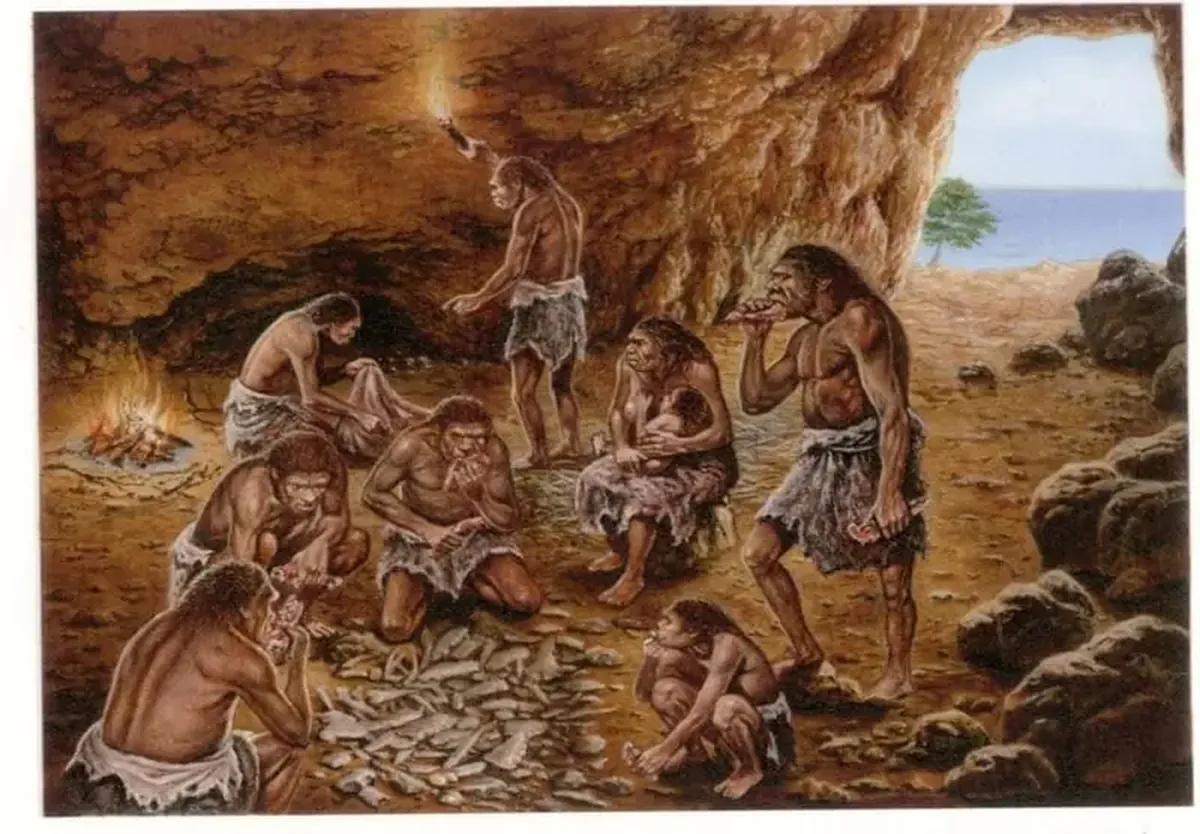
“Evidence of fires is present throughout the archaeological record. But the challenge is distinguishing whether they were controlled,” said Bethan Linscott, a geoarchaeologist at the University of Oxford.
According to her, one key way to tell is the structure of a burn — stones arranged around a hearth with ash in the center. Phytoliths (silica structures left by plants) and charred materials can also be indicators. Archaeologists have found such traces around the world, even before Homo sapiens appeared, which suggests earlier hominins used fire. For example, a team at Qesem Cave in Israel found a hearth about 300,000 years old alongside processed animal remains. In Suffolk County, England, archaeologists uncovered a roughly 400,000-year-old hearth with charred bones and flint. Ash in Wonderwerk Cave in South Africa suggests cooking might have occurred as far back as 1 million years ago, and there is evidence of controlled fire use in Kenya 1.6 million years ago.
Did Cooking Begin with Homo erectus?
While working at a site called Gesher Benot Ya’aqov in Israel, researchers uncovered compelling evidence of cooking that dates back 780,000 years. This includes stone circles for hearths and heated fish bones.
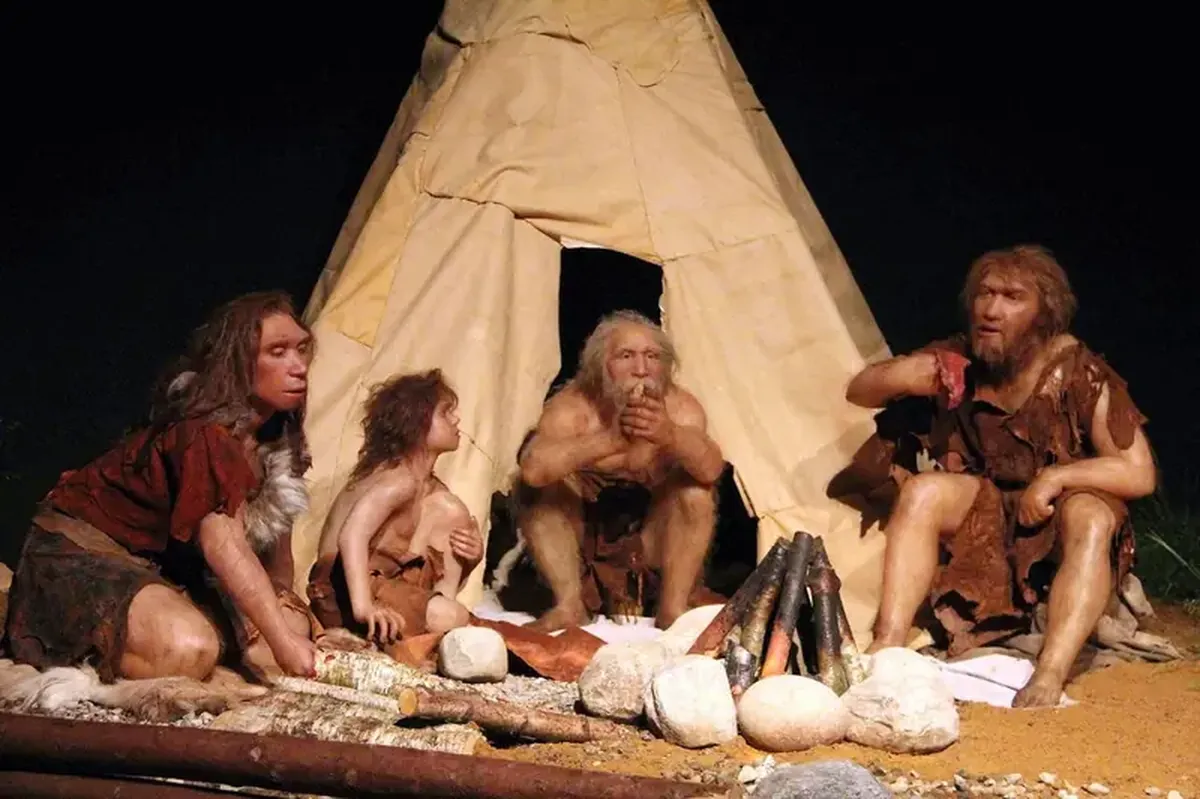
Biological evidence for the history of cooking shows up in our body’s evolution. “As a species, we differ from all other species on Earth because we are biologically adapted to consuming cooked food,” said Professor Wrangham. He believes early hominins learned to process food over fire long before modern humans appeared.
The first hominin to have body proportions that resembled humans more than primates was Homo erectus. Some of the physiological traits characteristic of this species suggest they could have been the first primitive cooks. One of the main differences between humans and primates is intestine size. Because cooked food is easier to digest, our intestines are smaller than theirs.
That’s why we have relatively flat stomachs, unlike a monkey’s belly, “especially after it has eaten well,” said Professor Wrangham. To accommodate their larger intestines, primates have wide pelvises and protruding ribs. Our human ancestors lost those characteristics about two million years ago.
Another sign of evolutionary adaptation to dietary changes is the reduction in molar size, since softened food is easier to chew. That change happened around the same time.
“Cooking began about 1.9 million years ago with the emergence of the species most similar to us—Homo erectus,” concluded Professor Wrangham.
However, the idea that Homo erectus individuals were the first cooks on Earth remains a topic of debate. “Many people are working on this question, and in my opinion, it will continue for a long time,” said Bethan Linscott.
