
 Carlos Solis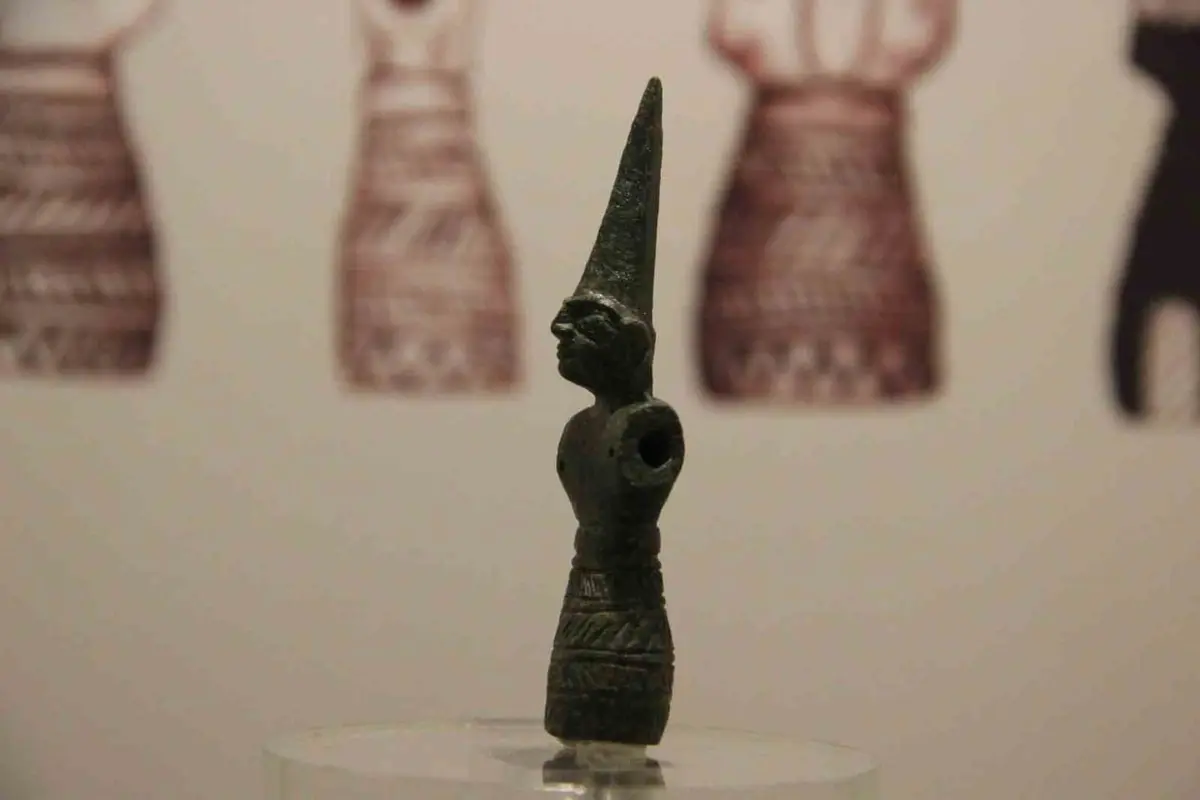
Residents of the Alaca district in Çorum province found the figurine in a rural part of a historically important region that once sat at the heart of the ancient Hittite empire. They handed it over to museum staff, allowing conservators to preserve and study it under professional supervision.
A tiny Hittite metalwork masterpiece
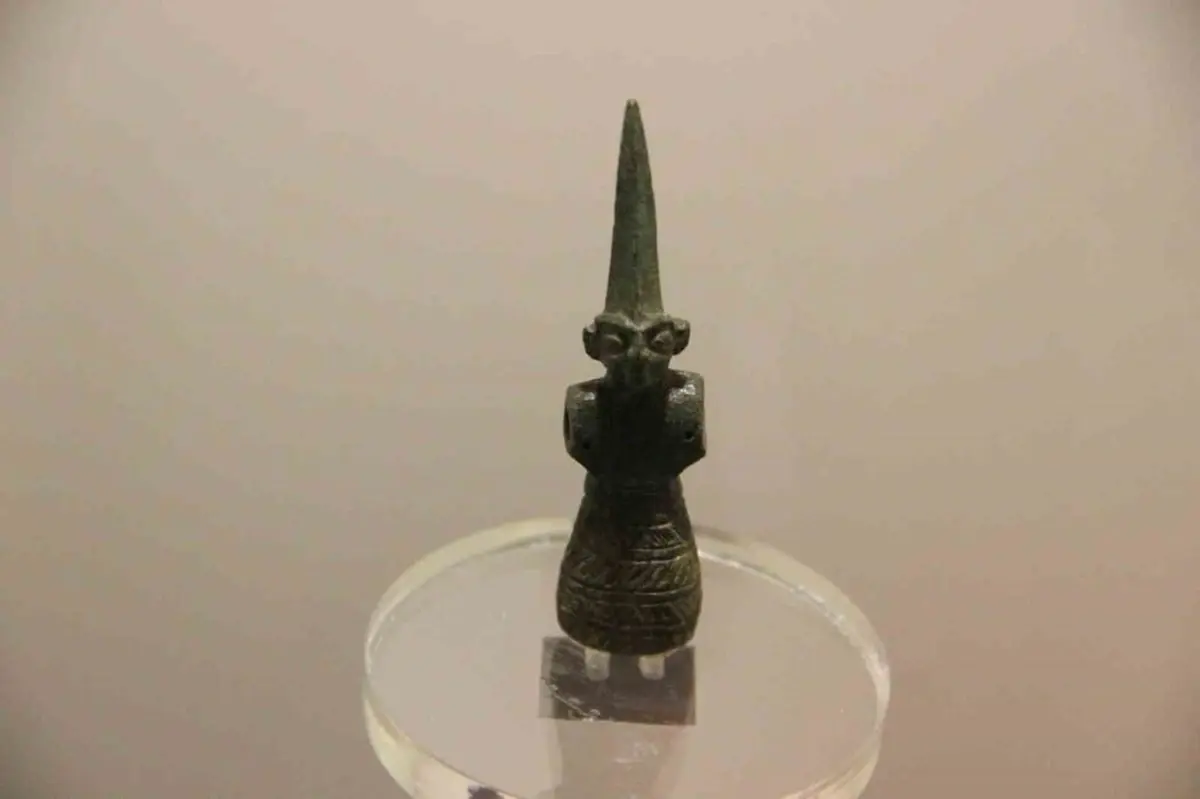
The figurine stands just 7.65 cm tall and was cast from an arsenical copper alloy, a material widely used in the Bronze Age but rarely preserved in such fine condition. Its small size is not the only thing that draws attention.
A distinctive feature of this piece is the use of riveted limb joints, a technique Hittite craftsmen employed. Construction details—such as grooved sockets and pinholes in the shoulder area and on the lower garment—show that the arms and legs were made separately and attached to the body later.
Experts consider the figurine a rare example of artistic precision combined with engineering know-how in Late Bronze Age Anatolia.
The storm god: power, fertility, and divine authority
In Hittite religion, the storm god held a central position and was often called the king of the gods. The cult linked the deity with rain, fertility, and celestial forces, making the god important for both agriculture and political symbolism.
Across Anatolia and in neighboring cultures, the storm god was known by different names: Taru among the Hattians, Tarhunza among the Luwians, Teshub among the Hurrians, and Tarhuna among the Hittites. Artists depicted him in human form or sometimes paired him with a bull as a symbol of strength and cosmic power.
This figurine is more than decoration: it’s a rare physical artifact that sheds light on the ritual practices and symbolism of Hittite society.
The object unites technology, religion, and artistic expression—and in today’s museum gallery, this 3,500-year-old figurine quietly tells a bigger story about innovation, belief, and the lasting legacy of one of Anatolia’s most influential civilizations.
Based on reporting by Arkeonews
