
 Gaby
Gaby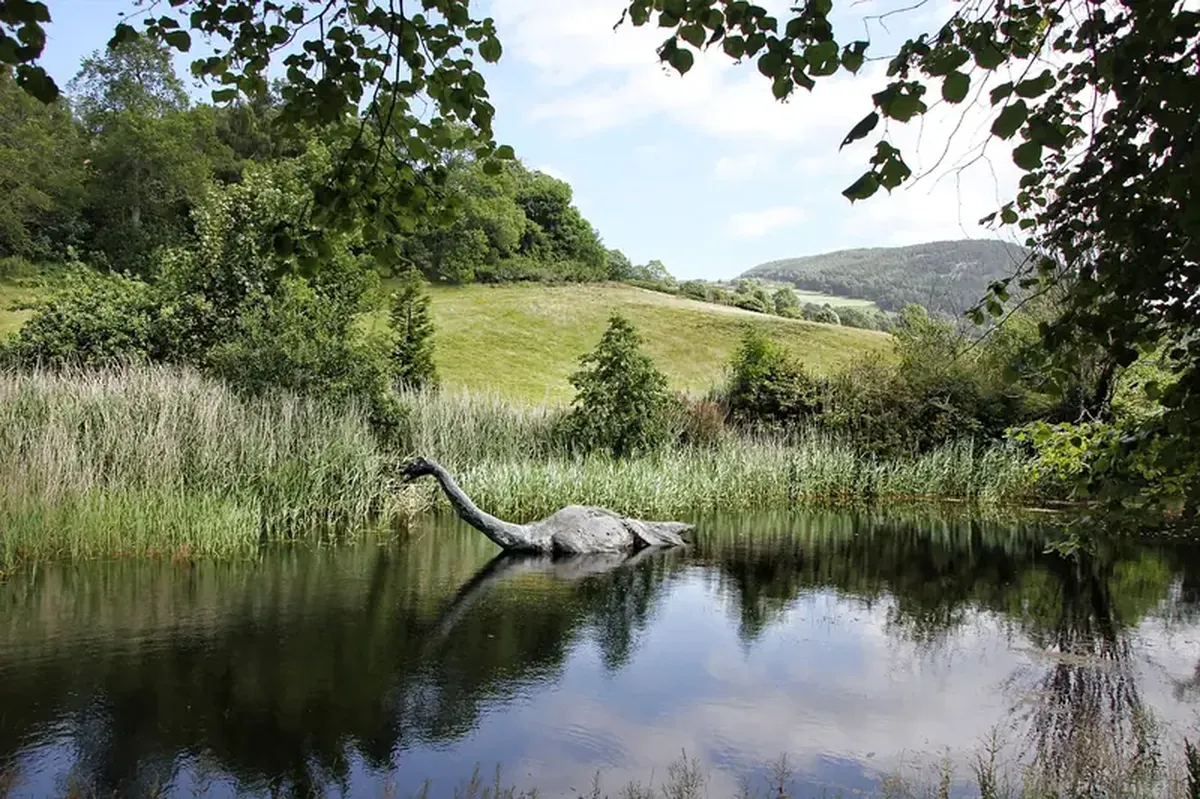
The offer is tempting. But it requires courage and a specific set of skills.
For nearly a century, the creature said to live in Loch Ness, south of Inverness, has sparked heated debate. The enormous animal, affectionately known as Nessie, has reportedly been spotted in the lake by different people over the years.
Getting paid to hunt a monster and lead search tours sounds too good to be true — especially for those who already believe in Nessie.
What’s required and how much does it pay?
So dust off that old resume: the Loch Ness research team has announced an opening for a Nessie hunter.
“Could you be our resident Nessie hunter?” the staff at the Loch Ness Centre asked on Facebook. The social media post says they are looking for “a skipper who loves adventure and can set sail on the world-famous Loch Ness to lead cruises on the Deepscan vessel.”
The chosen candidate will share stories about Nessie with guests, use state-of-the-art sonar to detect underwater objects during cruises, and take part in research dedicated to the legendary creature.
And most importantly, this job comes with a generous salary. The resident Nessie hunter will earn £180 per day (over 9,500 UAH), which translates to an annual salary of £46,898 (around 2.5 million UAH).
Candidates must possess certain skills
The skipper, who will also be the Nessie hunter, will work aboard the Deepscan vessel, which can carry 12 guests at a time. The skipper’s task is to make the lake tours unforgettable. Naturally, the successful candidate must have proven experience handling boats.
“You should have a passion for boating and a deep understanding of marine operations. You will be responsible for navigating and operating our vessel, ensuring the safety of passengers and their enjoyable experience on the water. This position also requires excellent communication skills, attention to detail, and the ability to respond effectively to changing conditions,” the job listing states.

“Representing the Loch Ness Centre brand, you will share your ideas and knowledge while providing our guests with a unique opportunity to learn about the famous sightings of the creature and the history of Scotland’s most mysterious lake,” the listing continues.
The listing notes that the employment contract runs from March 31 to November 2 this year, with a 30- to 40-hour workweek.
During the interview, candidates “may explore additional opportunities that could make this position year-round.” The Daily Mail, which reported on the vacancy, also provided a link to the application.
Eyewitness accounts and rumors
In September of last year, Sean Sluggy, an experienced skipper of the Cruise Loch Ness vessel, made headlines after a sonar detected a mysterious object in the famous lake. The monitoring system indicated that something enormous was lurking at a depth of about 98 meters.
Sluggy said, “This is the biggest thing I’ve ever seen.” Although the source of the sound remained unclear, the skipper admitted, “The strangeness of what was happening was eerie — it left me speechless.”
Stories of a strange creature in the Scottish lake have circulated for centuries. But very little evidence of its existence has been found. The first recorded sighting is believed to date to 565 AD, when an Irish missionary reported encountering a giant monster in the River Ness.
One of the early sightings that kicked off “Nessie-mania” in the 20th century ran in the Inverness Courier on May 2, 1933. In the article, a local couple claimed to have seen “a huge animal gliding and diving on the surface.”
Since then, the media has been flooded with reports about Nessie — some hoaxes, some that seemed credible. Over time, people have suggested various explanations for the sightings: a giant local sturgeon with a prominent back, a long Scots pine log, or even a long-necked plesiosaur that somehow survived to the present day.
Yet, to this day, no one has provided convincing evidence of the lake monster’s existence.
