
 Gaby
Gaby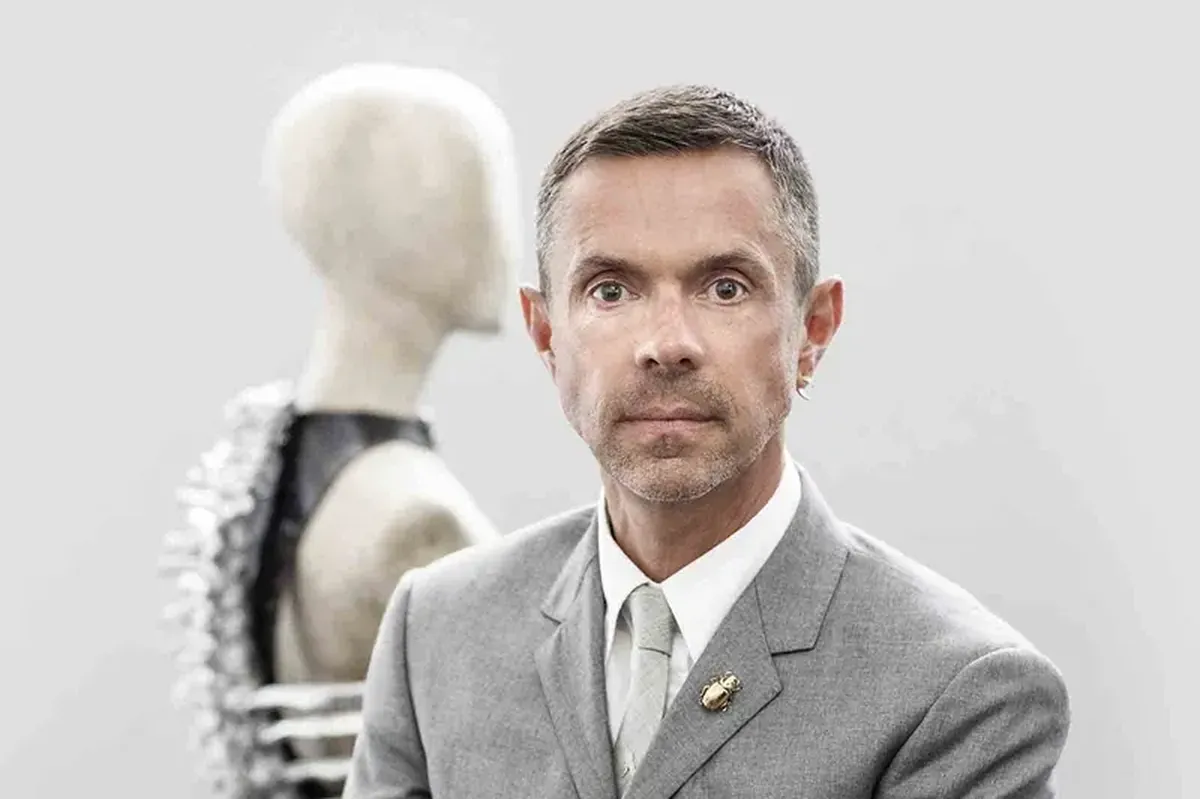
Born in London, Shaun Leane has, without exaggeration, become a treasure for the world. His avant-garde jewelry, sometimes referred to as sculptural, transcends geography and time. So, it’s no surprise that fashion journalists are constantly eager to write about him. Biographers are also lining up to create their own versions of Shaun Leane’s rise and to tell the story of his creative partnership with Alexander McQueen. He’s still relatively young as a subject for biographies—born July 8, 1969, he’s just shy of 55.
Mostly because he offered a new wearable vision of beauty. While wearing these exquisite pieces with a hint of rebellion is typically reserved for royal families, celebrities, and models, Shaun Leane’s extravagant jewelry—sensual and dramatic—has long made its way onto runways, into auction houses, and onto museum walls. Calling them “works of art” barely does them justice.
In Leane’s exclusive pieces, passions and contrasts coexist. A dominant motif in these creations is often a thorny branch. Amid the smooth lines of flowers and twigs, spikes, claws, and tusks frequently emerge.
His attraction to Art Deco and Victorian styles sits alongside a fascination with contemporary art. His affinity for complex materials fits neatly into a 21st-century focus on technology.
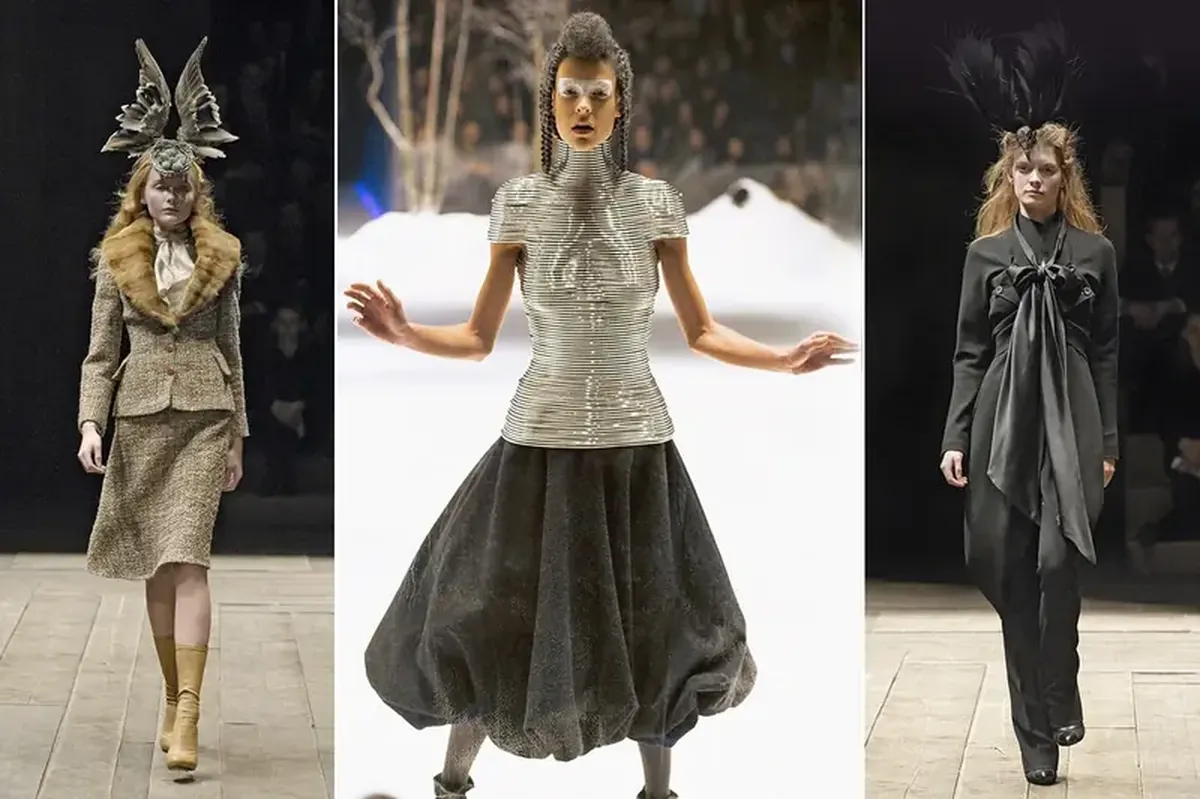
Essayists often discuss Shaun Leane in the context of Alexander McQueen’s collections; McQueen died in 2010. They learned a great deal from each other during their collaboration, pushing each other to new heights. At the same time, Shaun Leane is a fully independent figure in beauty and fashion. His status is confirmed by numerous awards and honors around the globe. He has been named British Jewelry Designer of the Year four times, and his pieces are commissioned by members of the royal family.
He is also a favorite among auctioneers, gallery owners, and museum curators. His solo exhibition at the Metropolitan Museum of Art in New York, titled “Wild Beauty,” received rave reviews. Perhaps that title is one of the most accurate definitions of the designer’s aesthetic.
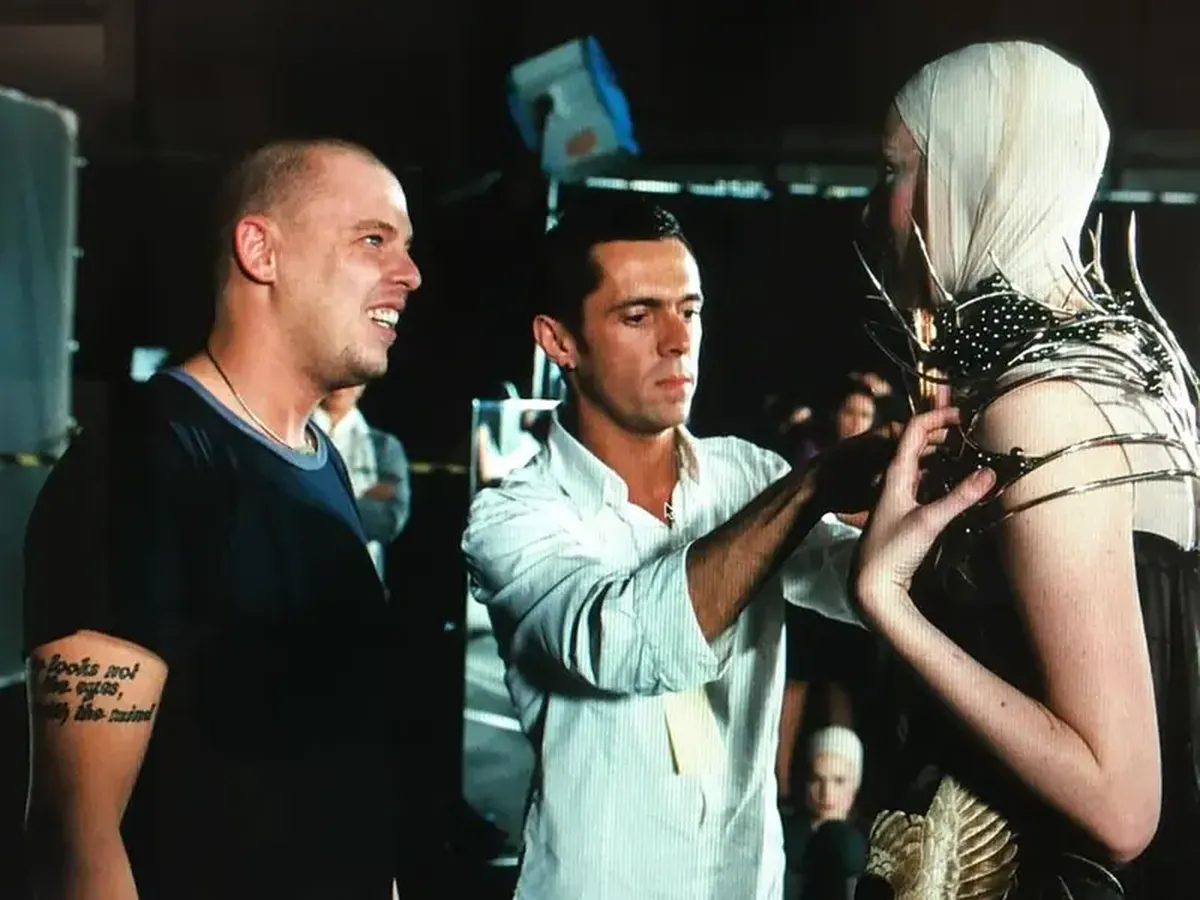
Shaun Leane with Alexander McQueen
Additionally, writers discussing Shaun Leane often note that he never intended to become a jeweler. But an innate artistic spirit rarely stays dormant—his didn’t. He left school at 14 and worked for his father’s construction company. He felt crushed by the conformity that demands humility and stifles individuality. Working in his father’s firm became a window into adult life.
His talent showed during jewelry design courses at Westminster College Kingsway, where a career counselor encouraged him to enroll. Within a year, Shaun found himself in Hatton Garden—the jewelry quarter of London, a true Mecca for artisans. For seven years, he honed his craft restoring antique jewelry and creating his own pieces. There, the designer mastered complex techniques, including the creation of bespoke clasps and invisible settings for precious stones.
When Shaun Leane turned 18, he caught the attention of leading jewelry houses in the British capital, including Garrard, Asprey, and Mappin & Webb. Even then, the young designer began creating exclusive pieces for the royal family.
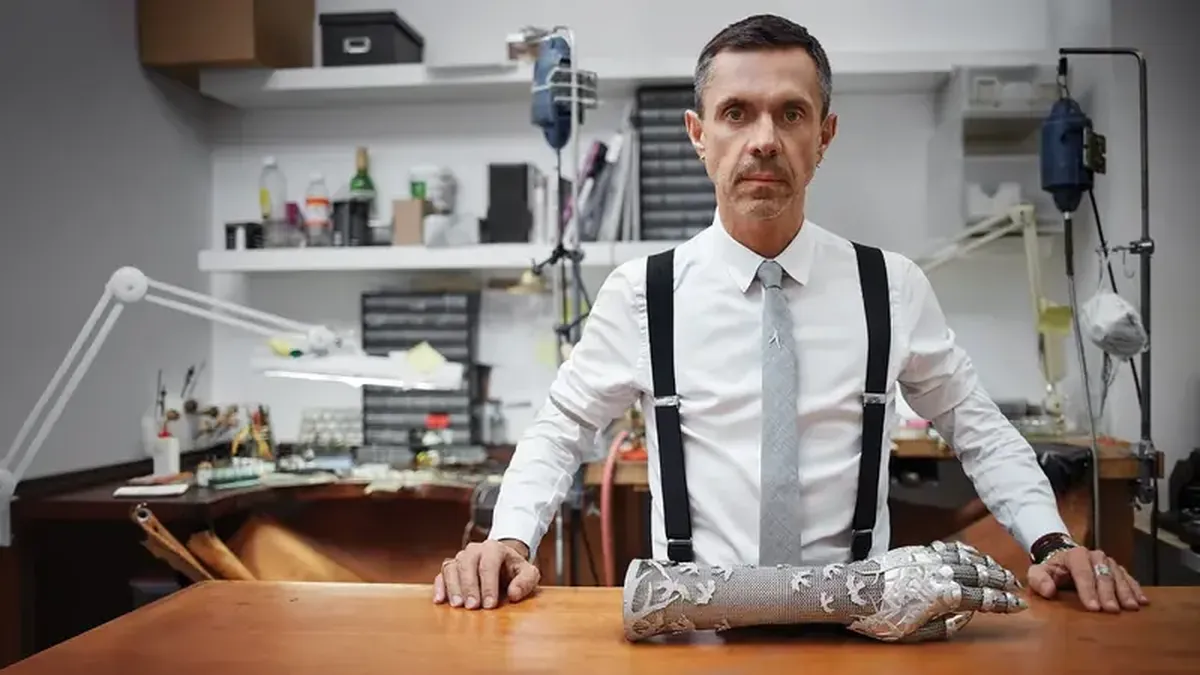
In 1992 a turning point arrived: Shaun Leane was introduced to Alexander McQueen. By then Leane was already skilled with precious stones. Year after year, he worked with sterling silver, aluminum, and brass, creating incredible jewelry for the couturier’s collections.
They seemed to breathe as one; their collaboration continued until McQueen’s death.
Working with McQueen inspired Leane to make striking, unforgettable pieces. Among his most famous creations: a spiked silver crown for McQueen’s 1996 “Dante” collection; a coiled neckpiece—reminiscent of tribal neck rings—for the 1997 show; a skeletal corset and an aluminum male jaw with broken teeth from 1998; and a corset made from 97 aluminum rings for McQueen’s 1999 collection, The Overlook.
In 1998 he launched his own brand, Shaun Leane Jewellery. At this stage he sometimes dialed back the theatrical drama he was known for—spikes and tusks aren’t always practical day-to-day. But when nostalgia hit, he’d revisit the bold runway forms he once designed.
