
 Gaby
Gaby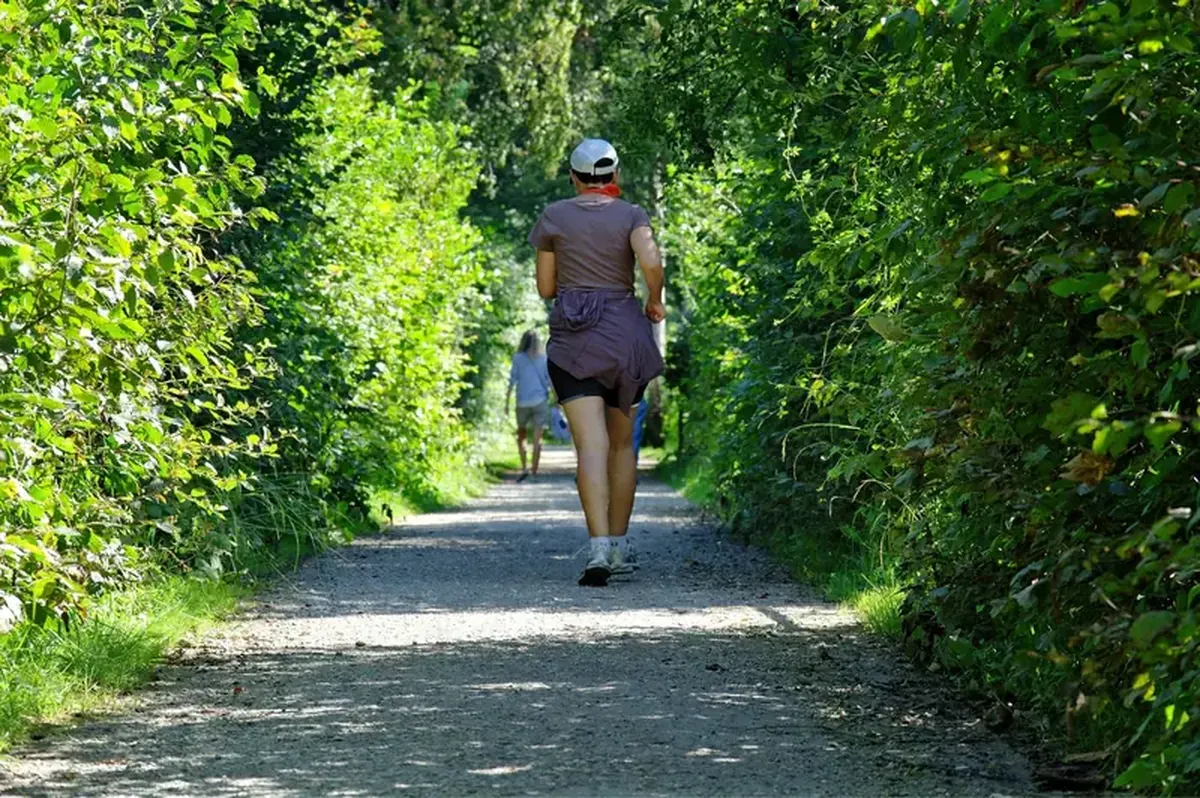
Walking is one of the simplest ways to improve your health. This form of physical activity doesn’t require any special equipment or a gym membership.
But what happens if we challenge our brains and bodies by not walking in our usual way and instead move backward?
It requires more focus, says Jack McNamara, a lecturer in clinical exercise physiology at the University of East London. But the health benefits of this movement are even greater.
Steps May Be Challenging, But They’re Worth It
Humans maintain an upright position thanks to coordination among the visual, vestibular, and proprioceptive systems. Proprioception is responsible for sensing the body’s position and boundaries relative to other objects.
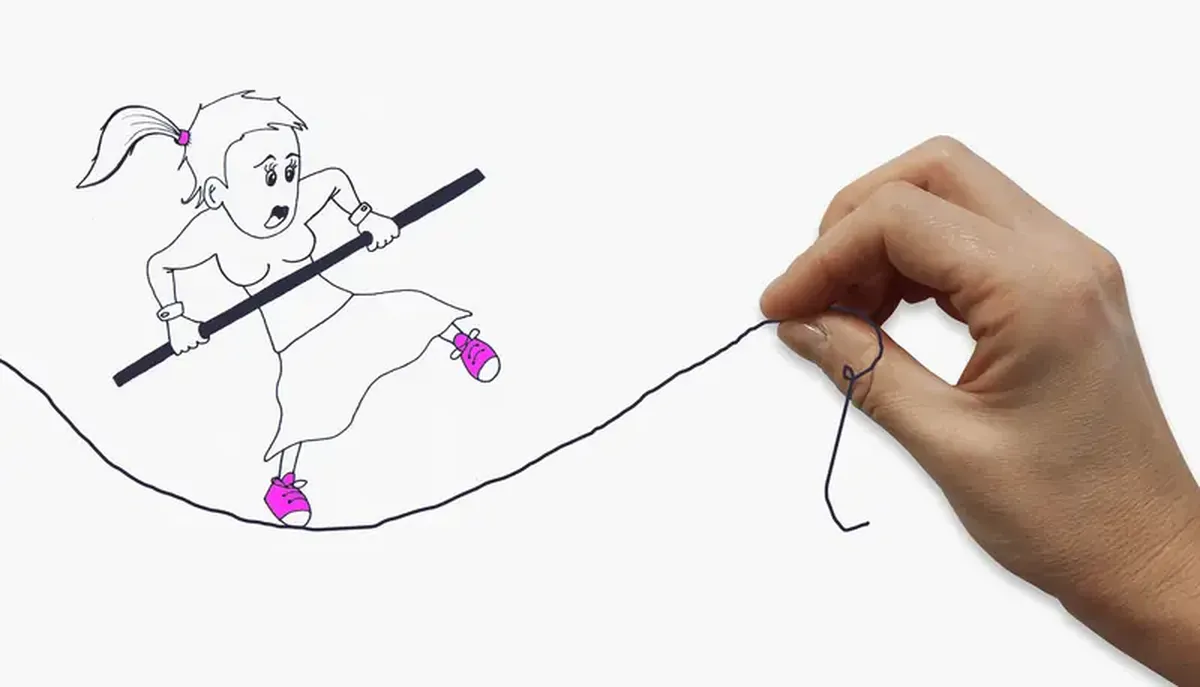
When we walk backward, our brains need more time to process the new demands on the coordination of these systems, as ScienceAlert reported. Yet this added complexity is what provides extra health benefits.
One of the most studied advantages of walking backward is improved balance. This movement can enhance balance in healthy adults as well as in people with knee osteoarthritis.
Walking backward forces us to take shorter, more frequent steps, which builds calf muscle endurance and reduces stress on the joints.
Because the torso tilts differently when you move backward, the range of motion in joints and muscles changes. That shift can help relieve pain from plantar fasciitis, a common cause of heel pain.
Walking backward also engages more muscles that support the lumbar region of the spine. For that reason, it can be particularly helpful for people with chronic lower back pain.
Doctors recommend backward walking for patients with neurological disorders and for people recovering from a stroke because it helps restore balance and normal walking speed.
But the benefits are not only therapeutic. Researchers have found that walking backward burns significantly more energy than regular walking—nearly 40 percent more.
One study found a reduction in body fat among women who spent six weeks learning to walk and run backward.
Getting Started
Incorporate backward walking into your daily exercise routine. Start with a distance of 20 meters.
When you walk backward, you’re more likely to overlook obstacles, bump into things, or fall. Practice indoors at first.
Resist the urge to look over your shoulder. Keep your head and chest upright. Extend your big toe with each step, rolling from the ball of your foot to your heel.
If the exercises feel too easy, increase the challenge by adding weights. Start with light loads.
Once you feel confident walking backward, try running backward.
