
 Gaby
Gaby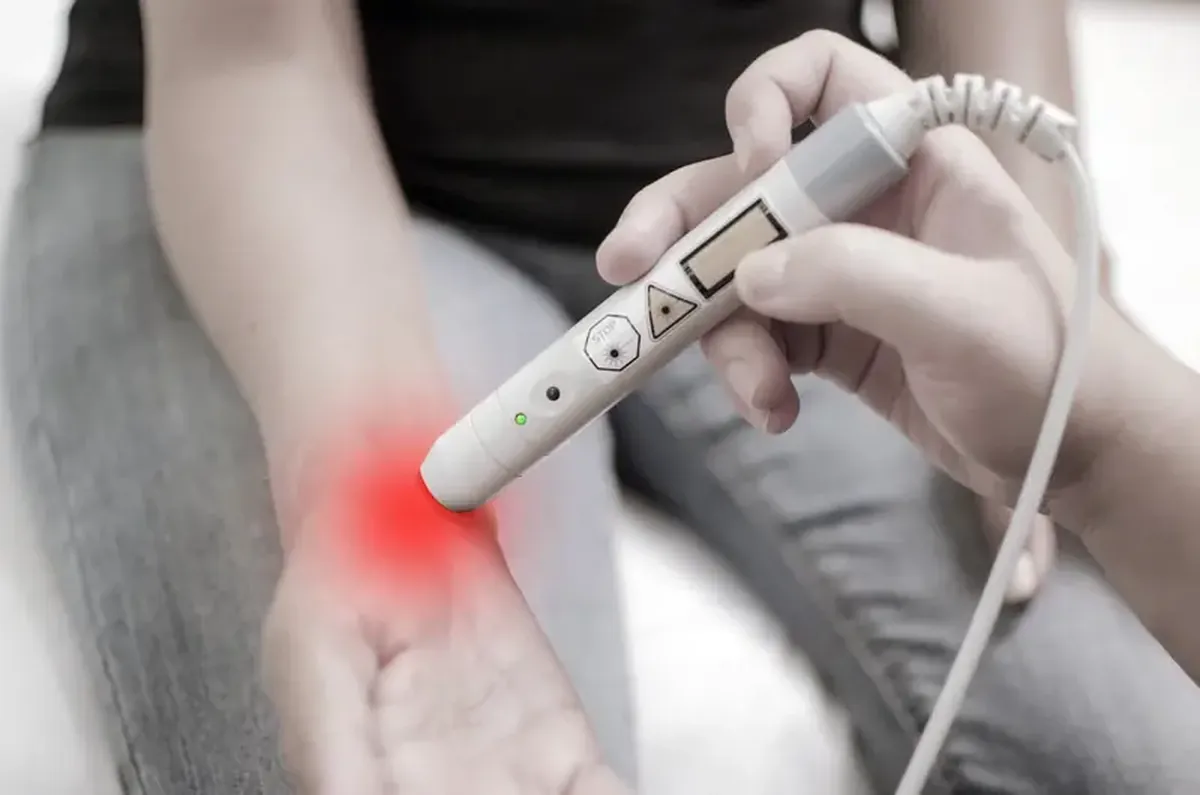
Who’s at risk, what causes bone thinning, and which preventive steps matter — osteoporosis can be prevented.
Symptoms of Osteoporosis
Osteoporosis is a progressive disease marked by reduced bone density. Bone mass is lost when minerals are leached out, leaving a porous structure that makes bones brittle and prone to fractures.
The most vulnerable areas are those with spongy tissue: the forearms, heels, long bones, ribs, vertebrae, and the neck of the femur.
Early symptoms of osteoporosis can be nonspecific:
- bone pain triggered by weather changes;
- painful nighttime calf cramps;
- fatigue.
As the disease progresses, more characteristic signs develop: brittle bones and back pain. It’s not just normal soreness after gardening that should worry you — if a dull ache appears despite overall good health and without any strain, pay attention. Alarm bells should ring if bone pain lasts longer than two weeks and only eases with painkillers.
Symptoms of late-stage osteoporosis include:
- dull or sharp pain in areas of vertebral deformity when standing, easing with spinal unloading (a sign of reduced vertebral height);
- postural changes: from slouching to a hunchback (increased thoracic curvature with flattening of the lumbar curve);
- loss of height.
The insidious part of this condition is that problems often go unnoticed for a long time. Most people seek treatment only after fractures occur. Early diagnosis can prevent complications.
Osteoporosis – Causes
Low peak bone mass by about age 30 is the usual starting point. The bone density you reach at the end of skeletal maturation determines your future risk of osteoporosis. Risk increases after age 50. Women in postmenopause are vulnerable because estrogen levels fall. Other contributors include hormonal medications, early menopause, and surgical menopause (menstruation stopping before age 45 due to ovarian dysfunction, or removal of the ovaries before age 50).
In men, hypogonadism (reduced sex hormone production due to gland dysfunction) can also cause early bone loss. There is even a juvenile form: a disruption in bone renewal during adolescence that can be reversible.
Other risk factors include a previous fracture, a family history of frequent fractures, and certain chronic illnesses.

Osteoporosis can be caused by:
- genetic disorders;
- rheumatic diseases that affect multiple organs;
- endocrine disorders;
- kidney disease;
- chronic gastrointestinal diseases;
- disorders of blood formation;
- the effects of long-term hormonal medications.
Adults over 75 are more likely to fracture shoulder bones and the femoral neck, while younger people are more vulnerable to fractures of the vertebrae and the radius.
Osteoporosis of the Vertebrae
Losing 2 cm of height in a single year, or more than 4 cm over a lifetime, should be a warning sign. A low body mass index (under 20 kg/m²) is another risk factor for vertebral osteoporosis.
Intervertebral herniation in the lumbar region is the most common problem, because the lumbar spine bears heavier loads and lacks rib support. Cervical hernias follow closely; thoracic hernias account for only about 1% of cases.
Age-related wear and tear shows up as vertebral overgrowth and displacement that narrow the spinal canals. Contributing factors include reduced mobility (hypodynamia), sudden overexertion (for example, lifting a heavy cabinet), and weak connective tissue, which may be associated with conditions such as hemorrhoids and varicose veins in the legs.
Surgery for osteochondrosis is needed in only about 5% of cases: for foot weakness, pelvic dysfunction alongside back and leg pain, or when non-surgical treatments fail after two months.
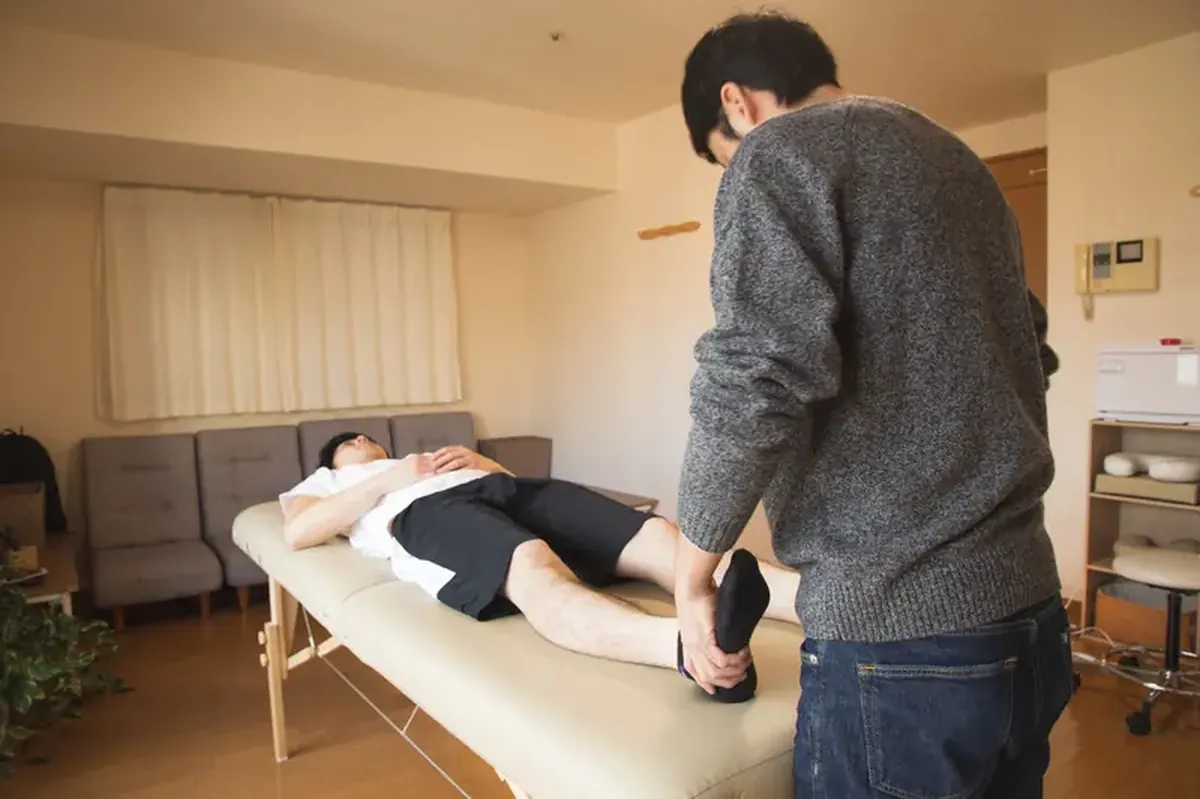
Manual therapy and physiotherapy are conservative treatments applied under a doctor’s supervision in the early stages. A massage by an unqualified practitioner without prior imaging (MRI) can worsen pain and exacerbate disc protrusions; unqualified spinal traction is especially dangerous. To protect intervertebral discs, traction should be performed in water.
Swimming reduces pressure on the spine; running is not recommended because of the high-impact load on the discs. Prioritize walking outdoors — it supports disc and joint health by aiding nutrition and waste removal. People with back problems should sleep on a medium-firm mattress; an example is an 8 cm foam mattress placed on the floor.
Osteoporosis Prevention
Modern lifestyles — less physical activity, less sunlight, and processed diets — have increased risk, especially for urban dwellers. Rural living tends to offer more natural protection.
Prevent osteoporosis by eliminating harmful habits and conditions: alcohol dependence, smoking, sedentary behavior, and chronic deficiency of vitamin D and calcium. A daily intake of 10 mcg of vitamin D becomes especially important during seasons with limited sunlight.
Regular physical exercise stimulates bone remodeling and helps maintain bone tissue. It also strengthens the musculoskeletal system and the vestibular apparatus; moderate training improves coordination and reduces the risk of falls and fractures.
Osteotropic medications can help preserve bone volume. To boost their effectiveness, improve metabolism to enhance calcium absorption. Sometimes the body gets enough calcium but cannot retain it. So, along with adding calcium-rich foods, reduce intake of foods that hinder calcium absorption, such as spinach, excess sugar, and coffee.
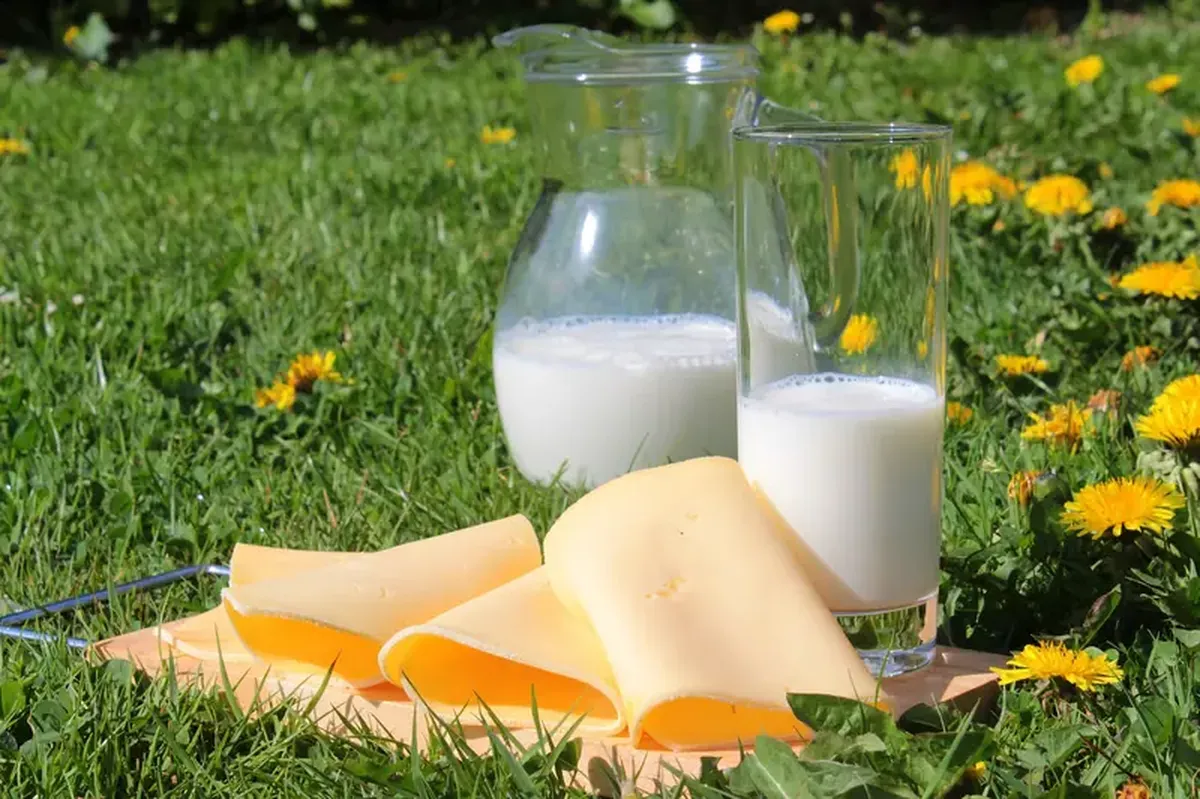
An adult generally needs about 1,000 mg of calcium daily. With the right choices, common foods — not just dairy — can provide that amount. For example: milk contains about 120 mg of calcium per 100 ml; 100 g of beans contains about 200 mg; watercress has 214 mg; almonds 250 mg; rose hips 257 mg; young nettles 713 mg; and sesame seeds 800 mg. These foods can help replenish calcium stores while also supporting its absorption.
For calcium to be deposited in bone, the body also needs enough magnesium (in bran, whole-grain bread, and nuts) and phosphorus (in fish).
Pair calcium-rich foods with vitamin D (in dairy, butter, egg yolks, and fatty fish) and vitamin C (from vegetables). Lemon juice, dill and parsley broths, and raisins (which contain boron) also help calcium absorption; boron supports bone health.
