
 Gaby
Gaby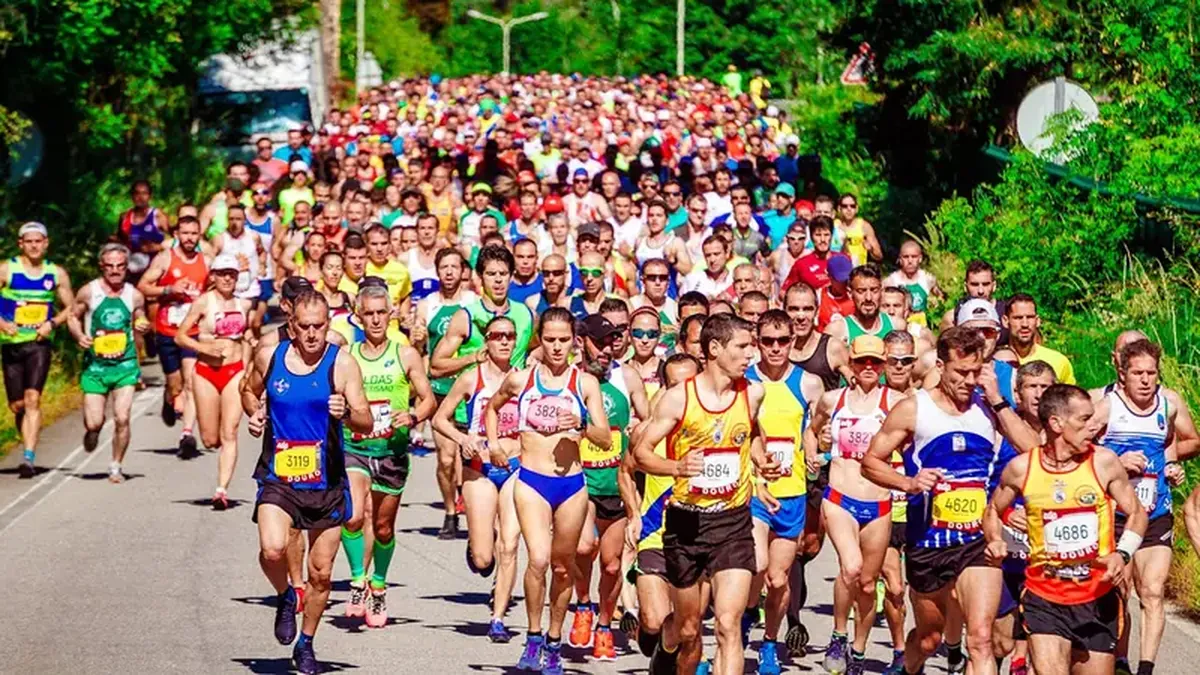
Humans may not be the fastest sprinters among animals, but over the course of evolution they have made remarkable gains in endurance running.
Ahead of the Paris Summer Olympics, researchers at the University of California, Davis, published new research on this topic. Their findings show that a hunting strategy honed by our ancient ancestors helps modern athletes tackle grueling marathon distances.
Our running muscles are mostly composed of slow-twitch fibers, which resist fatigue. Combined with humans’ ability to sweat and dissipate heat, those fibers let us maintain a steady pace over long distances, even in hot conditions.
Previous studies show these traits developed about two million years ago and likely played a major role in shaping the human body. They allowed hunters to pursue prey relentlessly until it was exhausted.
What Did the Authors of the New Study Discover?
In this new research, scientists analyzed around 400 descriptions of hunting practices dating from 1527 to the early 20th century. The data were collected from 272 locations around the world.
The team found that one of the most successful strategies was chasing prey until it tired, especially in hot weather and snowy conditions. The researchers also identified cases where hunting groups used social tactics.
For example, one hunter would climb a hill and point in the direction the animal was heading, allowing another hunter to cut across and conserve energy, explained co-author Bruce Winterholder.
The researchers say that for ancient people who lacked projectile weapons like bows and arrows, endurance hunting offered significant advantages. Showing tactical running skill also boosted social status and improved mating chances.
“Running long distances and having an evolutionary endurance gait is quite unusual in the animal kingdom. If this inspires you to go for a run, that’s fantastic,” Dr. Winterholder said.
The team believes the Paris Olympics will further showcase this human capability: the marathon course is likely the most grueling in Olympic history. Unlike recent Games, it doesn’t use repeating loops. Instead, it’s a single route from Paris to Versailles that includes three very long, steep climbs.
This course was the site of the historic march of thousands of men and women in October 1789, which led King Louis XVI to ratify the Declaration of the Rights of Man and of the Citizen.
The team says further research will reveal more about the origins of human gait and the pleasurable sensation known as the “runner’s high.”
