
 Gaby
Gaby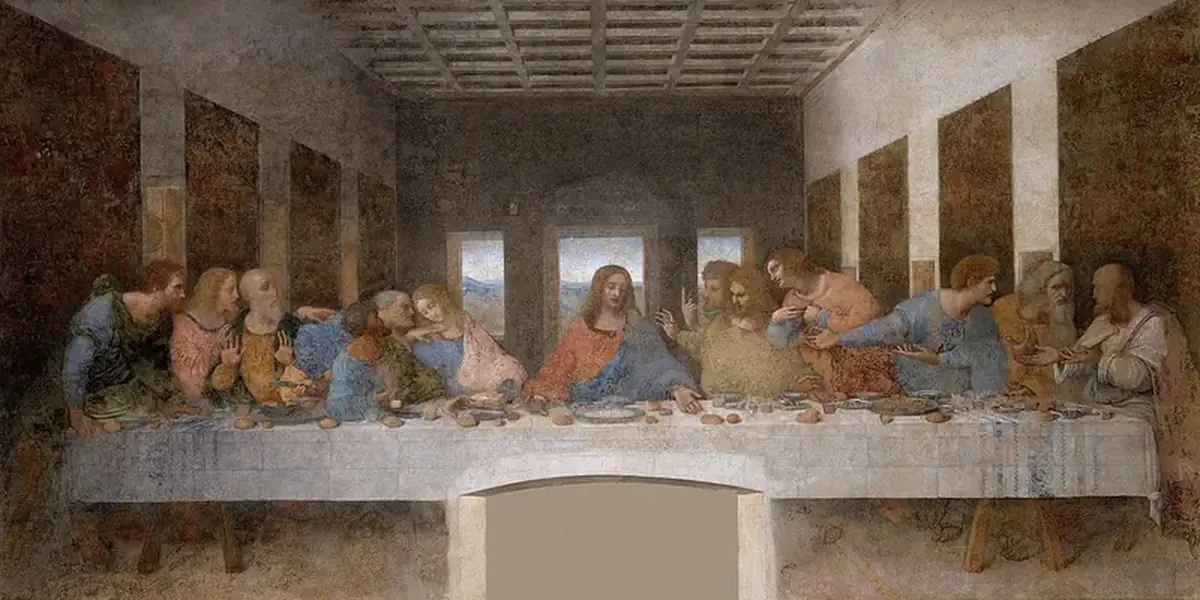
The real-life existence of at least 50 people mentioned in sacred texts has been supported by wall paintings, stone inscriptions, and other archaeological evidence.
One of the most striking finds is a stone inscription bearing the name Pontius Pilate — the prefect who presided over Jesus’s trial. What else have archaeologists uncovered? Here are five discoveries that made headlines in the archaeology world.
The Tablet of Pontius Pilate
Pontius Pilate, the prefect of the Roman province of Judea who ordered Jesus’s crucifixion, was a real and well-documented historical figure. He governed Judea from 26 to 36 AD under Emperor Tiberius.
In 1961 Italian archaeologists unearthed a limestone inscription in the Mediterranean port of Caesarea, which served as the provincial capital where the prefect lived. The inscription includes the name “Pontius Pilate.” Experts think Pilate dedicated it to the Tiberium, a temple honoring Emperor Tiberius, and scientific dating shows the stone was carved during Pilate’s lifetime.
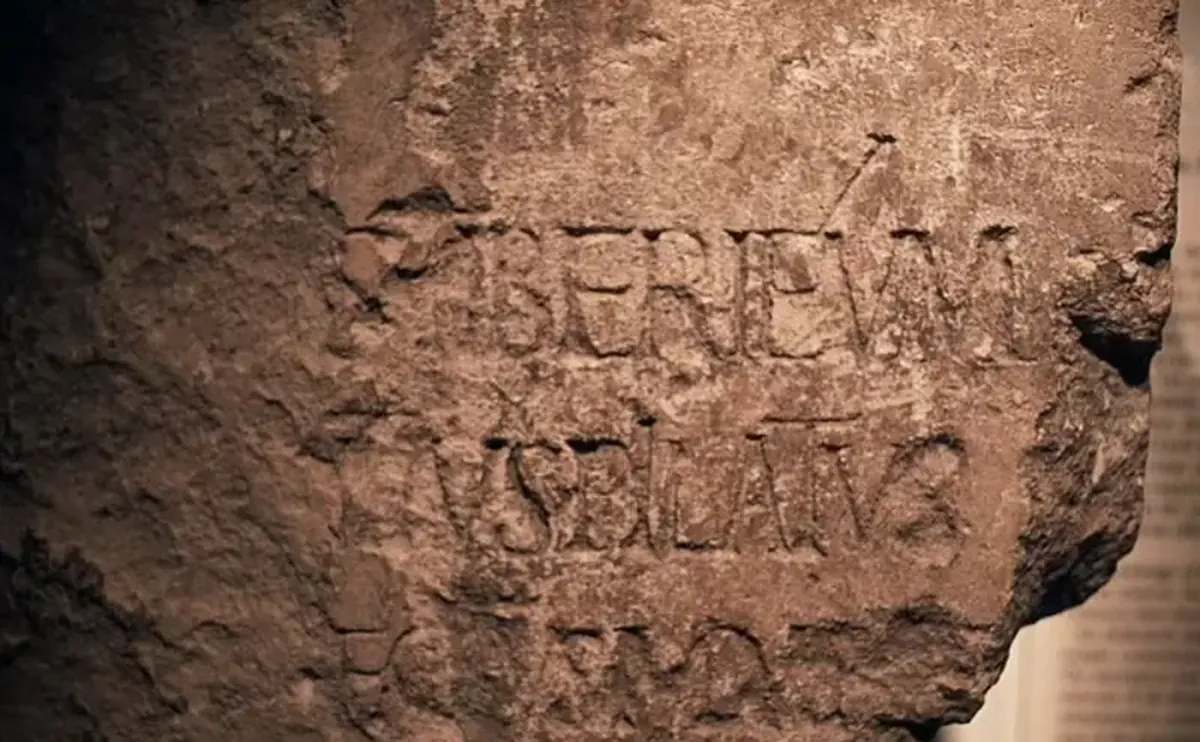
The name of Pontius Pilate on the stone found in Caesarea
Pilate is mentioned by ancient writers such as Philo of Alexandria, Josephus, and Tacitus. Philo described him as “harsh, stubborn, ruthless, debauched, rude, and aggressive.”
The Tomb of King Herod
King Herod, born in 73 BC, ruled Judea for 34 years as a client king of Rome. He expanded Judea’s borders and became famous for grand construction projects, but he is often remembered as a ruthless ruler. The New Testament links him to the “Massacre of the Innocents” in Bethlehem, in which the gospel says he ordered the killing of male infants.
He died more than 2,000 years ago, but in 2007 a team led by archaeologist Ehud Netzer announced the discovery of his tomb at Herodium, a fortress complex about 12 kilometers southeast of Jerusalem. Before that, knowledge of Herod mainly came from historical chronicles and coins, the Daily Mail reported.
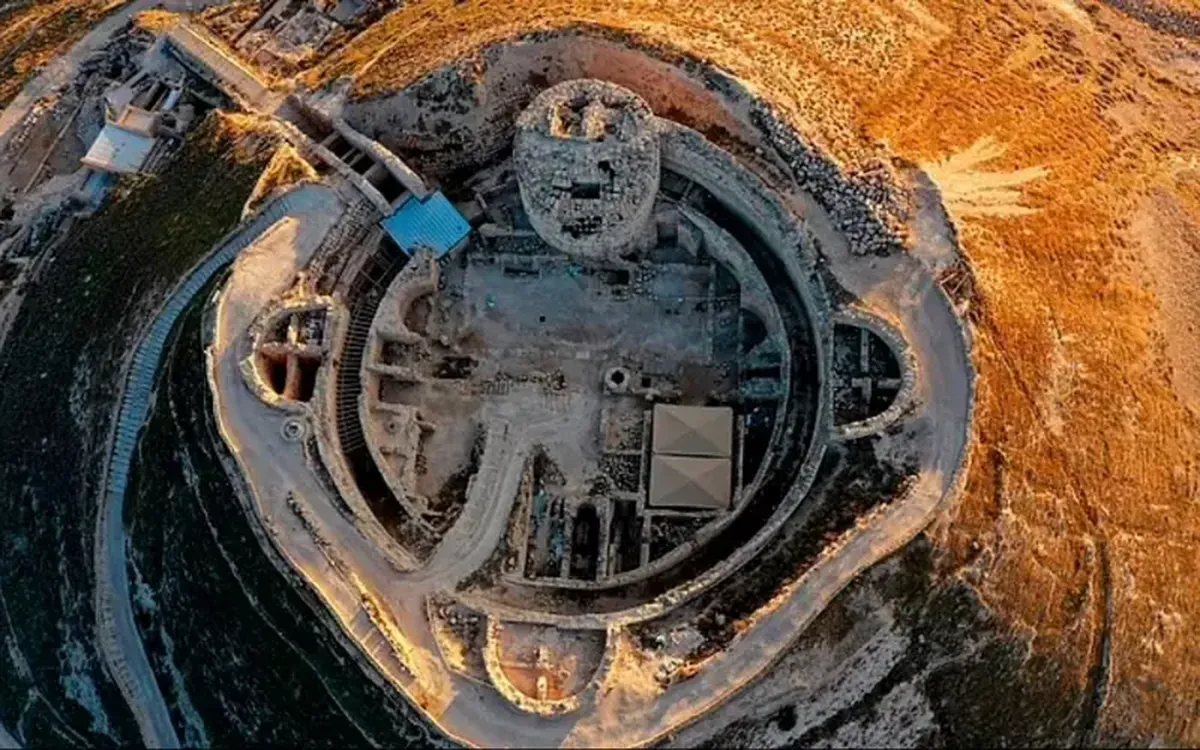
Excavations of King Herod’s tomb
Fragments of Herod’s pink limestone sarcophagus were found scattered, apparently broken deliberately.
The Cave of John the Baptist
British archaeologist Simon Gibson made another remarkable find linked to John the Baptist: a cave discovered in 2004 that researchers believe is where the prophet preached. The cave sits in Ein Kerem, west of Jerusalem, traditionally considered his hometown.
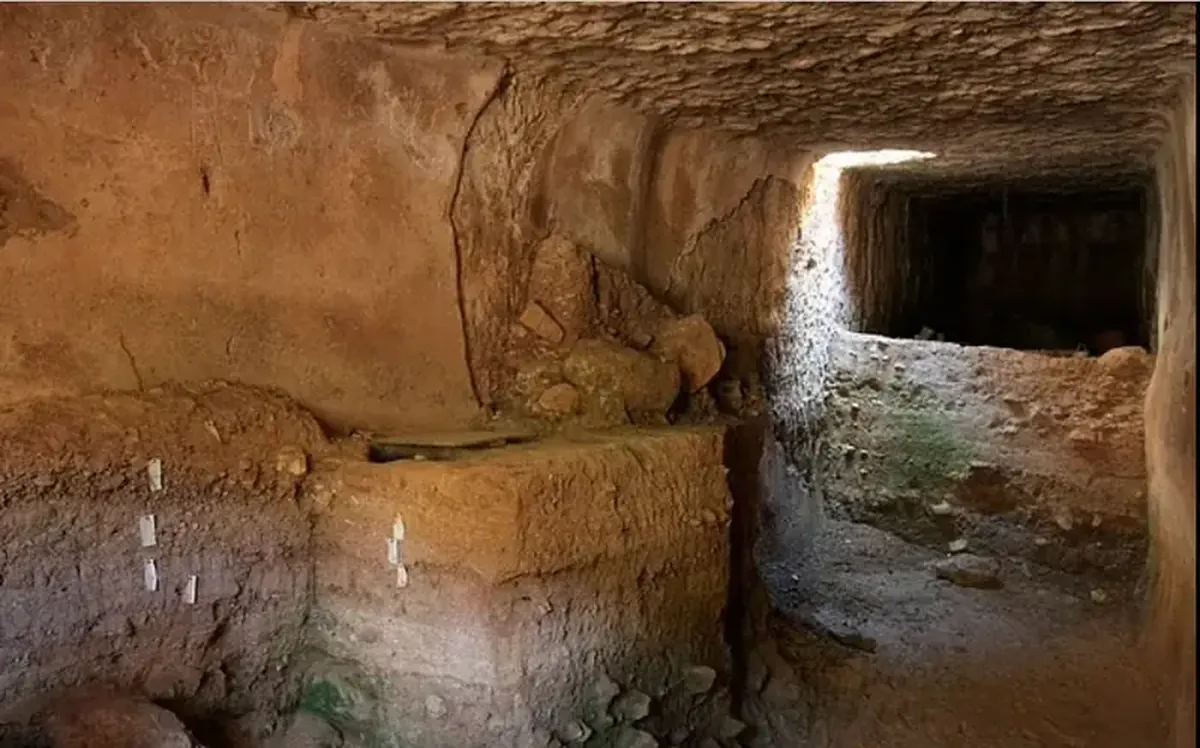
John the Baptist is said to have prophesied the coming of Christ and to have baptized Jesus in the Jordan River. The cave has 28 steps leading down to an underground pool, and Gibson’s team uncovered about 250,000 fragments of small jars that may have been used in purification rites.
The Tomb of the Apostle Philip
A unique site — the tomb of the Apostle Philip — was discovered in 2011 at the thermal resort of Pamukkale, Turkey, by Italian archaeologist Francesco D’Andria.
According to tradition, Philip continued preaching after Christ’s ascension and was crucified for his missionary work around 90 AD during the reign of Emperor Domitian.
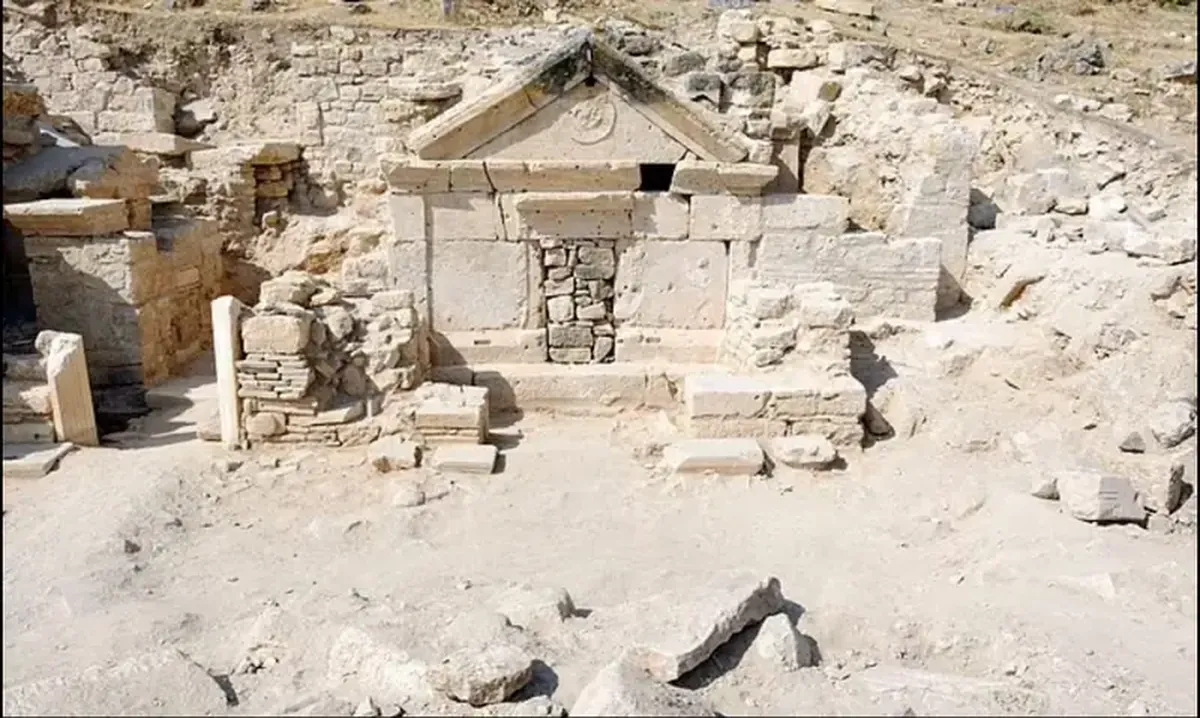
The tomb of the Apostle Philip
Archaeologists uncovered the tomb while excavating an ancient church. They found drawings and inscriptions on the walls identifying Philip, but his bones were absent. Some archaeologists speculated that the remains were moved to Rome and placed in the Church of the Holy Apostles.
The Seal of the Prophet Isaiah
Hebrew University archaeologist Eilat Mazar said a clay seal unearthed in Jerusalem in 2019, which dates to the 8th century BCE, bears the name of the prophet Isaiah.
The seal was found just three meters from where King Hezekiah’s seal was discovered in 2015; biblical texts describe Isaiah as Hezekiah’s adviser.
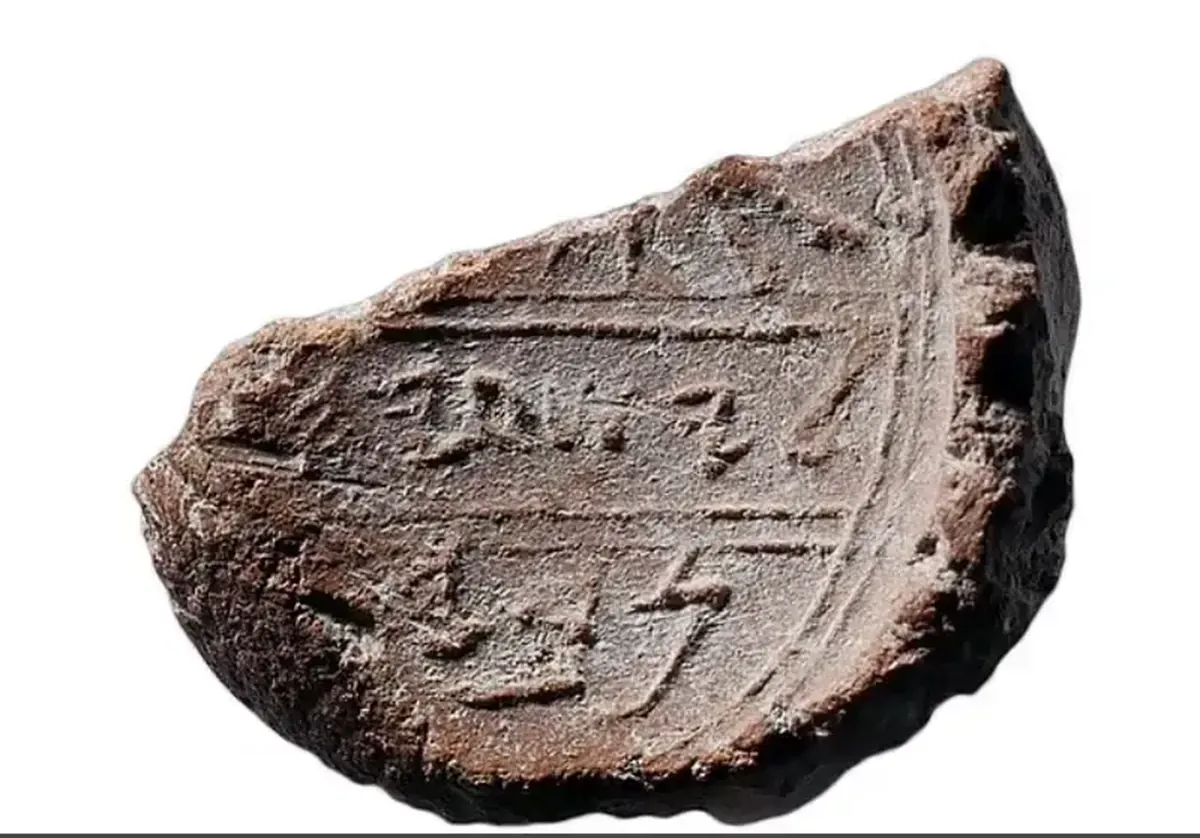
The seal of the prophet Isaiah
If the seal is authentic, it would be the first archaeological evidence that Isaiah was a historical figure.
