
 Gaby
Gaby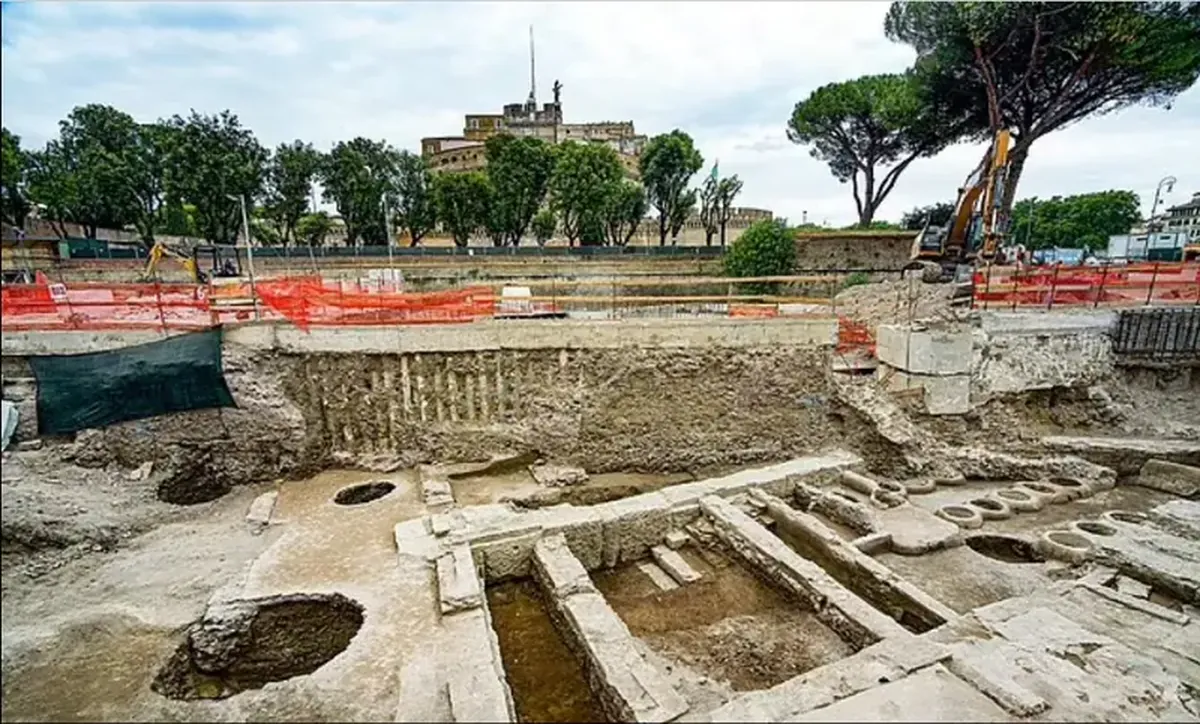
This discovery in the heart of Rome surprised even local researchers, who are used to frequent finds. Archaeologists had long believed this legendary site was hopelessly lost. Now they have unearthed a brick and travertine-marble wall near the Vatican, a terrace that once overlooked the Tiber River, the foundation of a portico with a colonnade, and a large open area that likely housed the garden of Agrippina (Agrippina the Elder was Caligula’s mother).
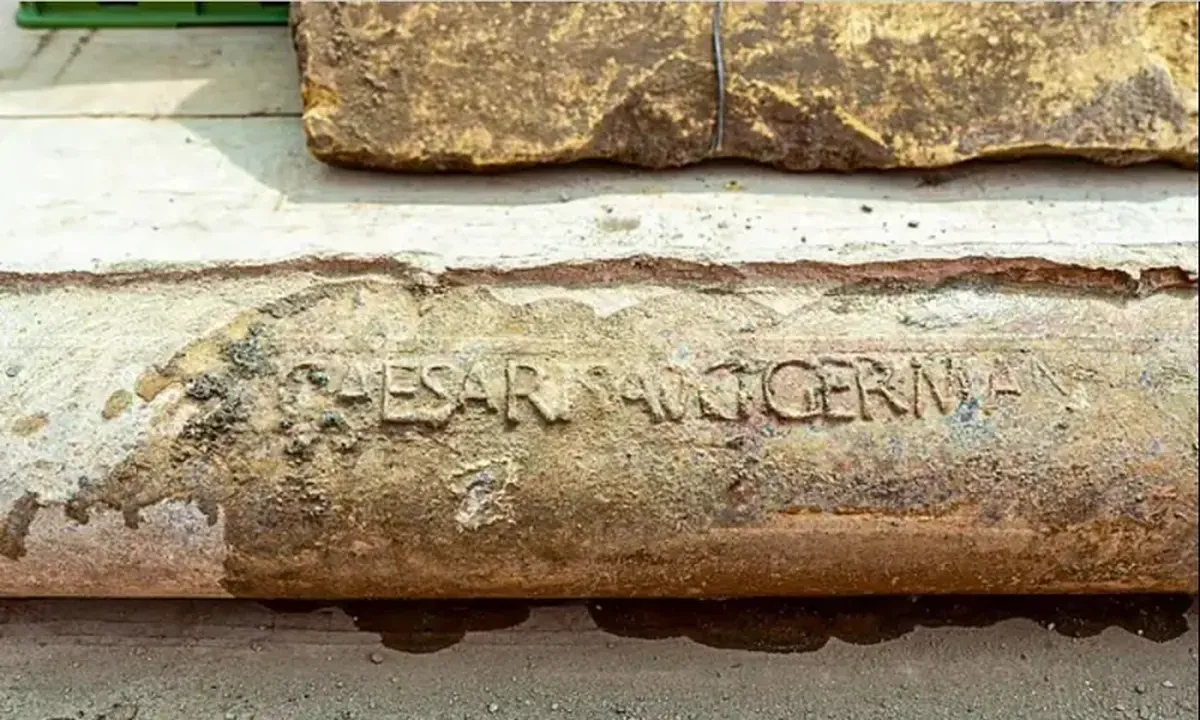
The portico’s lead pipe bore the inscription “Gaius Caesar Augustus Germanicus” — the birth name of the emperor who ruled from 37 to 41 AD. “Caligula” was a childhood nickname given when he accompanied his father, the emperor Germanicus, on military campaigns and wore a legionnaire’s uniform with open-toed boots called caligae. When he became emperor, he continued to wear caligae, now decorated with precious stones.
The story behind the discovery
Caligula ruled Rome for only a few years, but he’s remembered as cruel, mad, depraved, extravagant, and bloody. Playwright Albert Camus portrayed him that way in his play Caligula, and director Tinto Brass did the same in his cult film.
His reign also saw tense relations with the empire’s Jewish population. During his rule the first recorded anti-Semitic pogrom took place in Alexandria, Egypt.
The newly uncovered garden is believed to be the place where a delegation of Alexandrian Jews once appealed to Caligula for help. Daniela Porro, the special superintendent of Rome overseeing the excavations, has no doubt this was the site of that fateful — and ultimately futile — meeting.
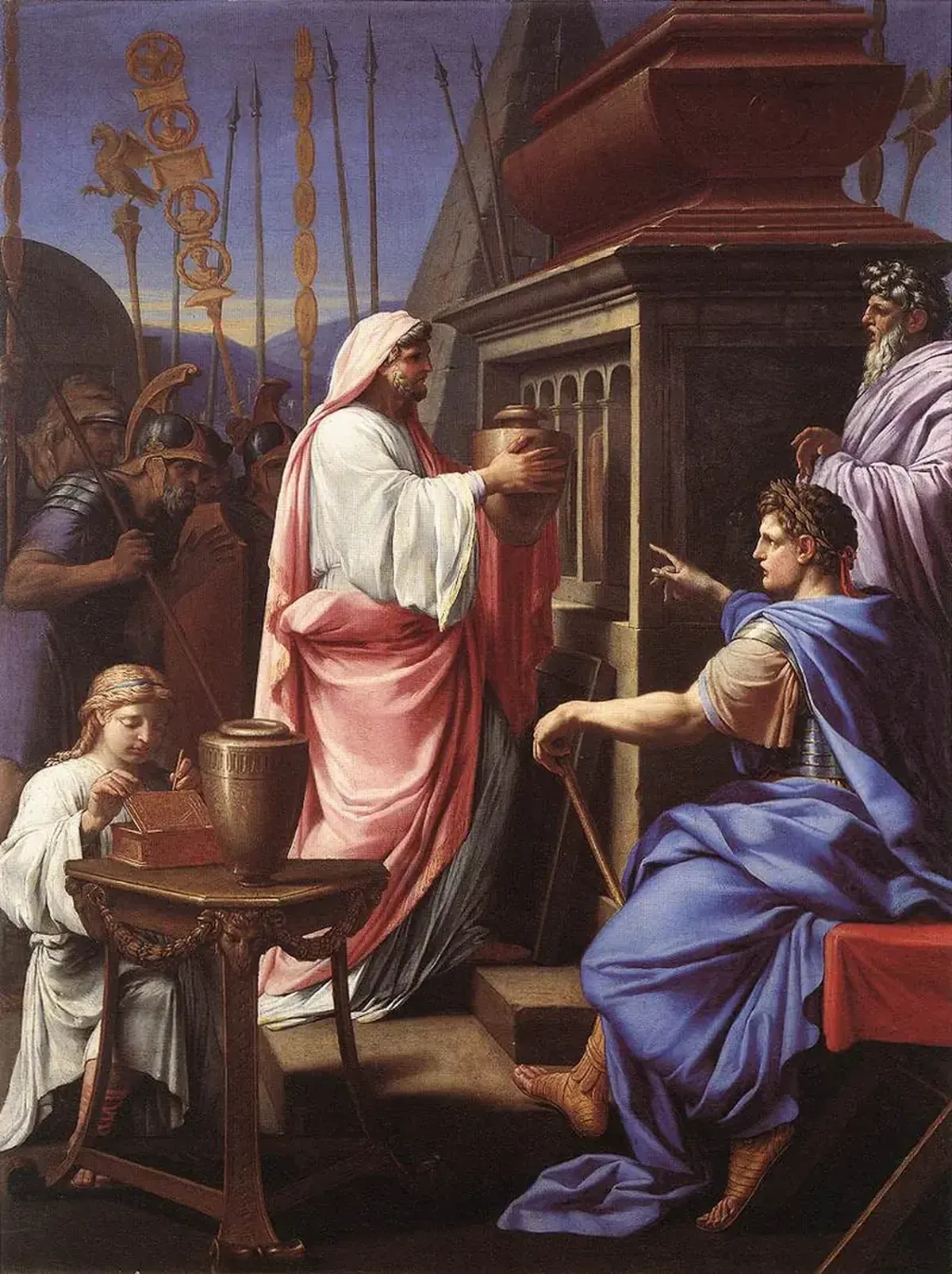
Estache Lesueur. “Caligula Places the Ashes of His Mother and Brother in the Tomb of His Ancestors”
“We were fortunate to find a lead pipe in one of the walls with Caligula’s name inscribed on it, which means that he built the portico,” Ms. Porro explained. She added that “there were magnificent imperial gardens here with pavilions, porticos, and buildings for leisure,” as reported by the Daily Mail.
After Caligula’s death, his nephew Nero inherited the garden; Nero was the last representative of the Julio-Claudian dynasty. Ms. Porro noted that Nero decided to build his own theater near Caligula’s portico, and the theater’s ruins have been discovered. She said that during the Flavian dynasty the portico and other nearby structures were either destroyed or repurposed.
Ms. Porro promised the archaeological remains — Caligula’s legacy — would be documented, restored, and possibly displayed outdoors.
