
 Gaby
Gaby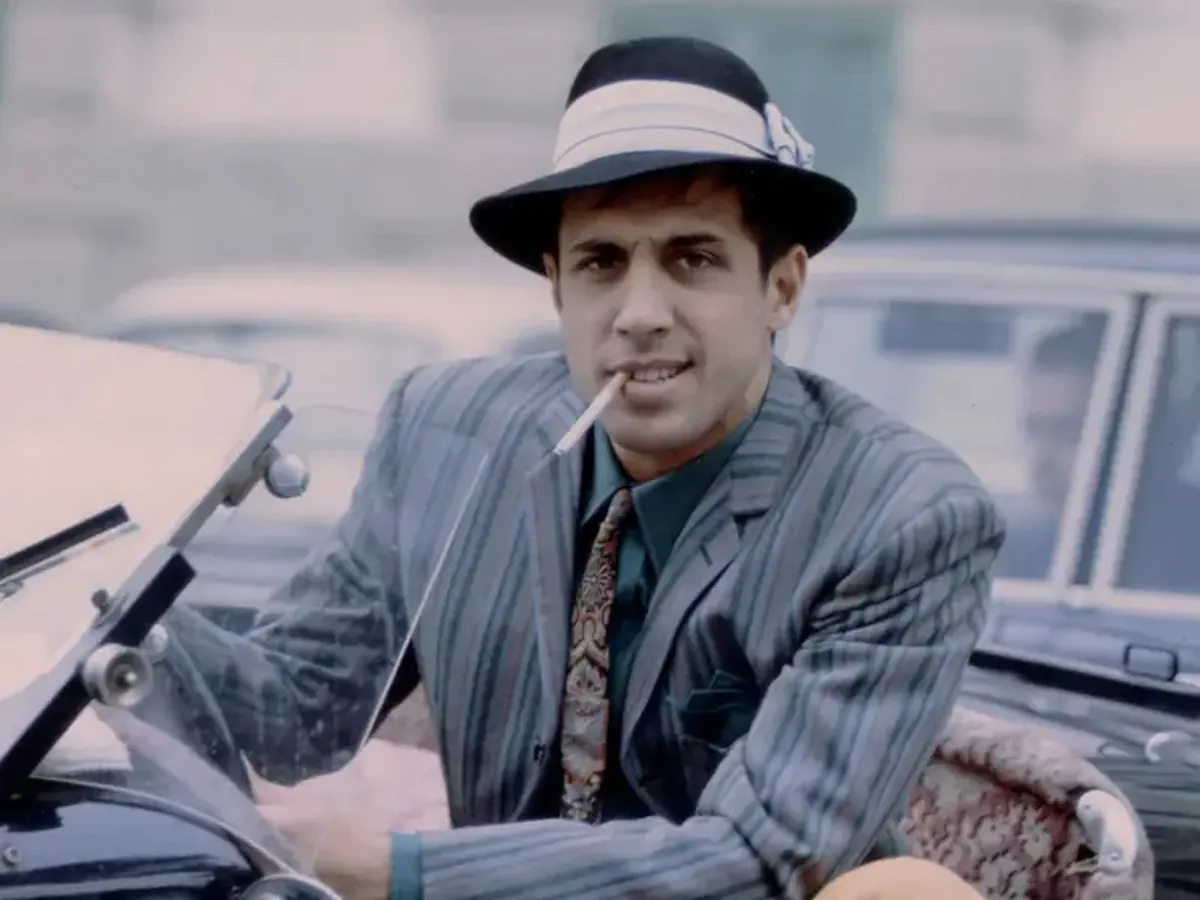
Through music, film, books, and public speeches, the singer, composer, actor, director, producer, television host, and public figure has spent his life broadcasting his beliefs. The eccentric experimenter, who cultivated a persona as a “buddy” and a “sincere soul,” tackled pressing social issues and believed the stage and microphone should be used to protest injustice. A recipient of the Order of Merit for the Italian Republic, he called his mission “the voice of the spirit that gathers the dreams of the world.” His charisma as a tireless opponent of authority outlasted the politicians he criticized and the passage of time: he turned 86 on January 6.
The “Barefoot Earthquake”
This nickname stuck with Adriano Celentano almost as soon as he could walk. His lively temperament matched the day of his birth: January 6, 1938, when Italians traditionally play pranks on each other during the Feast of Epiphany (similar to April Fool’s Day). His childhood unfolded in the family home at 14 Via Gluck in Milan; his mother was 44 when she gave birth to him. The large peasant family had moved to Italy’s industrial north in search of work, and the family’s fifth child soon found employment there.
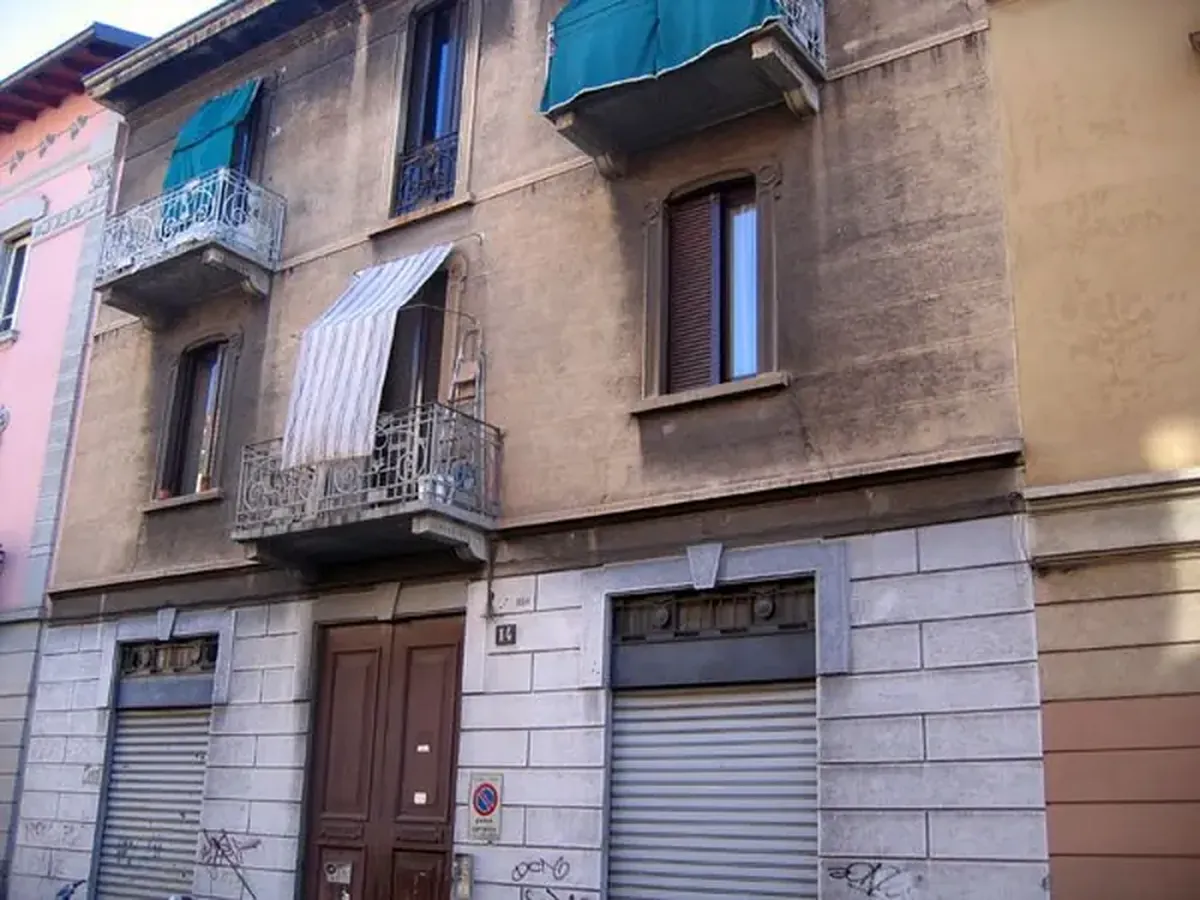
The house in Milan at Via Gluck 14, where Adriano Celentano spent his early years
At 12, he left school and started working in a watchmaker’s shop. He began as an apprentice, quickly mastering the craft and repairing watches on his own.
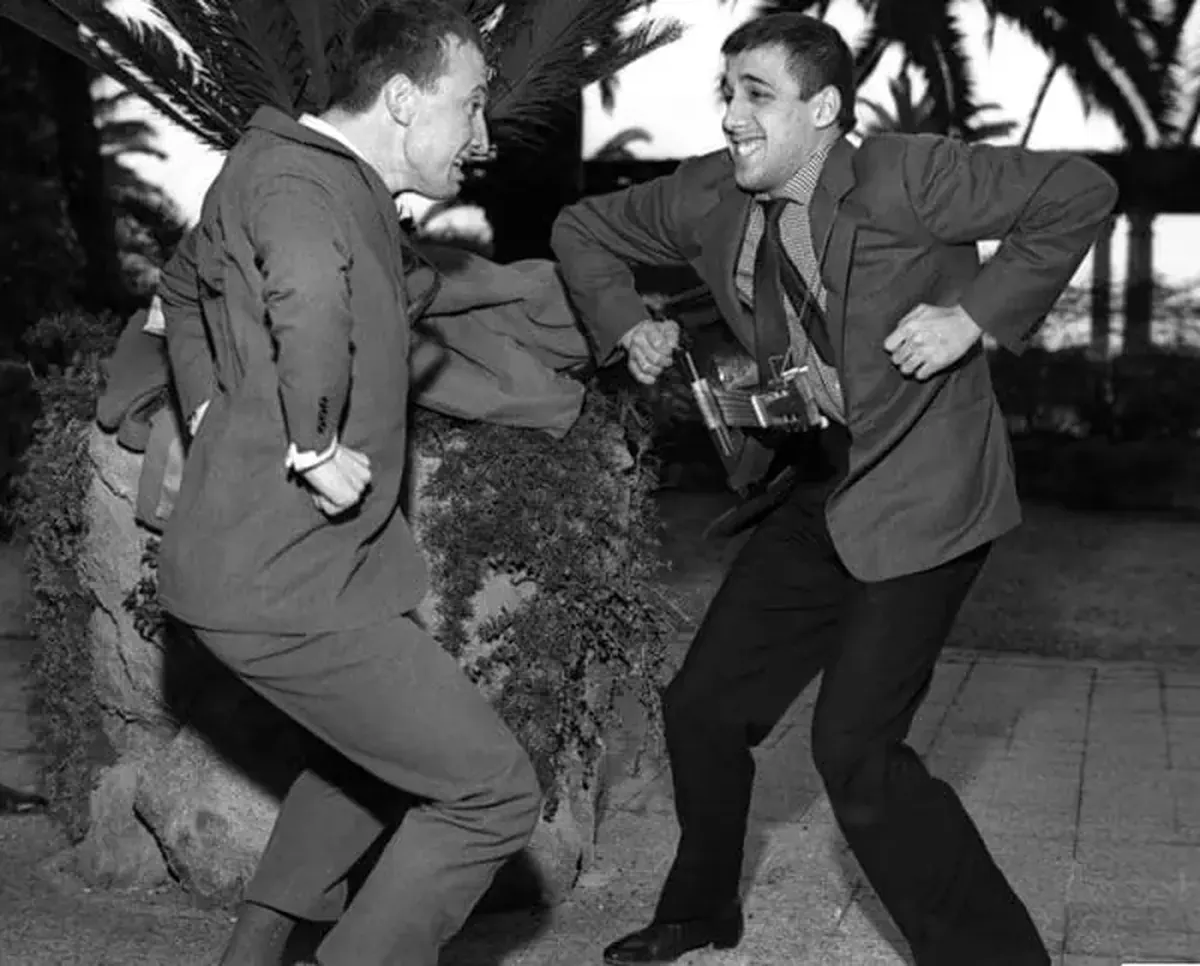
Celentano earned his first 100,000 lira by imitating a famous American comedian. He won a look-alike contest without even performing: his sister entered a photo of him dressed as Jerry Lewis, and the image took first place. By then Adriano had already shifted his focus to music.
“Jungles” and “Rebels”
In 1954, Celentano wrote and performed his own songs for the first time, and a year later he discovered rock and roll. After the 1955 film “School Jungle,” he heard “Rock Around the Clock” and wanted to play that kind of music. His family shared his enthusiasm. “Mom loved rock and roll just as much and would wake me up by playing upbeat rhythms,” Celentano recalled. “She did this an hour earlier than necessary to make sure I got up on time.”
His first professional experience came with the four-piece band Rock Boys. With that group, Celentano won first place at the “First Italian Rock and Roll Festival” in 1957. Unlike other participants who performed English-language sets, Rock Boys presented an original composition, “Ciao ti dirò,” and their Italian-language rock beat the competition.
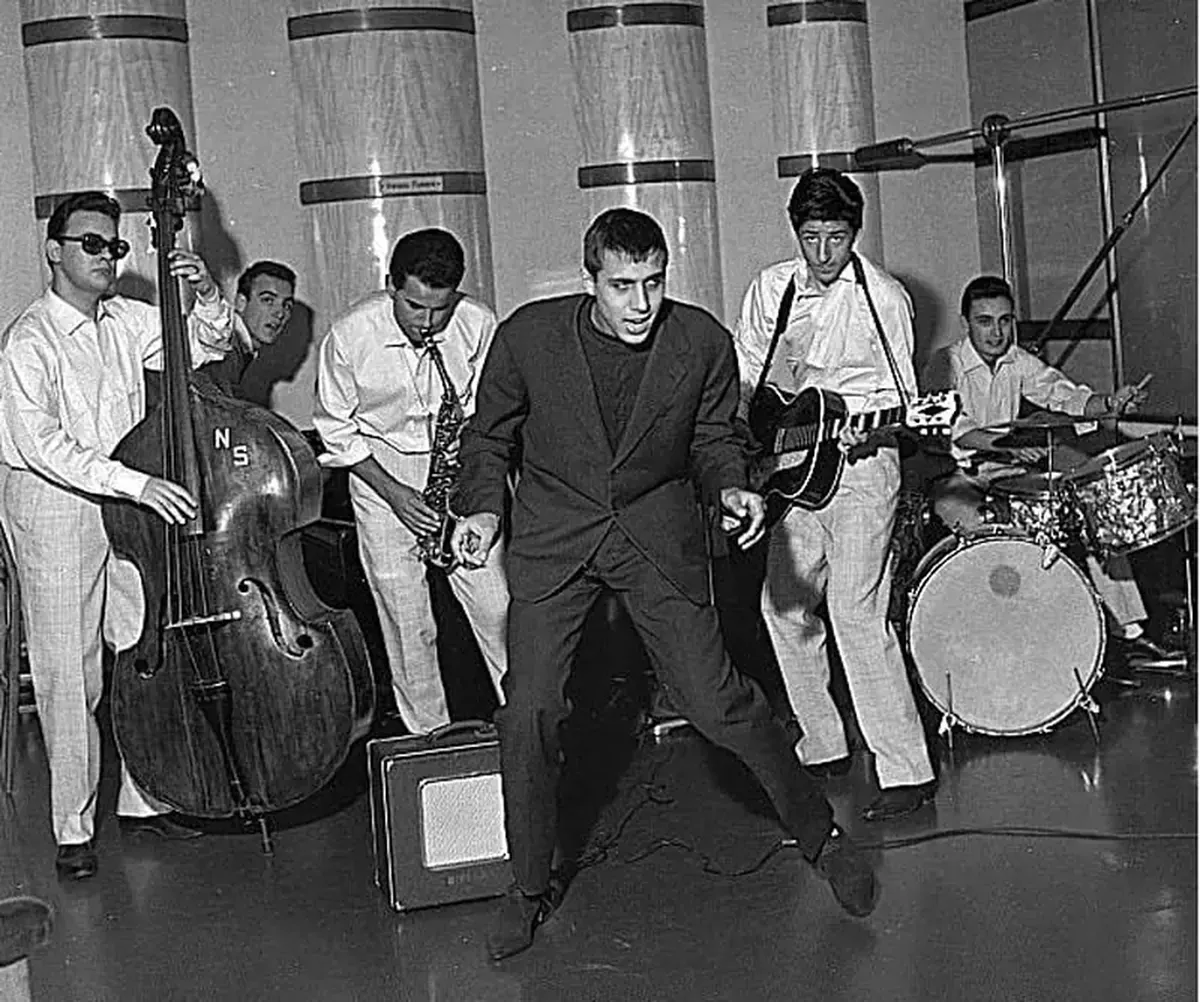
Rock Boys
The following year the young musician won a light music festival in Ancona, released his debut studio album, and began collaborating with the writer of his first hits, producer and friend Miki Del Prete. With another long-time friend, drummer Gianni Del Alio, Adriano continued his career in the rock group I Ribelli (“The Rebels”), which he formed in 1959 for further performances.
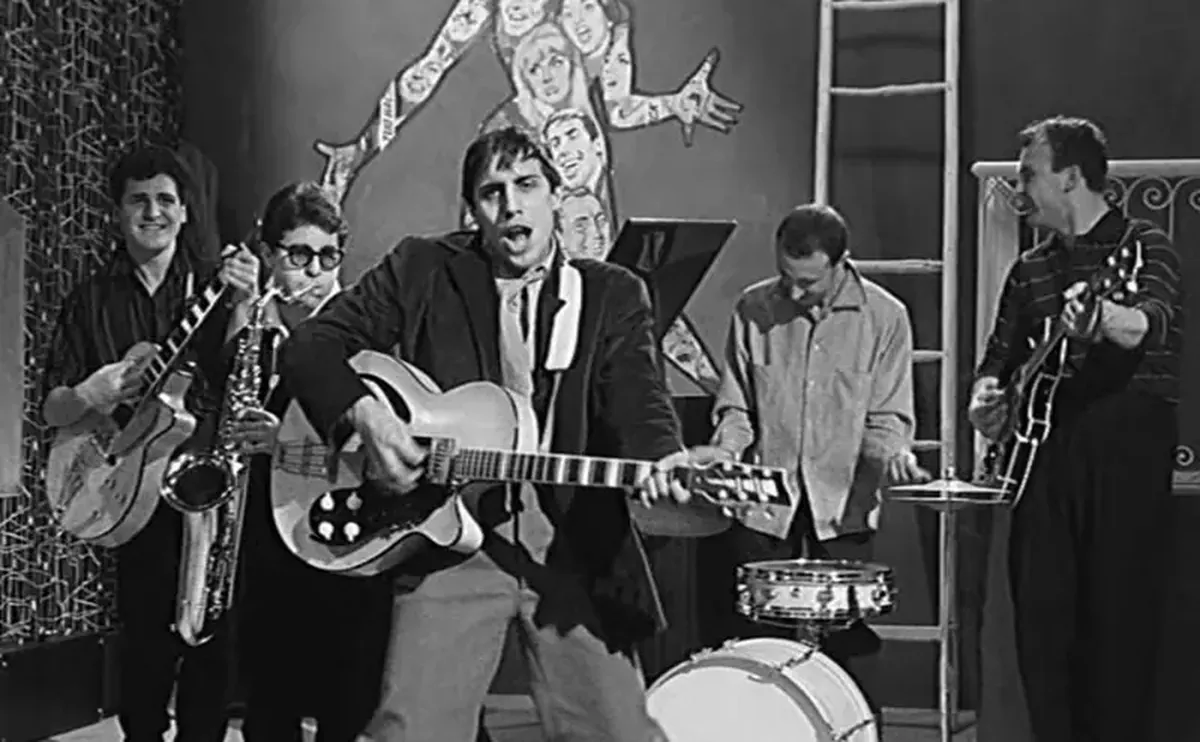
Adriano Celentano and the band I Ribelli, 1961
With Permission from the Defense Minister
To take part in his first San Remo festival in 1961, Celentano had to get permission from the Minister of Defense: since 1958 he had been serving in the military and needed authorization to leave the barracks in Turin. Those extra steps didn’t stop the newcomer from taking second place. He might have won if not for his unusual performance style of singing with his back to the audience. The song he performed, “Ventiquattromila baci” (“24 Thousand Kisses”), topped the national charts and became known as “the Italian hit of the decade.”
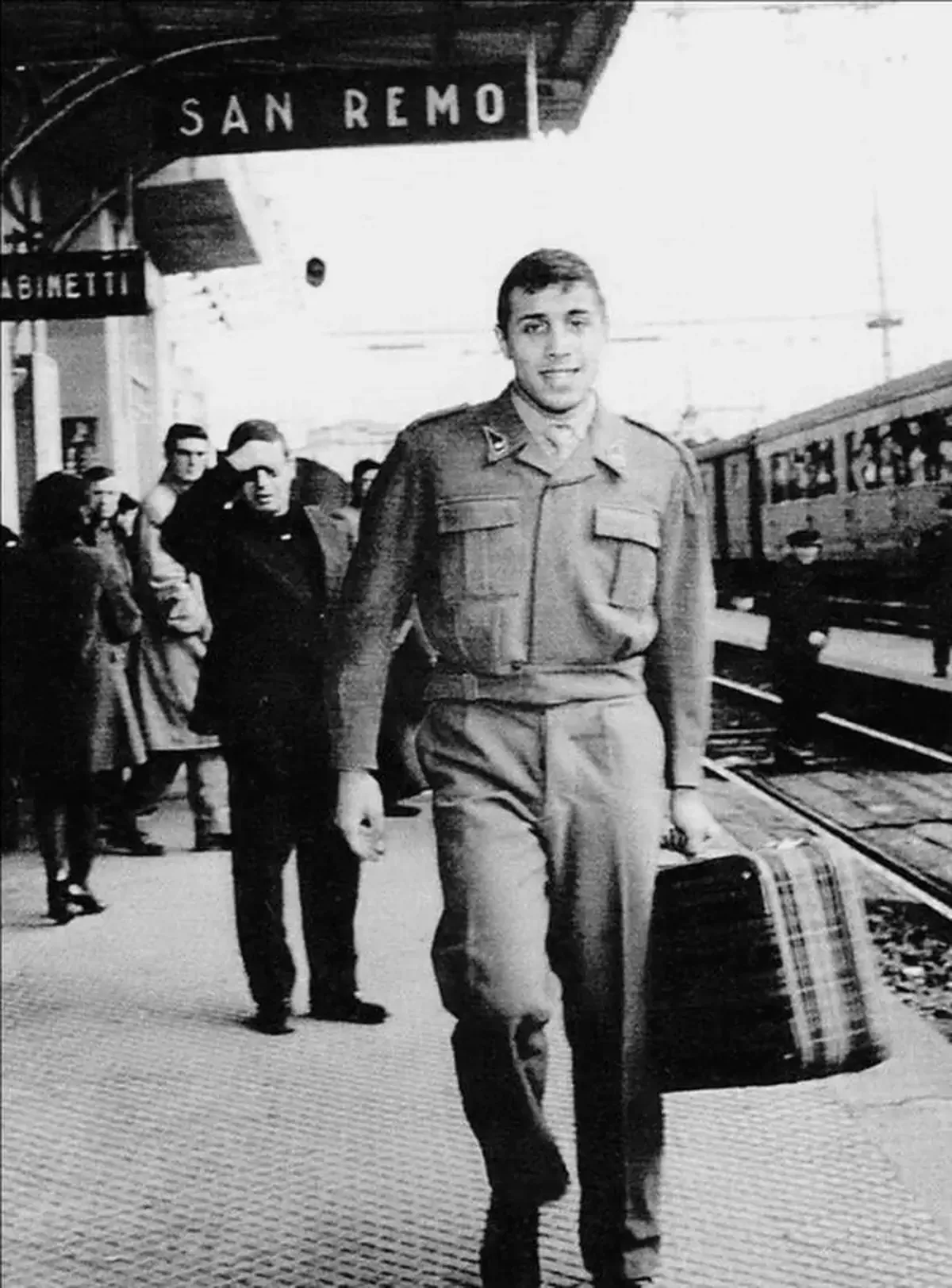
Celentano arrived from the army to perform in San Remo (1961)
His career breakthrough came with creating his own record label, Clan Celentano, releasing a self-produced record that sold a million copies, successful foreign tours, a series of TV programs, and a thunderous tribute at Milan’s Smeraldo theater that cemented his status as Italy’s rock-and-roll leader. He also gained worldwide recognition for his first socio-political song, “The Boy from Via Gluck.” The 1966 composition “Il ragazzo della via Gluck” was even included in Italian school textbooks as a plea for environmental care.
After his victory at San Remo in 1970, where he performed with his actress wife Claudia Mori—the duo proved successful both creatively and personally and have three children, son Giacomo and daughters Rosita and Rosalinda—he continued to tackle pressing issues, often conveying them to the public without words.
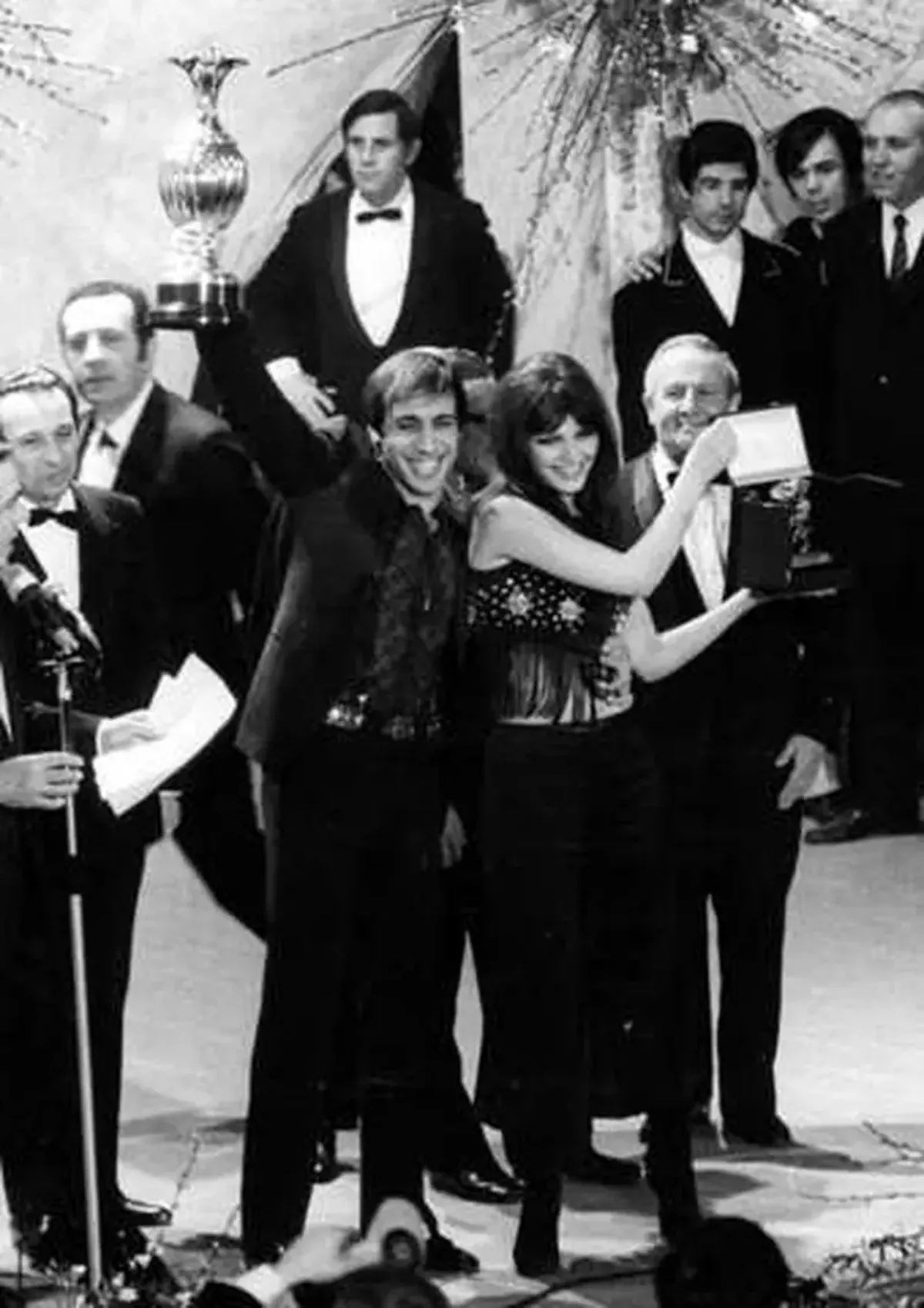
Celentano and Claudia Mori’s victory at the San Remo festival in 1970
Innovator and Experimenter
In the song “Prisencolinensinainciusol,” Celentano sang in a made-up language he called “celentanesca,” which sounded like a mix of English and Italian. The lyrics were intentionally incomprehensible, meant to represent the human disconnect that keeps us from understanding one another. Many consider that piece an early prototype of rap to chart in Europe and the U.S.
The 1972 album “I mali del secolo” reflected modern problems, with every track written by Celentano himself. Its best-known song, “Un albero di trenta piani” (“A Tree of Thirty Floors”), satirizes environmental pollution. On the title track of his 1976 album “Svalutation,” he ironized about the social crisis of the time; the record found an audience across Europe and became a bestseller in Germany and France. He later wrote and published a book with the same name.
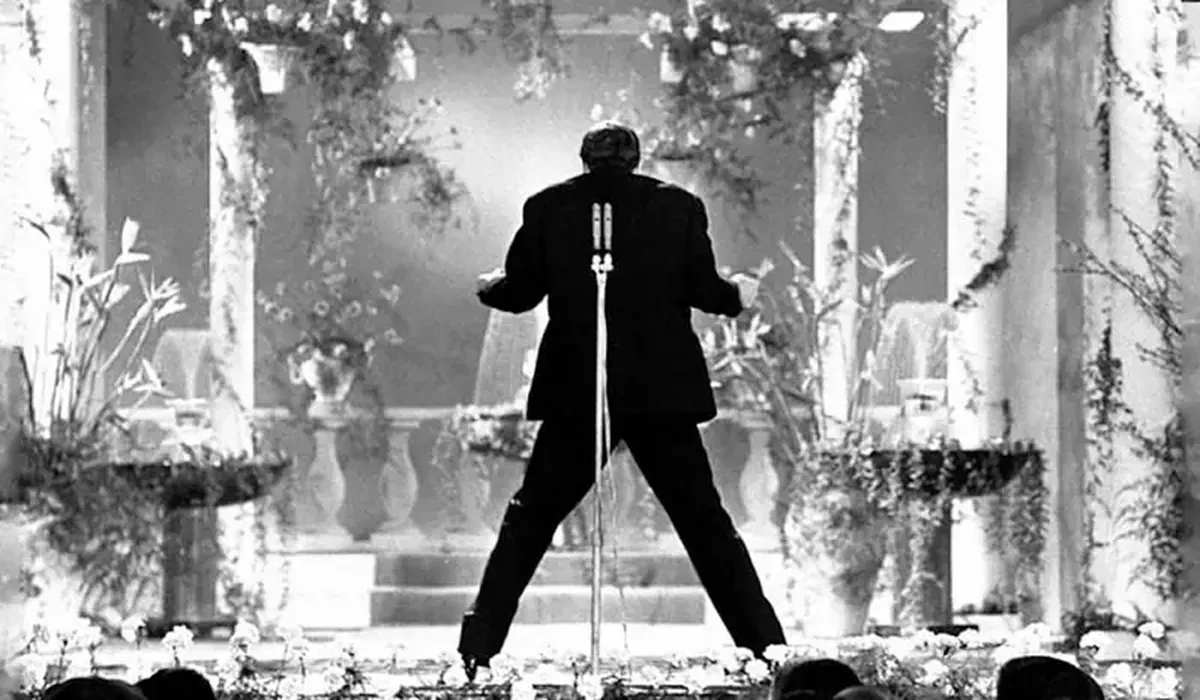
Celentano was a pioneer in many ways: he brought rock and early rap into Italian, was one of the first to own an independent recording studio, and pushed the envelope with stadium shows. He also had a notable film career. While maintaining his music work, he appeared in about forty films, bringing distinctive choreography and spontaneous wit to the screen.
Despite his unconventional looks, many women across generations found his rugged voice and presence attractive. He backed that image with an active lifestyle: Celentano is a fan of soccer, tennis, billiards, and chess. He hardens himself by swimming in cold water, enjoys photography, and takes pleasure in cooking.
Instinct and Madness
Italian director, painter, playwright, stagecraft theorist, and Nobel Prize winner Dario Fo described Celentano as “all talent and madness, instinct and frenzy.” The artist criticized environmental pollution, the demolition of historic buildings and monuments, government dishonesty, and political censorship. He has repeatedly condemned the actions of the Italian government, past and present, and remains an active opponent. A defender of animal rights, he has long advocated for stopping meat consumption, opposes the killing of sentient beings, and says he believes in a God who “lives in each of us.”
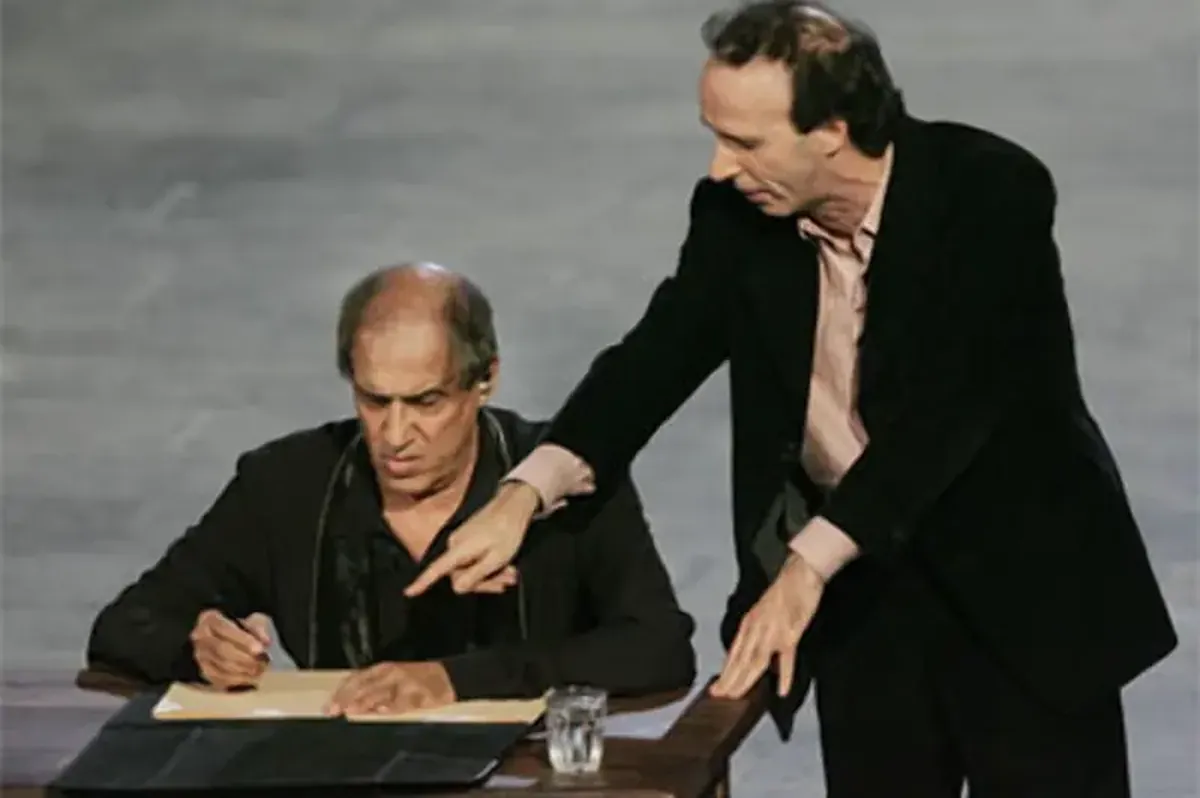
Adriano Celentano and Roberto Benigni writing a letter to Silvio Berlusconi (TV show “Rock Politician,” 2005)
Critics called his most recent of four platinum albums his least significant. His long-awaited return in 2012 at the San Remo festival became an indictment of those he held responsible for the European crisis. During a nearly hour-long performance of old and new hits, he criticized the caretaker government and spoke out about problems in the Catholic Church, the referendum, and the Constitutional Court. He even accused RAI, the broadcaster, of censorship. He also attacked the Catholic newspapers Avvenire and Famiglia Cristiana, calling them unnecessary and accusing them of doing politics instead of helping the suffering.
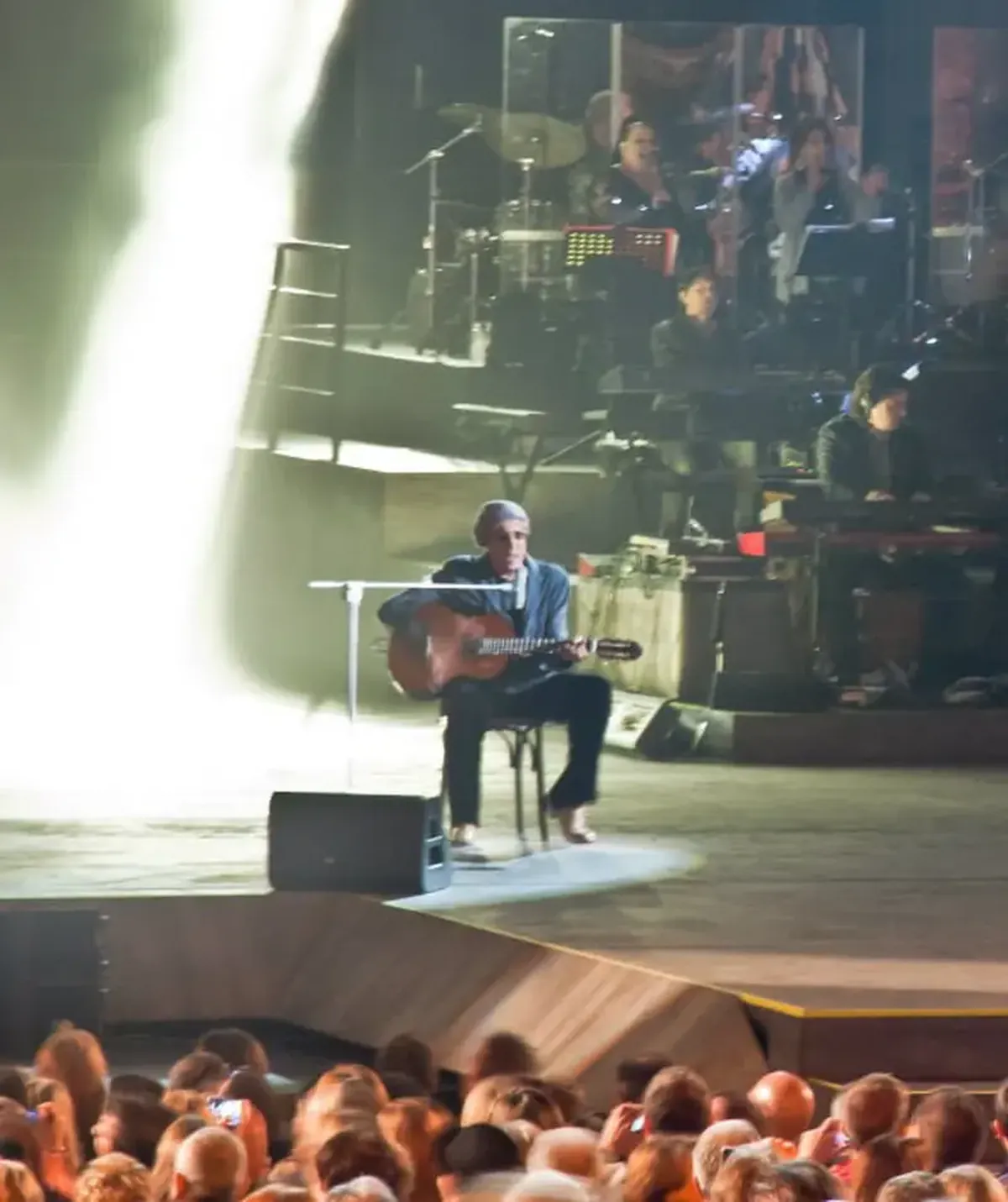
Adriano Celentano at the Rock Economy festival
His resonant return to the big stage with the program “Rock Economy” in 2012 in Verona became a global event. Tickets for the amphitheater, priced at 1 euro, sold out within the first hour, and nine million viewers watched the concert on live television. His claim that protesting injustice is “the highest duty of an artist” struck a chord with many.
