
 Gaby
Gaby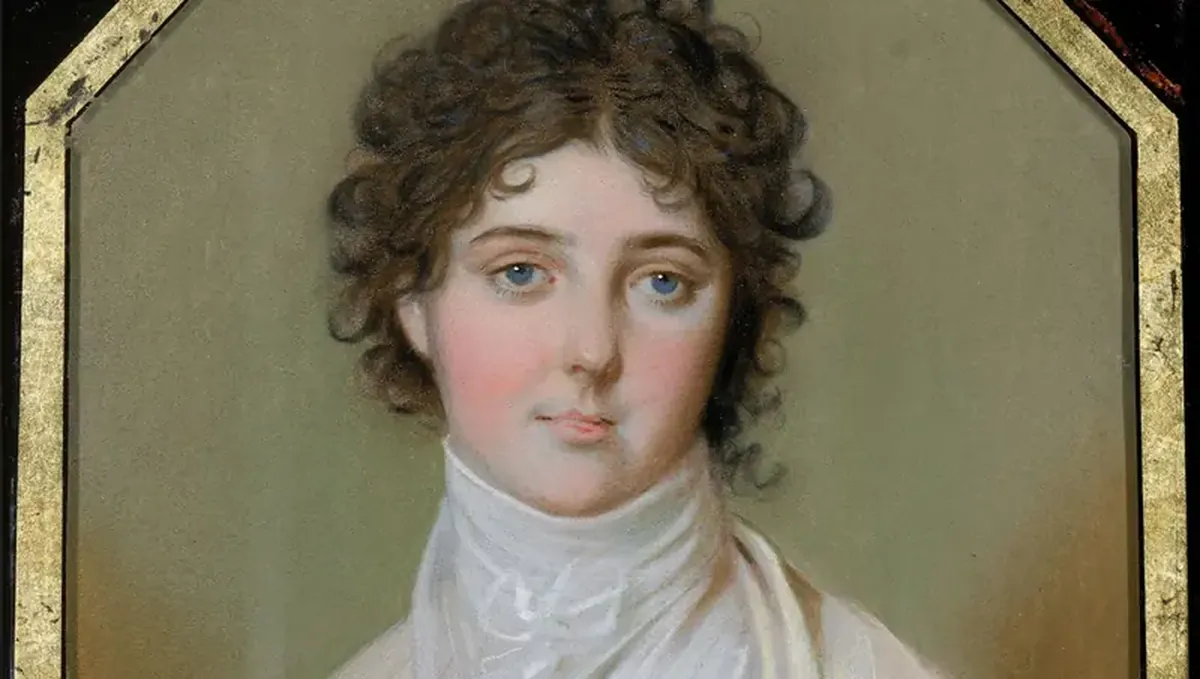
The scandalous life of a one-time shepherdess who turned her looks and talents into fortune inspired numerous works, including three historical novels by Alexandre Dumas. She rose from poverty through her feminine allure—and fell back into destitution when that charm faded. Actress, singer, mime, courtesan, wife of British ambassador William Hamilton, and lover of naval hero Horatio Nelson, Emma Hamilton was the Marilyn Monroe of her day—the most talked-about celebrity in Europe around 1800.
The Mystery of Her Birth
The beauty from Chester, Amy Lyon (called Amy Lyon in English and Emma Lyonna in Dumas’s writings), was born on April 26, 1765, in Cheshire, England. Her legal father was a blacksmith named Henry Lyons; only two facts are known about him: he moved to Chester from Flintshire to find work and died young. Amy’s earliest memories were of when her mother, Marie, brought her to her parents’ village, where the widow and her little daughter struggled. While her mother sold coal, seven-year-old Amy tended sheep on a farm in exchange for food.
When Amy turned 10, the impoverished widow unexpectedly received funds to send her daughter to boarding school—financial aid from the Earl of Halifax. Some biographers have taken the aristocrat’s support as a hint that he might have been Amy’s biological father. Whatever the truth, thanks to the earl Amy learned to read, studied music, and developed drawing skills; after Halifax died, financial hardship returned for mother and daughter.
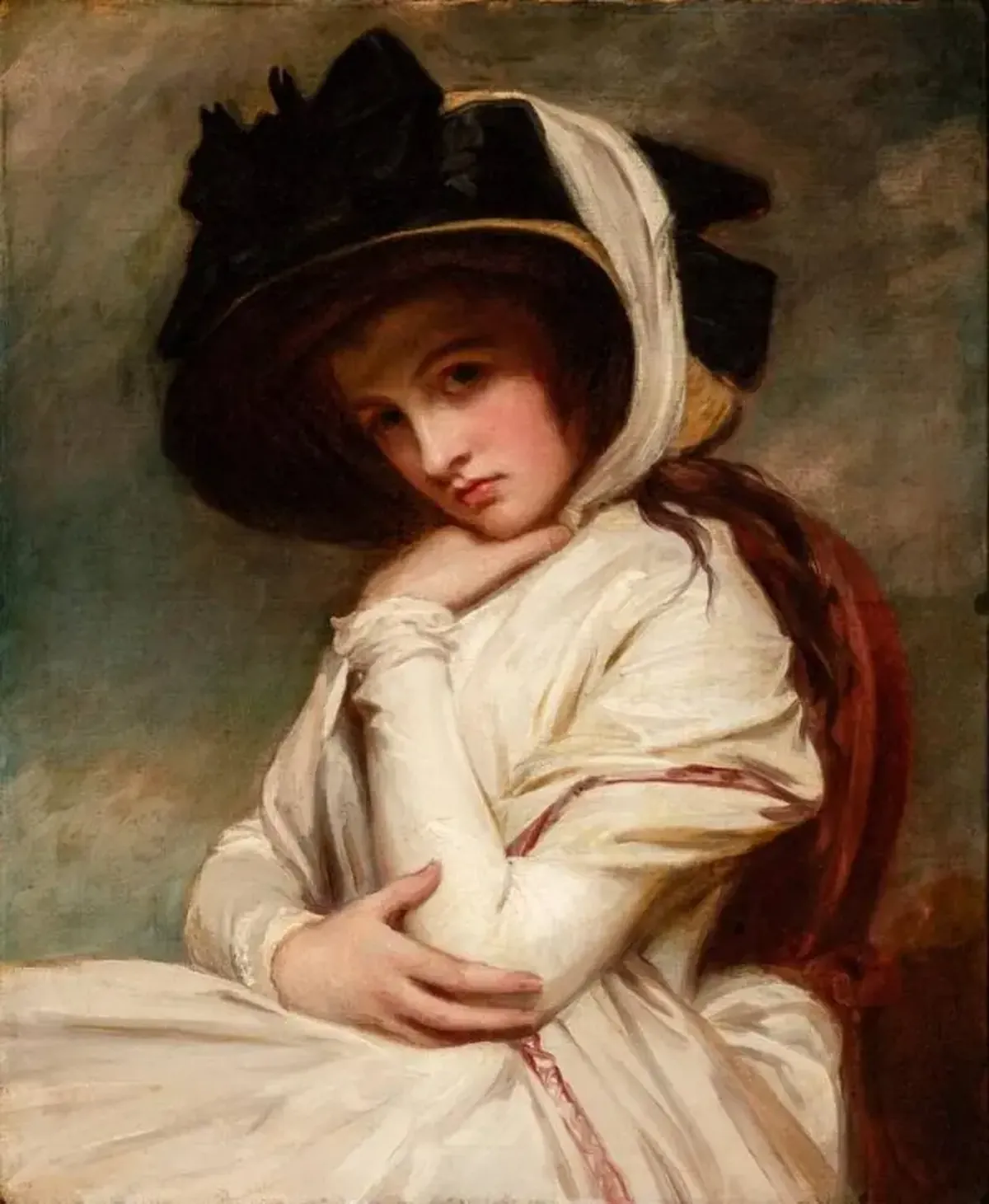
Amy at 17, the first portrait painted by George Romney
In the Role of Juliet
Two years later, Amy left boarding school and took a job as a nanny for the three grandchildren of Viscount Thomas Hawarden. One day, while out for a walk with her charges, the 13-year-old caught the eye of artist George Romney, who was captivated by her innocent beauty and invited her to pose for him in London. The following year, Amy ran away to the capital with her friend Fanny Strong and Fanny’s smuggler brother. Arriving in 1779 in the most expensive city in Europe, Lyon found work as a servant for wealthy families. Initially unable to find the artist who had invited her, Amy relied on the support of her previous employer’s son.
Surgeon James Hawarden found her a job selling jewelry and took the charming provincial girl to the London theater. After seeing Romeo and Juliet, Amy was so taken with the performance that she memorized Juliet’s part and rehearsed Shakespearean scenes in private. Within three years she would put that natural talent to use in the theater of life: she gained a scandalous reputation, became the mistress of several men, took part in a nude exhibition, and gave birth to an unwanted child.
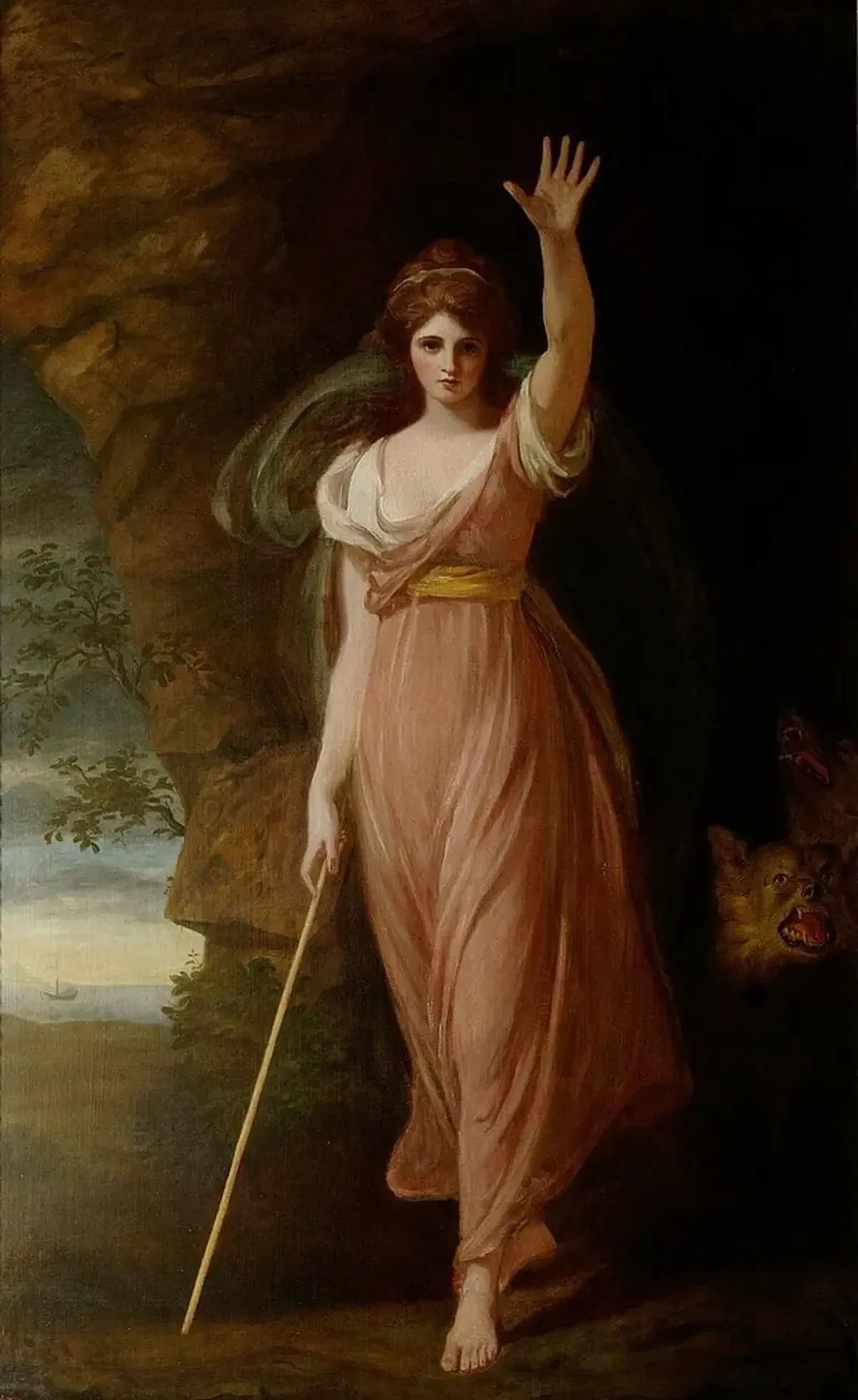
Emma as Circe at Waddesdon Manor, George Romney, 1782.
The Taste of Vice
Amy’s first confirmed sexual encounter was with a naval captain named John Payne. Accompanied by her friend Fanny Strong—whose brother had been pressed into naval service—Amy ended up on the ship where he was to serve. During the war between Britain and its American colonies, the brother was called to duty, but the girls, dressed in fine gowns, tried to persuade the officers to release him. Amy was pleased with her “acting debut” as a young seductress when the plan succeeded.
If Dumas’s version of the story is to be believed, the stern captain obliged his charming visitor and made her his mistress. She moved into his house with servants and a carriage. But the captain soon sailed with his squadron, and Amy received an offer from a wealthy friend of his. The next year she spent time with Sir Harry Fazeyson, enjoying dancing, parties, and hunting trips that opened a new, luxurious world—one she adapted to quickly.
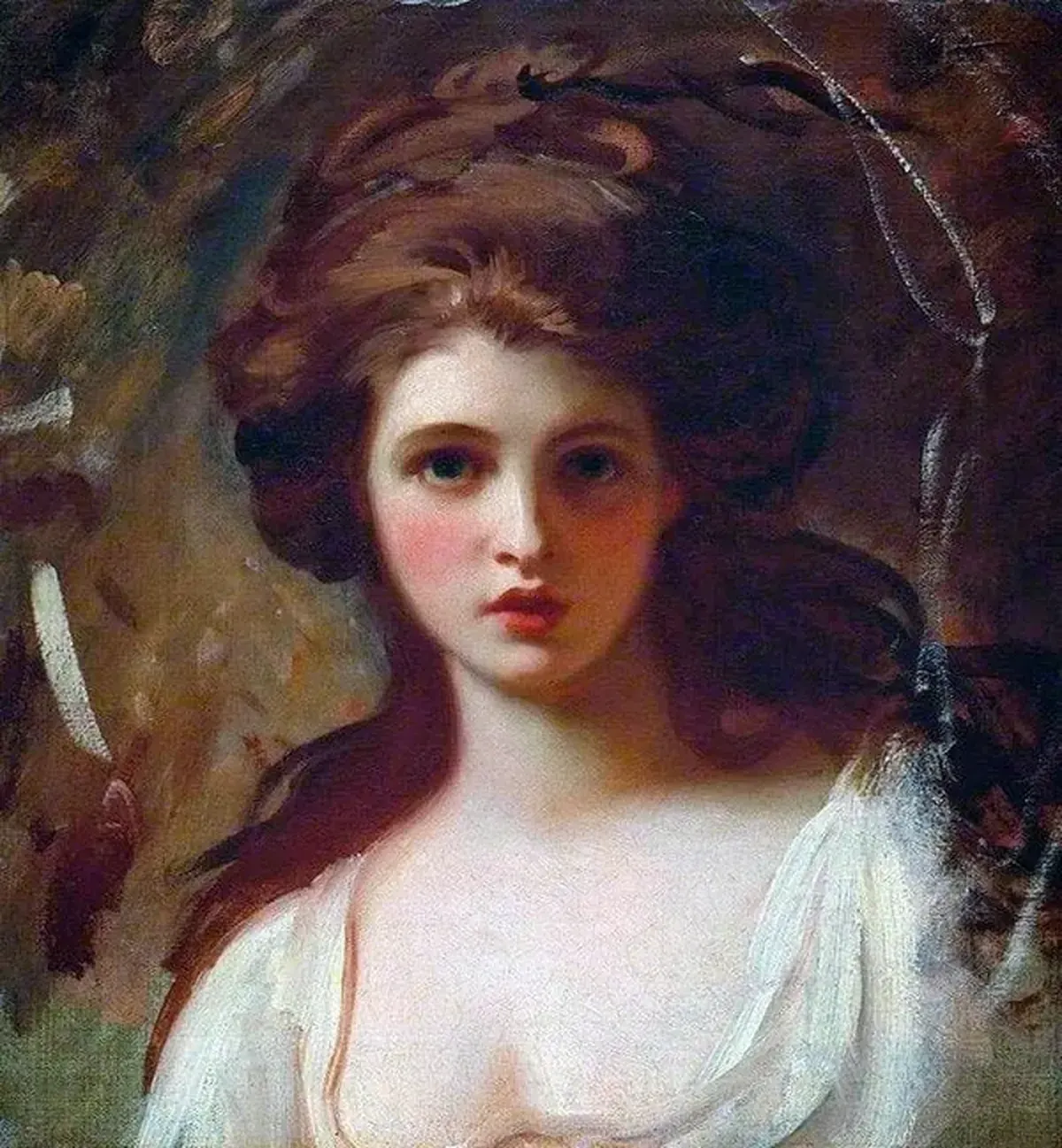
Emma Hart, painted by George Romney, 1782.
The Art of Seduction
After ending her relationship with her second lover, Amy literally found herself on the streets: the need for quick cash forced her to offer herself in Haymarket. At 16 she was abandoned while pregnant. After giving birth to a daughter she named Emma, the young mother left the child with her own grandmother, who had raised Amy alone. Emma Carew spent most of her life as a servant, never married, and died childless at 75.
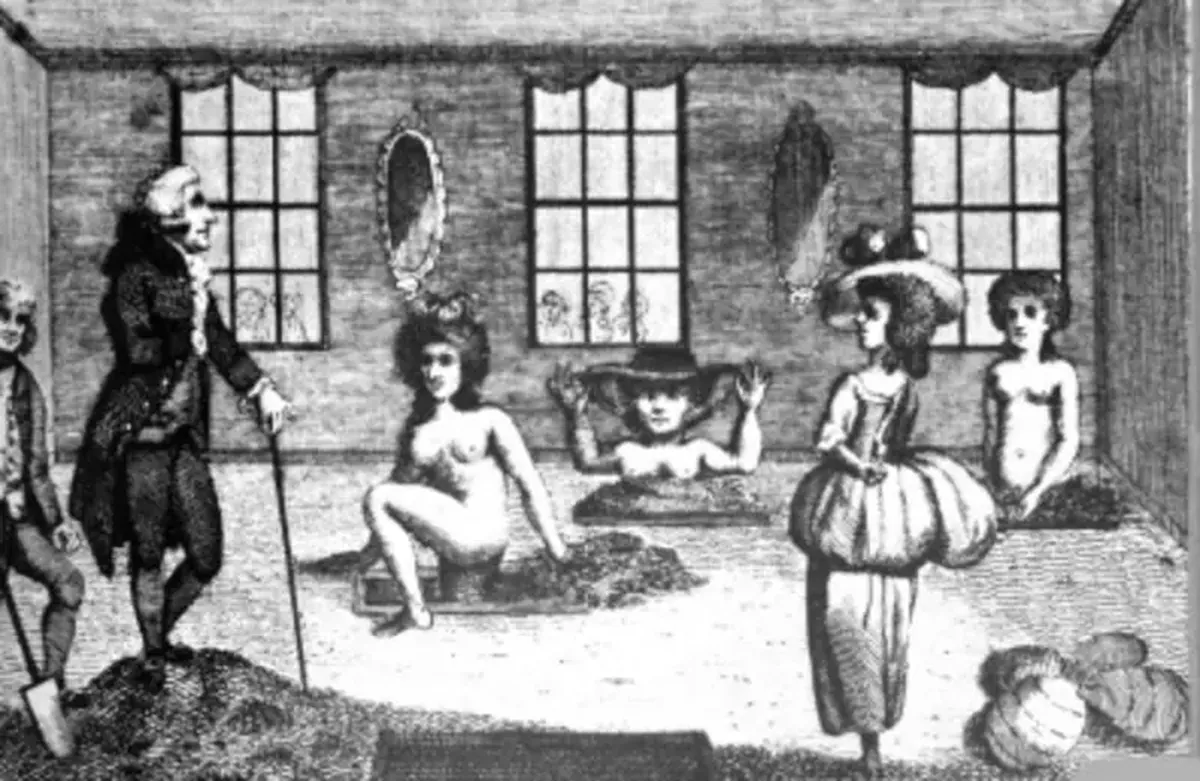
"Healing Beauty" by the charlatan doctor James Graham
Amy Lyon changed her name to Emma Hart and began posing in “living sculptures” at Dr. James Graham’s “Healing Beauty” salon—a show put on by a Scottish charlatan who advertised naked beauties in erotic poses to a circle of admirers. The salon attracted art lovers, and one day George Romney, the painter who had first noticed Amy, came to see the advertised “goddess of health.” Romney’s trained eye immediately recognized her familiar grace and painted the new “goddess” as seductive bacchantes.
“Creators of Kings”
Her next London cohabitant was Charles Grenville, a wealthy young aristocrat and nephew of Sir William Hamilton. Grenville belonged to a distinguished line the British called “creators of kings.” Though Emma—then about 17 and known for her erotic “shawl dances”—hoped to marry Charles, after a few years and the birth of children he handed her over to his uncle. Sir William reportedly found his nephew’s situation unacceptable and threatened to cut off his inheritance unless he stopped squandering his life with a courtesan.
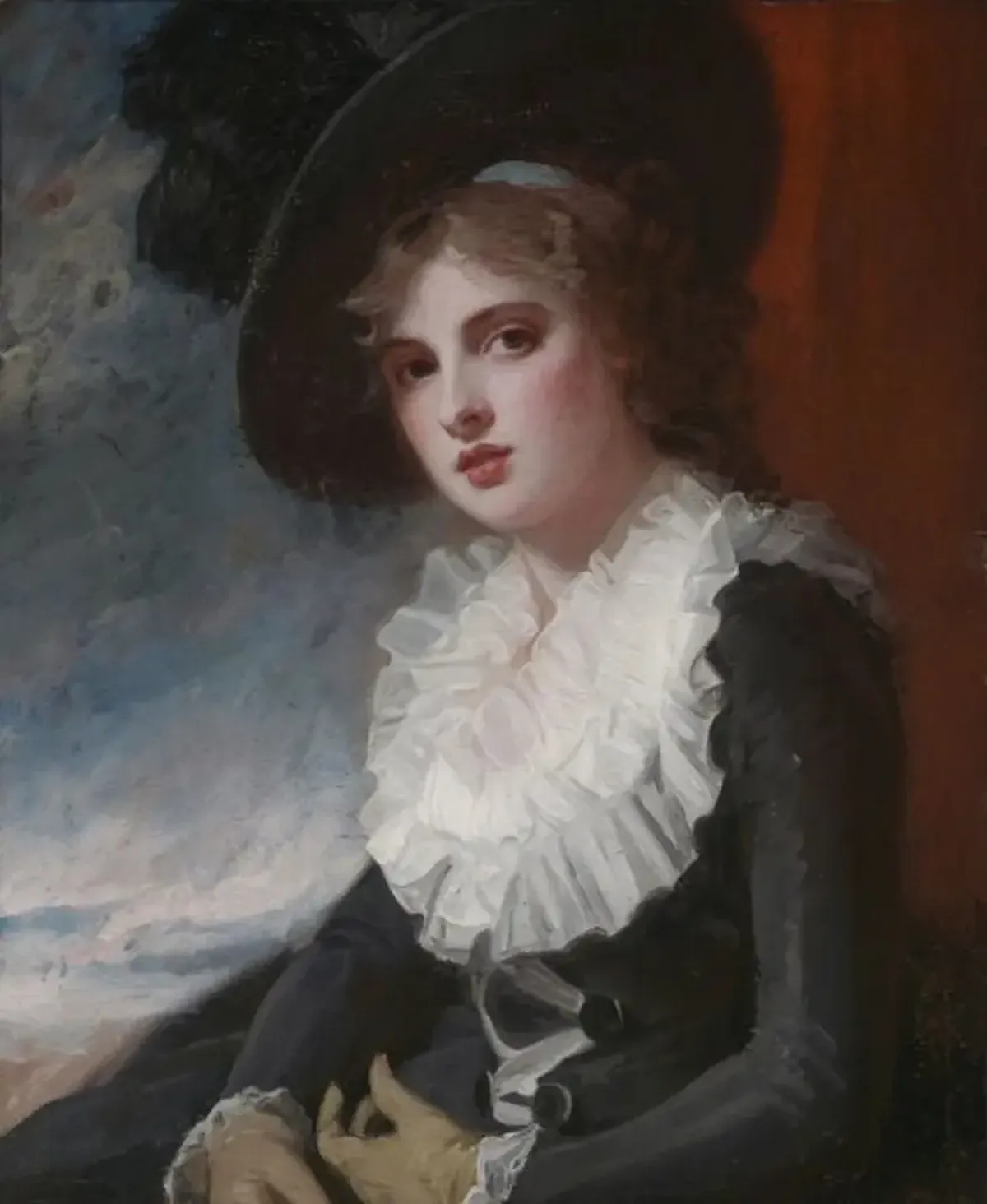
Emma Hart, portrait by George Romney, 1784.
In 1784 the British ambassador to the Kingdom of Naples visited his relative in London and spent a week assessing the situation. By then the nephew’s mistress had already made a favorable impression on Sir William: she knew music and painting, spoke French and Italian in addition to English, could improvise rhymes, and had success with posing and pantomime. A cultured, open-minded 50-year-old widower found such a woman intriguing.
Nothing Personal
Details of the arrangement are unclear, but rumors said the nephew agreed to hand Emma over to his uncle in exchange for help with debts. Emma was not told about the men’s deal. Grenville was supposed to travel with her to Italy but couldn’t leave his affairs, so he sent her ahead alone. At Sir William’s house she was captivated by his tales of archaeological expeditions and volcanic studies.
In 1786 Emma settled in Naples and eased the loneliness of the 56-year-old ambassador. When Sir William married his 26-year-old bride in 1791, aristocratic circles disapproved, but the scandal only increased interest in the woman with a questionable past. In Naples, Lady Hamilton promoted the art of “living pictures,” a form she already knew well. For distinguished guests the ambassador’s wife staged “attitudes,” posing as heroines from classical works.
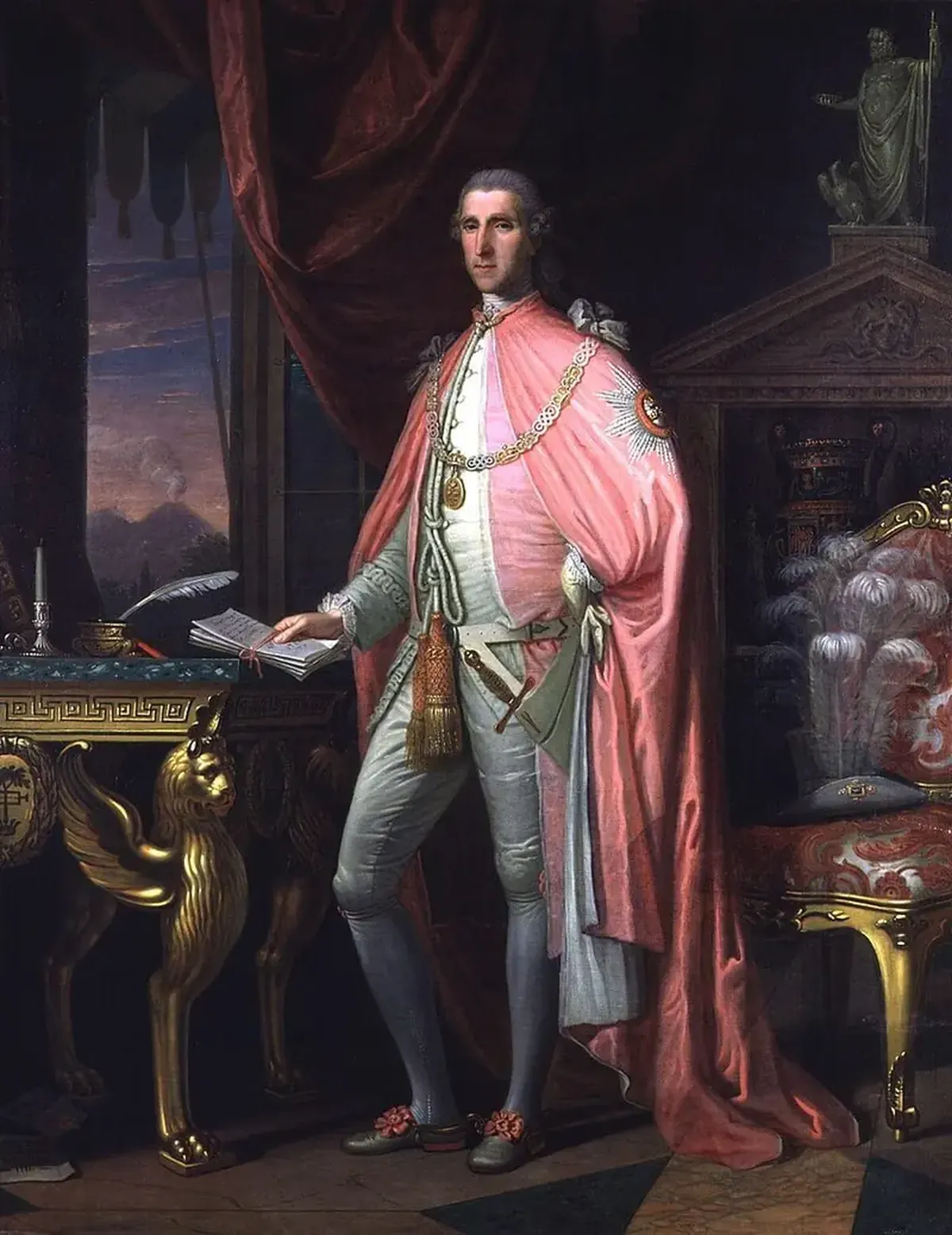
Sir William Hamilton, portrait by David Allan
The Flame of Passion
One of Emma Hamilton’s admirers was Queen Maria Carolina of Austria, who wielded significant influence in Naples during the revolutionary and Napoleonic era. Some historians have suggested the close friendship between Emma and Maria Carolina—a daughter of Empress Maria Theresa and sister of Marie Antoinette—may have had a romantic element. It was the queen who introduced Emma to Horatio Nelson, and Emma became involved with him in 1798.
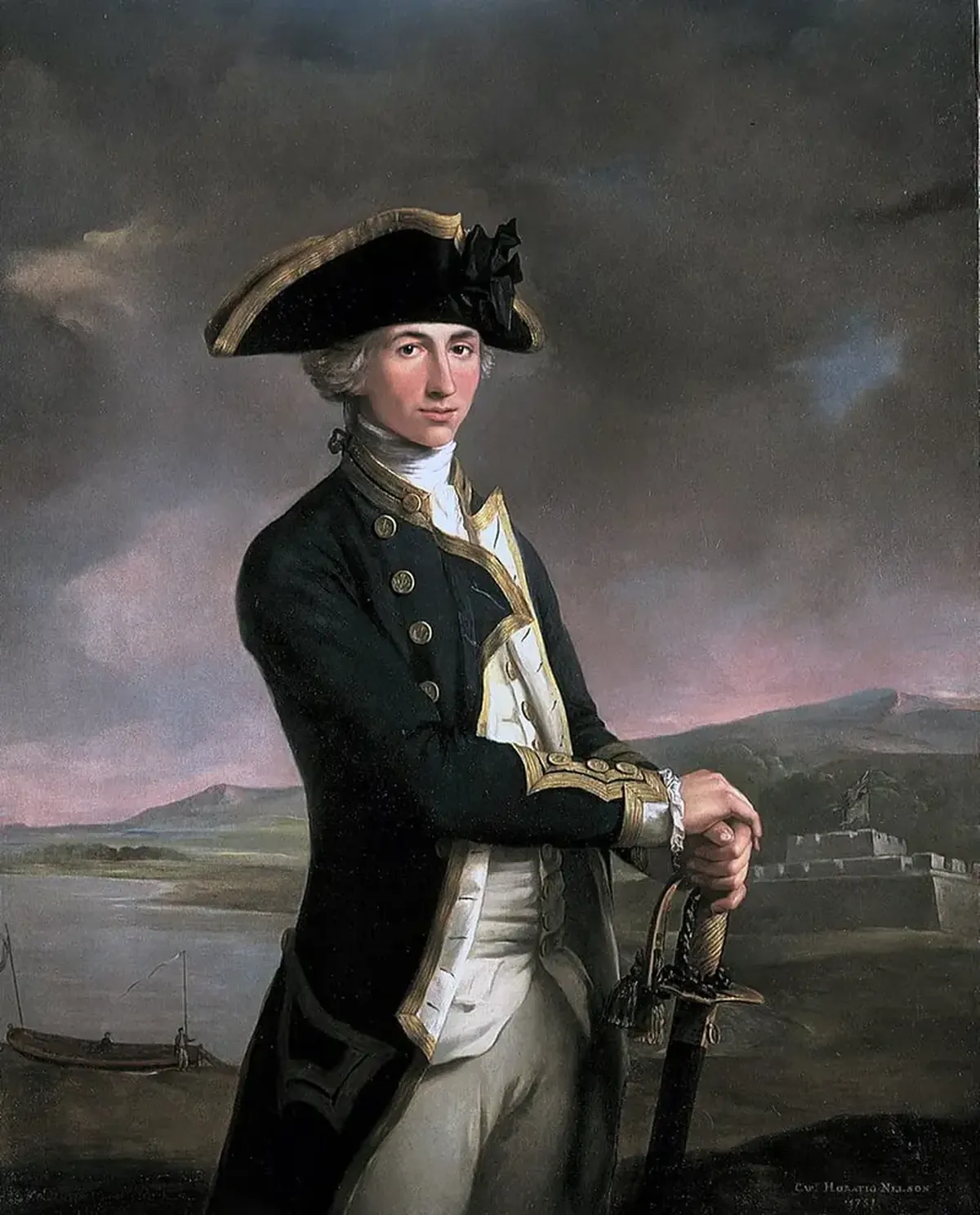
Admiral Nelson, painted by John Francis Rigaud, 1781.
Igniting a spark in the heart of a battle-scarred naval commander was not hard for the experienced seductress. Even after a life of comfort had softened the once-slender bacchante, Emma still attracted the attention of a sailor who had seen more storms than tenderness. Nelson had sailed as a cabin boy at 12 and become a captain by 20. When he returned from another victory, battered from fighting the French, people streamed to the shore cheering. That was also true on September 22, 1798, when he arrived in Naples. Hundreds of Italians gathered at the port, but Nelson’s attention landed on only one woman, whom he would call “the best in the world.”
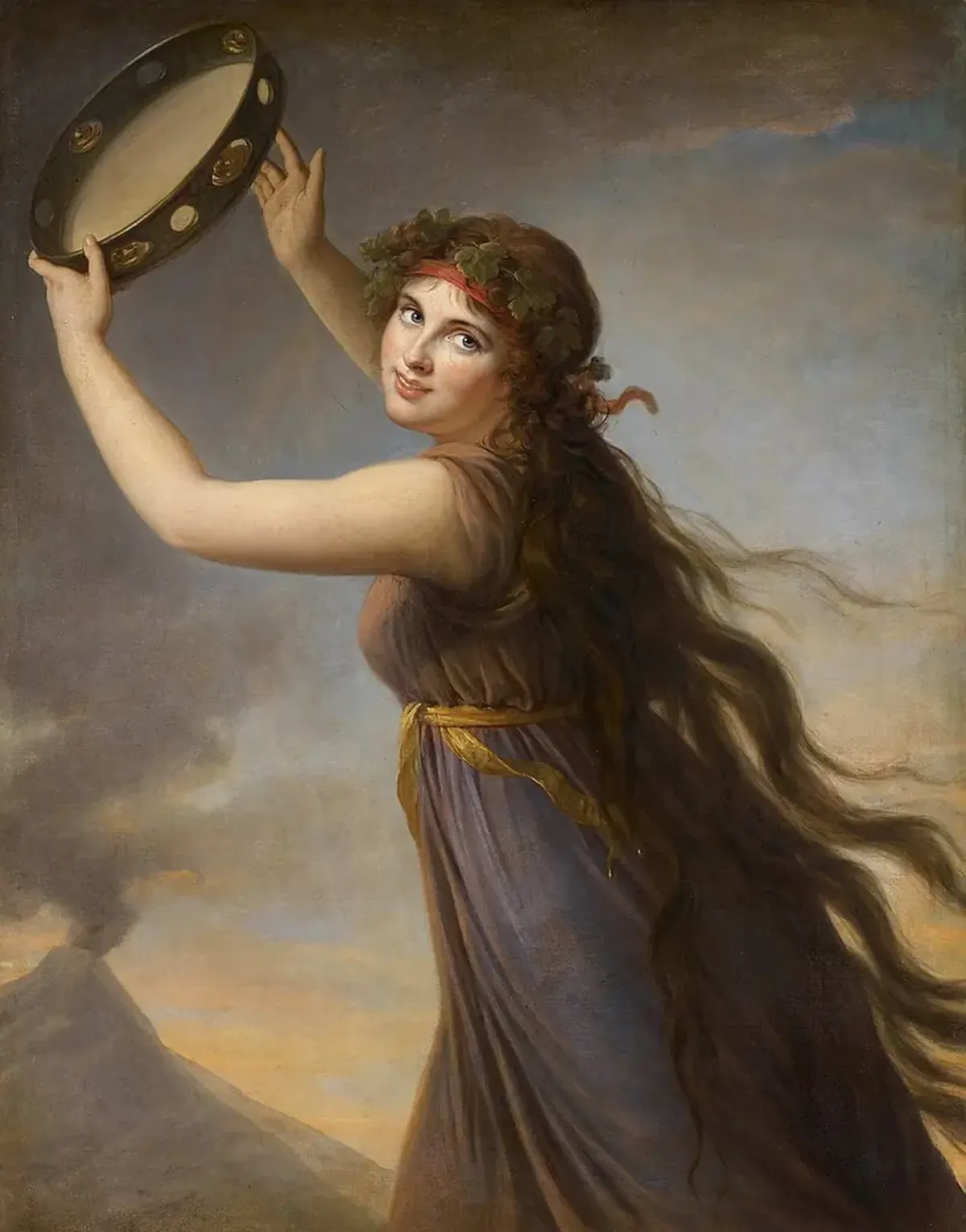
Lady Hamilton as a Bacchante, Élisabeth Louise Vigée Le Brun, 1790–1791.
The Love Triangle
When Nelson arrived at the ambassador’s residence, Lady Hamilton was the first to throw herself into his arms and whisper, “Is this possible?” At the residence Emma tended to the wounded guest, changing his bandages, never leaving his bedside, and entertaining him with stories about local traditions. The longer they spoke, the clearer it became to Nelson how happy she made him. “I have never met anyone equal to you,” he would write to the woman six years his junior.
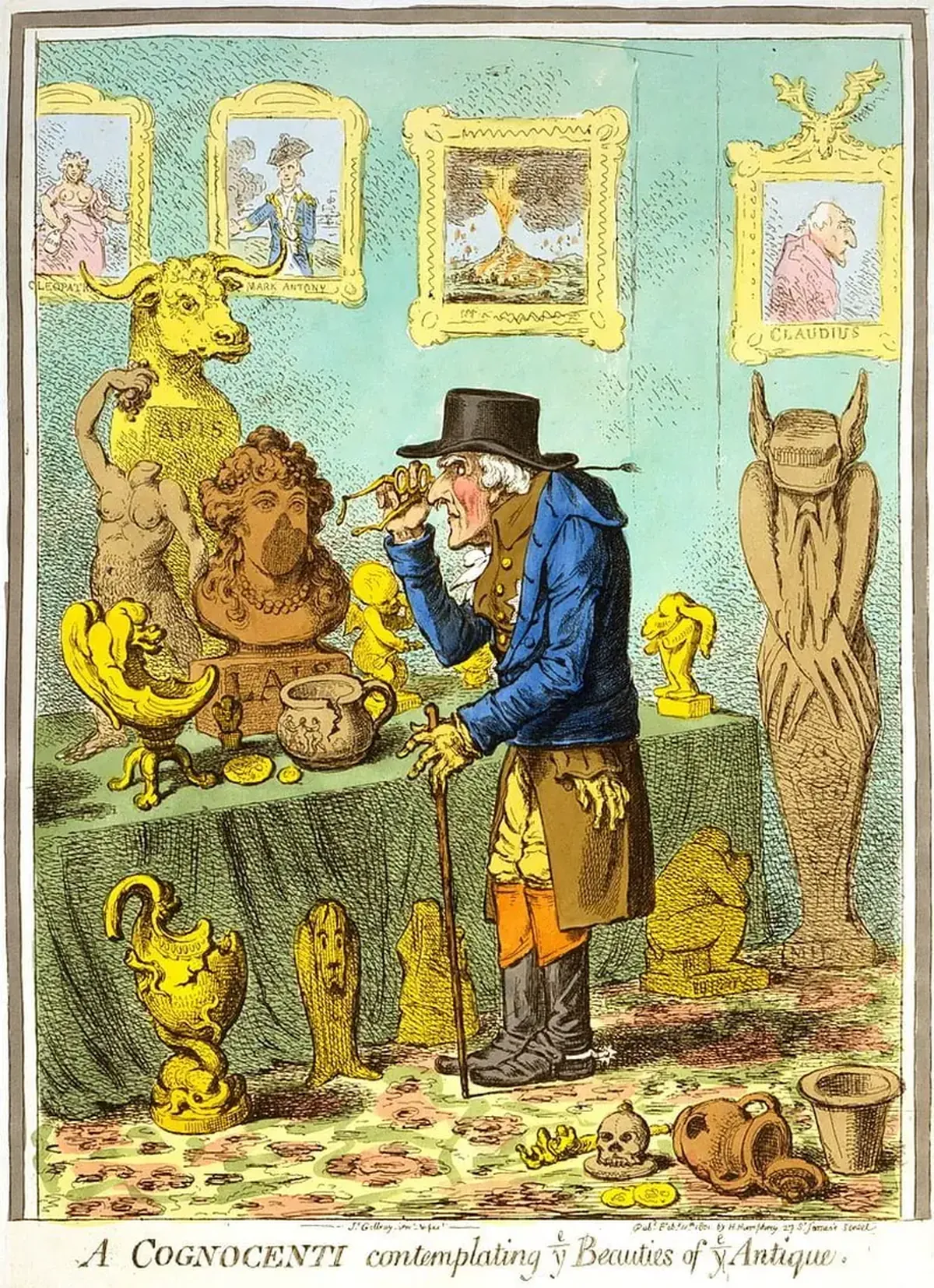
James Gillray caricatured Sir William’s attitude toward the affair between Emma and Nelson. Emma is depicted as “Cleopatra” in the upper left corner, while Nelson is “Mark Antony” nearby.
In 1800 Nelson and the Hamiltons returned to England and the scandal reached the newspapers. Sir William seemed outwardly calm; the legal husband of the unfaithful woman appeared untroubled by the love triangle. In 1801 Emma gave birth to a daughter by Nelson and named her Horatia. Sir William died in 1803, leaving his estate to his nephew, who then evicted Emma from the house she had occupied.
The Unfulfilled Will
After Sir William’s death, Lady Hamilton moved in openly with Nelson at a country house he bought on the southern outskirts of London, in Wimbledon. Nelson had left his family in 1801 and had sought a divorce, but it never came before his death. As he sailed to his last battle at Trafalgar, he asked Emma, “Love me as strongly as I love you, my dear, and let there be no happier couple in the world than us.”
Lady Hamilton depicted as Ariadne, Élisabeth Louise Vigée Le Brun, c. 1790. The painting belonged to Nelson and hung above his bed.
On October 21, 1805, Nelson, then 47, received a fatal wound aboard his ship; a sniper’s shot found him amid the glare of battle medals Emma had polished before the campaign. It is believed his last words were, “I bequeath Lady Hamilton and our daughter Horatia to the nation.” The country mourned its hero, who was buried in St. Paul’s Cathedral in London with honors for Trafalgar. Yet the state did little for Nelson’s unofficial family. After his death his illegitimate daughter was placed in the care of the admiral’s sister, and Horatia grew up uncertain of her parentage. On her gravestone she was called “the adopted daughter of Horatio Nelson.”
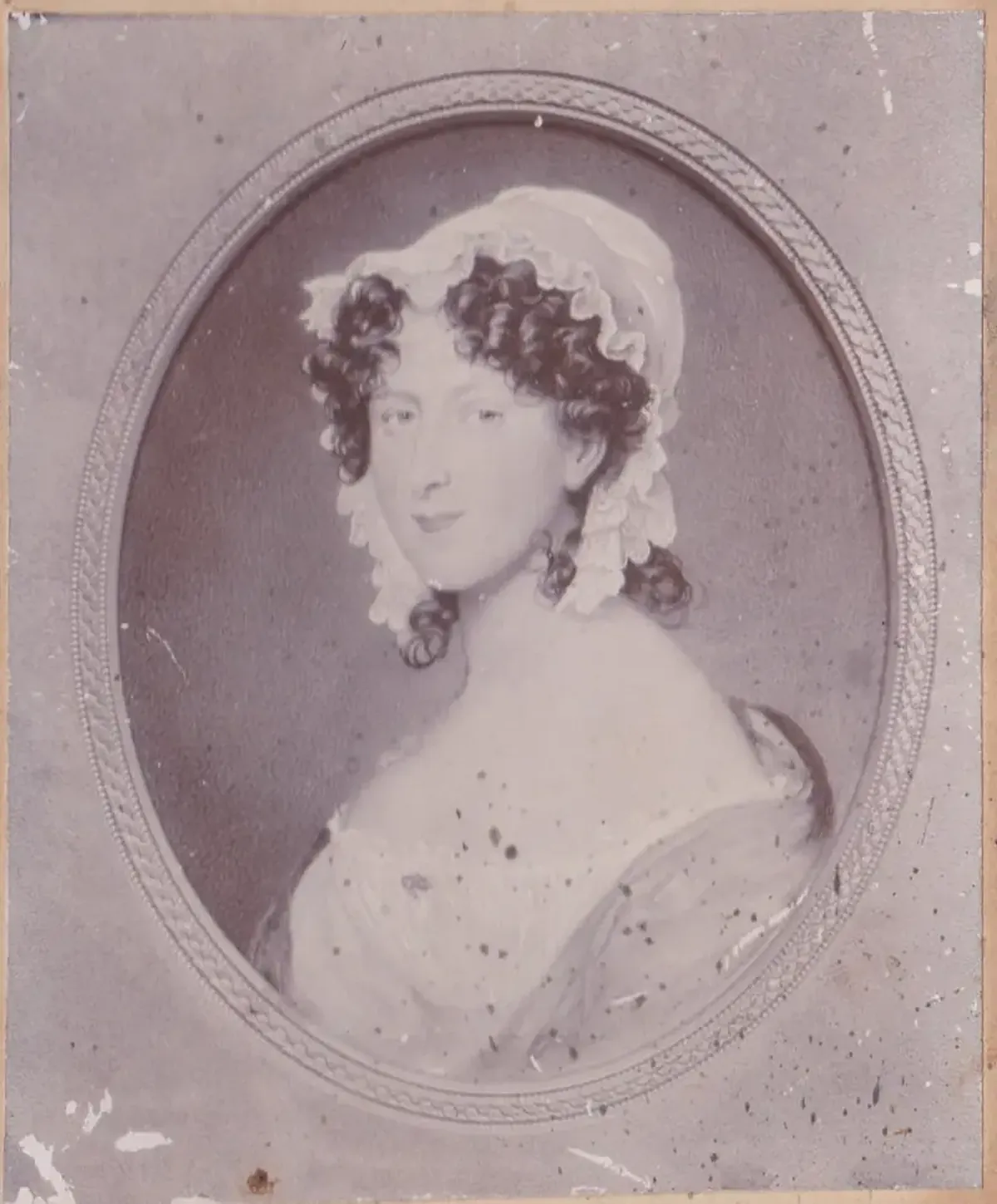
Horatia, daughter of Hamilton and Nelson
A Slave to Love
After Nelson’s death, Emma Hamilton was largely abandoned. She was even barred from attending his public funeral, and the queen had long forbidden the court from receiving her. The government granted a pension of £2,000 to Nelson’s official widow (Fanny remained his legal wife), but nothing comparable to Emma. By 1813 the woman who had once moved in elite circles was in deep financial trouble: she lost the Wimbledon house to the heirs, moved from cheap lodgings to poorer ones, and in her final days lived in an attic. She sold cherished possessions—including a silver locket Nelson had given for their daughter’s birth and the admiral’s uniform—to pay creditors.
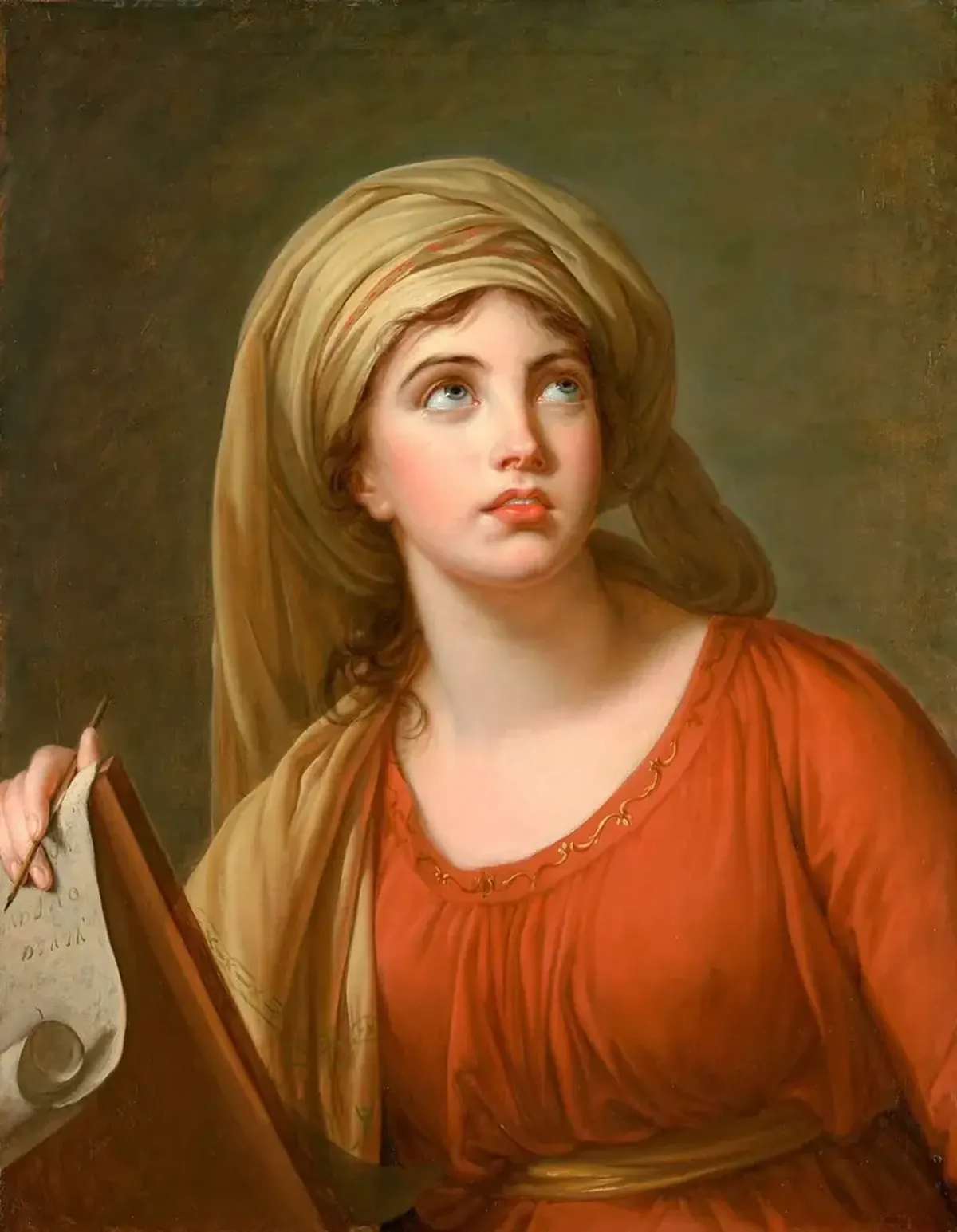
"Lady Hamilton as the Persian Sibyl," 1792, Vigée Le Brun, commissioned by the Duke de Brissac in Naples.
Pressed by creditors, Lady Hamilton was imprisoned and, after her release, fled to France to escape new pursuers. There she drank not champagne or Scotch but the cheap “swill” of port workers. Facing the threat of a return to debtors’ prison, Emma withdrew to Calais, where she died of dysentery on January 15, 1815. She was 50 and, by then, felt unwanted and neglected—except by her collectors.
