
 Gaby
Gaby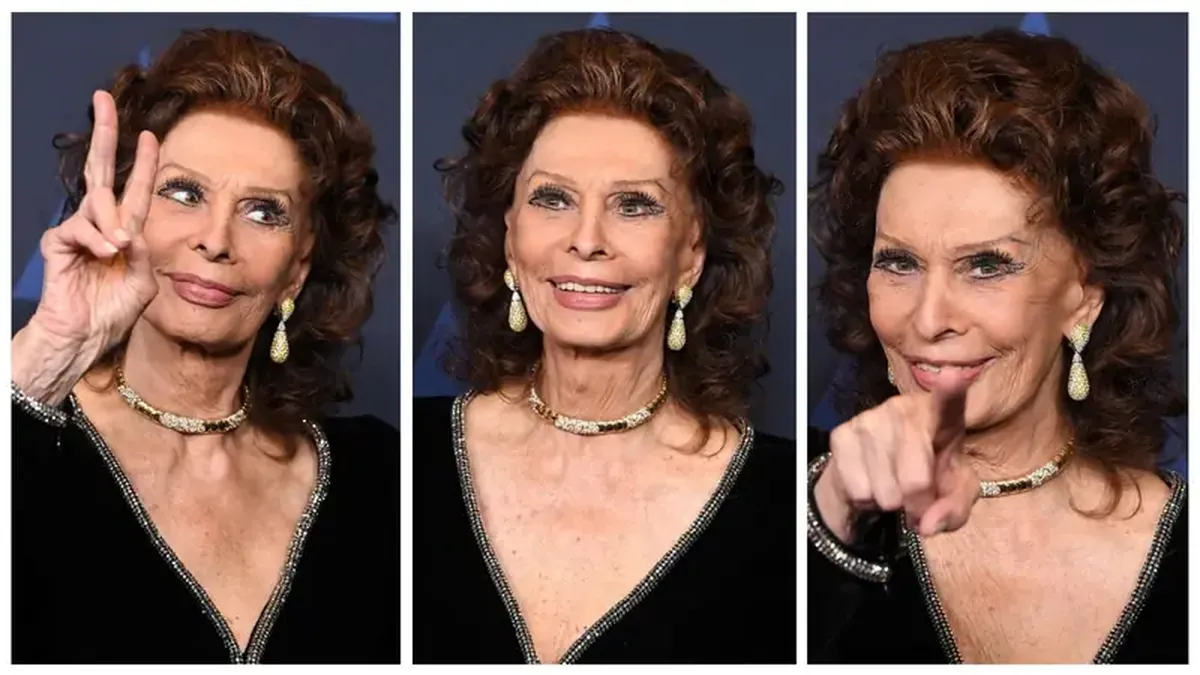
“The resources of youth are intellect, talent, and creativity,” the actress says, still dazzling on glamorous red carpets. “If you learn to harness this source, you can truly conquer age.”
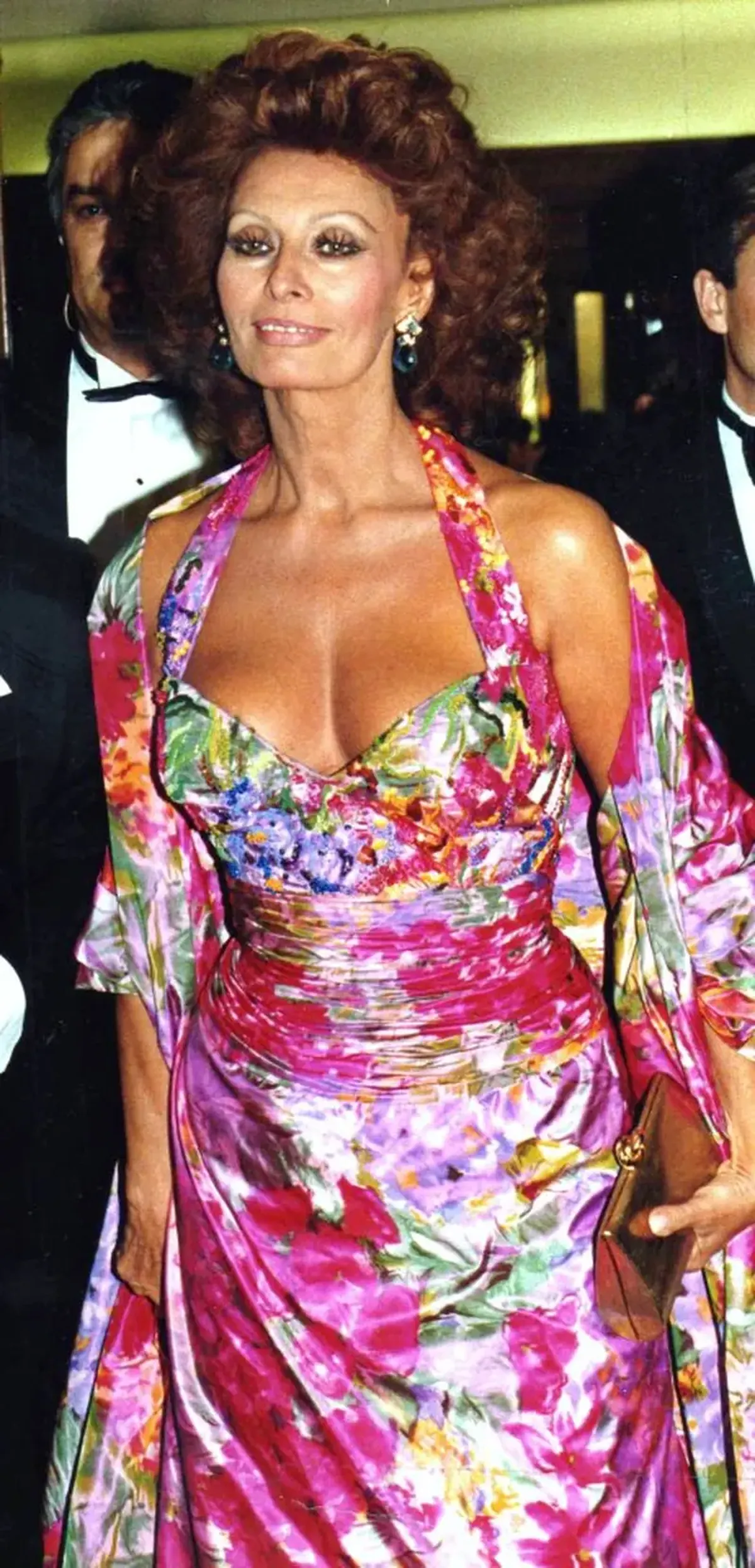
The “Cinderella” from Pozzuoli
Sofia Costanza Brigida Villani Scicolone, the illegitimate daughter of a music teacher, was born on September 20, 1934, in Rome. Shortly after her birth, she and her mother moved to the fishing village of Pozzuoli near Naples. Her early years were spent in a modest grandmother’s cottage, memories of which always brought tears to the actress’s eyes. When she later needed a melancholic mood for a role, she would mentally return to her childhood and youth. The sound of air-raid sirens gave the nine-year-old excruciating headaches. “The bombing alerts forced us to seek refuge in a railway tunnel,” Sofia Loren recalled in her memoirs. “I never had a coat, and the rare joy of childhood came from the shoes I managed to get before winter. For many years, we survived on just soup, and during the war our daily ration was 100 grams of bread. My acquaintance with hunger led to the habit of falling asleep with a piece of bread in my hand, which even happened at the beginning of my film career — it was my assurance of a better tomorrow.”
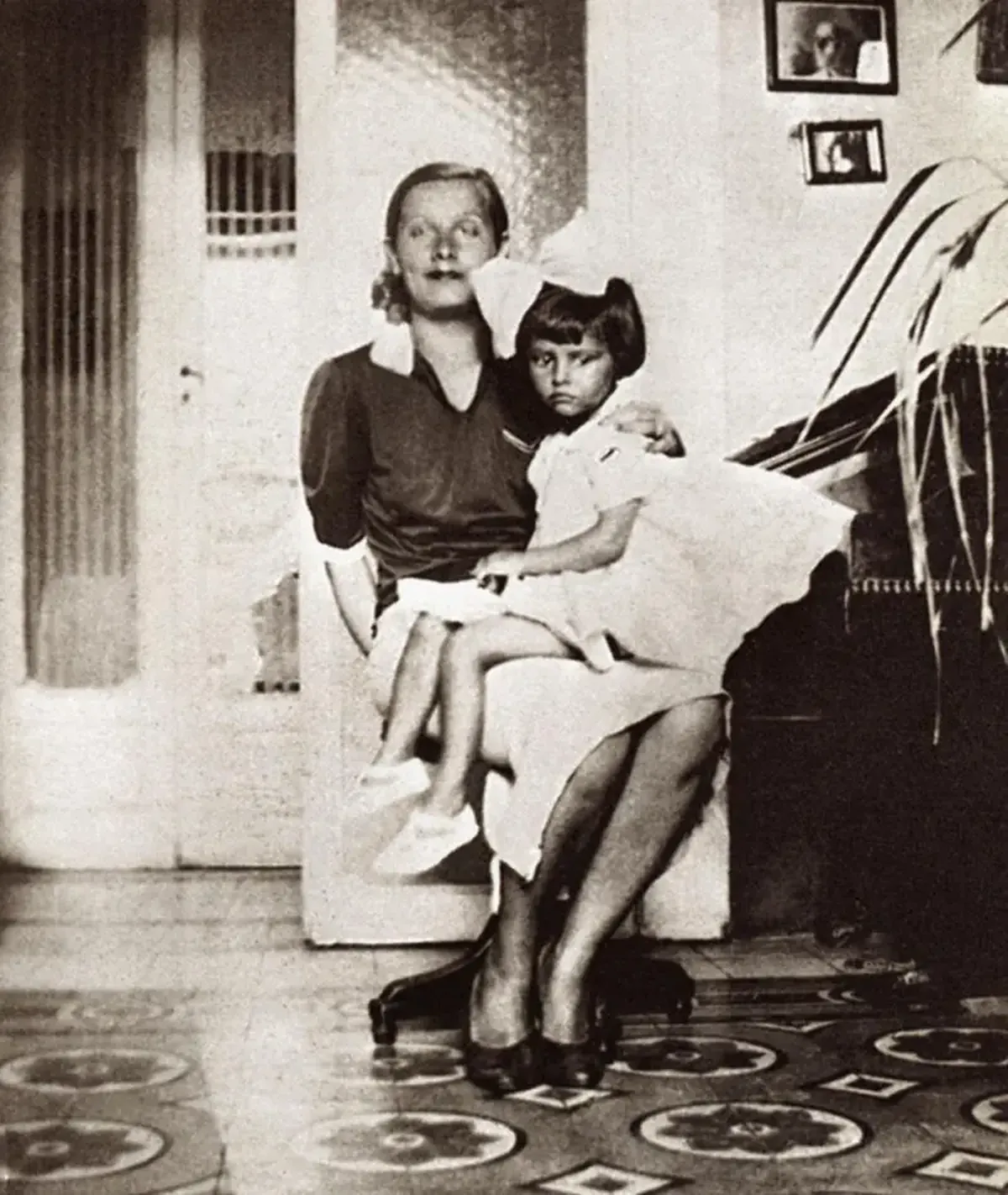
Her father never married her mother. To support her two daughters, the single mother played piano in a tavern, where young Sofia worked as a waitress. Despite their hardships, her mother instilled big ambitions in her children and always supported their hopes of rising above their circumstances. Sofia’s younger sister, Anna-Maria Scicolone, would become a singer and television host and later married into the Mussolini family (Sofia Loren is the niece of Alessandro Mussolini, a well-known right-wing Italian politician and grandson of Benito Mussolini). As for Sofia, she eventually earned a million-dollar fee for a role in a not-so-successful film. She achieved both career heights and family happiness, leaving her native Italy for love. In marital fidelity and mutual support, the Neapolitan “Cinderella” lived with her benefactor “prince” for half a century, until his death at 94. In Sofia Loren’s biography there were no betrayals or personal scandals, aside from the difficult journey the couple took to find each other.
Beauty and Career
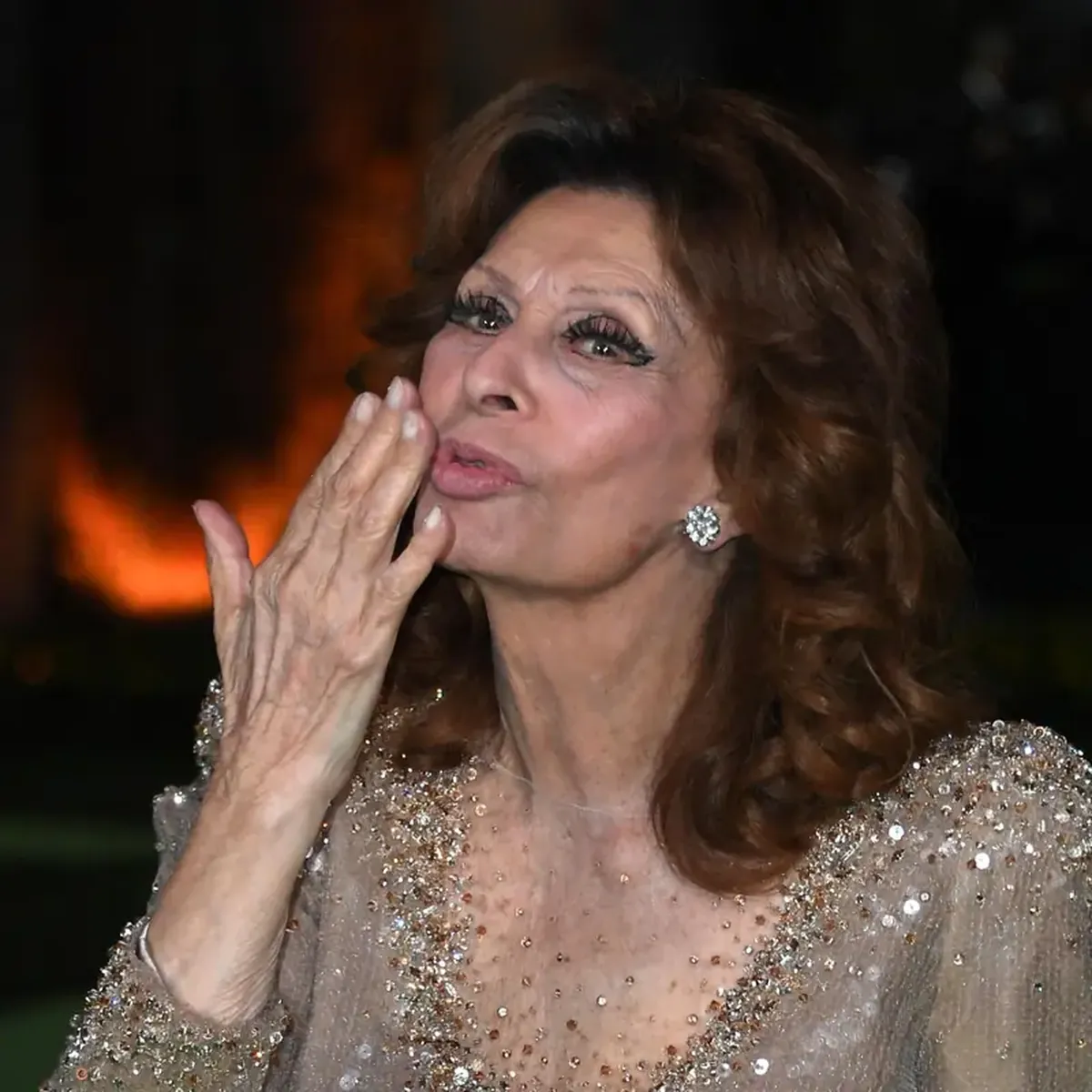
As the Archbishop of Genoa joked — while disapproving of human cloning in general — the Vatican might make an exception for one person: Sofia Loren. With her expressive eyes (“Eyes that have never cried cannot be beautiful”), sensual lips, voluptuous figure, and slender waist, she is recognized as one of the most enchanting women on the planet. The postwar pressure to be thin and her tall stature (174 centimeters was considered unusual for women then) earned young Sofia the nickname “Stichetto,” meaning “stick.” That appearance became an advantage: she attracted attention from men from her teenage years. After winning her first beauty contest at 14, the holder of the title “Princess of the Seas” moved to Rome with her mother, where they both worked as extras in films. At the next beauty contest, “Miss Italy,” a special title of “Miss Elegance” was created just for participant Sofia Scicolone. At a subsequent contest, the young beauty met film producer Carlo Ponti, who, according to the actress, “gave her life a new meaning.”
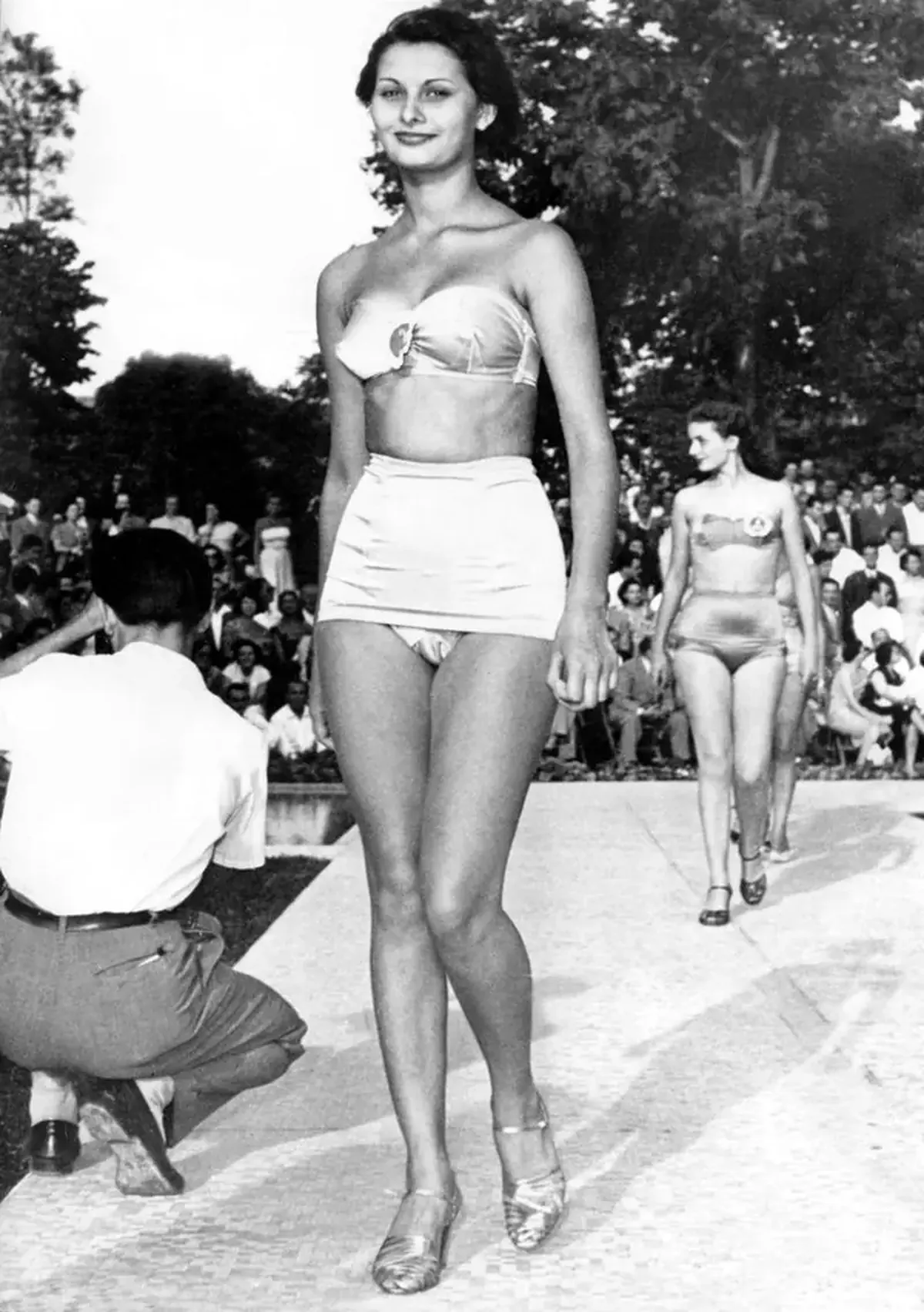
Sofia Scicolone at the age of 15 at a beauty contest in Naples
The manager was 22 years older than his protégé and had a keen sense of what contemporary audiences wanted. After the war, people craved pleasant spectacles, and the experienced producer decided to turn the shapely girl into a new sex symbol of Italian cinema. Initially, her fate was tied to low-quality films with little artistic merit. Sofia appeared on screen half-naked, shot topless at times, and her main requirement was simply to be visually appealing: the producer fixated on her long nose and planned to resolve that issue with plastic surgery. Soon the more pressing task for her mentor became buying back copies of those early films that didn’t fit her new reputation. “You have to try many things in life so that later there’s something to forget,” the star would later say with a mysterious smile. Perhaps with that in mind, the producer stripped his protégé of her former pseudonym Lazzaro and gave her the new name Sofia Loren (later she would adopt the French form Sofia, as the couple acquired French citizenship for their marriage).

Loren in the film “Yes, Yes! It’s Him!” (1951)
Ponti and the Pontiff
Coming up with a stage name for the actress, finding the best directors, securing lucrative contracts with film studios, and promoting his protégé in Hollywood proved easier for the married producer than resolving his own divorce and officially formalizing his new relationship. The couple had to marry secretly in Mexico, and it took ten years to formalize their union in Italy. Ponti’s divorce from his first wife was complicated by the church. For a decade, the prominent cultural figure was in conflict with the Pope himself. Although his previous wife did not oppose the divorce and was present at the ceremony in Mexico, under Italian law the couple remained married because divorces were prohibited in Italy. The press began to brand the producer a bigamist. Ponti was even labeled a “seducer of minors,” although at the time of their engagement in 1957 the bride was 23 years old. In 1962, the marriage between the actress and the producer was finally annulled in Italy.
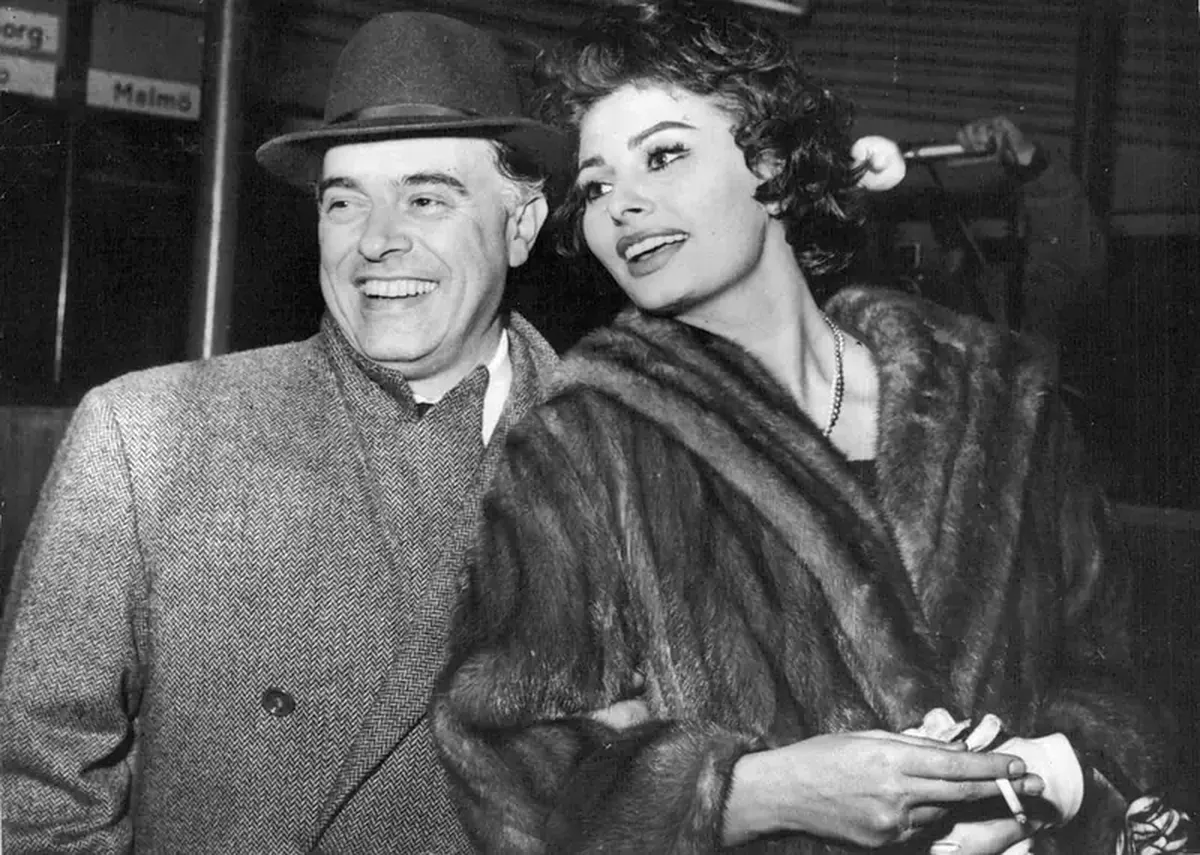
Carlo Ponti and Sofia Loren (1958)
The only practical solution was to leave Italy. Four years later, Ponti and both of his wives surrendered their Italian passports and acquired French citizenship — all to resolve their matrimonial issues. The producer’s determination was fueled by jealousy: Sofia Loren’s apparent flirtation with her co-star Cary Grant reportedly upset him. Whether the actress was genuinely in love with her colleague remains unknown to outsiders. But the choice was clear: Sofia Loren and Carlo Ponti stuck with family. The star couple never gave reporters any reason to suspect infidelity, even though the young wife, in her prime, starred alongside the era’s sex symbols: Jean-Paul Belmondo, Marcello Mastroianni, Clark Gable, Paul Newman, Frank Sinatra, Cary Grant, Peter Sellers, Anthony Perkins, Anthony Quinn, Charlton Heston, Alec Guinness, Gregory Peck, Marlon Brando, Peter O’Toole, Richard Burton, and Jean Gabin.
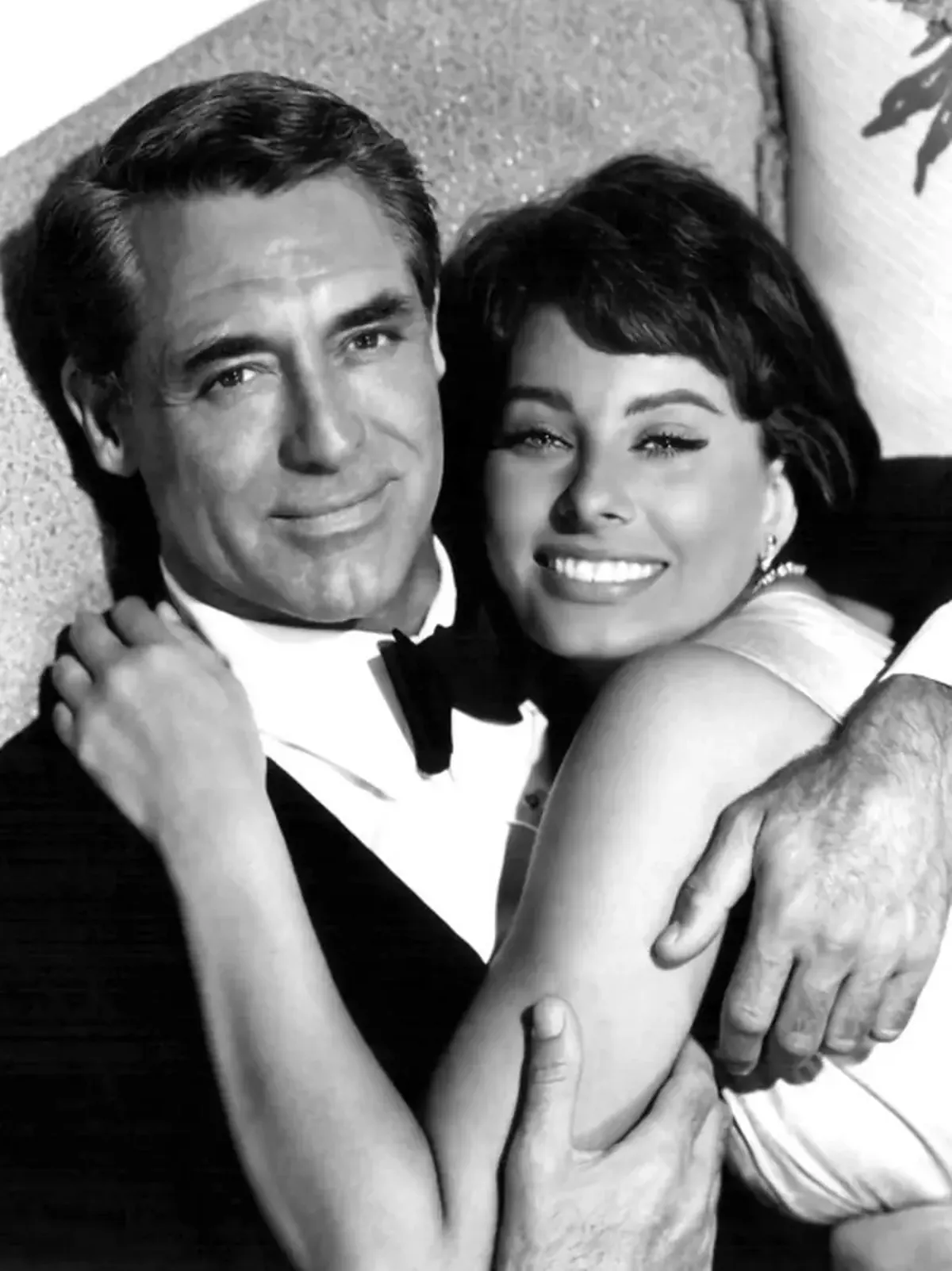
With Cary Grant on the set of the film “Houseboat” (1958)
Sofia Loren’s Films
By 1954, 20-year-old Sofia Loren was already a star, vying for the top spot in Italian cinema with her renowned colleague Gina Lollobrigida (the competition for roles did not foster friendship between the actresses). From the 1950s onward, Carlo Ponti’s protégé began receiving invitations to American films shot in Europe. The next step was to conquer Hollywood. The producer decided it was time to showcase her in America. The new “sex goddess” made her U.S. debut in 1958 after a powerful promotional campaign. Ultimately, the famous Italian ranked 21st among the greatest stars in the history of American cinema. On the American Film Institute’s list, the actress was recognized for her commercial Hollywood roles rather than her outstanding European work. She was the first-ever actor to win an Oscar for Best Actress in a Foreign Language Film in 1962, and in 1991 she received an honorary Oscar for her brilliant cinematic career.
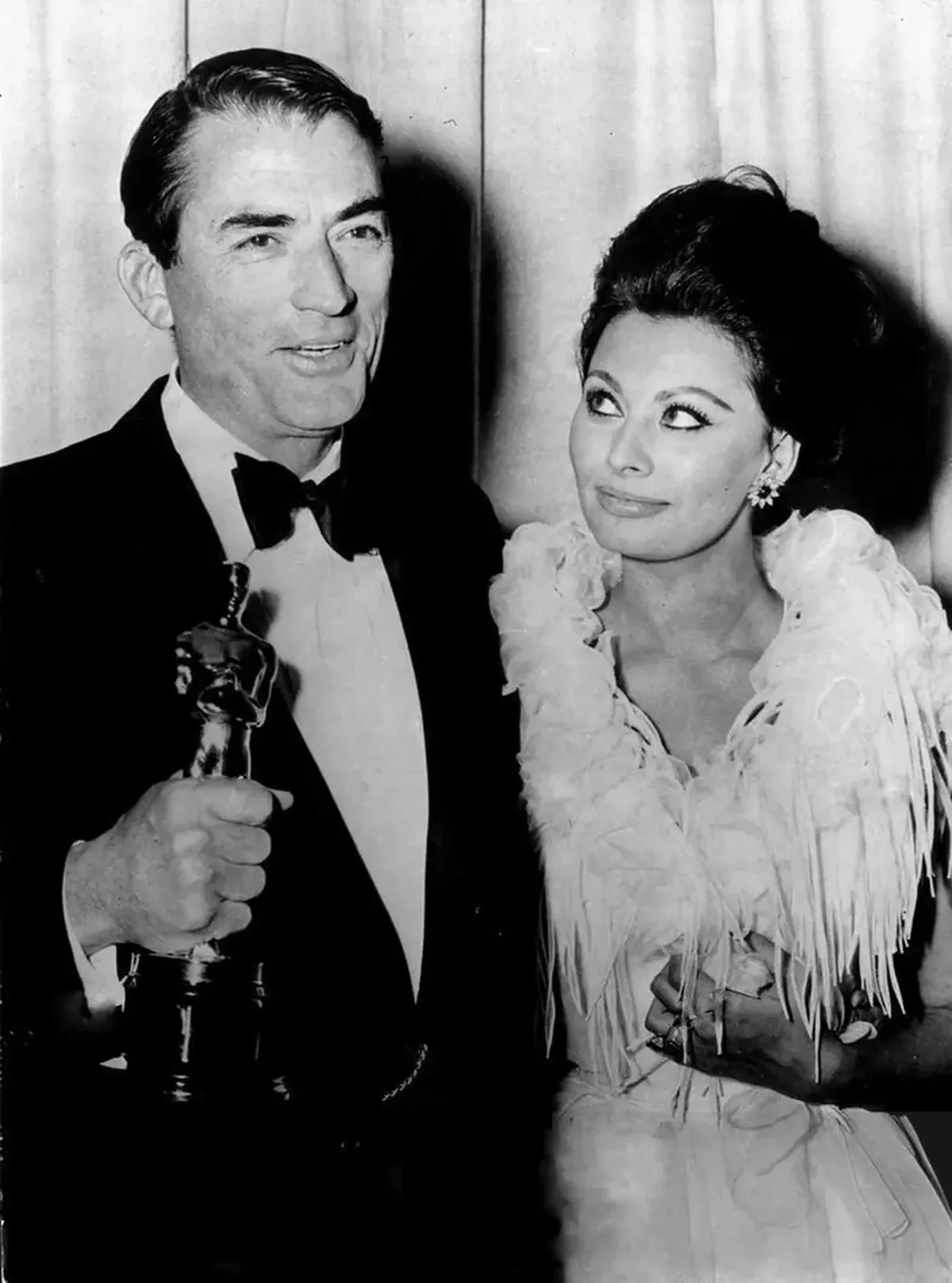
Gregory Peck and Loren at the 35th Academy Awards (1963)
Many believe that Hollywood at times vulgarized the actress, and she often had to return to Italy to take on her best roles. For most viewers, Sofia Loren became the embodiment of the Italian character. Those traits were recognized by the director who worked with her for more than 20 years — one of the main representatives of Italian neorealism and a four-time Oscar winner, Vittorio De Sica. In his films, Sofia Loren was convincing as simple yet strong women who heroically overcome life’s trials. With De Sica, the actress portrayed a comical Neapolitan vendor in the tragicomedy “The Gold of Naples” (1954) and a martyr widow in the war drama “Two Women” (1960). The tragic role of a mother saving her daughter during the war is still considered Sofia Loren’s unparalleled work in cinema. In a scene of violence, the actress’s emotional intensity has remained unmatched for over half a century, and she filmed it at age 26.
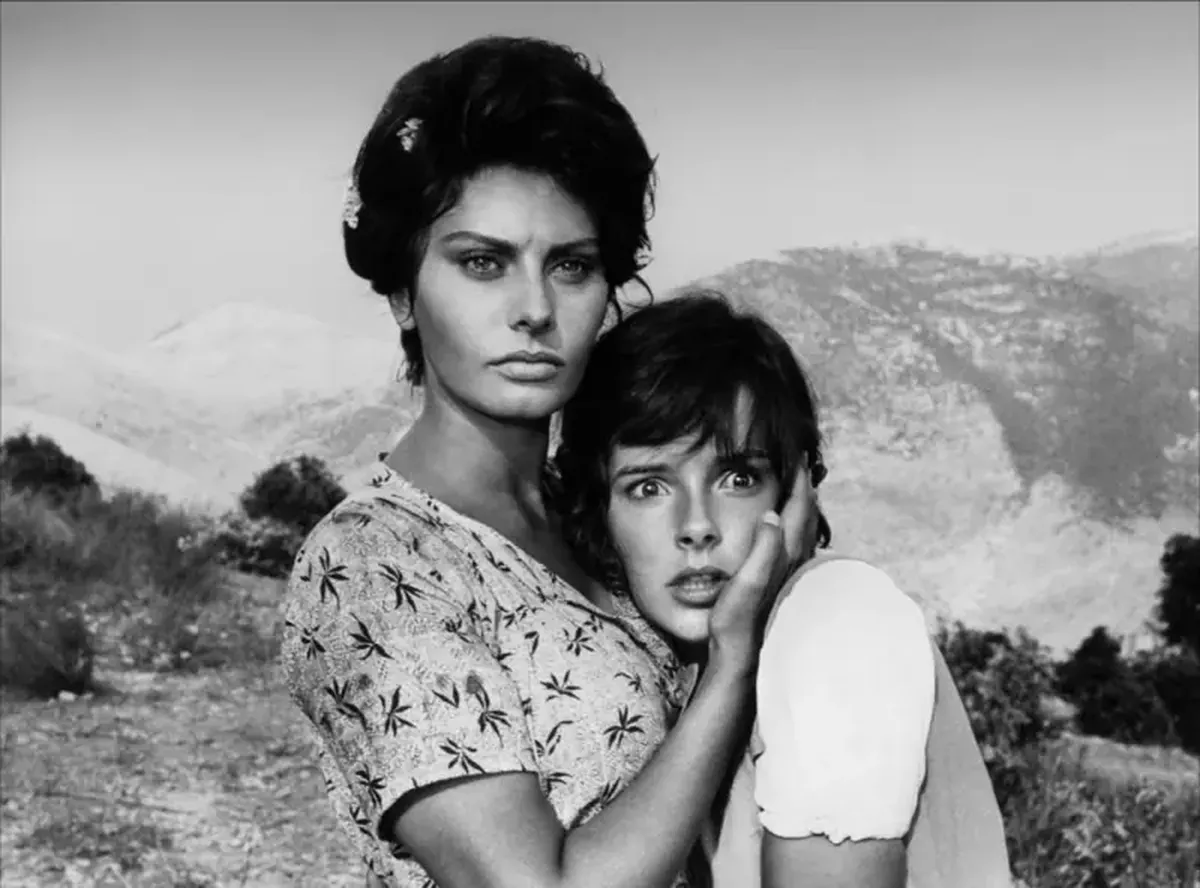
A scene from the film “Two Women”
Public Favorite
After winning at Cannes and receiving an unprecedented American Oscar, the star was in high demand for Italian, English, and American films. Sofia Loren revealed her dramatic potential in works by Vittorio De Sica, Ettore Scola, Alessandro Blasetti, Charlie Chaplin, George Cukor, and Lina Wertmüller. From 1958 to 2002, Sofia Loren won multiple prestigious awards at international film festivals in Venice, Cannes, and Berlin, received the Best Actress award in San Sebastián, and earned five Golden Globes in the special category “Favorite of the Public.” Between films, the actress experienced two miscarriages, underwent infertility treatment, and endured difficult pregnancies for her two sons: Carlo was born when she was 34, and Edoardo when she was 38. One son became a successful conductor, while the other is a film director who occasionally casts his legendary mother in his films.
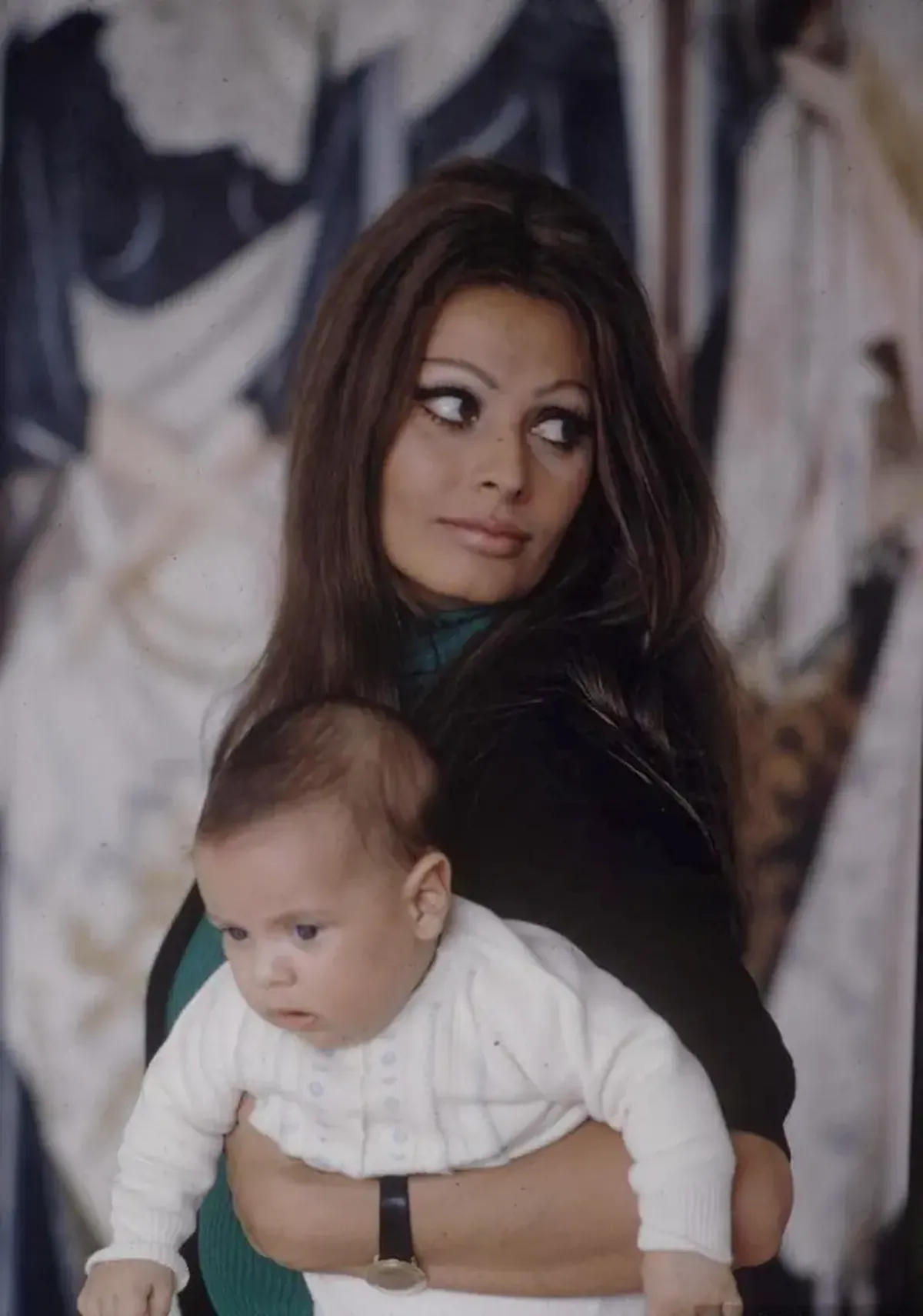
Loren with her young son Carlo
For the sake of her children, Sofia Loren paused her film career, spending six months in hospitals to protect complicated pregnancies and immersing herself in motherhood. When her film popularity began to wane, her husband suggested she write an autobiographical book; her next publication combined memories with culinary recipes. Strained relations with Italian authorities eventually made it difficult for the family to stay in Italy. In 1979, Carlo Ponti was sentenced to four years in prison and fined $26.2 million for attempting to smuggle $6 million and a valuable collection of artworks abroad. Since Ponti was already a French citizen, France did not extradite him to Italy. Similar troubles awaited Sofia Loren: in 1982 she was sentenced to 18 days in prison for tax evasion.
A Lifetime Ahead
At the same time, the star did not shy away from charity: she helped the children of fishermen from a poor Italian village, perhaps because they reminded her of her own difficult childhood in a fishing community. In 1992, Sofia Loren, as a UNICEF Goodwill Ambassador, drew global attention to refugee camps and orphans in Somalia. After permanently relocating from Italy in 1980, Sofia Loren has divided her time between the U.S. and Switzerland. Her sons grew up in America (their family ranch “Thousand Oaks” is near Los Angeles), while Sofia Loren keeps a home in Geneva filled with antiques, Persian rugs, and valuable porcelain. The actress enjoys life: at 72 she posed for a Pirelli calendar, and at 80 she stunned the Parisian public with her figure on Giorgio Armani’s runway. In recent years, Sofia Loren launched her own perfume line, became the face of a Dolce & Gabbana fragrance (Dolce Rosa Excelsa), and represented the Sophia Loren jewelry collection by Damiani. She eagerly participates in photo shoots and promotional tours, frequently appearing on television and at film festivals.
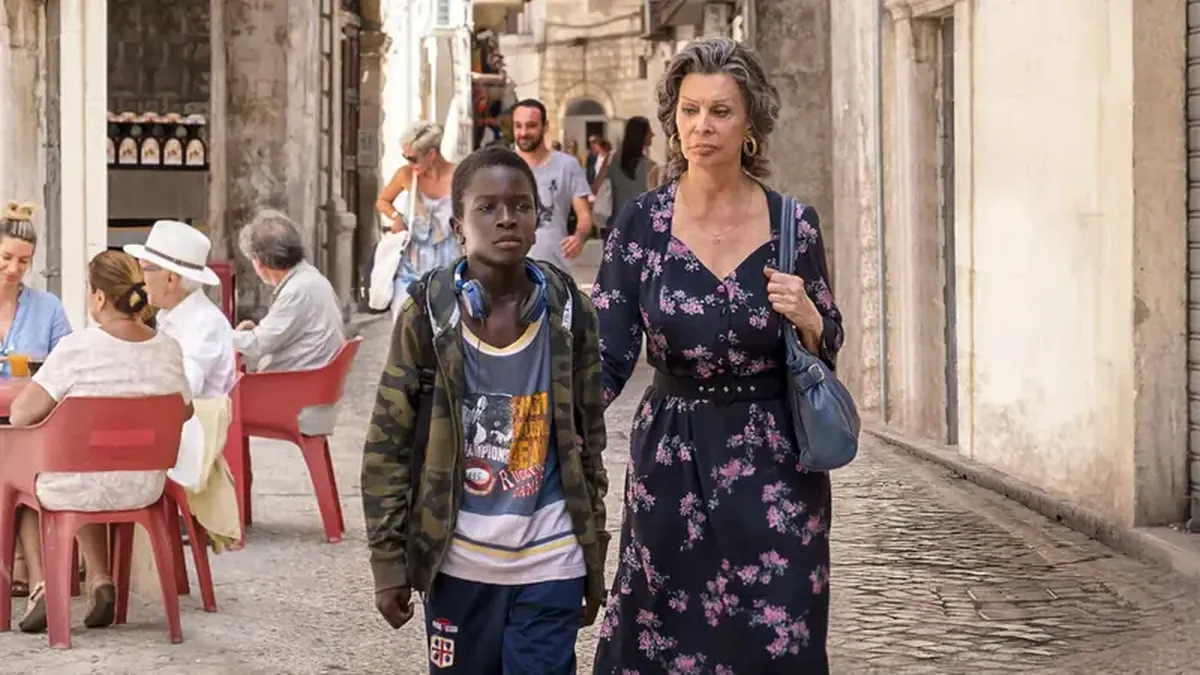
In 2002, Sofia Loren played her first leading role in the film “Between Us,” directed by her son Edoardo Ponti. In 2020, she became a Netflix star with a new role in the film “The Life Ahead,” also directed by Edoardo Ponti. The drama featuring mother and son ranked among the top ten most popular film premieres on Netflix in 37 countries. In 2021, Sofia Loren received her seventh David di Donatello national award for this work — Best Actress, 60 years after her first win in the same category. “My philosophy is that it’s better to experience life, making mistakes, than to do nothing out of fear of criticism,” Sofia Loren says, adding, “Even in my youth, I didn’t consider beauty to be a woman’s only virtue, so I’m not afraid of wrinkles — the future of the world concerns me more than my own old age…”
