
 Carlos Solis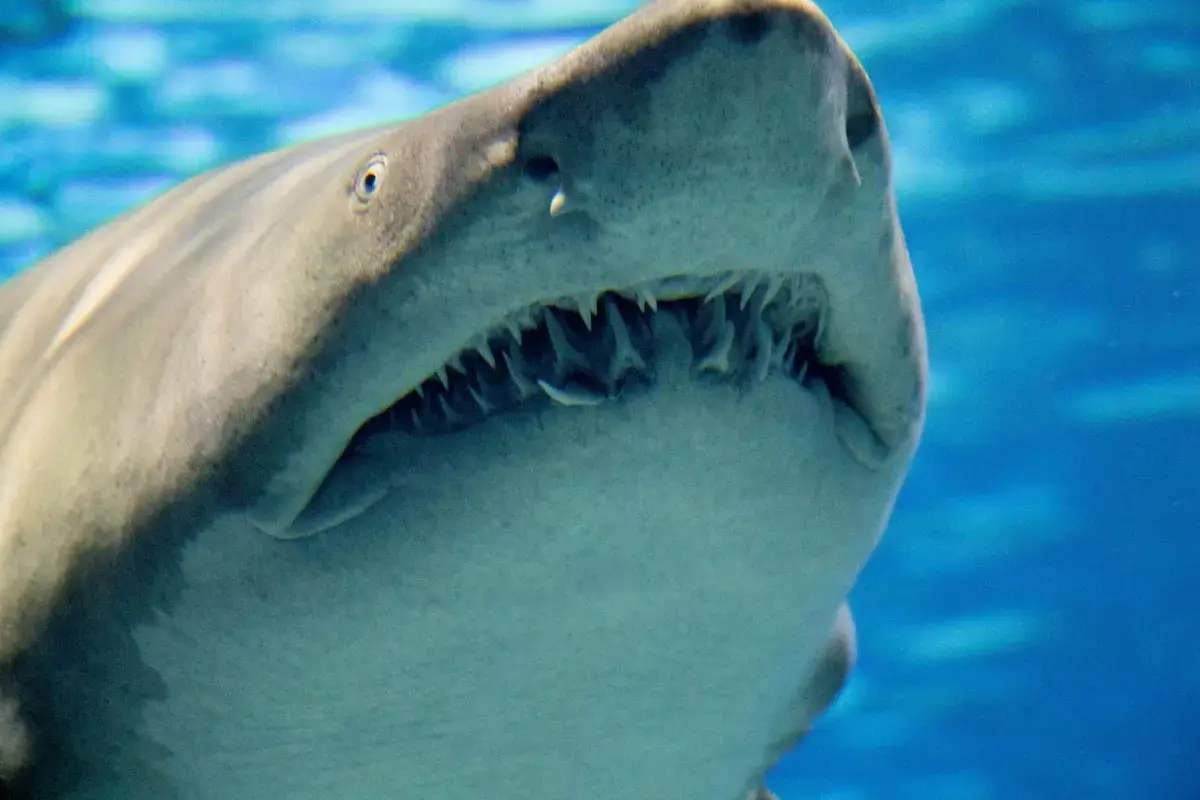
Due to climate change, the oceans are becoming increasingly acidic. This, in turn, is causing shark teeth to deteriorate at an alarming rate.
This alarming finding comes from researchers at Heinrich Heine University Düsseldorf (HHU). Sharks, as apex predators, rely heavily on their teeth as essential tools. However, ocean acidification is weakening those teeth and causing rapid decay.
“This high-tech weapon is designed for slicing flesh, not for withstanding ocean acid. Our results show just how vulnerable even nature’s sharpest tools can be,” said study leader Maximilian Baum.
Baum says that while sharks continuously shed and replace their teeth, the deteriorating state of the oceans could damage teeth faster than sharks can replace them.
As climate change causes oceans to absorb more carbon dioxide, they are becoming more acidic. Currently, the oceans have a slightly alkaline pH of 8.1. By the year 2300, that level could drop to 7.3.
As part of a student project published in the journal Frontiers, Baum’s team investigated how this change could impact marine life.
What Did the Study Reveal?
Since animals regularly shed their teeth, the team easily collected hundreds of blacktip reef shark teeth from aquariums housing the sharks.
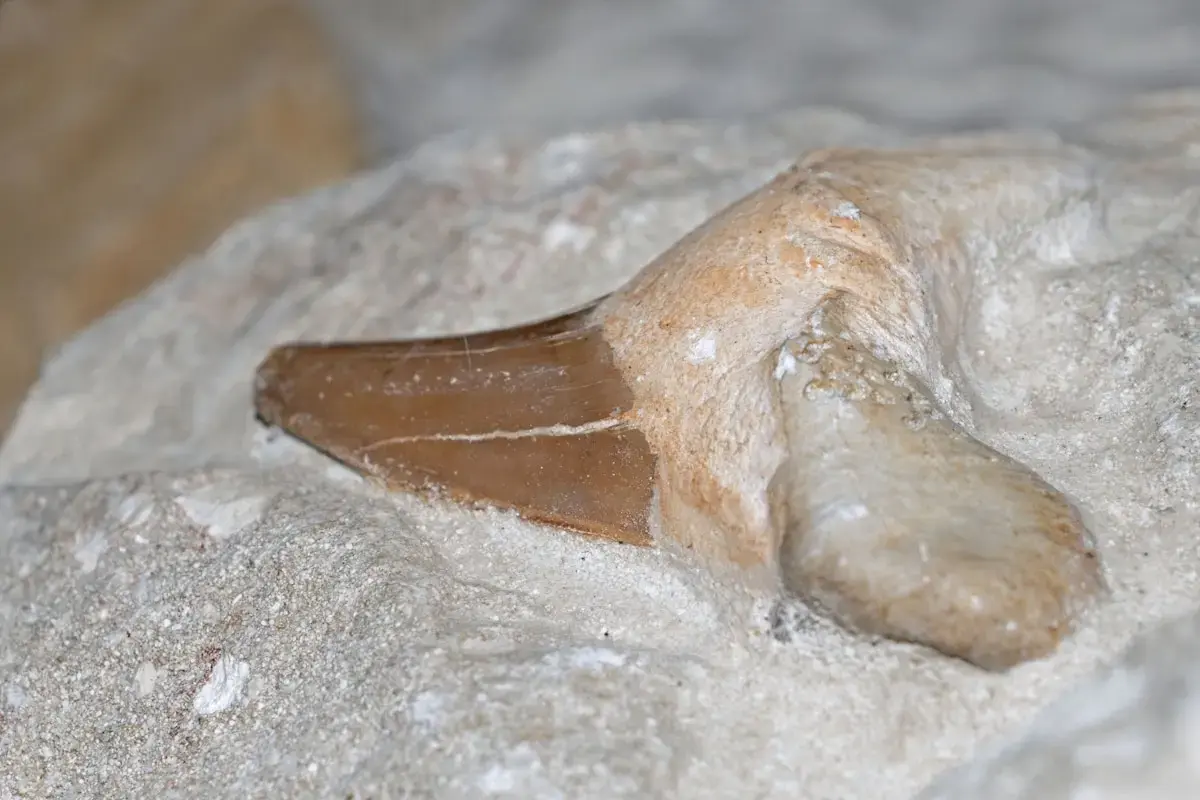
During the experiment, biologists placed about 50 intact teeth in containers filled with water at varying pH levels and left them there for eight weeks.
An examination at the end of the experiment revealed that teeth in more acidic water were significantly more damaged, as reported by Science Focus.
“We observed visible surface damage, such as cracks and holes, increased root corrosion, and structural degradation,” said Professor Sebastian Fraune, director of the HHU Zoology Institute.
The acidic water also made the surfaces of the teeth rough and uneven. While surface roughening might alter a shark’s cutting ability, the teeth’s structural integrity was nevertheless compromised. They were on the brink of destruction.
Baum said maintaining the ocean’s pH close to the current average of 8.1 could be crucial to preserving predators’ teeth.
This provides further evidence that the detrimental effects of climate change are spreading across food chains and ecosystems.
Photo: Unsplash
