
 Carlos Solis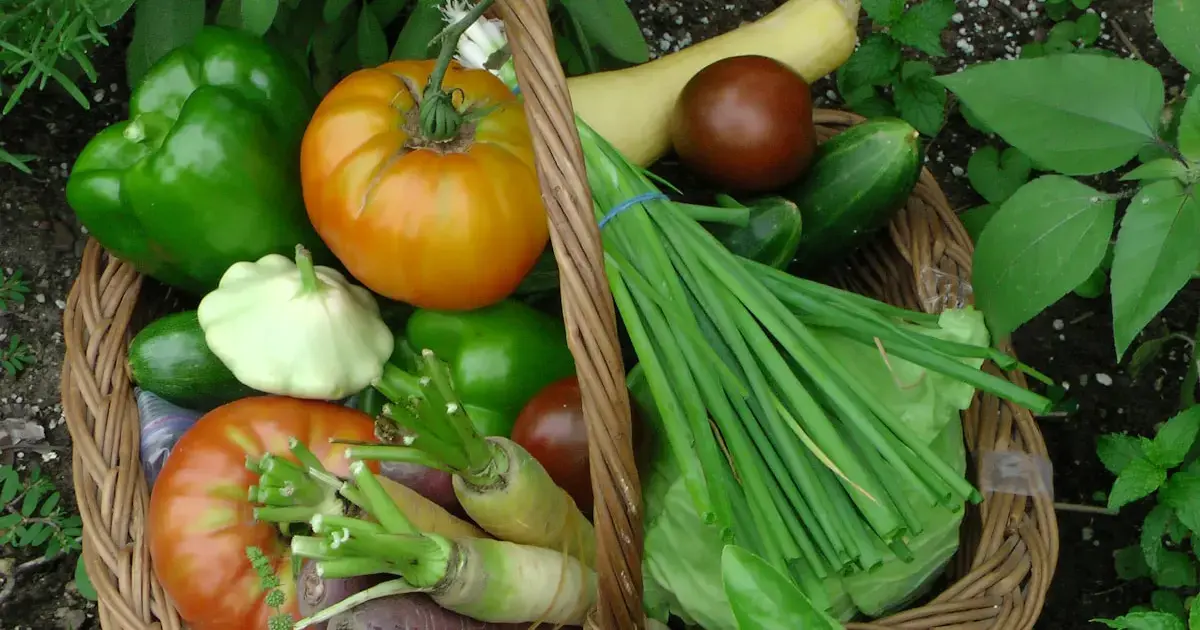
In recent years, there’s been a growing trend toward eating green-colored foods — unripe berries, green fruits and vegetables, and fresh juices made from leafy plants. Social media influencers and inventive restaurateurs have made chlorophyll-rich dishes a signature of “advanced” menus. But this isn’t new: chlorophyll has been promoted as a superfood for more than half a century. It’s also familiar to cosmetologists and perfumers, who have produced chlorophyll-infused products for decades. So the pigment’s rapid comeback looks more like a resurgence than a revolution.
What Are the Benefits?
Chlorophyll is the green pigment in plants that drives photosynthesis, the process that converts inorganic compounds into the organic molecules plants use for energy. Because of photosynthesis, plants capture sunlight and store its energy in organic compounds that sustain their growth.
For people, one interesting fact about chlorophyll is that its molecular structure resembles hemoglobin, the blood protein that carries oxygen to tissues and removes carbon dioxide. That similarity is why chlorophyll is often included in dietary supplements for sports nutrition: the pigment is claimed to support hemoglobin, increase blood oxygenation, stimulate blood formation, influence nitrogen metabolism, and help remove cellular waste and toxins.
Nutrition professionals also praise chlorophyll-rich foods for their fiber, which supports digestion, bone health, teeth, nails, and the immune system. This plant compound isn’t limited to pills and capsules; you can get it from all kinds of green fruits and leafy greens.
Where to Find Chlorophyll
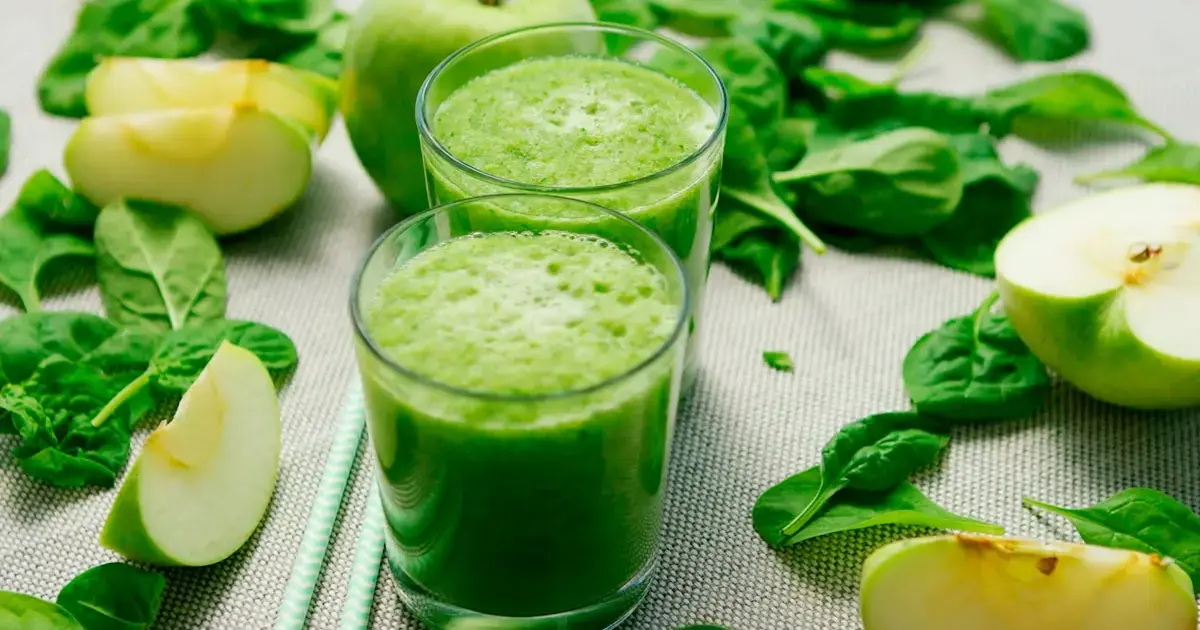
Foods rich in chlorophyll include green fruits (for example, apples) and green vegetables such as celery, asparagus, peas, beans, parsley, dill, and other leafy or aromatic greens. Top sources include seaweeds like chlorella and spirulina, plus alfalfa, broccoli, cilantro, and barley and wheat sprouts. But the amount of chlorophyll in these foods is limited — you can’t realistically eat enough of them each day to reach a high therapeutic dose.
Cooking can cut chlorophyll levels in food by about half, and freezing or long storage can reduce the pigment by 15–50%. For that reason, many people find dietary supplements a more practical way to increase chlorophyll intake. Supplements often contain chlorophyllin, a water-soluble derivative made from chlorophyll that forms salts with copper or sodium and is generally easier for the body to absorb than the natural pigment.
For more on this topic, see our related article.
Photo: Unsplash
