
 Carlos Solis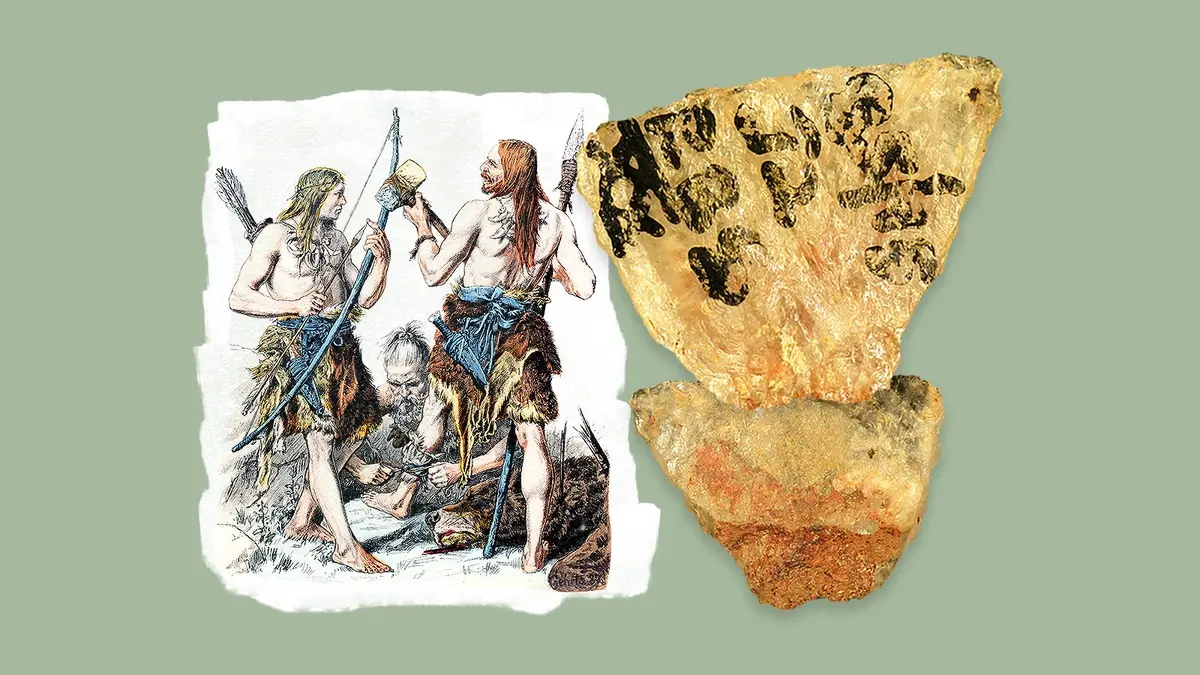
New research shows that several quartz arrowheads dating back 60,000 years, excavated from the Umhlatuzana rock shelter in South Africa, are the oldest evidence of poisoned weapons in the world.
This discovery pushes back the previously confirmed use of poisoned weapons by hunter-gatherers by more than 50,000 years.
The researchers found residues of a slow-acting poison made from the plant Boophone disticha on the arrowheads. Hunters used this toxin to exhaust prey during prolonged hunts. Today, this plant can be found about 12.5 kilometers from the Umhlatuzana rock shelter.
What Did Scientists Learn?
A team of researchers from Stockholm University, Linnaeus University (Sweden), and the University of Johannesburg (South Africa) conducted a chemical analysis of 10 arrowheads found in the cave several decades ago.
The team discovered that five of those arrowheads still contained traces of poison. That would have allowed hunters to save a great deal of time and energy during hunts.
Poisons usually break down over time, but traces of certain chemicals can persist under the right conditions for very long periods.
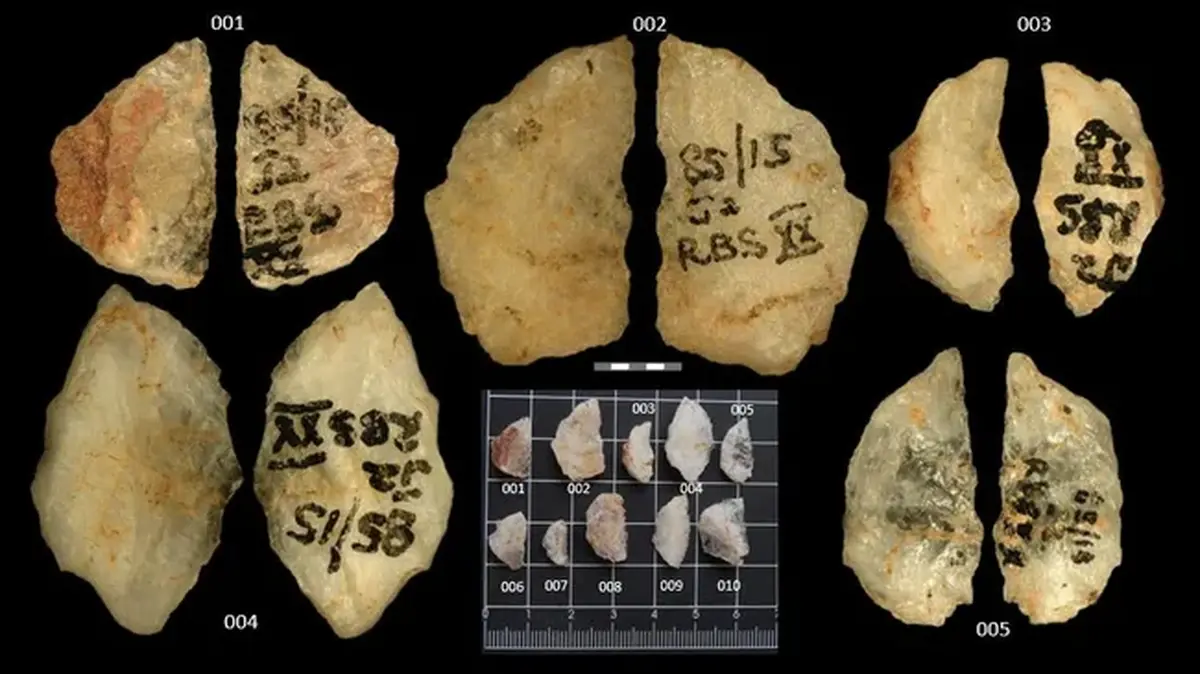
The results of the study, published in the journal Science Advances, confirmed that prehistoric people had a solid understanding of the pharmacological effects of plants.
“People have long relied on plants as a source of food and materials for making tools. But this discovery demonstrates the intentional use of the biochemical properties of plants,” said Sven Isaksson, the lead author of the study and a professor of archaeology at Stockholm University, in an interview with Live Science.
Moreover, the poisoned arrowheads suggest prehistoric hunters possessed complex thinking. The poison required time to take effect, meaning hunters had to understand cause-and-effect and plan their hunts in advance, Isaksson explained.
Previously, the oldest clear evidence of poisoned weapons was 7,000 years old: arrow poison detected in the femur of a hoofed mammal from Kruger Cave in South Africa.
A True Scientific Breakthrough
“The discovery of these ancient poisoned arrows is an extraordinary event,” said Justin Bradfield, an associate professor in the archaeology department at the University of Johannesburg.
Archaeologists already knew that prehistoric hunter-gatherers understood plant toxins and their uses. However, this new finding shows traces of those toxins can persist for tens of thousands of years, and it opens up avenues for further research, Bradfield said.
The Umhlatuzana rock shelter, excavated in 1985, is one of the best sites for such discoveries. Previously, archaeologists found 649 processed quartz fragments from the Howiesons Poort period, a distinctive South African technological tradition that thrived 65,000 to 60,000 years ago.
