
 Carlos Solis
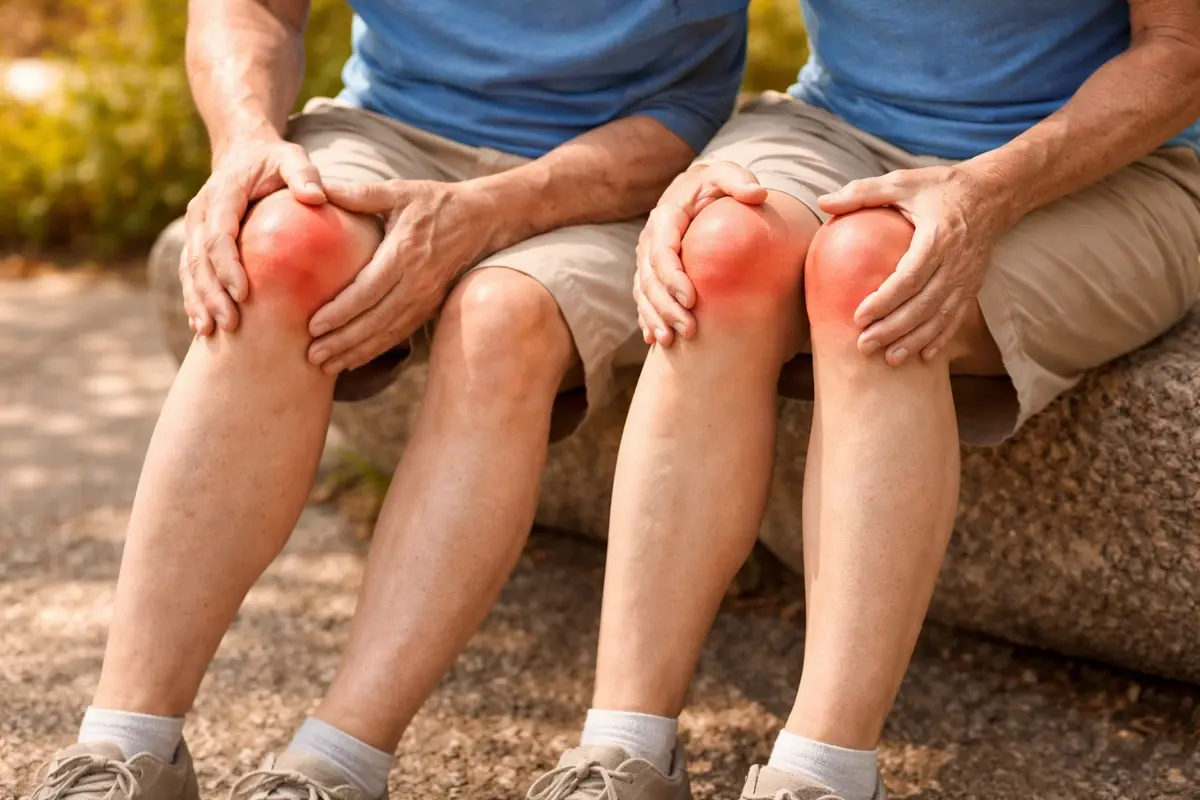
An analysis of joint-health data from hundreds of thousands of middle-aged British adults found the risk of developing knee osteoarthritis falls significantly on hot days.
Scientists from the McGovern Institute for Brain Research (U.S.) and the Vanke Chinese School of Public Health enrolled 350,000 people in the study. The participants’ average age was 56. At the start of the study, none of the volunteers had knee osteoarthritis. Over the next 11 years, 23,000 participants were diagnosed with osteoarthritis. Taking into account where the volunteers lived, the team calculated how many hot days they were exposed to. A day was counted as hot when the temperature reached 27 °C or higher, the Daily Mail reported.
The results showed that people exposed to the highest number of hot days had a 10 percent lower risk of developing arthritis. The more days per year that reached 27 °C and above, the lower the risk of developing knee osteoarthritis.
Why warm weather may protect your knees
The scientists said hot weather improves blood circulation, which in turn improves lubrication of the joint. As a result, the joint becomes less stiff and more flexible.
Greater blood flow to the knees on hot days supplies the joints with more oxygen and nutrients and helps remove metabolic waste.
Previous studies linked cold weather with a higher likelihood of arthritis progression, but no one had previously examined how hot days affect the risk of developing this painful disease. Besides the weather, diet also affects joint health.
How many people worldwide suffer from osteoarthritis
The researchers also found that exercise reduced the risk by 7 percent. Among people who experienced the most hot days and also exercised moderately, the risk fell by 17 percent. However, excessive physical activity was associated with an increased risk.
Intense heat also helps improve the range of motion in the knees and stimulates the release of endorphins, the body’s natural painkillers.
The study’s results were published in BMC Public Health.
About 375 million people worldwide suffer from knee osteoarthritis (wear-and-tear of the knee joint). From 1990 to 2021, the prevalence of knee arthritis increased by 132 percent. More than 73 percent of patients are older than 55. The total number of people with osteoarthritis is expected to rise to one billion by 2050, with knee osteoarthritis remaining the most common form. So the question of how to prevent knee osteoarthritis is becoming increasingly urgent.
Knee osteoarthritis: what to know
- The prevalence of knee arthritis doubled in the second half of the 20th century — and scientists still cannot explain that rise solely by aging and excess weight.
- The knee is the most vulnerable joint: it accounts for 60 to 85 percent of all osteoarthritis cases.
- Women develop joint arthritis more often than men, and that difference appears across almost all age groups.
- Half of people with knee arthritis will need joint replacement surgery at some point in their lives.
- A third of people over 45 with arthritis suffer from depression or anxiety disorders — chronic pain affects more than just the body.
