
 Carlos Solis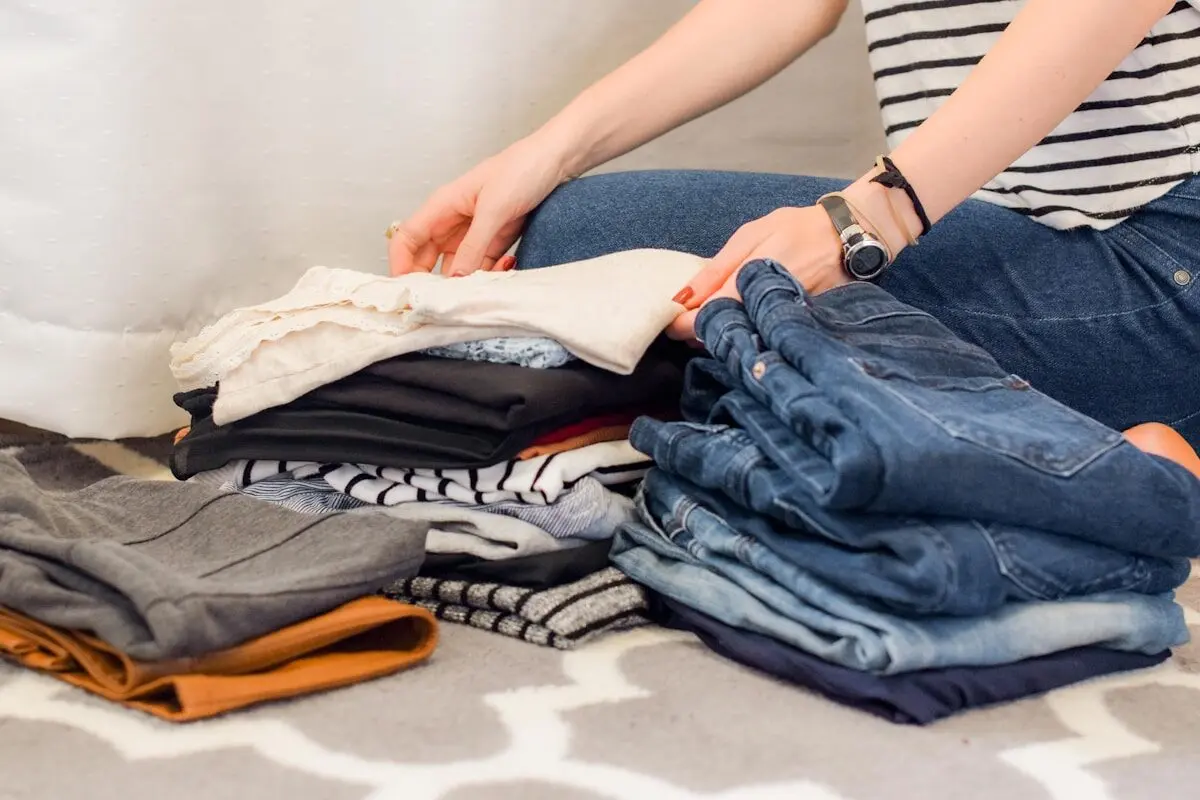
Worn-out, stained, or dated clothing doesn’t have to end up in a landfill. Popular Science explained how to reuse, recycle, or responsibly dispose of those items.
The best way to give clothing that’s still in good shape a second life is to donate it to people in need. But what about underwear or items that are already falling apart?
Right now, countless garments end up in landfills because they are damaged or soiled—completely unwearable and unsellable. The U.S. Environmental Protection Agency says discarded clothing makes up the largest share of textiles in household waste.
Is there an easy, eco-friendly way to dispose of clothing? Not yet, but there are better options. Even clothes that aren’t suitable for donation still have value. You just have to know where to send them.
Not All Clothing Can Be Donated
Most clothing drop-off centers either resell items to generate income or distribute them to people in need. Those centers reject anything with stains, odors, damage, or that is too old. As a result, not everything people drop off can get a second life. So what do you do with items that don’t make the cut?
Repair: Make Clothes Last Longer
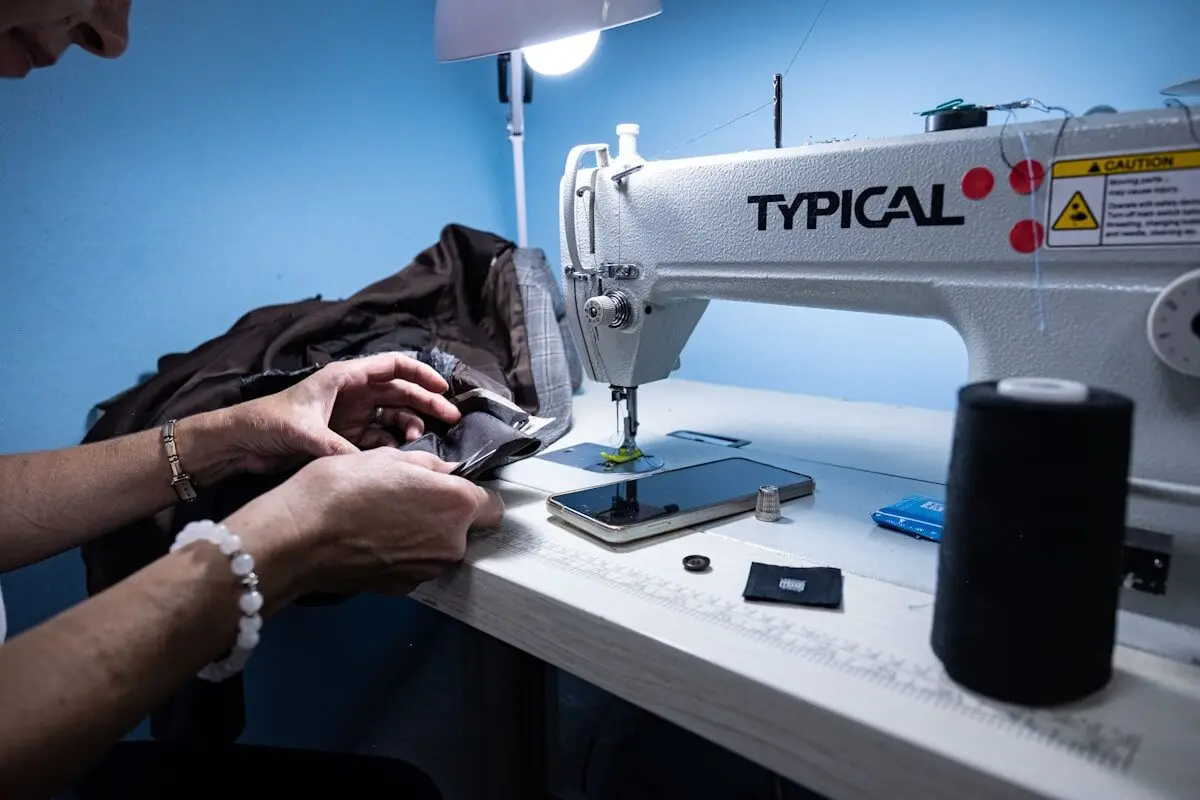
Before you throw away worn clothing, consider repairing it. You might be able to extend the life of a shirt or a pair of pants.
Sew on ready-made patches or add embroidery to cover small holes and turn an old piece into a decorative item. Replace missing buttons or broken zippers. Alternatively, dye the garment to hide stains and faded spots.
That kind of repair reduces the need to make new clothes, cuts resource consumption, and lowers the environmental impact of production. In many cases, fixing the clothes you already own is the most eco-friendly choice.
Give Old Clothes a New Role
Used clothing easily becomes cleaning rags. This idea echoes the Japanese tradition of zokin, the craft of turning worn fabric into cleaning cloths. The practice is passed down through generations and favors natural materials like cotton and denim. To make a comfortable rag—usually square and layered—people use the decorative hand-stitching technique called sashiko.
Soft fabrics work well for making dusting cloths or DIY mop heads.
Worn natural textiles can also be turned into bedding or towels for shelter animals.
Local animal shelters usually welcome used but clean blankets, sheets, and towels.
Textile Recycling Programs to Know
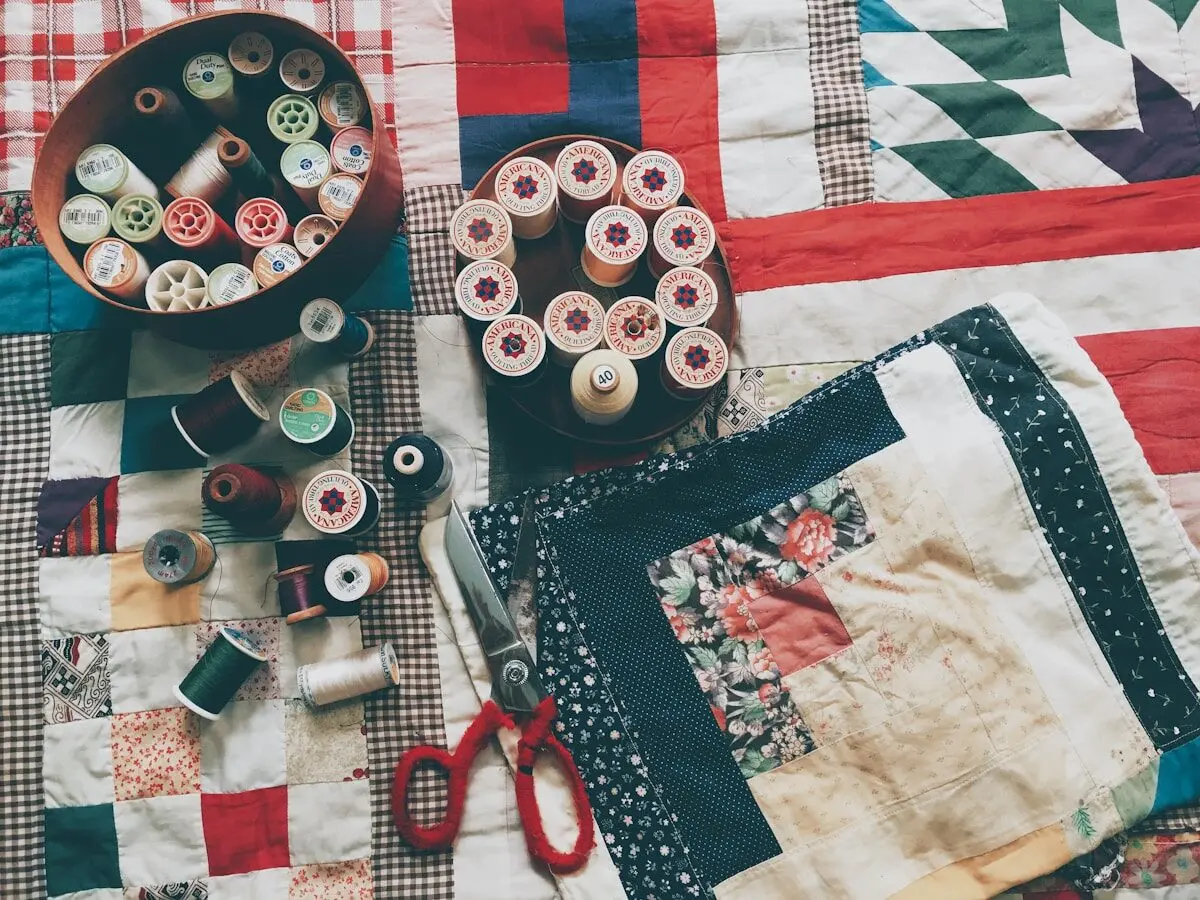
When clothing is too worn to donate or reuse, textile recycling programs provide a good option. These programs break down old fabrics into fibers that are used to make insulation, industrial wipes, or carpet padding.
When Disposal Is the Only Option
Changing how we dispose of clothing produces tangible results, especially in reducing textile waste.
Of course, in some cases disposal is inevitable. For example, items contaminated by chemicals, mold, or hazardous substances cannot be donated or recycled. In those situations, a landfill becomes their final destination.
Photo: Unsplash
