
 Gaby
GabyAnomalocaris canadensis was long described as one of Earth’s earliest superpredators. But biomechanical modeling of its feeding apparatus suggests it wasn’t. This marine monster, which lived about 508 million years ago, appears to have been surprisingly weak.
Doubts About Cambrian Super Predator Status
This Cambrian creature reached lengths of up to 60 centimeters, making it one of the largest animals of its time. Fossils of this creature were discovered in the Burgess Shale in Canada during the 1800s. Its scientific name translates to “strange shrimp from Canada.” The animal had lateral swimming lobes, large compound eyes, and grasping appendages for catching prey. Paleontologists suggest that its peculiar spider-like front “legs” were used to capture prey and direct it toward its ring-shaped mouth.
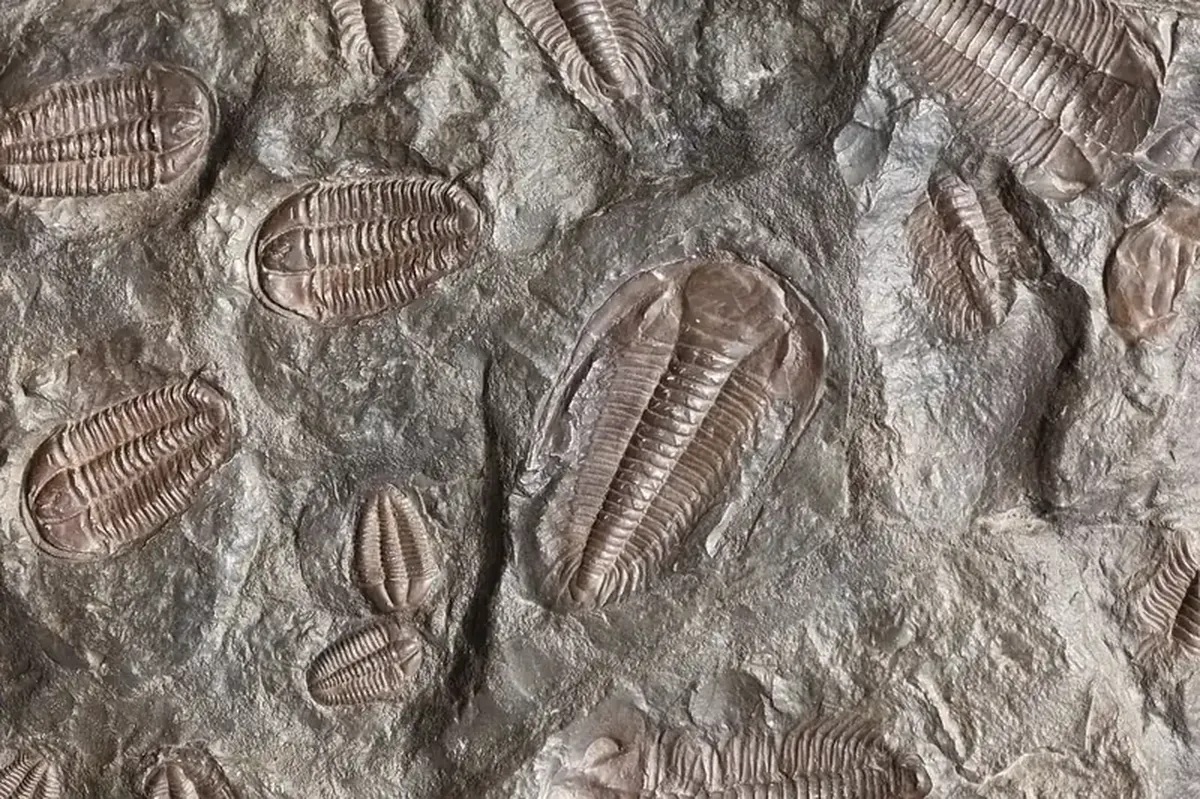
Trilobites
Cosmos Magazine reported that earlier finds of crushed trilobite exoskeletons were interpreted as evidence that Anomalocaris ate trilobites. But Dr. Russell Bicknell has questioned that interpretation. He argues trilobite shells are very tough, and it’s doubtful Anomalocaris’s ring-shaped mouth could crush such hard prey. That prompted Bicknell to test whether the long spiny frontal appendages could do the crushing.
A Nimble Swimmer, But Not a Super Predator
An international research team built a three-dimensional model of Anomalocaris. Using modern arthropods (scorpions and spiders) as biomechanical analogs, they found the segmented appendages were well suited for extending, bending, and grasping prey. The “Cambrian shrimp” could extend and retract them, providing the flexibility needed to capture and process food. However, the modeling also indicated that stress and strain on the appendages would likely cause damage when handling heavy prey such as trilobites.
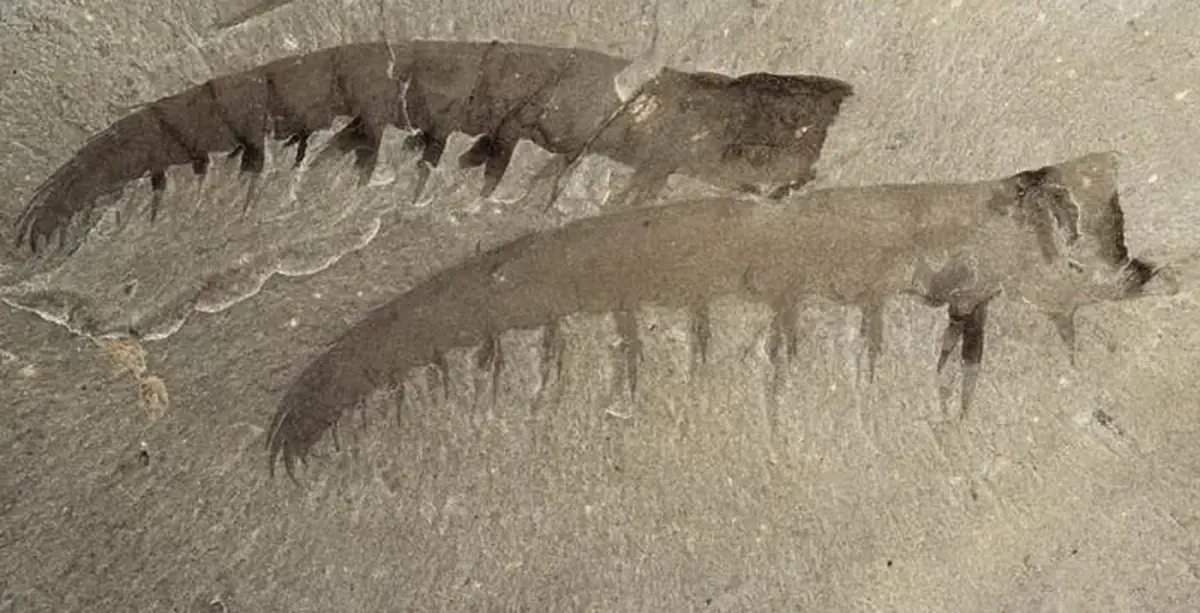
The Appendages of the “Cambrian Shrimp”
The researchers then applied computational fluid dynamics to simulate the predator’s movements in a virtual current. This allowed them to predict the most likely body position of the creature while swimming. The study suggests the animal may have been a swift swimmer, lunging with its front appendages outstretched to snatch soft prey from the water column. That implies Anomalocaris preferred chasing soft-bodied prey in open water, not hunting hard-shelled animals on the seafloor.
Bicknell says previous assumptions treated these animals as generalist feeders, like a “buffet” of whatever was available. But the research shows Cambrian food webs were probably more complex than previously thought.
