
 Gaby
Gaby
Researchers at the University of Oxford found that warmer temperatures and more rainfall could improve wine quality and flavor. But the team says there’s little reason to celebrate.
What Scientists Discovered
The researchers concluded that global warming and the expected rise in precipitation will probably lead to better wines.
The team analyzed wine critics’ ratings from the Bordeaux region of France between 1950 and 2020, correlating the reviews with the weather conditions for each vintage year.
They focused on Bordeaux because winemakers there rely heavily on rainfall for irrigation, and because the region produces benchmark wines that top critics evaluate.
 Overall, the researchers found that Bordeaux wines have generally improved over the period studied. The climate in the region warmed over that time, The Independent reported.
The study also showed that higher-quality wines tended to come from years with higher temperatures, increased winter precipitation, and shorter, earlier growing seasons—conditions climate change is likely to make more common.
Why This Good News Doesn’t Excite Scientists
Lead author Andrew Wood said, “the impact of temperature and precipitation occurs throughout the year—during bud break, grape growth and ripening, harvest, and even in winter when the plants are dormant.” He added that high-quality wines are produced in cooler, wetter winters, warmer, wetter springs, hot dry summers, and cool, dry autumns.
Wood also pointed to a global trend: as temperatures rise, wines are becoming stronger. Feedback from critics and the public suggests that “people generally prefer stronger wines that are aged longer and have richer, more intense flavors, higher sweetness, and lower acidity.”
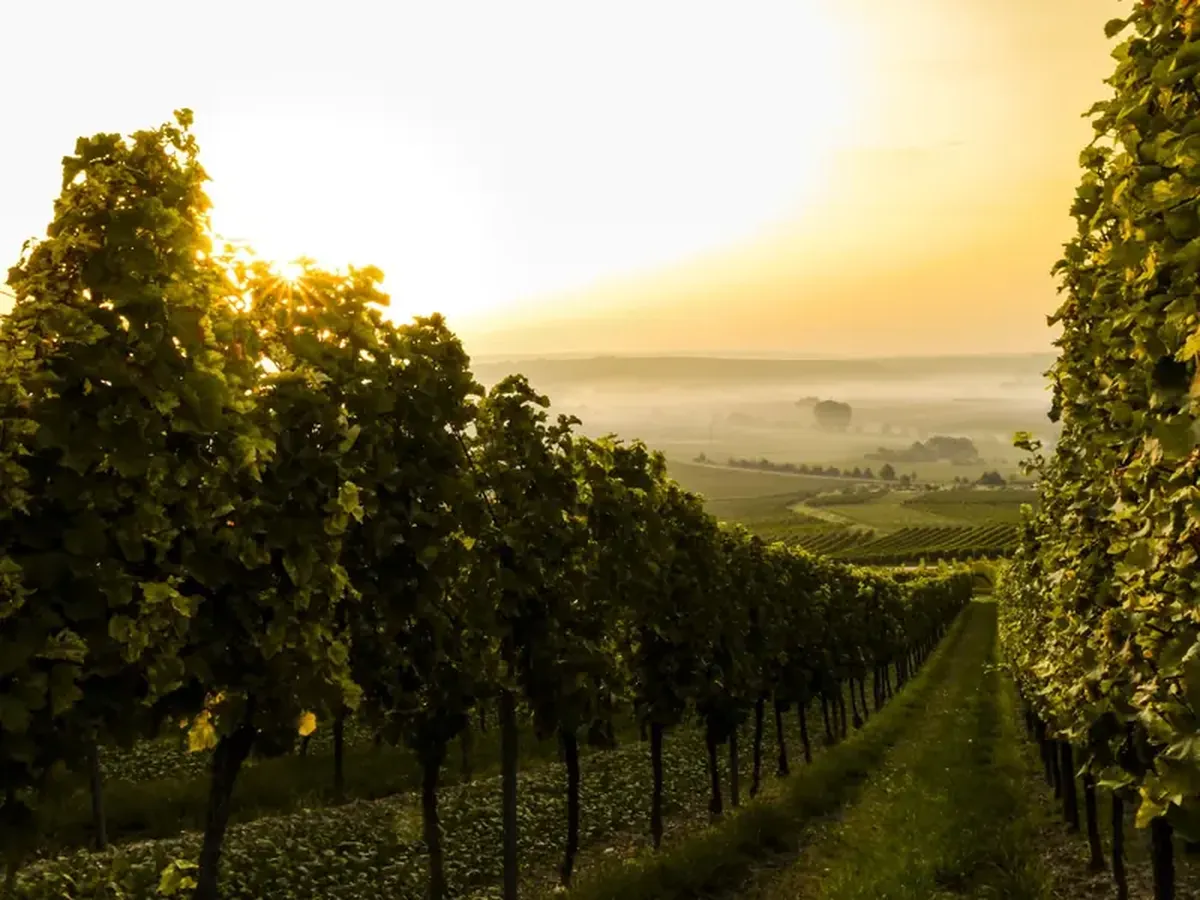 Thus, as the climate keeps changing, Bordeaux wine quality is expected to improve further. The researchers suggested their findings could apply to other wine-producing regions as well.
However, Wood warned, that improvement will continue only up to a point. When it gets too hot, grapevines will suffer water stress and may die, at which point wine production would be out of the question.
In other words, the reason to celebrate is limited: wine may taste better, but only as long as the vines survive.
The study was published in the journal iScience.
