
 Carlos Solis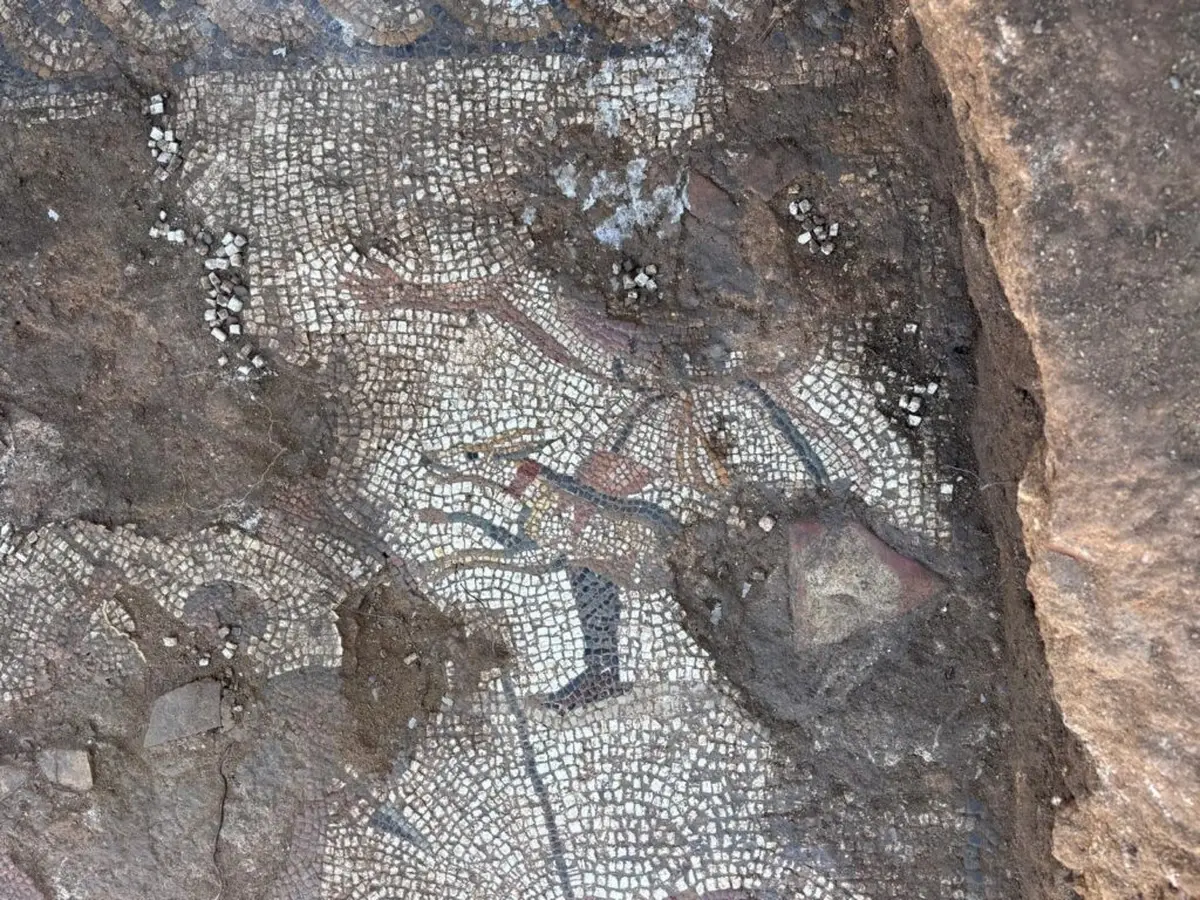
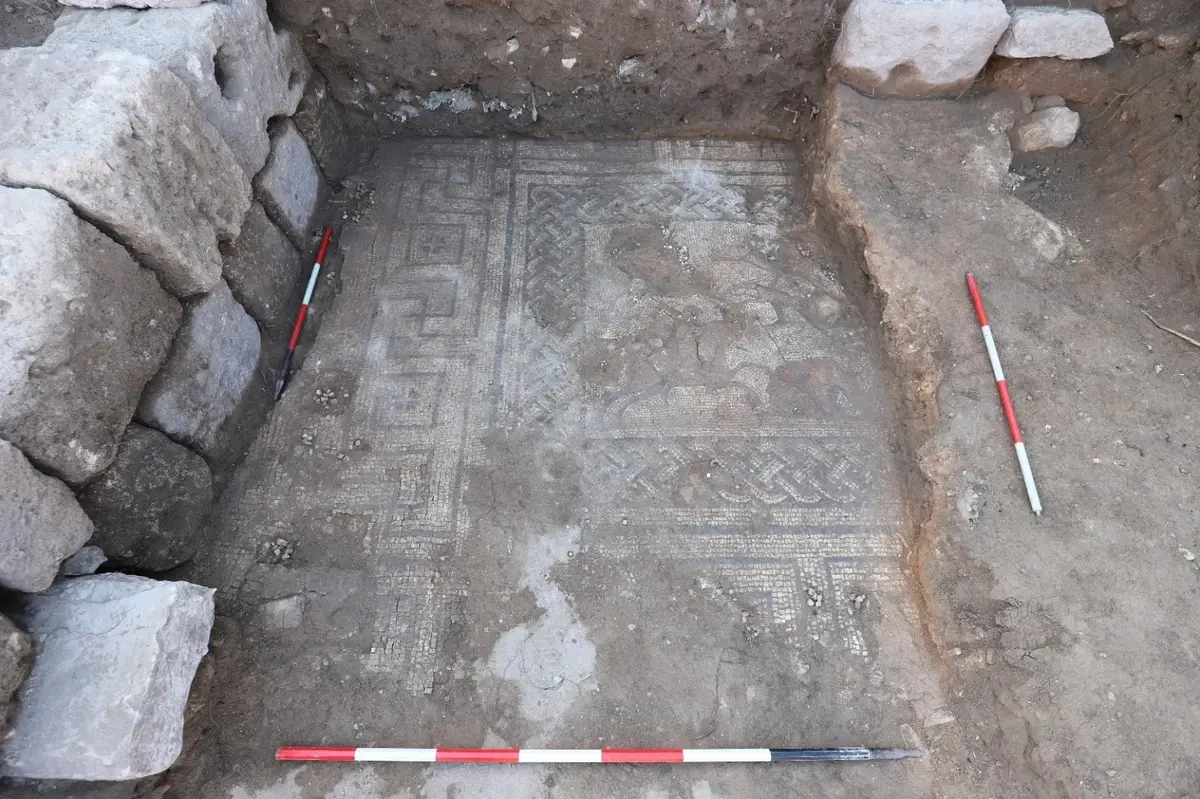
A richly detailed Roman mosaic showing a hunting scene has come back to light in western Sicily. Archaeologist Carmela Angela Di Stefano first uncovered the mosaic pavement in 1972 in the Capo Boeo area, between the church of San Giovanni Battista al Boeo and Viale Isonzo. After the initial work, archaeologists reburied the floor to protect it. The pavement has reemerged during new excavations connected to the development of the Archaeological Park Lilybeo.
Unexcavated section
The right side of the scene was not excavated in 1972. Archaeologists say two superimposed floors lie above this area, and the next campaign aims not only to restore the full mosaic but also to establish the phases of use, repair, and decline of the house. Roman houses often changed over time—people replaced floors, reorganized rooms, and incorporated older structures into newer buildings. For Lilybaeum, those stratigraphic details matter because the city did not disappear after the Roman era; it transformed in late antiquity and the early Middle Ages and later became modern Marsala.
Lilybaeum beneath modern Marsala
Modern Marsala stands above ancient Lilybaeum, a settlement founded on Sicily’s westernmost cape—Capo Boeo. The city’s position facing the Egadi Islands made it an important hub in the central Mediterranean. In Punic and Roman times, Lilybaeum served as a major urban and maritime center connected to the movement of people, goods, and military power across Sicily and North Africa.
The Archaeological Park Lilybeo preserves part of that settlement: remains of private houses, streets, baths, mosaics, and other structures that trace the city’s long history. The new mosaic with a hunting scene adds a particularly refined example of Roman domestic art to the site.
The find appeared almost on the border between the protected archaeological zone and modern urban development, which shows how deeply ancient Marsala lies beneath the modern city.
In that broader context, the mosaic carries extra significance: it is not just an isolated piece from a Roman house but an artifact of a city whose face changed over centuries—from a Punic stronghold to a Roman center and from a late-antique settlement to medieval Marsala.
After more than half a century underground, the Roman hunting mosaic from Marsala now offers a rare window into the layered history of ancient Lilybaeum, where domestic luxury, urban transformation, and Mediterranean history meet beneath Sicily’s modern surface.
Based on reporting by Arkeonews
