
 Gaby
Gaby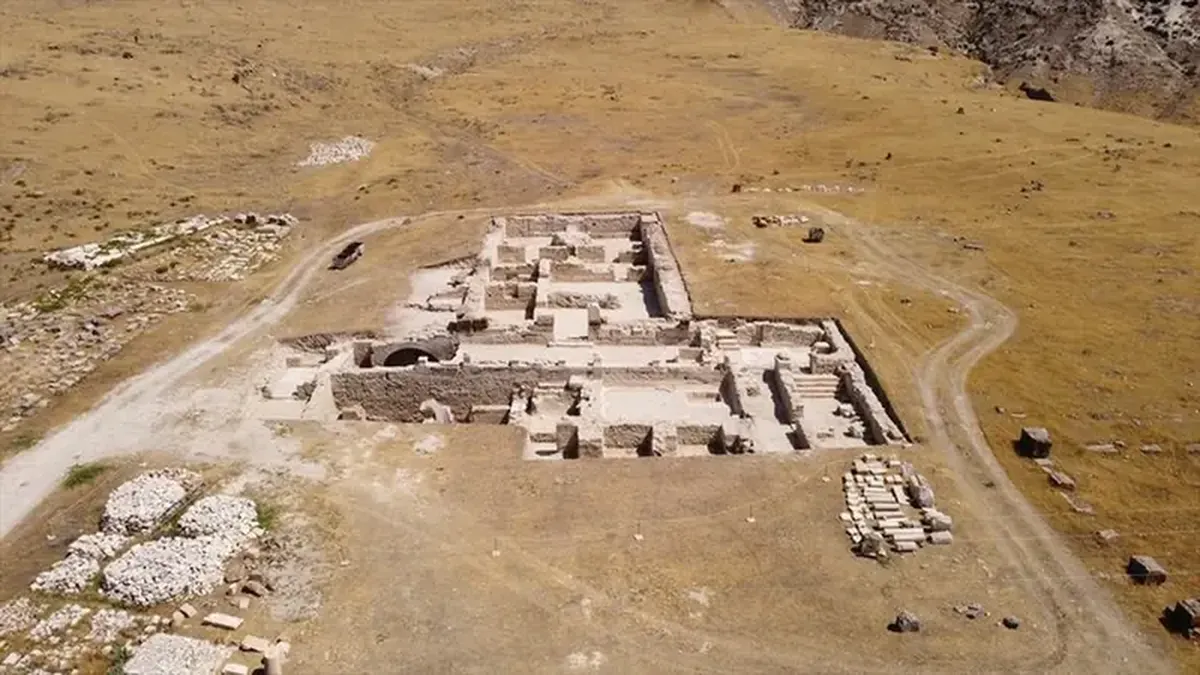
Archaeologists excavating Tripoli in the Buldan district of western Turkey have uncovered a well-preserved luxury villa from the Roman era, dating to the 4th century AD.
Spanning 1,500 square meters, the villa features intricately painted walls, two fountains, four rooms, two reception halls, a columned gallery, a large inner courtyard, and a rare 40-square-meter fish-breeding pond. This makes the villa one of the most remarkable discoveries of the 2025 excavation season.
Center of the Roman Elite
The excavations, led by Professor Bahadır Duman from the Department of Archaeology at Pamukkale University, revealed that the villa, situated near the Büyük Menderes River, served as a prestigious residence for the Roman elite.
A notable feature of the estate was the decorative fish pond, which is quite rare in inland Roman settlements. The inner walls of the pond are lined with fired clay pipes and include niches where fish could hide from the sun or predators. According to Professor Duman, the pond likely housed carp, catfish, and eels, which were served to guests during lavish banquets.
“Fish ponds from the Roman period were a status symbol. All this architectural sophistication indicates that the villa’s owners were wealthy and influential,” noted Professor Duman.
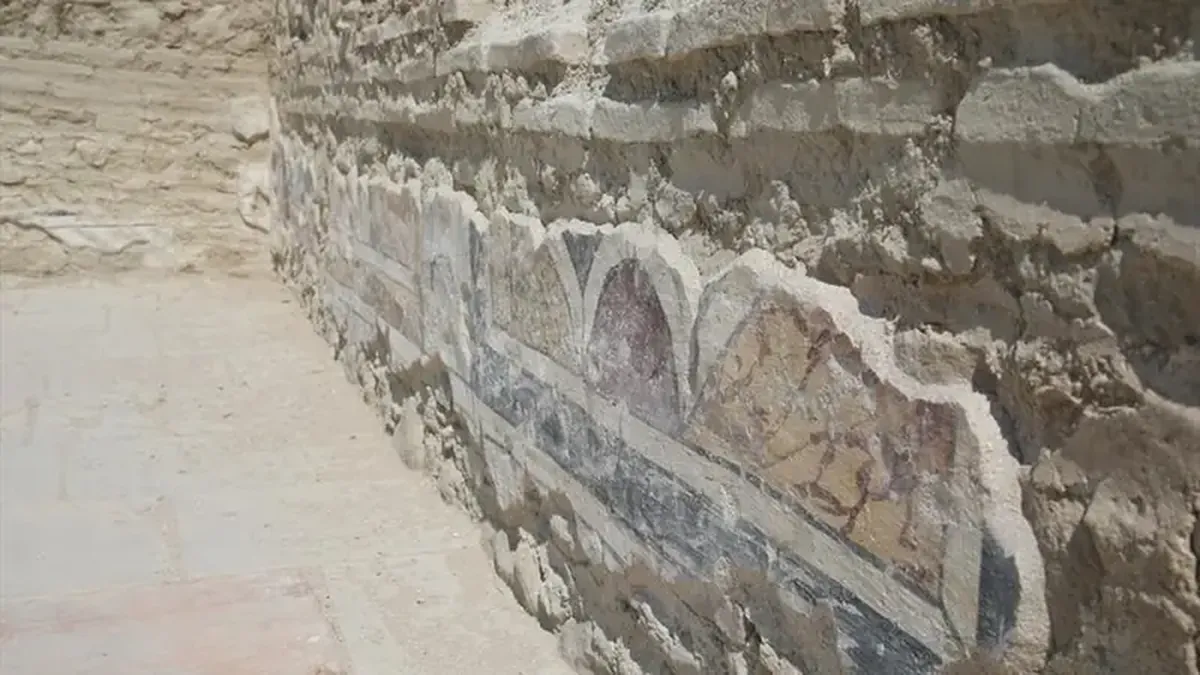
Inner walls of the pool
The villa’s inner walls were adorned with frescoes painted in vibrant colors—yellow, red, blue, and brown. The wall paintings depicted floral motifs and patterns. These frescoes have retained their brilliance over 16 centuries and offer a unique glimpse into the artistic practices and cultural richness of the late Roman period.
Tripoli – A Window into Ancient Western Anatolia
The city of Tripoli, located near the modern town of Eniçekent, was a thriving commercial and administrative center during the Hellenistic, Roman, and Byzantine periods. It is one of the best-preserved ancient cities in Western Anatolia.
The team’s excavations, which have spanned 13 years, have yielded numerous finds, including a 2,000-year-old villa with 12 mosaic-decorated rooms, a 1,500-year-old church, ancient granaries, markets, workshops, a sewage system, and a monumental fountain.
Once, Tripoli held strategic importance because of its location along trade routes connecting major cities such as Laodicea, Hierapolis, and Ephesus. Archaeological evidence points to a high culture and developed infrastructure within the city.
Arkeonews reports that the excavations are part of the Turkish initiative “Heritage for the Future,” supported by the Ministry of Culture and Tourism. A team of 40 archaeologists works year-round to restore and preserve the ancient city and aims to open more areas for tourism and scientific research.
