
 Gaby
GabyA long tunnel uncovered on Egypt’s northern coast may point to the lost tomb of the legendary queen.
A team of archaeologists from the University of Santo Domingo (Dominican Republic) announced a remarkable discovery: a 1,305-meter tunnel beneath a temple in the ruined ancient city of Taposiris Magna near Alexandria. Experts called the tunnel a “geometric marvel.” CNN.
Its height is about two meters, and it lies about 13 meters below the surface. The tunnel has been dated to roughly 304–30 BC (Cleopatra lived from 69 to 30 BC). In ancient times, the tunnel supplied water to some 15,000–20,000 local residents.

What did the archaeologists discover?
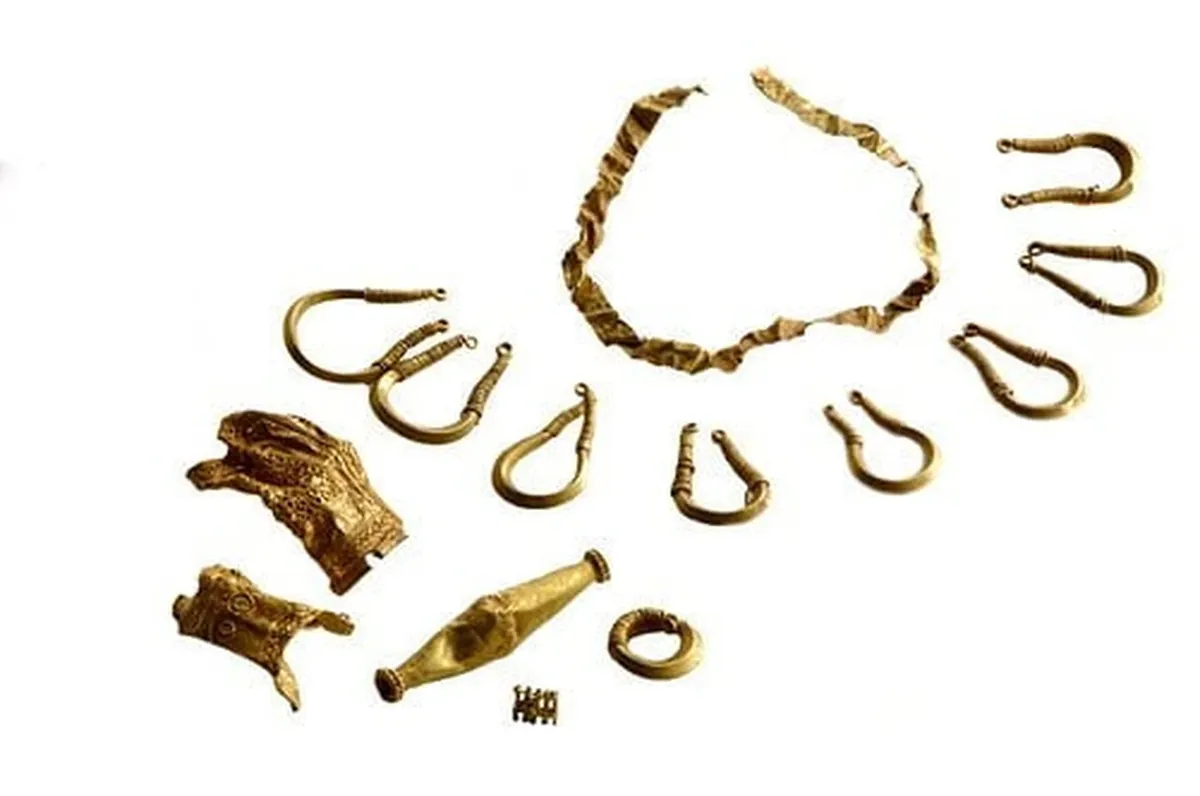
The Egyptian Ministry of Tourism and Antiquities announced that excavations uncovered a large religious complex with three sanctuaries and a sacred lake. Over 1,500 artifacts were found, including jars, statues, and coins—some depicting Cleopatra and Alexander the Great.
Researchers are especially interested in the tunnel system, which resembles a similar structure on the Greek island of Samos.
The tunnel connects to the Mediterranean Sea. A significant portion of the site and many artifacts remain underwater, and studying them will be part of the next phase of the search for the queen’s lost tomb.
Researcher’s version
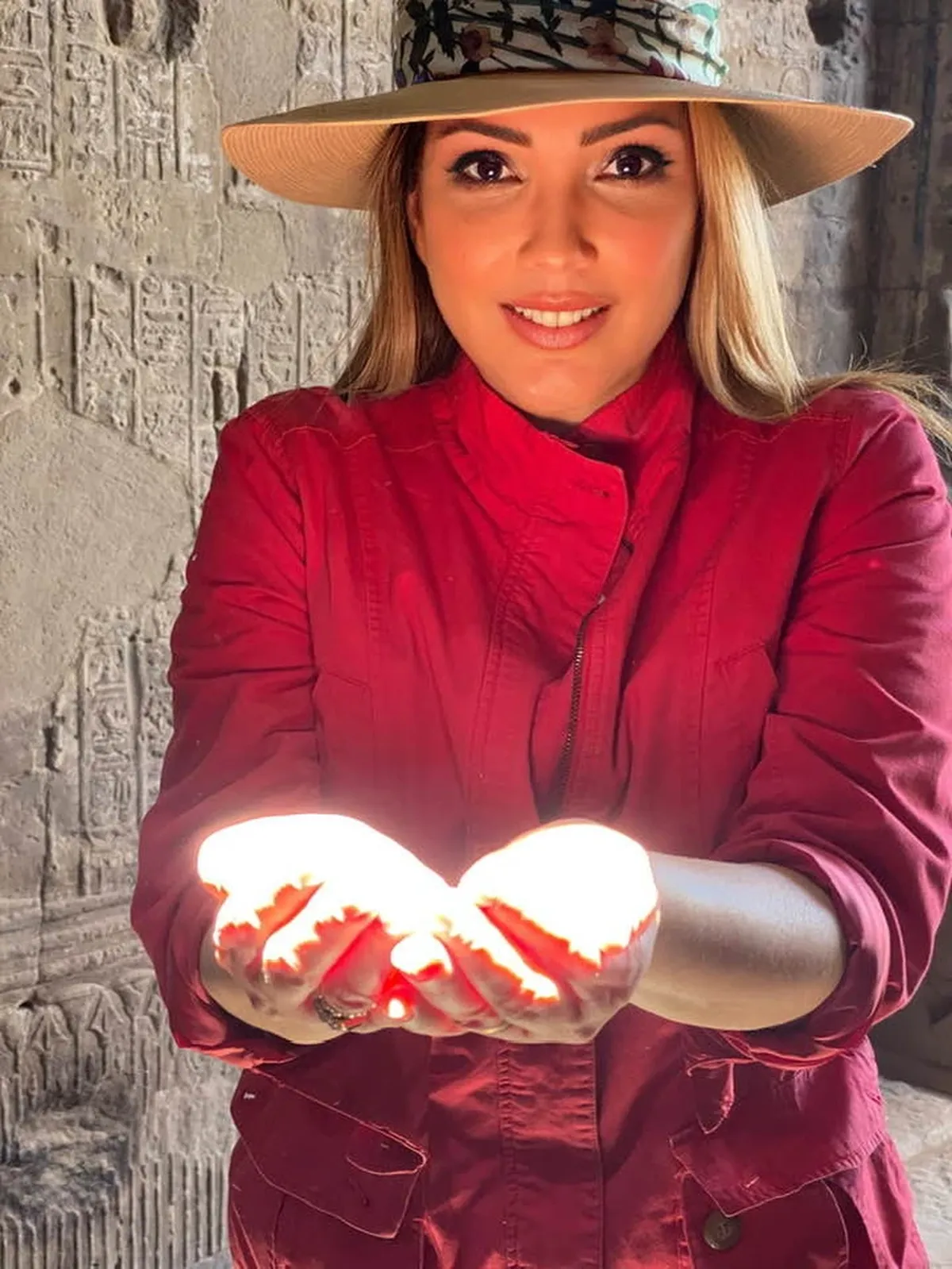
The leader of the archaeological team, Kathleen Martinez, has been searching for Cleopatra’s burial site for about 20 years. She says this discovery could be a major breakthrough.
Cleopatra died by suicide after the death of her partner, the general Mark Antony. In life she identified with Isis (the goddess of fertility) while Antony identified with Osiris (the god of rebirth and the afterlife). A series of clues led Martinez to conclude that Cleopatra’s tomb might be hidden in a temple dedicated to Osiris and Isis, similar to where Antony would be associated.
Kathleen Martinez said Cleopatra wanted to be buried alongside Antony in the temple, thereby recreating the Isis-and-Osiris myth.
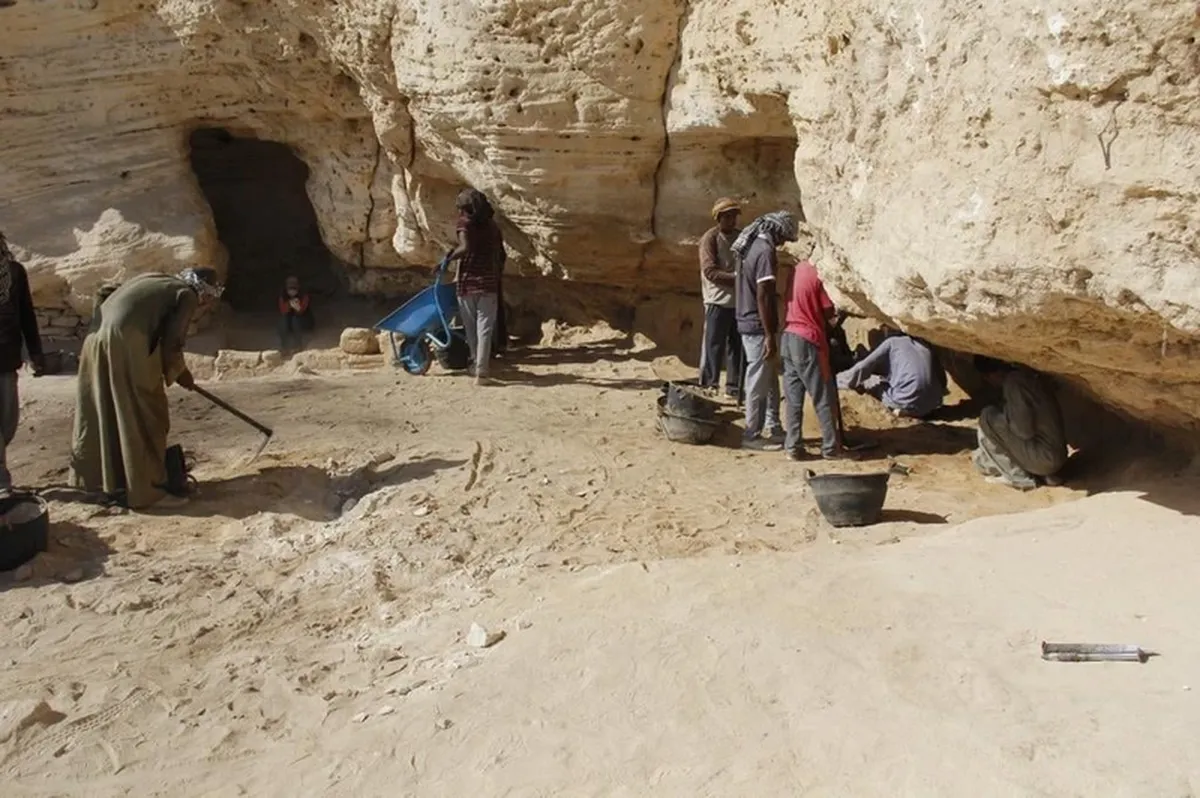
The Ministry of Tourism and Antiquities noted that the Egyptian coastline has experienced numerous earthquakes over the centuries, so it is not surprising that many structures ended up underwater. A currently hidden section of the tunnel presents a new challenge for researchers.
Martinez says that if there is even a one percent chance Cleopatra is buried near the excavated tunnel, the area must be searched. If the tomb is found, it would be one of the most important archaeological discoveries of the 21st century.
