
 Gaby
GabyThe finds are about 2,300 years old. Researchers from Tel Aviv University conducted excavations on behalf of the Israel Antiquities Authority (IAA). While working along the road to Jerusalem, archaeologists unexpectedly stumbled on the tomb of an ancient Greek woman.
Researchers say the remains belong to a high-class escort who may have accompanied high-ranking military officers on foreign campaigns during the time of Alexander the Great (356–323 BC), or possibly with commanders who carried on his campaigns after his death, the Daily Mail reported.

Guy Stibel, a co-author of the study from Tel Aviv University, said this is the oldest evidence of cremation from the Hellenistic period yet found in Israel.
Archaeologists suggested that the cremated woman was a hetaera — a high-status companion who offered elite clients not just sexual services but also intellectual company. Some hetaerae even married their clients and inspired artists to create masterpieces.
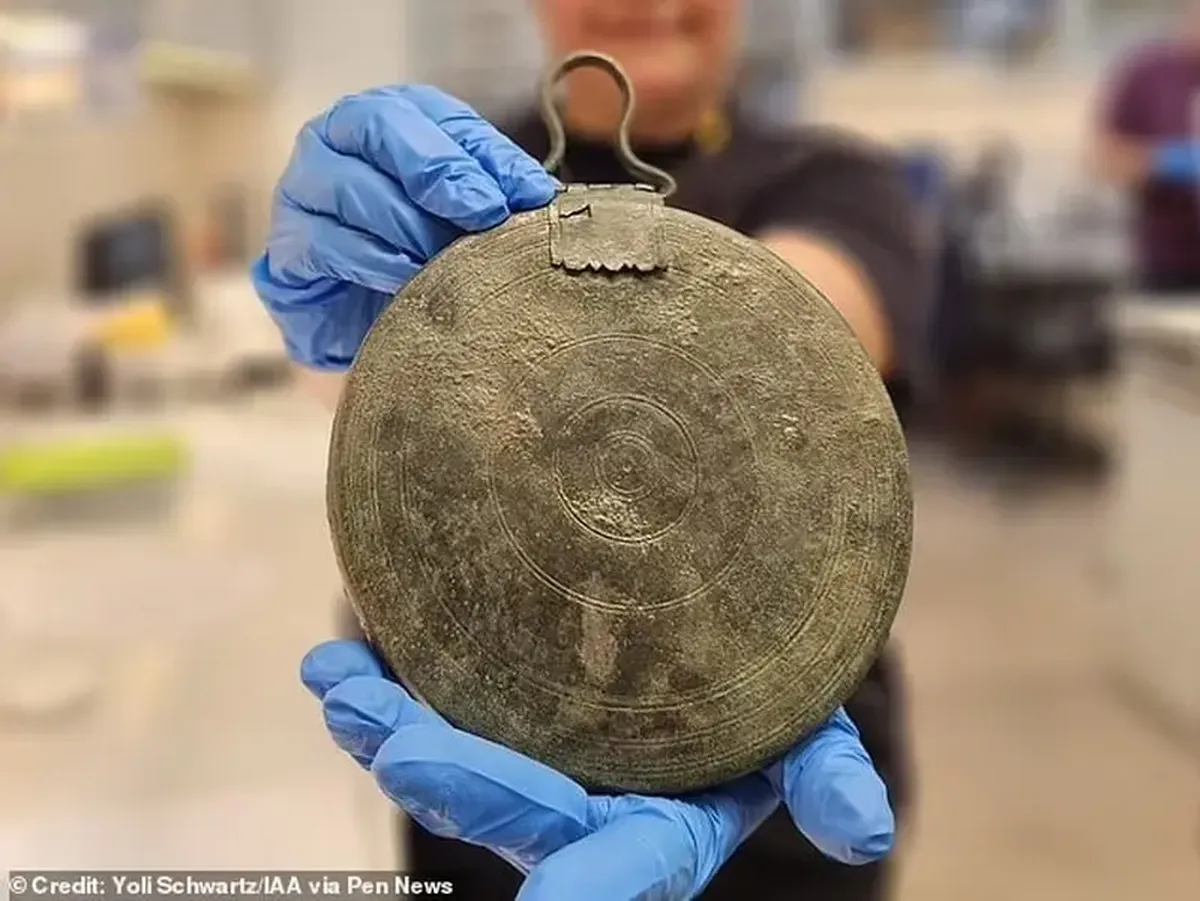
Her special status is signaled by an expensive mirror box that she may have received as a gift from a wealthy patron. The artifact looks almost brand-new, the team says. The mirror and the cremated remains date to the late 4th century and the early 3rd century BC, the researchers estimate.
Mirror as a key to a mystery
Stibel said the tomb’s location initially surprised the team. How, he asked, could a Greek woman’s grave be on the road to Jerusalem, far from any known settlements of that period?
The rare mirror helped unravel the mystery. It points to a mobile lifestyle for the high-status escort.
The head of the excavations, Liat Oz, emphasized how extraordinary and rare the item is. It’s only the second mirror of this type found in Israel; only 63 such mirrors are known across the Hellenistic world.
The study’s authors hope to use advanced techniques soon to determine which army the courtesan accompanied. Guy Stibel says the next phase of research should shed more light on the burial and the mirror’s history.
