
 Gaby
Gaby
Researchers led by Dominican archaeologist Kathleen Martinez, who has spent 20 years searching for Cleopatra’s burial site, have announced a significant discovery.
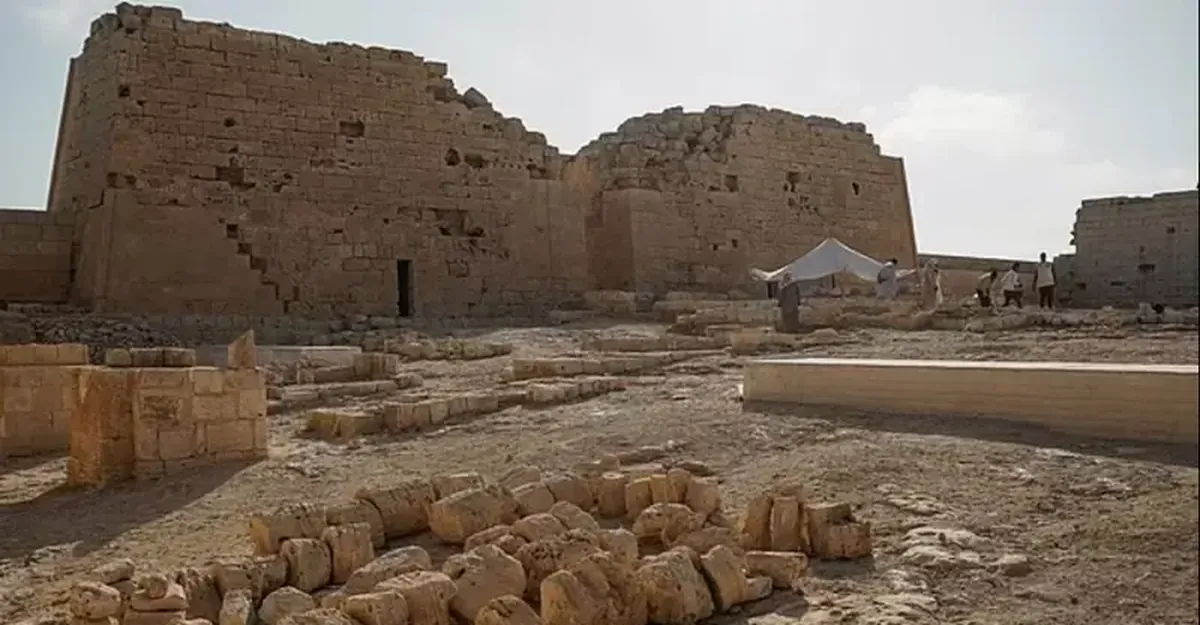
The team believes the queen may have found her final resting place in the temple city of Taposiris Magna, near Alexandria, the Daily Mail reported.
The scientists uncovered a white marble head from a statue that they suggest may be the true likeness of Cleopatra, who ruled Egypt from 51 to 30 B.C. The sculpture shows a woman with a small nose, full lips, and hair styled around her head. The image differs markedly from the familiar portraits of the queen.

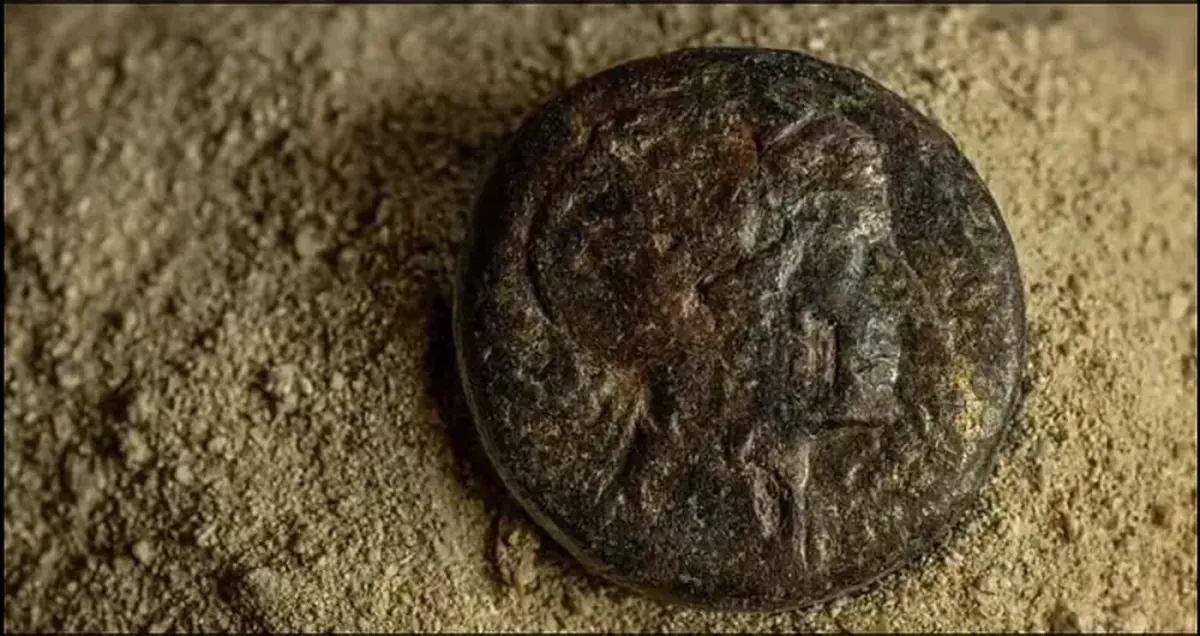
Ms. Martinez and her team also unearthed 337 coins bearing Cleopatra’s portrait, along with pottery, oil lamps, figurines, and other artifacts. The researchers were particularly intrigued by a spacious cemetery with 20 burial chambers and a tomb that has three chambers.
Kathleen Martinez has long believed the queen’s tomb is hidden somewhere among the temple ruins, which sit above a long tunnel. Martinez speculates that Cleopatra’s body was transported from the palace through the tunnel and buried in a secret location.
Criticism Ensues
However, other archaeologists argue that the sculptural representation is not of Cleopatra but of another noble figure.
Critics of Martinez have also challenged her theory about the tomb’s location, insisting the queen was buried in Alexandria, not nearby.
The Egyptian Ministry of Tourism and Antiquities said the discovery at Taposiris Magna is nonetheless historically significant.
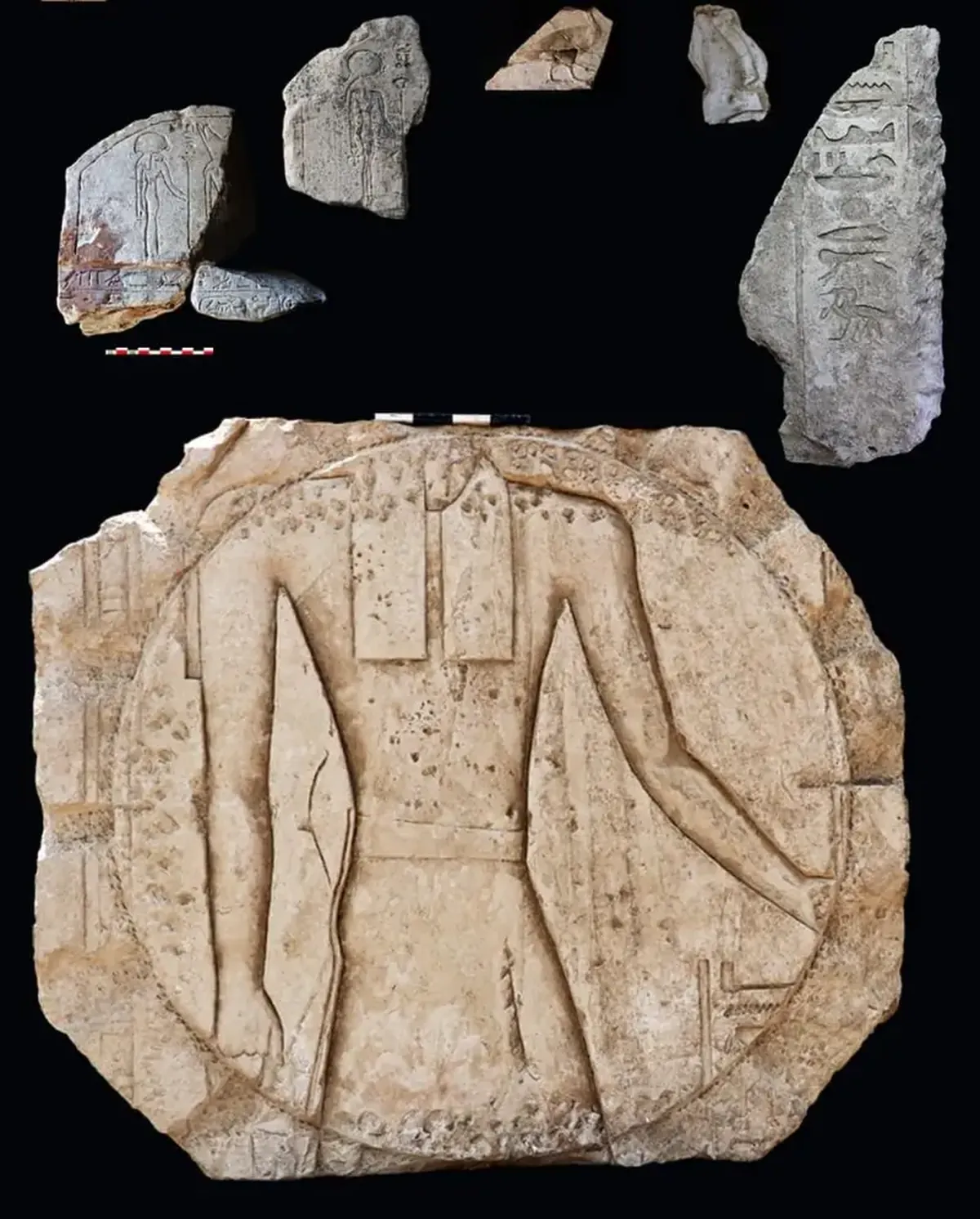
In addition to the possible statue of Cleopatra, Martinez and her team found a limestone bust of a pharaoh wearing a nemes—the ceremonial headdress of Egyptian rulers.
Analysis of ceramic fragments found during the excavations confirmed that construction of the temple city of Taposiris Magna dates to the first century B.C.
