
 Gaby
Gaby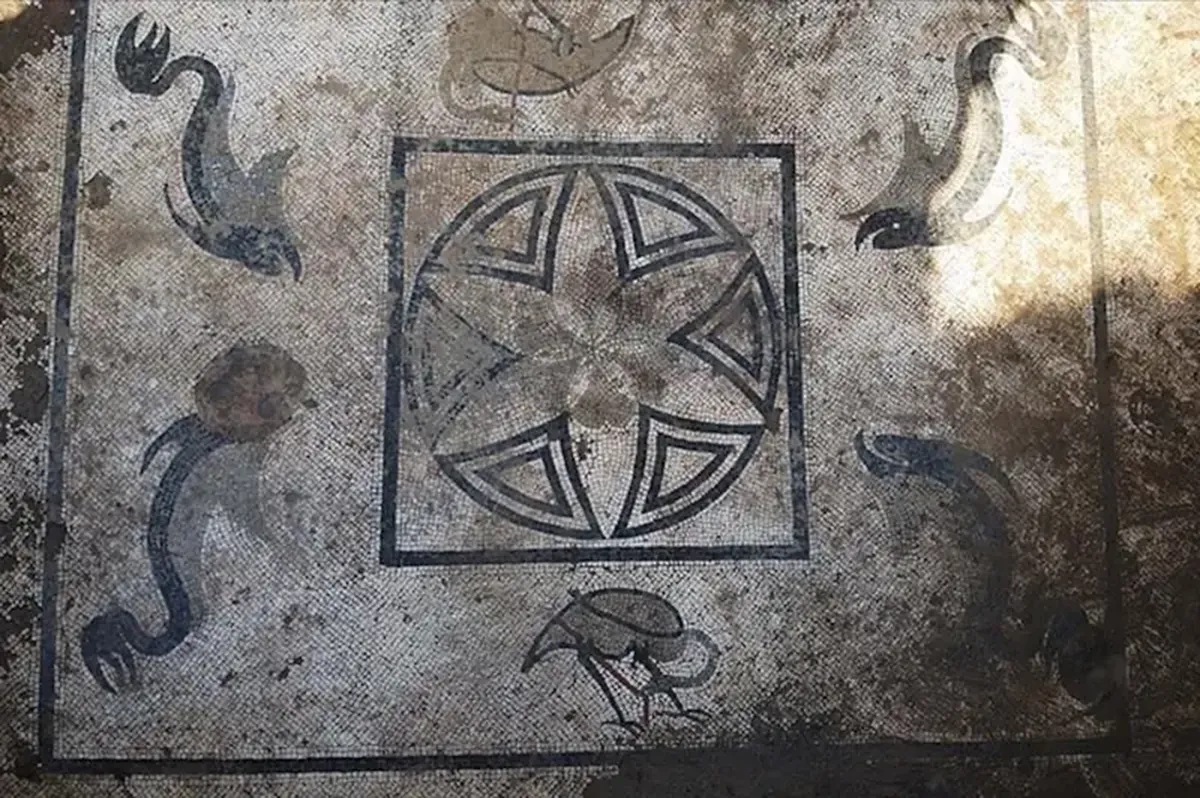
Archaeologists made a remarkable discovery during excavations at the ancient city of Heraclea, near the modern town of Muğla.
Stunning mosaics depicting animals — crocodiles, dolphins, flamingos, and eels — turned up on the floor of a Roman bath that villagers had long used as a stable.
Professor Zeliha Gider Büyükeser of Selçuk University is leading the dig, which is part of Turkey’s Ministry of Culture and Tourism “Heritage for the Future” project, Aarkeonews reports.
“The Roman bath is the best-preserved structure in this area. We dug over two meters deep and uncovered the bath’s rooms, identifying their functions and stages of use,” Büyükeser said.
One of the most striking finds in the frigidarium (cold room) was a mosaic showing six crocodiles facing each other. Crocodiles aren’t native to the region, so the mosaicist probably saw them elsewhere.
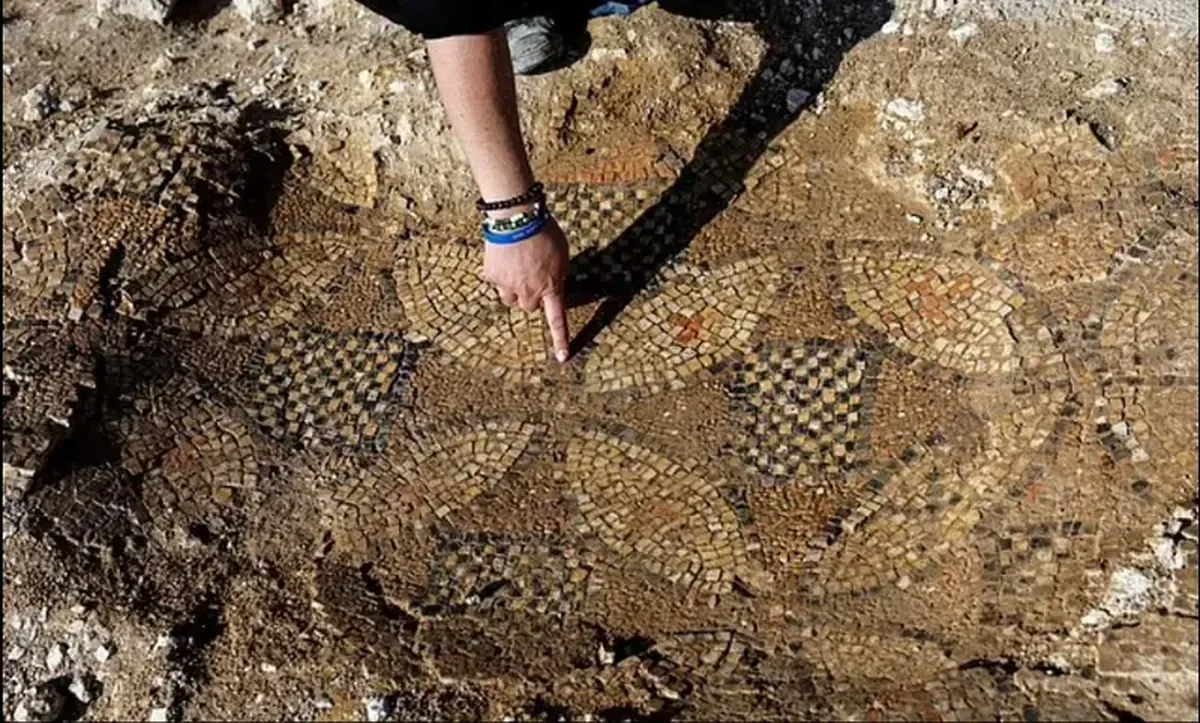
“The artist may have been a traveling craftsman who worked in places where crocodiles were found,” Büyükeser said. In the tepidarium (warm room), the team found mosaics of flamingos among four dolphins placed in the corners, plus figures of eels.
Büyükeser added, “Flamingos still live in this region. The artist depicted animals he observed here; the mosaic reflects the local environment.”
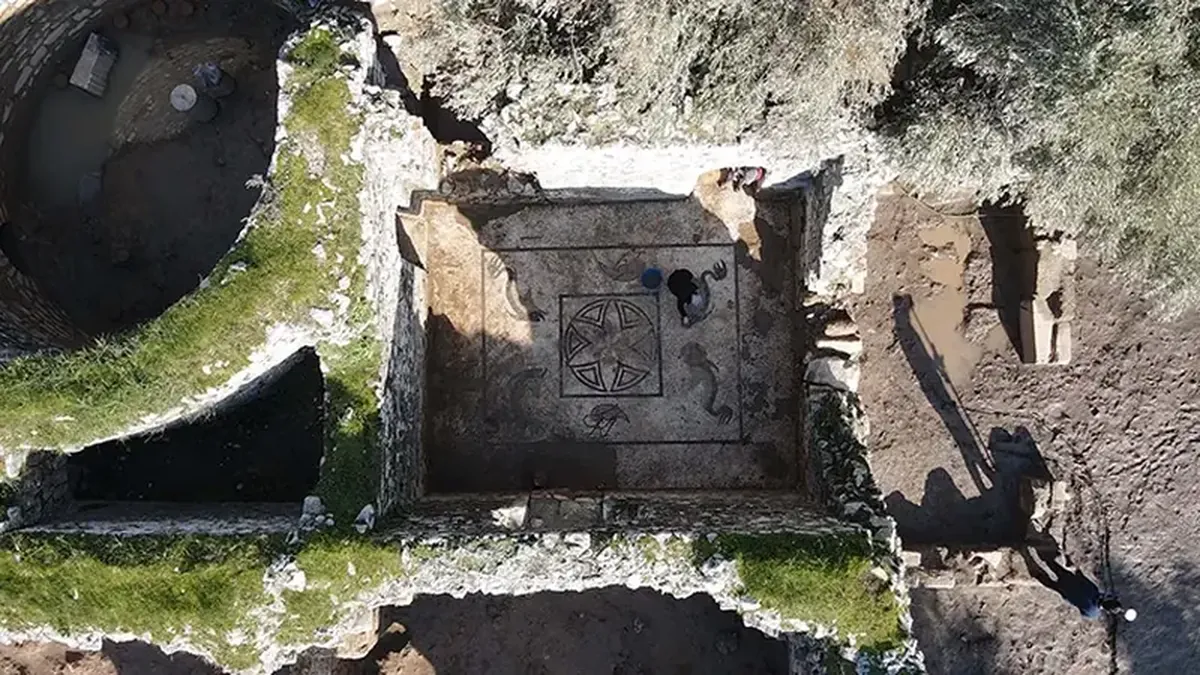
The bath’s solid construction helped protect the mosaics, keeping them remarkably well preserved for centuries. Locals, however, used the space pragmatically: it was a storage room at one time and, until recently, villagers tied their animals there.
The discovery sparked local interest — most residents had no idea such treasures lay beneath their feet.
Turcgen Aydin, a 68-year-old resident of the Kapakiri district, described his reaction to the archaeological find: “I tied my animals here for years to protect them from the rain and cold. When I saw the mosaics uncovered during the excavations, I was astonished. I never thought there was anything like this here. It turns out we were living on top of history without knowing it.”
