
 Gaby
GabyResearchers at the University of Bristol argue that dinosaurs’ mode of movement helps explain how they dominated the planet for so long.
Huge reptiles took over the planet and ruled it for about 160 million years. By evolving the ability to walk on two legs and later on four, they diversified and outcompeted other animals. They were the dominant terrestrial vertebrates from the end of the Triassic period (roughly 251.9–201.3 million years ago) until their disappearance about 66 million years ago during the Cretaceous period.
In a new study published in the journal Royal Society Open Science, the team described how dinosaurs managed to spread across the globe. Essentially, dinosaurs filled ecological niches that opened up after a series of environmental collapses. Because many dinosaurs could walk on two legs and some later moved on four, they had a distinct advantage during radical changes in climate and habitat.
Dinosaurs were part of a group called Avemetatarsalia, which evolved alongside a related reptile group, Pseudosuchia—the lineage that includes the ancestors of modern crocodiles. Live Science reported that these two groups emerged during the Triassic period after the Permian mass extinction about 252 million years ago.
What scientists have learned
Researchers studied the fossilized leg bones of 208 species of Avemetatarsalia, Pseudosuchia, and their closest relatives to track changes in posture and locomotion over time.
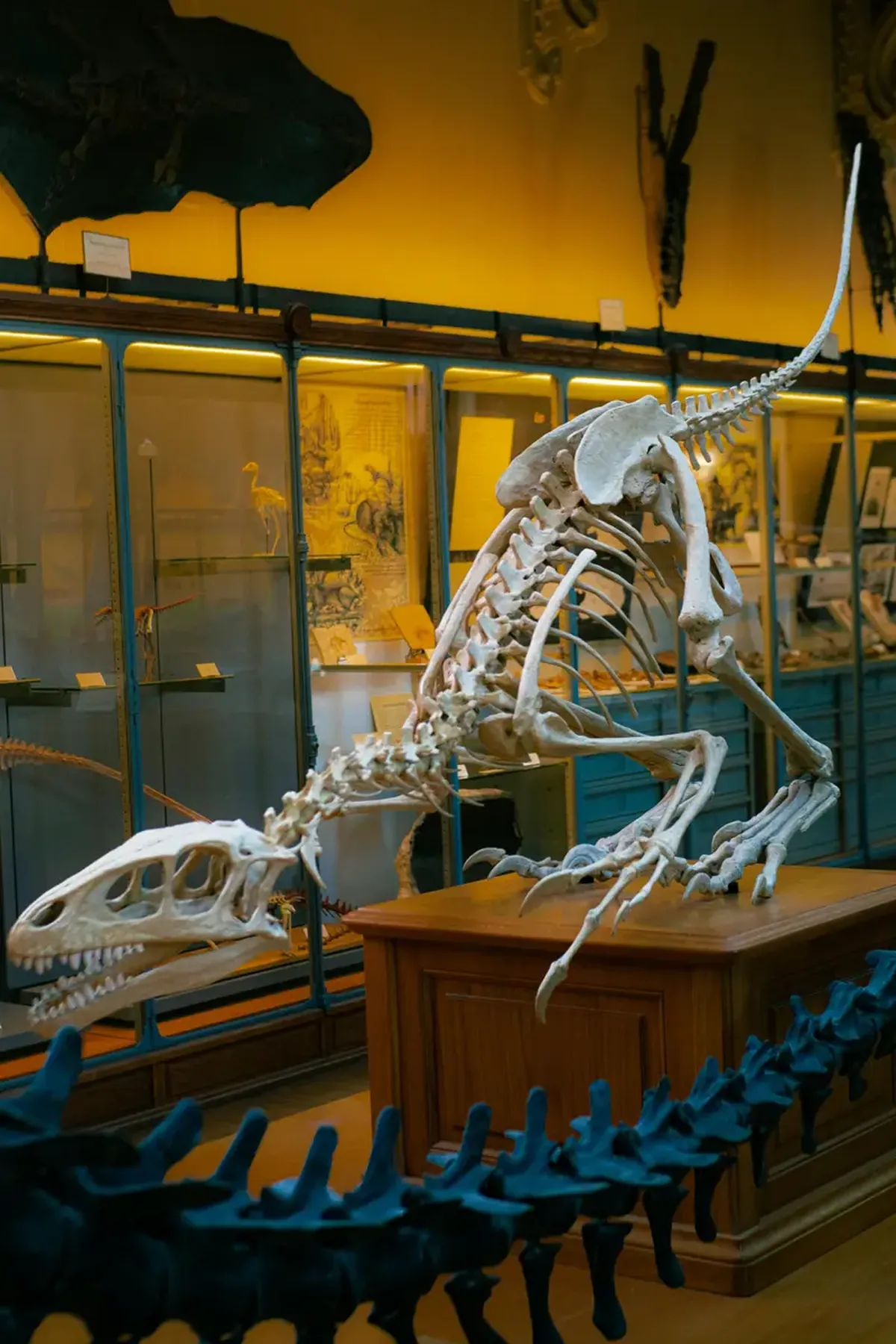
When Pseudosuchia first appeared, the group was quite diverse. Some members walked on their hind legs, but most retained a sprawling, quadrupedal gait. In contrast, early dinosaurs were bipedal and capable of running. That ability to move quickly improved their chances of escaping predators and hunting prey, which was a significant advantage in the arid Triassic environment.
“When it came to solving life-or-death challenges, adaptability in walking and running was crucial for dinosaurs,” said lead author Amy Shipley, a paleobiologist. “It’s quite possible that early dinosaurs conserved water like many modern reptiles and birds, but our data show that their flexibility in locomotion played a key role.”
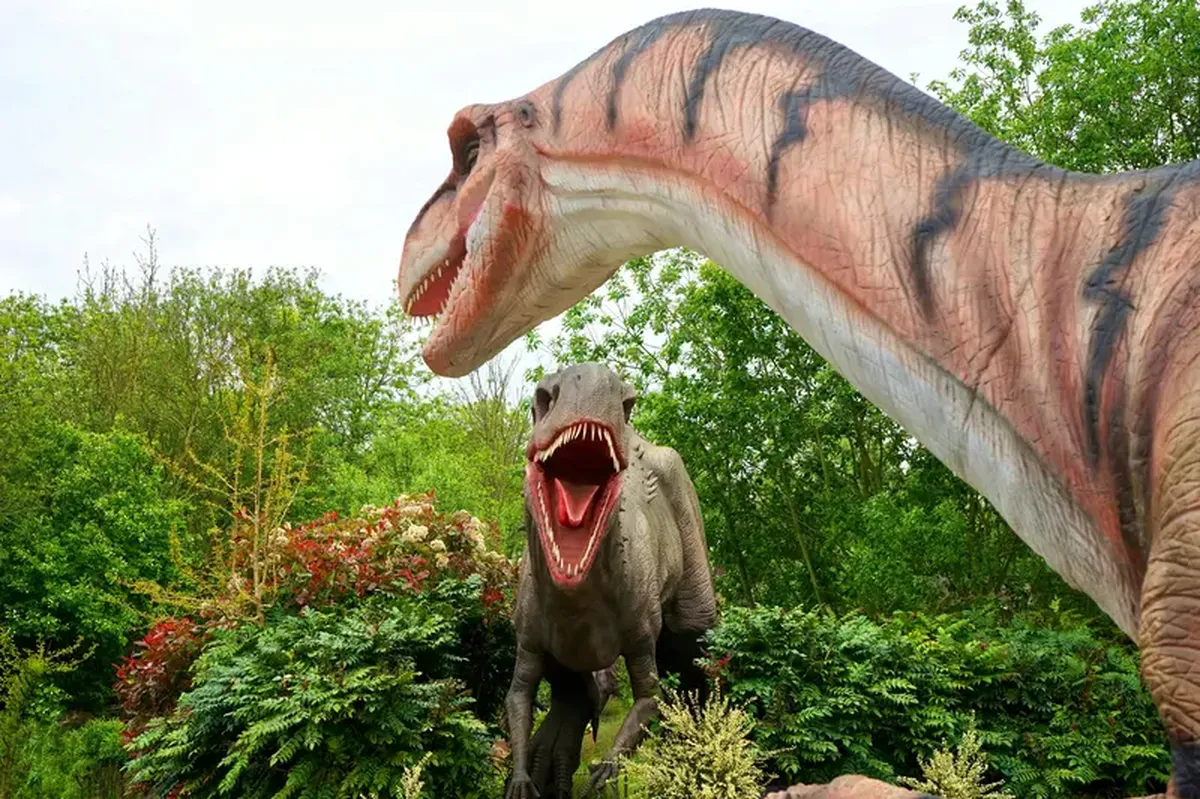
At the end of the Triassic, another mass extinction wiped out most Pseudosuchia, leaving mainly crocodylomorphs that continued to move on four legs. Some dinosaurs remained bipedal, while others evolved to move on all fours. That variation allowed dinosaurs to diversify and occupy a wide range of ecological niches.
“Their species diversity and emphasis on fast running let dinosaurs diversify as soon as ecological opportunities appeared. After the mass extinction at the end of the Triassic, we see truly enormous dinosaurs—over 10 meters long; some had armor and many moved on four legs, but there were also plenty of bipedal ones, like their ancestors,” said co-author Suresh Singh. “The variety of their posture and gait made them extremely well adapted and helped secure their long-term success on Earth.”
Dinosaurs also evolved other traits that aided their success, including feathers for thermoregulation and efficient breathing systems. But the researchers conclude that the wide range of locomotor strategies was a key advantage that helped dinosaurs dominate for many millions of years.
