
 Gaby
GabyHans Larsson, a vertebrate paleontologist from McGill University in Canada, discovered a rare Microraptor fossil while examining samples in museum collections in China.
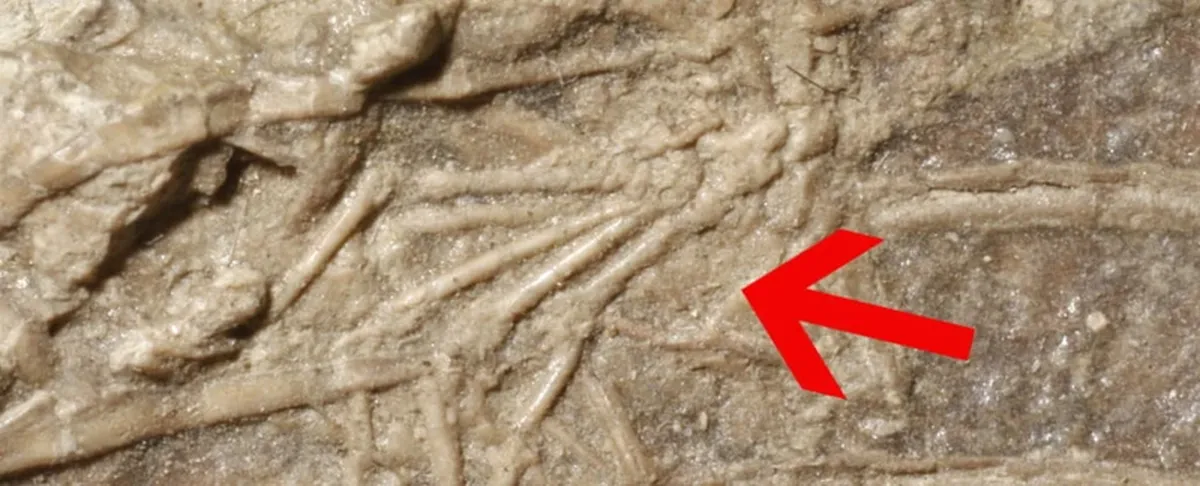
The remains of the dinosaur’s last meal were well preserved, ScienceAlert reported. Unexpectedly, Larsson’s team found that the Microraptor’s stomach contained a tiny—about one centimeter—mammal foot, possibly from a rodent.
Larsson said it was hard to believe. Previously, researchers thought these small dinosaurs fed only on birds, fish, and lizards.
Generalist predator
So who are the Microraptors? Researchers use that name for small, winged dinosaurs that lived in ancient forests in what is now China about 130 to 125.5 million years ago. The reptiles weighed no more than a kilogram. They were about 83 centimeters long including their long tails, making them some of the smallest dinosaurs of their time. Microraptors had wing-like structures on both their front limbs and their tails. Because of that, paleontologists called them four-winged dinosaurs and suggested they could glide using all four surfaces.
The first Microraptor fossil was discovered in Liaoning Province in northeastern China in 2000. Since then, paleontologists have studied only a few specimens. There is still much scientists do not know about them, particularly what they ate and how they hunted.

So far, researchers have found 21 Microraptor fossils with preserved stomach contents. Until recently, scientists believed these small dinosaurs hunted in trees, gliding from branch to branch to catch birds. Their diet was also thought to include lizards and fish. The new evidence shows they did not shy away from mammals either.
Larsson says this suggests Microraptors weren’t picky eaters. They may be among the first known generalist predators in the dinosaur ecosystem, the authors write in The Journal of Vertebrate Paleontology.
Learning more about Microraptors’ diets helps researchers understand how these dinosaurs evolved into the birds that live on Earth today.
