
 Gaby
GabyConcrete is a remarkable material the construction industry depends on. But it’s not perfect. One of the biggest problems materials scientists have wrestled with for years is its brittleness. Concrete has low tensile strength, so it tends to crack under load.
One solution has been developing concrete that can heal its own cracks. A team led by mechanical engineer Congruity Grace Jin at Texas A&M University has created concrete that repairs cracks using synthesized lichen.
The team says the invention outperforms previous “living” concretes that used bacteria for self-repair. Crucially, the new material is fully self-sufficient.
“Self-healing concrete using microbes has been studied for more than three decades,” the research leader said. “However, one major limitation persisted: none of the self-repair approaches were fully autonomous, because continuous repair required an external source of nutrients.”
Previous attempts to make “living” concrete with bacteria required engineers to spray nutrients to trigger repairs. The new study goes a step further.
Lichen as a panacea
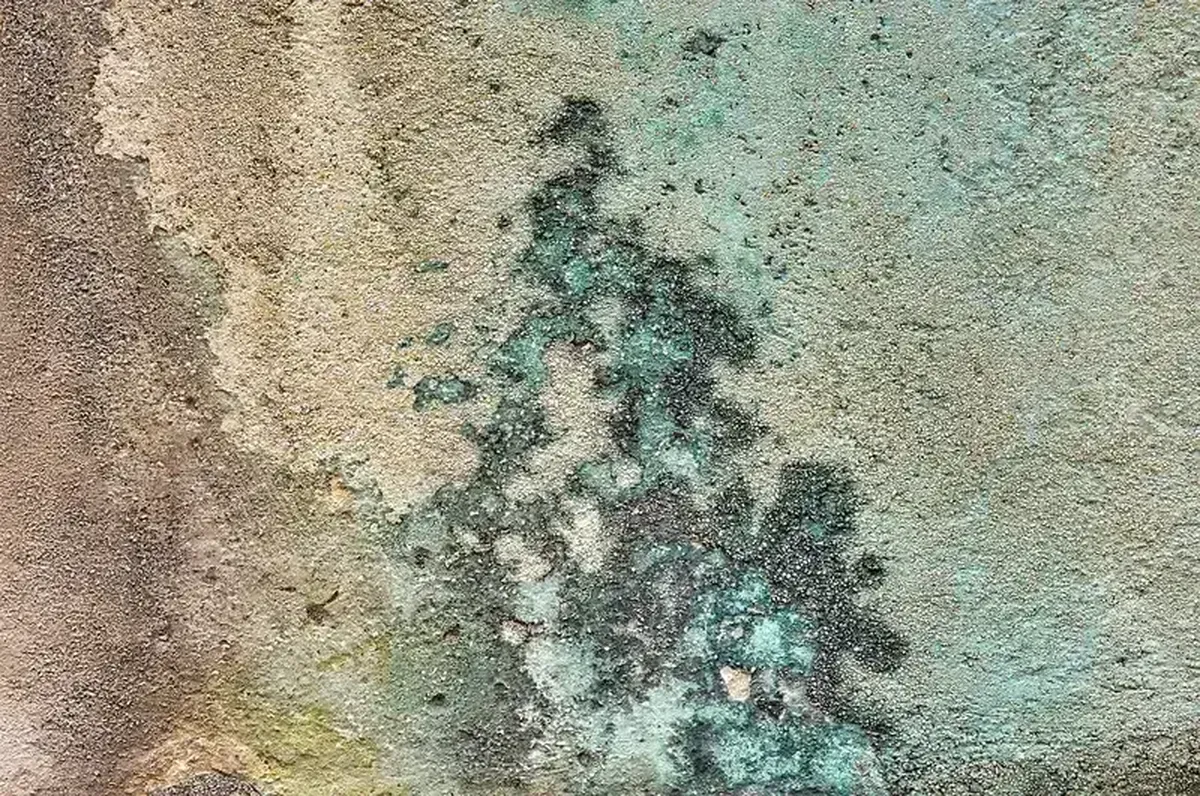
Ultimately, the team turned to lichens, Science Alert reported. Lichens aren’t single organisms; they’re symbiotic partnerships between fungi and cyanobacteria or algae.
The researchers developed a synthetic lichen that combines cyanobacteria, which absorb carbon dioxide and nitrogen from the air, with a filamentous fungus that attracts ionized calcium particles and promotes deposition of calcium carbonate (the material that makes up eggshells and seashells).
In lab tests, the lichen helped repair concrete by depositing calcium carbonate, sealing cracks and preventing them from spreading.
Unlike the bacteria used in earlier approaches, the lichen doesn’t need added nutrients or regular care — it just does its job.
That approach could extend the lifespan of a material vital to modern infrastructure.
The study was published in the journal Materials Today Communications.
