
 Carlos Solis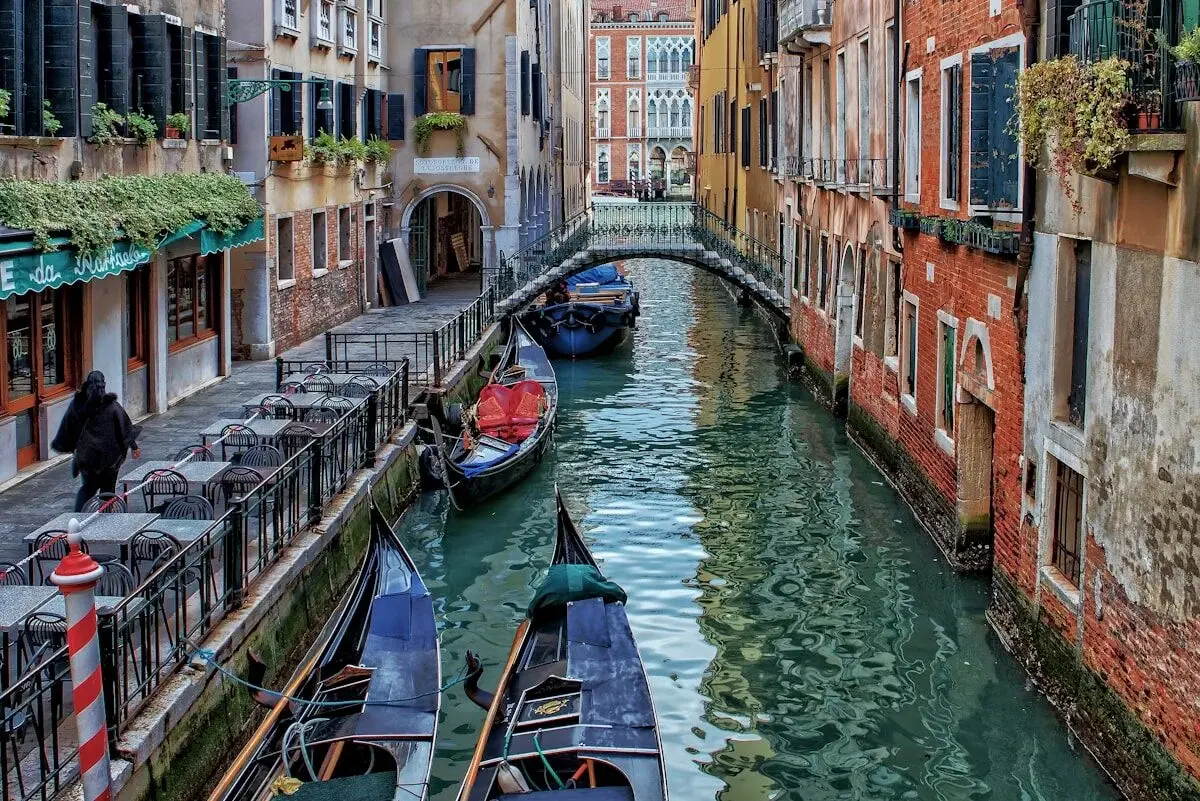
An international team of researchers has narrowed the options for saving Venice from complete flooding down to four radical plans. Is one of them the clear best?
Experts say Venice is steadily sinking because of rising sea levels, and all signs point to the possibility that the world could lose this UNESCO World Heritage site within the next three centuries.
Led by oceanographer Piero Lionello of the University of Salento (Italy), the scientists tested how well four rescue options for Venice would perform under projected sea levels tied to different future emissions scenarios.
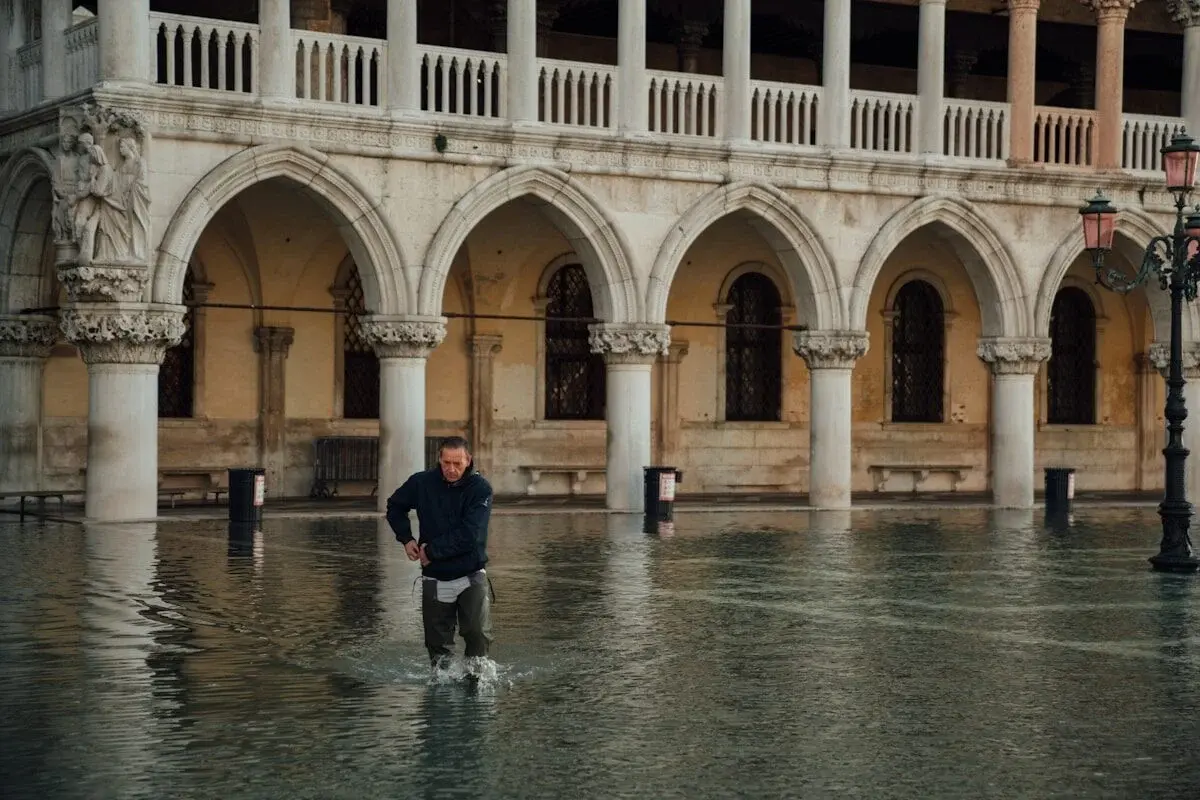
Venice’s situation is dire
Climate change stems from human activity — mainly burning fossil fuels, which boosts greenhouse gases and drives global warming. The excess heat is absorbed by the oceans, the land, the ice, and the atmosphere.
The combined effects of ice melt and the thermal expansion of the oceans, along with more frequent and intense storms, are causing the world’s seas and oceans to flood coastal areas.
For more than 1,600 years Venice has stayed afloat thanks to millions of wooden piles, but now the city faces a real threat of inundation. On top of that, the ground the city sits on is slowly sinking.
Over the past 150 years the city, its islands, and its lagoon have faced floods more and more often. Of the 28 extreme floods that together submerged more than 60 percent of the city, 18 have occurred in the last 23 years.
Right now the only protection from Adriatic storms is a narrow barrier island running along the lagoon’s edge, plus three movable barriers that entered service in 2022. What other options remain?
Four strategies to save Venice
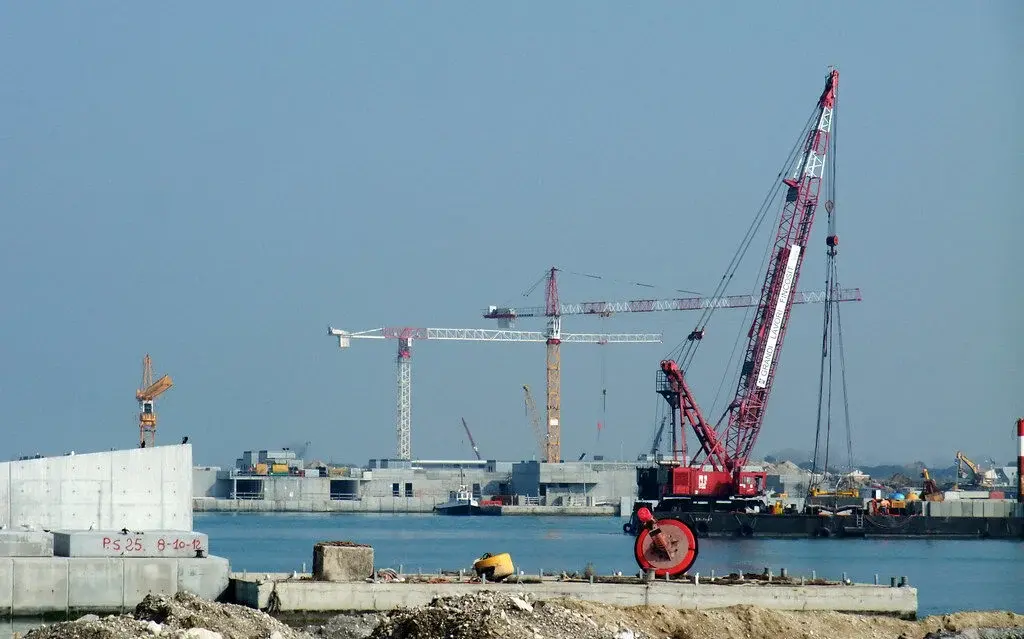
- Movable barriers (the MOSE system). This defense is already in place and uses movable gates at the lagoon inlets. Operators close the lagoon with these structures whenever the water rises 1.25 m. The current infrastructure cost about €6 billion. The problem is that, because of climate change, authorities have had to raise the barriers increasingly often (more than 100 times since 2020). That blocks port operations and threatens the aquatic ecosystem.
- Ring dikes around the historic center. This option would install permanent protective walls costing roughly €4.5 billion directly around historic buildings such as St. Mark’s Square. These structures are expected to protect the architectural landmarks even if the water rises 6 m. But those defenses would not enhance the city’s historic charm.
- Sealing off the Venetian lagoon. This more radical plan would build massive protective works that completely close the lagoon entrances. That could protect Venice even if sea level rose by 10 m. The project would require long construction timelines and about €30 billion in investment. If implemented, the lagoon could turn into a freshwater lake.
- Full relocation of the city. The most extreme scenario would be considered only if sea level rises by more than 4.5 m, when other measures would be ineffective. It would involve moving historic monuments and infrastructure to higher ground. That would cost about €100 billion. Of course, this scenario would mean the city loses its uniqueness, and Venetians would demand compensation for being relocated from their homes.
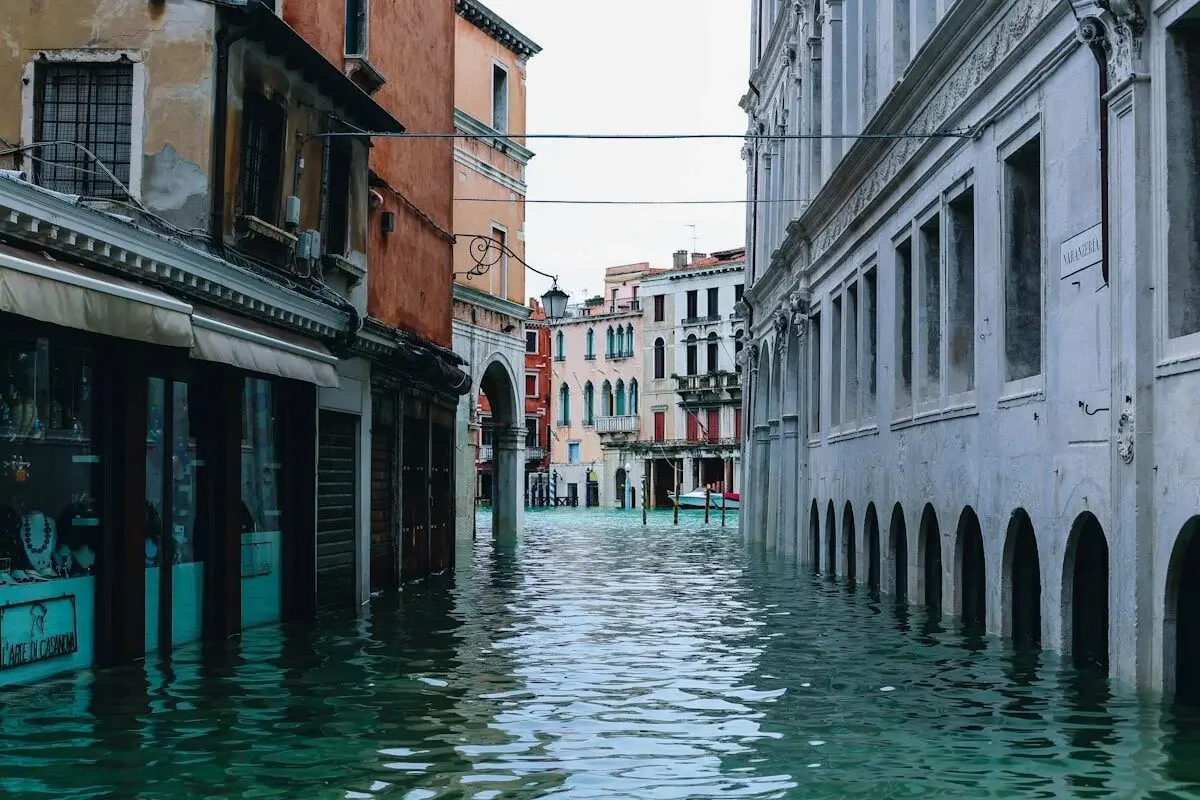
An uncertain future for Venice
“Given the insufficient international efforts to cut emissions and the inertia of sea-level rise, it is vital to consider radical transformations for the city of Venice and its lagoon,” the team wrote in a report for Scientific Reports.
The scientists say that under a high-emissions scenario and without additional adaptation measures, the current strategy of keeping the lagoon open will likely become ineffective by the end of the century.
Ring dikes currently look like the best option to the researchers. But the team warns construction must start now, because completing large-scale engineering projects like this could take about 50 years.
Photo: Unsplash
