
 Gaby
Gaby
If you spot a glass jar with a slippery, jelly-like film on a windowsill, that’s likely kombucha—also called a “tea fungus”—a fermented drink with a long history. Its origins are often traced to Tibet, where people first prized its healing properties. In this article, we’ll explain how to cultivate this culture at home, what benefits people claim from drinking it, and who should avoid it.
What Can Tea Fungus Do?
The supposed health effects of kombucha come from the gelatinous film that floats in its nutrient-rich liquid. That film is a symbiotic culture of bacteria and yeast. Kombucha creates a nourishing environment for these microorganisms. During fermentation in a covered container, the culture spreads across the surface and fills the available space. Yeast ferments the sugar into alcohol, and bacteria then oxidize the alcohol into acetic acid. The result is a tangy, sweet, carbonated drink with a low alcohol content similar to that of kvass. The drink’s reported benefits, combined with how easy it is to grow the culture, have helped kombucha become popular again.

Benefits of Tea Fungus
Kombucha is enjoyed by people of many ages and is commonly used to support immunity. The brew contains several organic acids—acetic, malic, citric, lactic, and gluconic—and is a source of vitamins C, B, and PP. Kombucha also contains enzymes, minerals, and substances with antibiotic properties.
People use kombucha to support the body’s defenses, help regulate metabolism, and aid liver and digestive function. Some say it helps eliminate certain toxins and salts that can build up in the joints, relieve headaches, ease heartburn, and help normalize blood sugar levels.
Treatment with Tea Fungus
Some people use this “potion” as a complementary approach after a stroke and in cases of limb paralysis, where relearning movement and sensation is necessary. Home preparations are sometimes used to try to regain sensitivity and support recovery.
Many believe kombucha has anti-inflammatory and antibiotic properties and that it can help lower blood pressure and reduce cholesterol. Others use it for migraines and various kidney, liver, and bladder complaints. It is also used to combat mental fatigue and to promote calm. Drink it a few hours before or after meals for best results.
Using Kombucha for Weight Loss
Kombucha may help speed up metabolism and support digestion. Drink a glass of kombucha before meals or 30–40 minutes after eating. On fasting days, enjoy the tea with honey or milk.
If the brew becomes too sour, remove the culture, rinse it, and transfer it to a separate jar, covering it with fresh sweetened tea. Keep kombucha out of direct light and store the jar in a dark place. Don’t fill the jar to the brim; the culture needs oxygen and can dry out if the jar is full.
Kombucha – Contraindications
Because it contains sugar, kombucha is not recommended for people with diabetes or for those trying to lose significant weight. Some people may have allergic reactions to ingredients in the drink. People with high stomach acidity should also avoid kombucha.

How to Grow Kombucha?
If possible, obtain a piece of an existing kombucha culture from someone who already cultivates it; this will speed up the process. If you don’t know anyone with kombucha, you can start the culture yourself. Begin with cooled black tea and strain it thoroughly so no tea leaves remain in the container, since leaves can harm the delicate culture. Avoid tea with floral additives or other flavorings; the culture prefers plain tea.
Method 1
For every cup of tea, use an equal amount or slightly less of natural apple cider vinegar. Mix the tea with the vinegar and pour it into a jar. Leave the jar in a warm, dark place for two weeks. After 14–15 days, you’ll see a thin film of young culture forming on the surface; it will begin to grow rapidly. Use plenty of sugar and tea, but avoid overly dark tea, which can increase the risk of heartburn. Keep the tea a light color by balancing it with vinegar. The finished brew may taste somewhat like birch sap.
Method 2
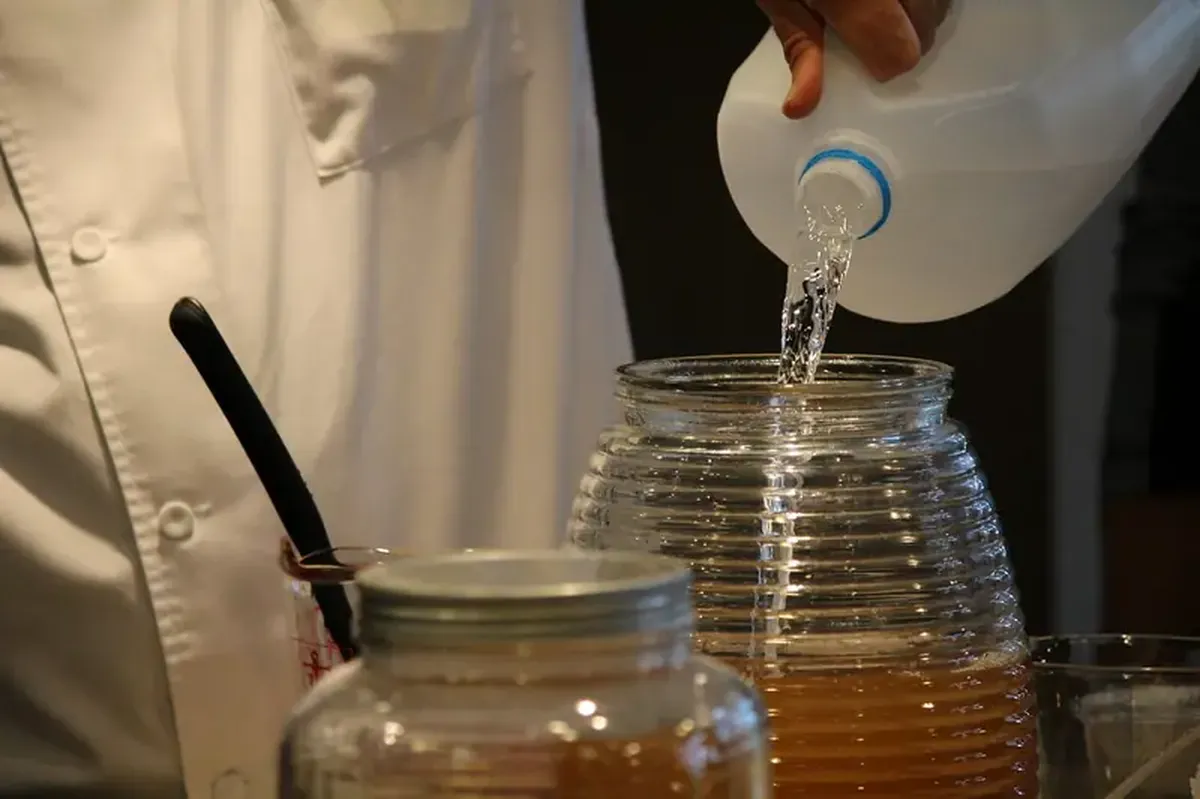
Leave sweetened tea in a warm place for a few days. When an oily film forms on the surface, carefully lift it out and transfer it to warm sweet tea (a three-liter jar works well). Keep the culture in a warm spot away from sunlight. In about a month to a month and a half, the kombucha will have grown. Remove it, dip it briefly in apple cider vinegar, and then place it back into freshly prepared sweet tea at room temperature. From then on, the culture will be ready to produce your drink. Every 2–3 weeks, rinse it under warm running water and clean the jar. Make sure the sugar is fully dissolved before pouring in the tea. Never sprinkle dry sugar directly onto the culture, as that can burn and kill it. You can substitute sugar with honey, but avoid artificial sweeteners.
Take care of your kombucha, and it will take care of you.
