
 Gaby
Gaby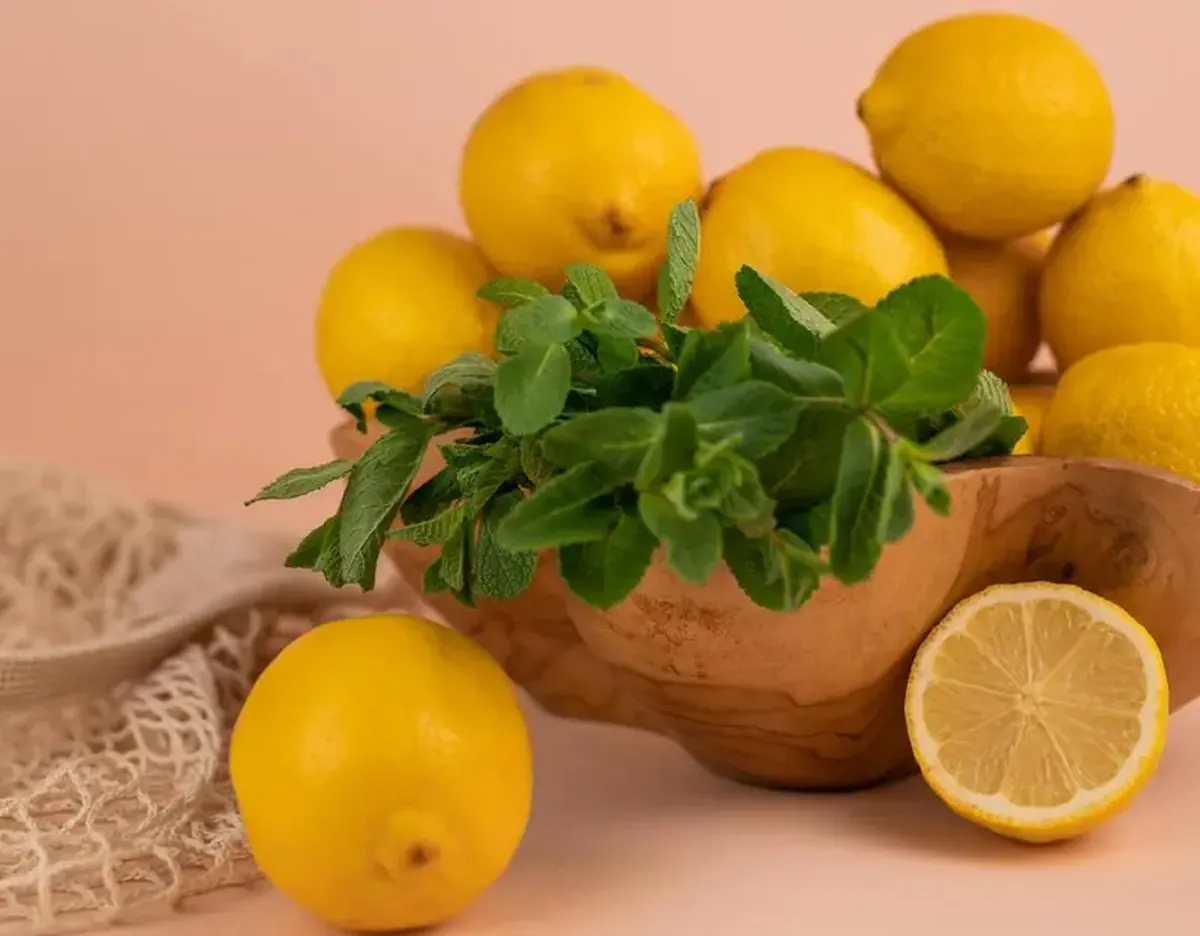
Once you discover what this fruit can do, you’ll probably want to grow a little tropical flair at home. The benefits of lemons go beyond their nutritional value—they also work as a natural cleaner, disinfectant, and fragrance.
Healing Composition
Lemon, ginger, honey, and nuts are among the most useful foods to keep in your home medicine cabinet. In lemon you’ll find organic acids, phytoncides, pectins, and flavonoids. Despite its sour taste, lemon contains up to 3.5% sugar (about three times more than strawberries). Key players in its vitamin profile include ascorbic acid, carotene, rutin, thiamine, and riboflavin. Its fat-soluble precursors of vitamin A and water-soluble vitamins P, B1, B2, and C help produce energy from proteins, fats, and carbohydrates, conduct nerve impulses, regulate metabolism, strengthen capillaries, promote cell growth and repair (benefiting blood vessels, bones, and gums), accelerate hair growth, combat seborrhea, enhance iron absorption, and prevent vitamin deficiency.

How Does Lemon Affect Blood Pressure?
Lemon is considered a remedy for atherosclerosis and hypertension. Consuming one lemon a day can lower blood pressure by about 10%. The potassium in lemons helps combat high blood pressure by reducing bad cholesterol levels in the blood, normalizing blood pressure, and improving heart function. Potassium also alleviates fatigue and nausea, energizing the body. Doctors often recommend incorporating lemons into the diet for heart health and to help protect against heart attacks. Regularly drinking lemon tea can have an effect similar to aspirin: the acid helps cleanse blood vessels and makes them more elastic.

Benefits of Lemon
Pregnant women are often advised to include lemon in their daily diet, since this citrus fruit supports fetal development. The antioxidants in lemons slow inflammatory processes and help guard against signs of aging. In folk medicine, lemons have long been used to prevent scurvy: vitamin C is found not only in the flesh and peel of the fruit but even in the leaves. Lemon zest boiled in honey is recommended to improve digestion (take 1 teaspoon half an hour before meals). The essential oils in lemons can have a calming effect and help curb excessive appetite. Lemon syrup (chopped lemon with flesh and peel—1 liter of water and 5 tablespoons of honey) is considered an anti-parasitic remedy; take 1 tablespoon before meals. Lemon is also used for wound care: applying the juice to affected areas can help prevent inflammation. Lemon is consumed for therapeutic and preventive purposes in some lung conditions. An alcoholic tincture of lemon zest (peel of two lemons—1 liter of water and 100 grams of vodka) can be taken in 1/4-cup doses as a stomach, anti-nausea, and sedative remedy.

What Does Lemon Water Treat?
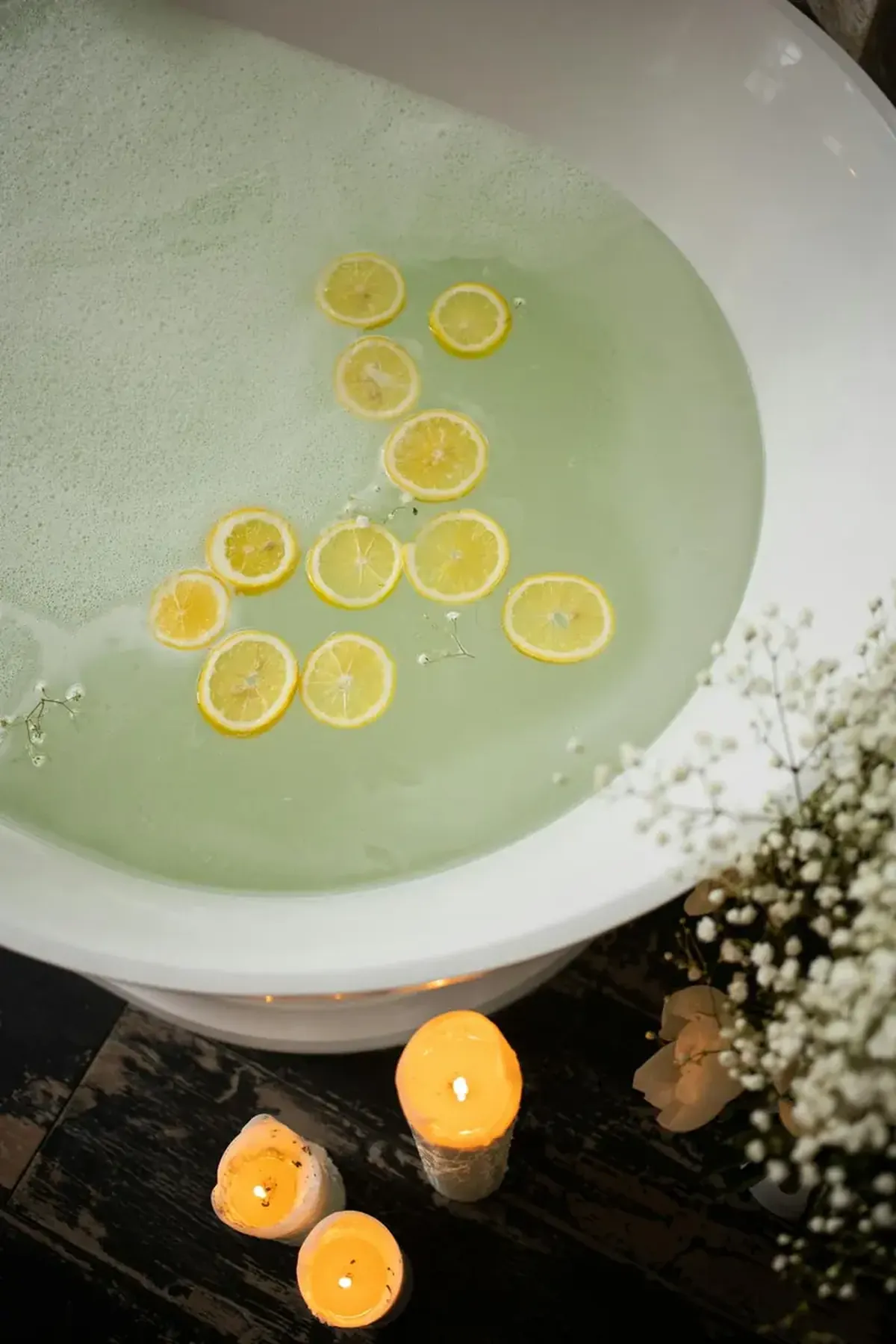
Lemon baths and compresses can be used for fungal skin infections and eczema (juice from half a lemon in 1 liter of cold water). Rinsing the mouth with diluted lemon juice (half a lemon in 1 liter of water) can help with inflamed mucous membranes and sore throats. This citrus is often included in the diet for rheumatism, gout, edema, kidney stones, jaundice, and even gastritis with low acidity. Lemon water can be used for kidney stones, some gastrointestinal complaints, and mineral metabolism disorders: dissolve the juice of a whole fruit in a liter of water and drink it three times a day. Natural lemonade is a good way to quench thirst during a fever: mix the fresh juice of one fruit with 5 tablespoons of sugar and dilute the syrup with a liter of water (this ratio works for any number of lemons). Lemon juice is also said to act as an antidote for snake bites or alkali poisoning. In such cases, drink a concentrated solution of lemon juice quickly: squeeze 3–5 fruits into a liter of water and take a glass every half hour.
Benefit or Harm?
As an ingredient, lemon enhances the flavor of fruit salads, pastries, drinks, and syrups. Lemon juice improves fish and meat dishes, cold appetizers, sauces, creams, and desserts. You can use lemon in both cakes and soups. The benefits of lemon are greatest when consumed fresh. Drink tea with lemon, ginger, and honey, but do not add lemon and honey to boiling water, since high temperatures destroy vitamins and other beneficial compounds. People with stomach issues, especially those with high stomach acidity, should avoid drinking lemon water. Lemon can also trigger allergic reactions such as rashes and itching—check for citrus allergies before consuming lemon.

Lemon Recipes
As warm weather arrives, refreshing citrus drinks become especially welcome.
Lemon and Honey Kvass
Ingredients: 9 liters of water, 2 lemons, 800 grams of honey, 800 grams of raisins, 2 tablespoons of rye flour, 15 grams of yeast.
Preparation: Mix the honey with sliced lemons and raisins. Pour 8 liters of cold boiled water with dissolved yeast and flour into the mixture. After a day, add another liter of boiled water to the mixture. When the lemons and raisins float to the top, strain the mixture through a sieve. Pour the kvass into bottles, adding 3 raisins to each bottle. Seal the bottles and store them horizontally in a cool place. The drink will be ready to consume in three days.

Cold Honey Drink
Ingredients: 2 lemons, 100 grams of honey, 2 eggs, 1 cup of sugar, 1/2 cup of strong hot tea.
Preparation: Beat the egg yolks with the honey, dilute with strong hot tea, and heat while whisking without boiling. Add the lemon juice, cool, and pour into tall glasses that have been chilled in the freezer. In a separate bowl, whip the egg whites with sugar, lemon juice, and zest, and place the whipped mixture on top of each glass before serving.
Homemade Lemonade with Honey
Ingredients: 5 lemons, 12 liters of water, 1 kilogram of honey, 30 grams of brewing yeast.
Preparation: Pour hot (but not boiling) water over the honey and add the yeast. Add lemon juice to flavor the drink. The next day, when fermentation begins, pour the homemade lemonade into bottles (sparkling wine bottles work well) and seal them, securing the corks with wire.

Quick Honey Lemonade
Ingredients: 1 tablespoon of lemon juice, 2 tablespoons of honey, 1 cup of water.
Preparation: Mix the lemon juice with the honey and dilute with boiled water to taste.
Lemon Life Hacks
Here are some methods our grandmothers used to keep the home clean and tidy.
- A lemon solution cleans dirty glass: mix 1 tablespoon of lemon juice in 1 liter of water.
- To remove water stains from faucets and metal sinks, rub them with the inside of a lemon peel and a soapy damp sponge, then dry with a cotton towel—the metal will shine.
- Use the same trick to restore shine to metal cookware: rub the dull surface with the inside of a lemon peel, then rinse with cold water.
- Porcelain items can regain their shine by rinsing with cold water mixed with lemon juice (squeeze half a lemon into 1 liter of water).
- Limescale on plumbing dissolves in lemon juice: squeeze lemon onto the surface and rinse with water after half an hour.
- For polishing furniture, prepare a homemade acidic-oily solution: mix 1/2 cup of lemon juice with 1 teaspoon of oil. Apply the mixture with a sponge to the furniture and wipe dry with a cloth after one minute.

For Scale and Stains
As a natural, low-toxicity option for people and the environment, lemon often outperforms many household chemicals.
- To tackle scale in a coffee maker, combine 2 tablespoons of crushed lemon zest, 2 tablespoons of salt, and 2 ice cubes. Add all ingredients to the coffee maker, shake vigorously for a minute, then remove the mixture and rinse the coffee maker—the scale will loosen.
- To remove scale in a kettle, fill it with water, add 2 tablespoons of crushed lemon zest, bring the water to a boil, and let it sit for an hour. After it cools, pour out the water and rinse to remove any detached scale flakes.
- Ink stains on fabric (from a pen or marker) can be treated with a 1:1 mixture of lemon juice and salt—apply to the stain and rinse with water after the stain lifts.
- Refresh laundry after washing by rinsing in water with lemon juice: use 2 tablespoons of lemon juice per 1 liter of water.

What Else Can It Do?
- Lemon can extend the life of fruits, eliminate unpleasant odors, ward off insects, and refresh the skin.
- To keep fruits fresh longer, place a lemon cut in half among them.
- Sliced lemons placed on refrigerator shelves will remove unpleasant odors within about an hour.
- A bowl of water with a few lemon slices can freshen a microwave: run the microwave for a couple of minutes, then wipe the interior with a damp sponge after turning it off.
- Boil water with the zest of three lemons in an uncovered pot to make the room air feel easier to breathe.
- The natural citrus aroma can lift your spirits and boost your energy, while the humid air with antimicrobial phytoncides can support respiratory health.
- To prevent moths in closets, stick 10–20 cloves into whole lemons and place the fruits on shelves where insects are a concern.
- If ants invade your home or balcony, smear surfaces with lemon juice and wait: the ants will usually leave the area within two days.
- Lemon water can soften and brighten facial skin, and when combined with cologne, glycerin, and whipped egg whites, it has been used to reduce freckles and age spots.
- Lemon can also help with brittle nails: soak your fingers in lemon water periodically.

How to Grow a Lemon Tree?
Having a lemon tree at home is a dream for many. Thanks to its high essential oil content, the plant can have a bactericidal effect in your living space. For indoor cultivation, choose seedlings with their own root systems or plants grafted onto rootstock. Look for plants with two or three mature leaves or short young shoots up to 15 cm long.
When purchasing, make sure the roots are not dry: to avoid harming the mycorrhiza, the roots should be covered with soil or moist sawdust. Do not plant the lemon in a large pot right away. Start in a one-liter pot, transplant it into a two-liter pot after a year, then into a three-liter pot, and after four years move it into a larger pot of up to 10 liters.
Lemons thrive in soil rich in humus. Leave about 1 cm of space at the top of the pot. When planting, bury the root collar of the seedling no more than 0.5 cm deep. After planting, mist the plant and water it with a pink solution of potassium permanganate. Position the seedling so the leaf surfaces face the light, and in summer shade the plant from direct midday sun. Lemon trees prefer diffused light and are sensitive to drafts. Avoid rotating the pot too frequently to turn the plant toward the sun—rotate it only once every 20 days, as excessive stress can harm the tree.
Chlorinated tap water can be harmful to citrus plants. Water the plant only with settled water (chlorine evaporates from an open surface within a day) and water only when the soil crumbles, not when it sticks together from moisture. In winter, warm the water for irrigation to about 30 degrees Celsius (about 86°F) to encourage growth and fruiting. During hot weather, mist the lemon tree regularly. A potted plant can bloom within a month, but remove the buds until the tree matures. Allow the lemon tree to bear fruit around five years of age; from that point on, you can expect a steady supply of lemons.
