
 Carlos Solis
 The common caution against having plants near the bed comes from the idea that during the day plants absorb carbon dioxide and release oxygen, but at night, when photosynthesis stops, they can produce carbon dioxide. However, some plants keep releasing oxygen even at night, making them good additions to your sleeping space.
Three houseplants stand out for both their looks and their ability to improve nighttime recovery by purifying the air and lowering stress: the peace lily, the areca palm, and the phalaenopsis orchid.
Peace Lily
With its elegant white flowers and glossy green leaves, the peace lily looks like a designer’s dream. This plant is a stunning addition to the bedroom, bringing harmony and calm just by being there. Above all, it tops the list of plants that can boost sleep quality. The peace lily (Spathiphyllum) is a champion at removing toxins from indoor air, which helps create a better sleep environment. It’s low-maintenance: water it only when the soil is dry and keep it in low light. The peace lily is also one of the few common houseplants that releases oxygen at night.

Areca Palm
The next pick for your bedroom creates the feeling of a tropical mini-jungle. The areca palm, also known as the golden palm, yellow palm, or butterfly palm, has a useful perk: it humidifies the air. This is most noticeable in dry environments; in a room with an areca palm, breathing often feels easier than in one without it. The palm’s ability to help maintain comfortable humidity contributes to better sleep, acting like a natural climate control and needing only light watering a few times a week. This plant adapts well to indirect sunlight.

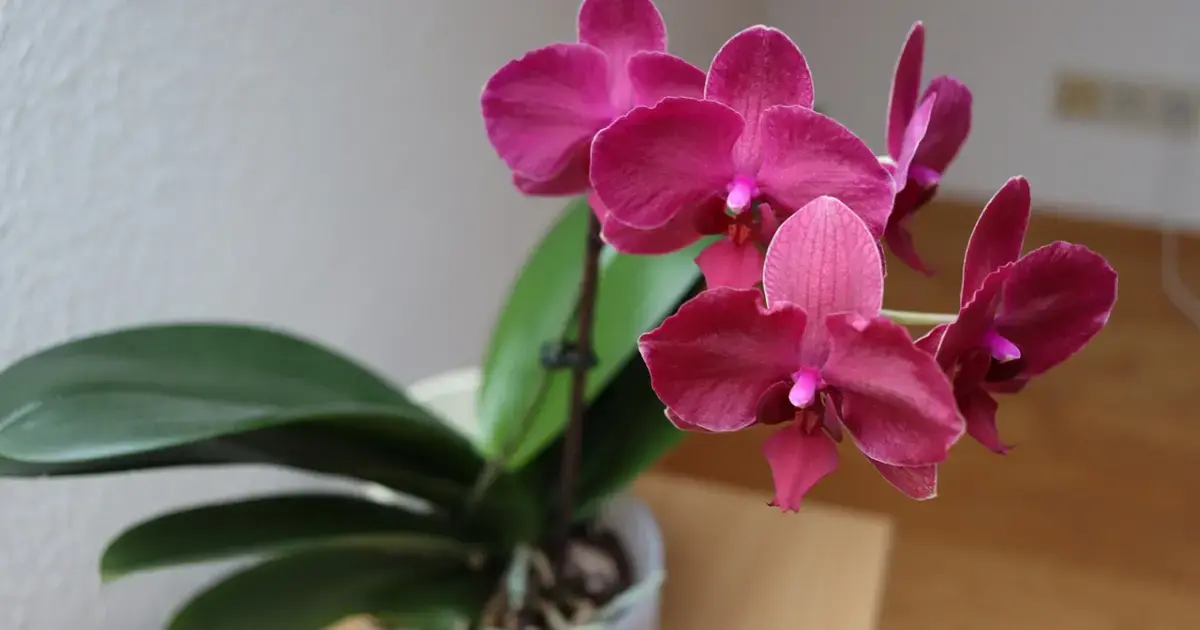
Phalaenopsis Orchid
This romantic, elegant plant with its striking blooms not only looks beautiful in a bedroom but also can improve air quality during sleep by releasing oxygen at night. The phalaenopsis orchid is an epiphyte in nature, thriving on tree trunks, branch forks, hollows, and bark crevices, and it can also grow as a lithophyte on moss-covered rock outcrops. Water this tropical orchid about once a week and keep it in indirect sunlight for best results.
Try sleeping with one of these botanical ‘guardians of tranquility’ and see whether your mornings feel fresher.
Photo: pixabay.com
