
 Carlos Solis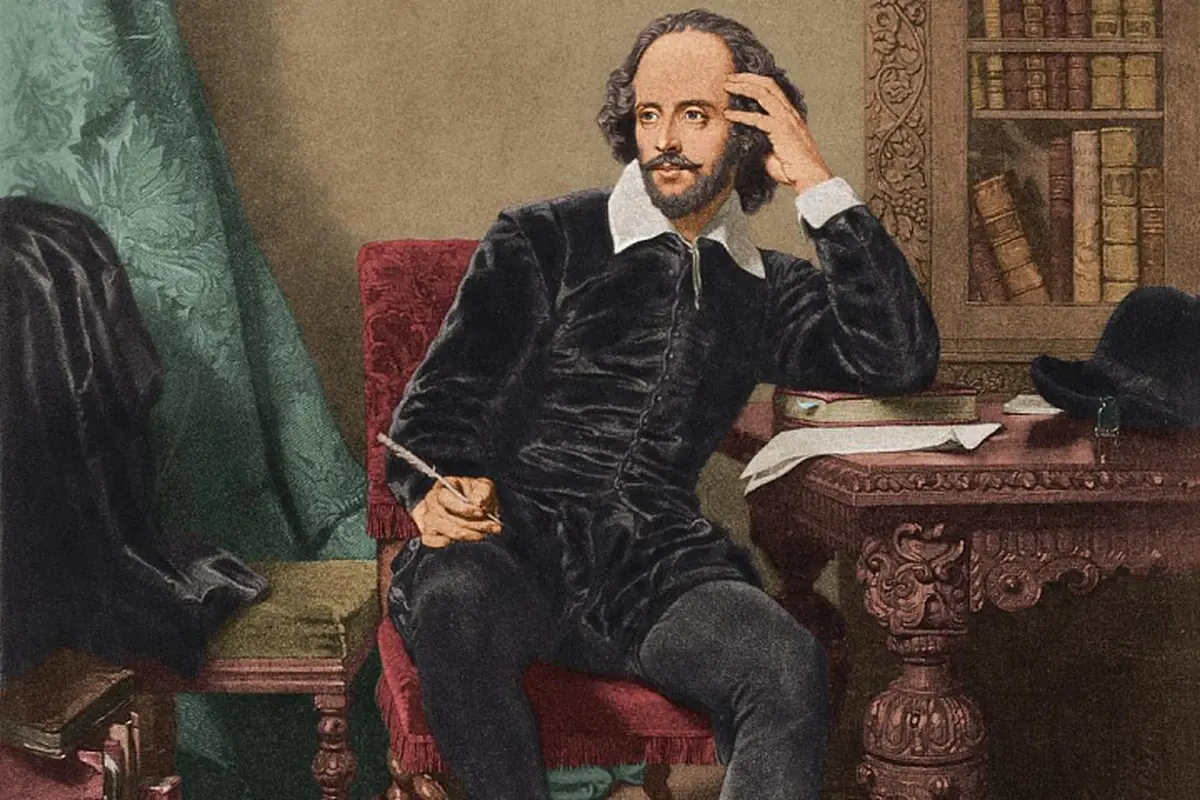
A team of scholars led by Professor Lucy Munro of King’s College London has pinpointed the location of the estate William Shakespeare bought in 1613. The house itself, sadly, no longer survives.
The study showed that in the final years of his life William Shakespeare (1564–1616) spent more time in London than previously thought. The discovery matters because it concerns the only London property the playwright acquired three years before his death. Before that, Shakespeare had been living in rented rooms in the capital.
So where was the ‘lost’ house located?
Scholars knew that Shakespeare’s house in the Blackfriars district could have adjoined the Great Gate of the 13th-century Dominican priory. The estate’s exact location, however, could only be guessed.
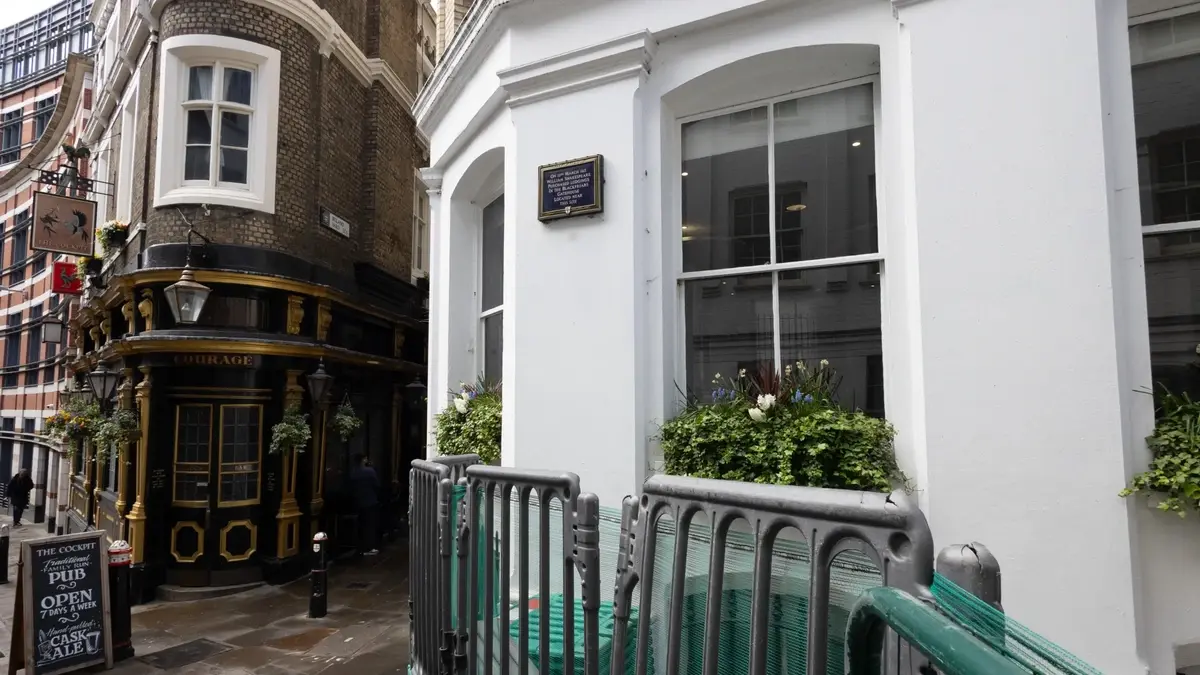
Working in three London archives, Professor Munro discovered the precise location of the house where Shakespeare spent his last years.
The house stood on one of the streets in Blackfriars. Today, in the City of London, the buildings at 5 Bergon Street and 5 St. Andrew’s Hill date from the late 19th century.
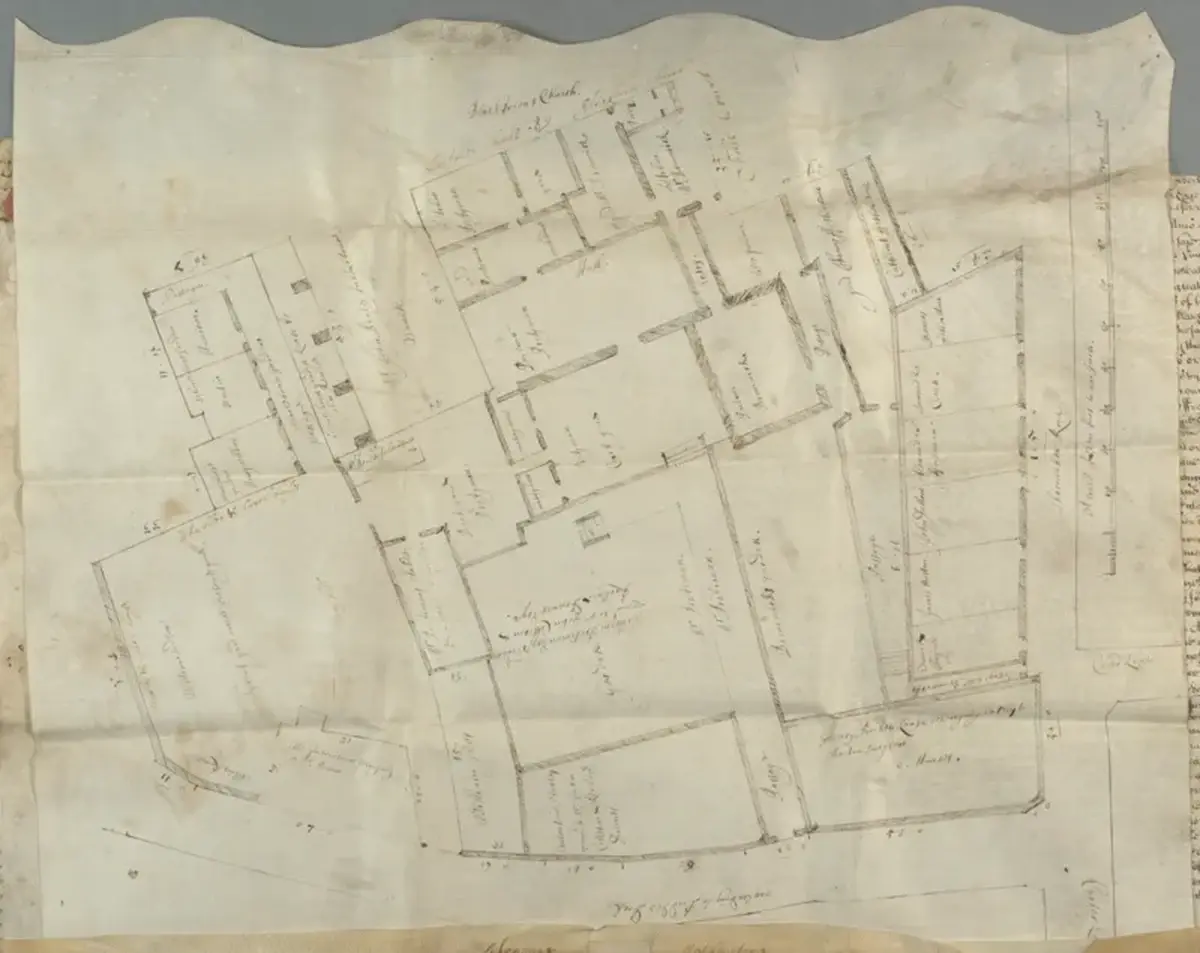
That conclusion was confirmed by a plan of the Blackfriars area created in 1668 — after the Great Fire of London (1666). The plan indicated the property’s dimensions, although the property was only partially marked. The portion of the plot that adjoined the gate was not included in the post-fire building plan because it had no foundation.
One of the documents the team found showed that the playwright’s granddaughter sold the prestigious property a year before the fire, the BBC reports.
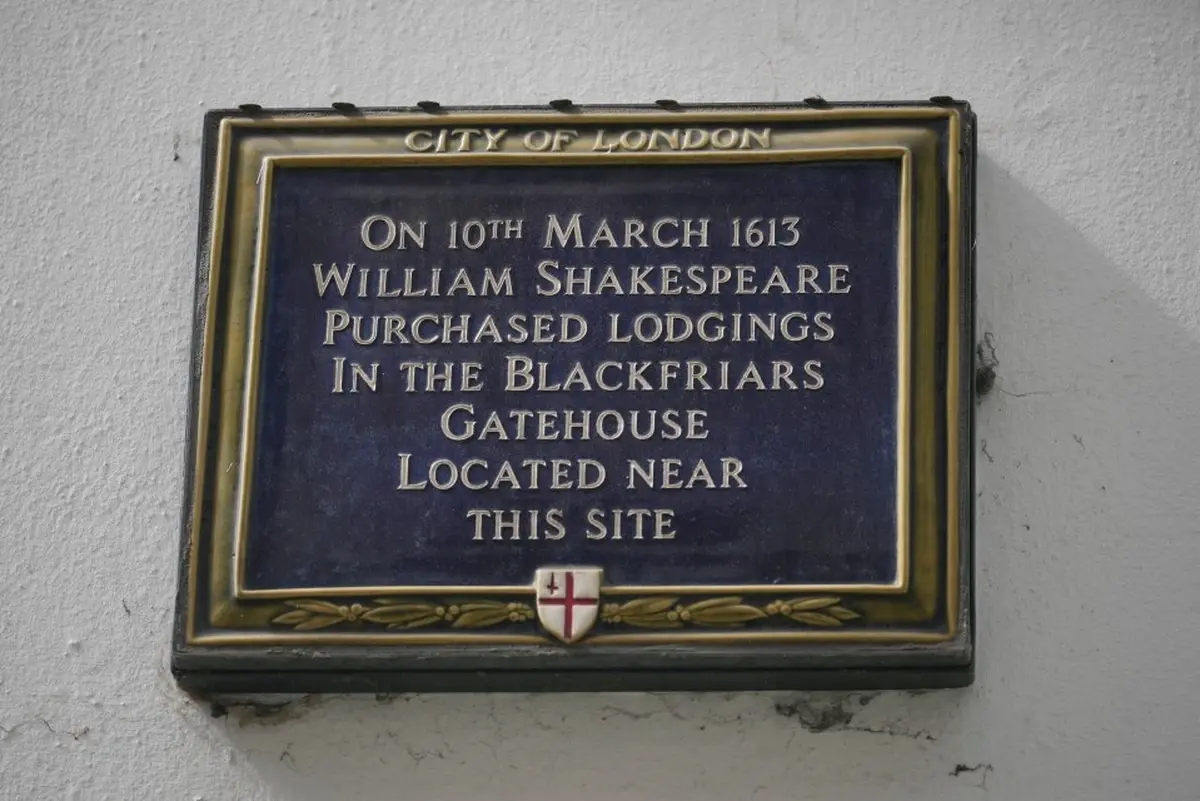
We can now say with confidence that the blue plaque on St. Andrew’s Hill marks the spot where Shakespeare’s house once stood, not beside it, Professor Munro pointed out.
What else did the team find?
Scholars previously argued that in 1613, after ending his theatrical career, Shakespeare moved to his native Stratford-upon-Avon, where he had earlier bought a large house. The newly discovered evidence contradicts that theory.
In 1613 Shakespeare co-wrote the tragicomedy The Two Noble Kinsmen with John Fletcher. The new data about the playwright’s Blackfriars house suggest he may have written the play while living in that residence.
“I couldn’t believe my eyes when I realized I was looking at a plan of Shakespeare’s house in Blackfriars,” Professor Lucy Munro said. “Because we hadn’t been able to gather more evidence on this question, the research stalled for a while. These findings will help us tell the full story of Shakespeare’s house.”
The Daily Mail reported that over the years the buildings on the site of Shakespeare’s house have housed a print shop, a printing-ink manufacturer, the National Book Association, a construction firm, a carpet shop, and more. Today the premises are occupied by real estate agents and investment managers.
