
 Carlos Solis
 Everyone believes their furry friend is the smartest. Animal behavior experts have proposed a series of tests dog owners can use to assess their pet’s intelligence.
If the results turn out to be modest, there’s no need to be upset. After all, this is a great opportunity to spend more time with your dog and focus on training. Besides, you will still love your four-legged companion because, to you, they are the best.
The main criterion is how quickly your dog completes the task. So, let’s get started!
The Sneaky Towel
Place a towel or small blanket on your dog’s head and see how quickly they can free themselves.
Animal psychology expert Zazie Todd told the Daily Mail: “Every time your dog encounters a new situation where they need to act, you are testing their problem-solving skills.”
However, Todd warned that the towel test could be a negative experience for a nervous or shy dog. She says it’s best to give tasks that provide a positive experience, such as learning to retrieve a treat.

Hidden Treats
This test will help assess your dog’s ability to learn and remember information. The dog must do a little thinking to get a treat.
“Hide the treat when you leave the room, then allow them to come back in and find the tasty reward. Do this a second, third, and fourth time to see how many attempts it takes before they confidently run to that spot to check for the treat,” Todd explained.
If you consistently hide the reward in the same spot, a smart dog will quickly realize they don’t need to sniff around everywhere to find food. Todd says most pets learn this lesson after just a few tries.
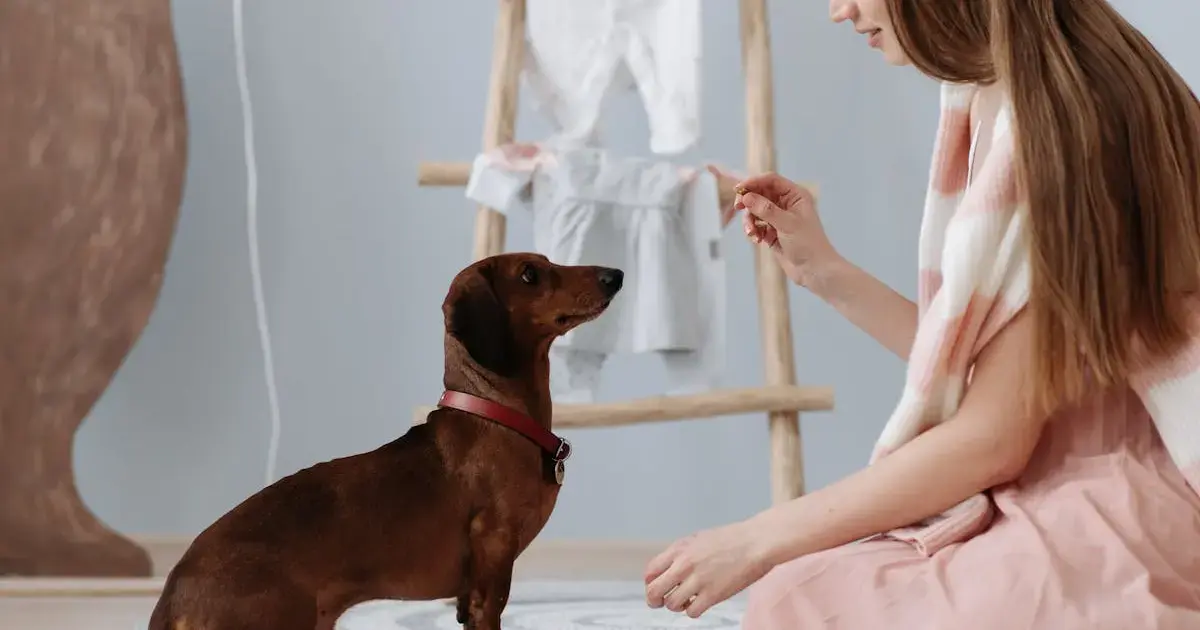
The Cup Riddle
The next test is essentially a variation of the classic shell game, where players must find a ball under one of several disposable cups.
Dr. Juliane Kaminski, director of the Dog Cognition Center at the University of Portsmouth, explained: “This simple test involves taking two identical cups, hiding food under one of them, and then showing the dog where it is.” If the dog can choose the correct cup just by following your cue, it means they understand you and your gestures well.
To make the test more challenging, show the dog where the food is under one cup. Then, move the cups around several times.
“You switch the cups in front of the dog, but it’s still very difficult for them to figure out where the food is,” the expert says.
Trust Test
Take your dog by the front paws and gently push them toward a wall. The idea is that a cautious and independent dog will stop themselves when they touch the wall, while an obedient and trusting dog may not.
Dr. Kaminski says: “Typically, the tests we use are designed to assess specific cognitive functions such as logic, reasoning, memory, and problem-solving, rather than creating an uncomfortable situation and observing the dog’s reaction to it, as in this case.”
Whether the dog stops itself from hitting the wall or not primarily helps assess its level of trust in the person who is raising them. The result also indicates whether the animal can act independently. This is important because even a highly intelligent dog will not be able to complete a task if it heavily relies on its owner.
However, Dr. Katrina Tiiira, a dog psychology expert at the University of Helsinki, has a slightly different view: “A dog’s readiness for training is best indicated by their ability to seek help from people, rather than their success in solving complex problems.”
If you think this test isn’t fair for your pet, try a different check: Place a treat where the dog can’t reach it. See how quickly it asks you for help.
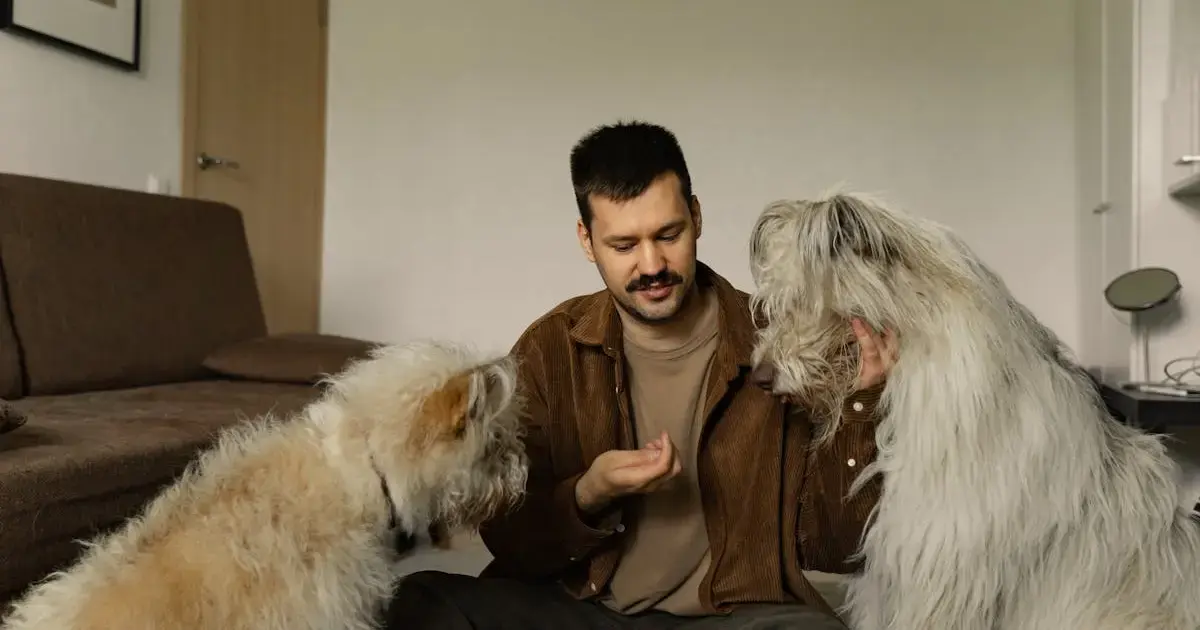
The Barrier Problem
To scientifically assess dog intelligence, Dr. Tiiira and her colleagues at the University of Helsinki developed a standardized set of tests called the SmartDog Battery.
One of these, known as the V-detour test, is an excellent way to check a dog’s spatial reasoning. You need to create a V-shaped barrier through which the dog can see objects on the other side but cannot cross. A corner of a dog crate or a piece of wire fencing will work.
Show the dog a few treats, then place them on the opposite side of the barrier without bypassing it, and then release the dog. Initially, they will likely head straight for the treats, forgetting about the barrier, before realizing they need to go around it. The quicker the animal reaches the treats, the smarter they are.
The test not only assesses the dog’s spatial reasoning but also measures its “inhibitory control,” which is the ability to suppress impulses and resist distractions.
Previously, researchers believed that more impulsive dogs needed more time to understand they should go around the barrier rather than through it. However, Tiiira argues that it’s actually the opposite: the faster a dog finds the detour, the more impulsive it may be.
Photo: pexels.com
