Gaby
Gaby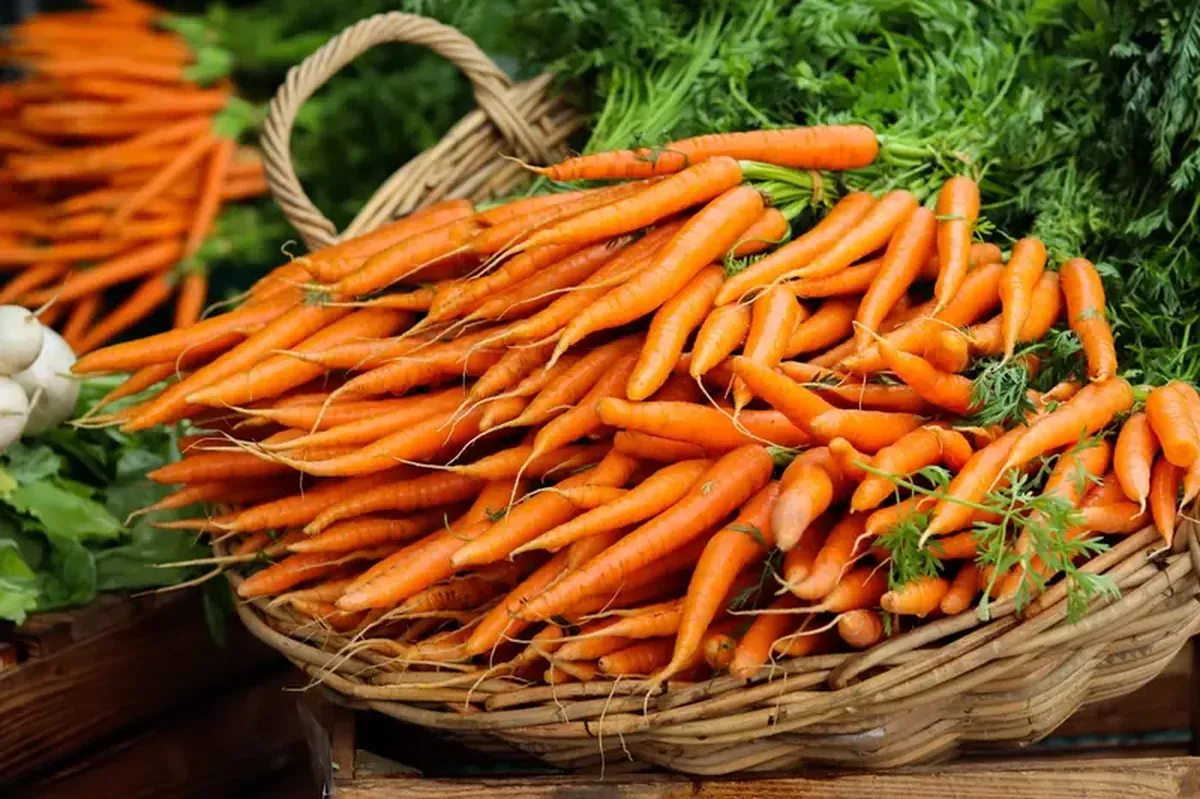
Founded in 2003, this unique holiday celebrating the humble carrot has become an annual occasion for promoting this nutritious vegetable, hosting themed parties (Carrot Party), offering children’s entertainment with carrot treats, and featuring special menus in cafes and restaurants. Let’s celebrate this day by learning something new and trying a few recipes.
The Maiden and the Roots
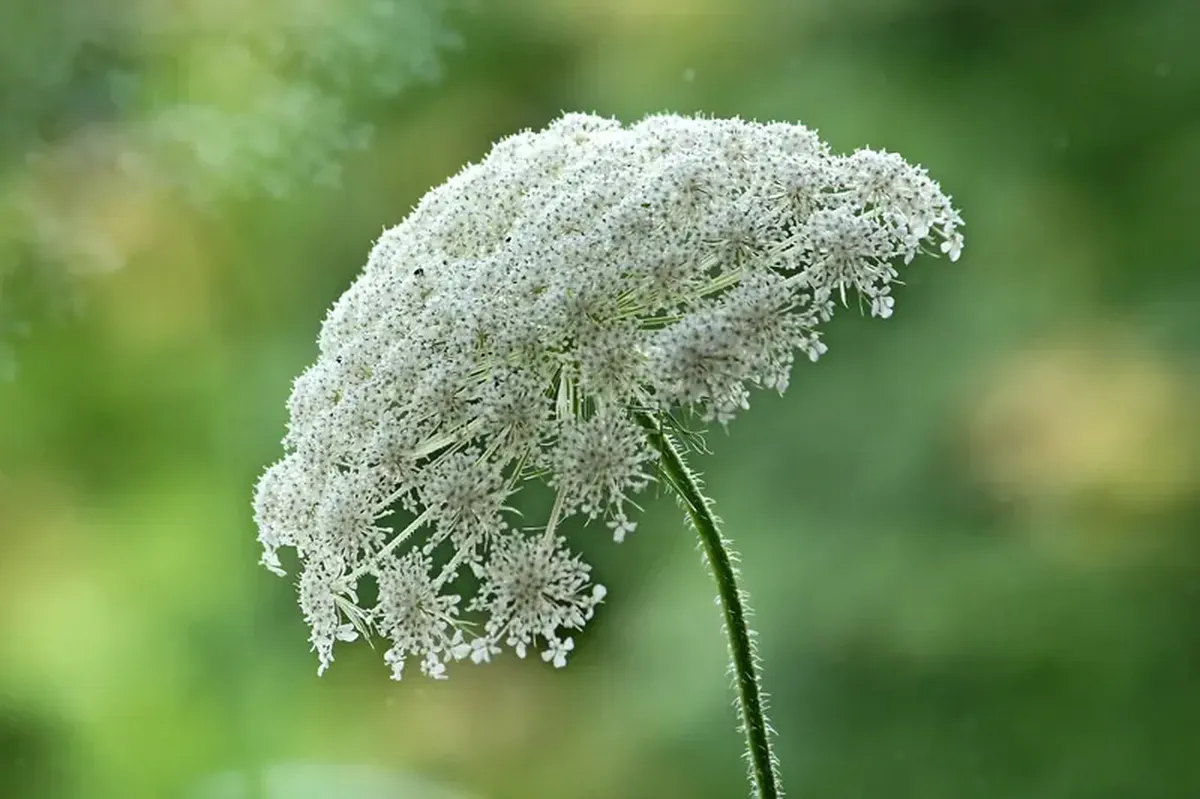
We start with a riddle: “A girl sits in a dungeon, while her braid is outside.” The riddle describes the carrot. In gardening the carrot is usually biennial (sometimes annual or perennial): in the first year it develops a root and a leafy rosette, and in the second year it sends up a seed stalk and produces seeds. All four parts of the plant can be used: the root and greens for food, the flowers for medicinal uses, and the seeds for extracts, essential oils, or health infusions.
How to Use Carrot Greens?
Carrot greens—the “girl’s braid” in the riddle—are full of nutrients and shouldn’t be tossed. Brew them like tea, add them to salads, or use them in soups. They also have medicinal uses.
- Regular consumption of an infusion made from carrot greens can reduce the severity of hemorrhoid and varicose vein symptoms. Steep one tablespoon of carrot greens in a cup of boiling water, let it sit for a couple of hours in a covered container, strain, and drink one tablespoon three times a day before meals or apply a tampon soaked in the infusion to the affected areas.
- Applying compresses soaked in carrot-green broth to the lower abdomen daily can relieve symptoms of prostatitis.
- Kidney stones can be treated with a warm infusion made from 2 tablespoons of dried carrot greens in half a liter of boiling water: steep for eight hours and take without interruption for eight months (50 g four times a day, half an hour before meals).
- For cystitis, steep 2 tablespoons of dried carrot greens in two cups of boiling water for about an hour and drink the broth three times a day before meals.
Using Carrot Flowers and Seeds
The flowers of the carrot contain anthocyanins and flavonoids (quercetin, kaempferol), while the seeds contain flavonoids, fatty oils, and essential oils. The upper parts of the plant are used in pharmaceuticals and cosmetics. From the seeds, a medicinal preparation called daucarin is obtained; it has a spasmolytic effect and is used to help with atherosclerosis and angina by dilating coronary vessels and compensating for coronary insufficiency.
The Potential of the Root Vegetable
Carrots are widely used in cooking. Across cuisines, the root appears in soups and main courses, side dishes, desserts, juices, and beverages. In complex recipes, carrots act as a fragrant spice to enhance other flavors.
When selecting carrots, consider the following recommendations:
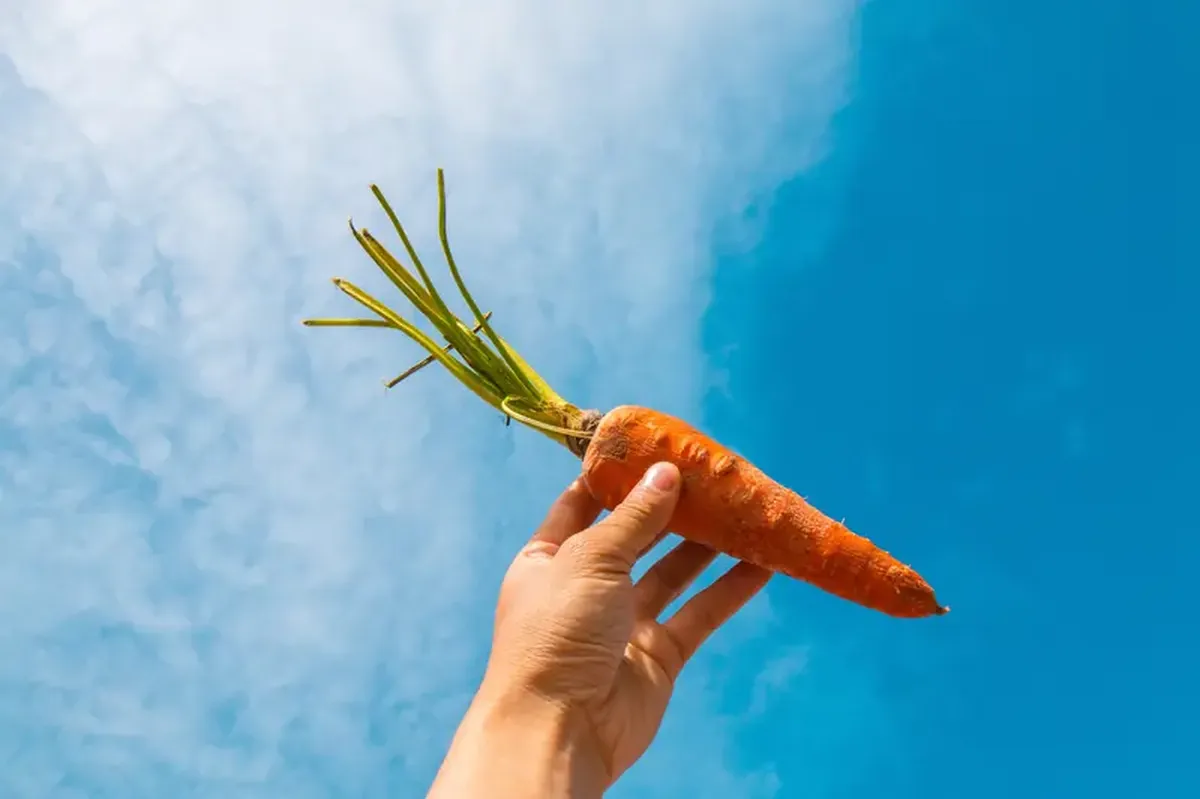
- The root should be firm, without visible defects or whisker-like roots—”hairy” carrots often didn’t get enough nutrients while growing;
- Quality is indicated by a smooth surface and vibrant color;
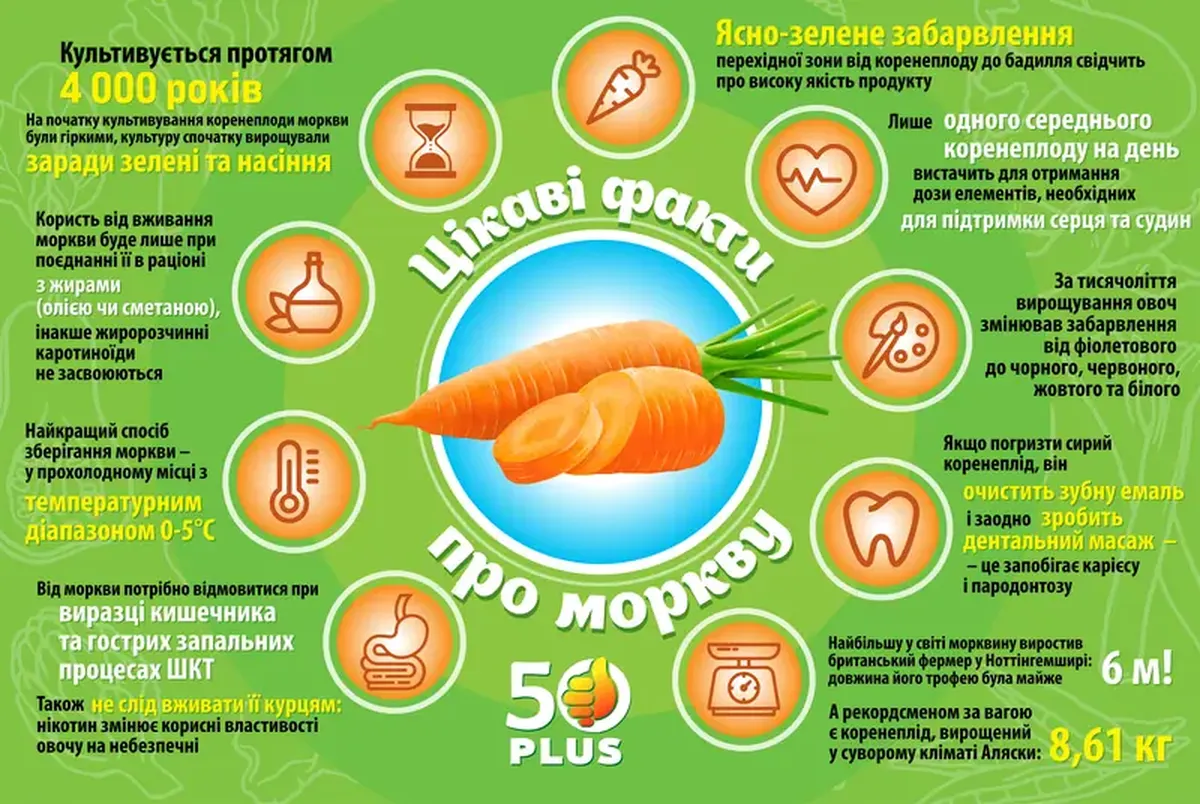
- A pale green color where the root meets the greens often signals freshness;
- The best way to store carrots is in a cool place at about -5°C to 0°C: under these conditions the vegetable will retain freshness for several months.
The carrot root has activating properties that stimulate intracellular redox processes, epithelialization, and carbohydrate metabolism. It is a powerful dietary remedy for vitamin deficiency.
Myths and Cautions
When eating carrots, know the limits and avoid common misconceptions.
- Carrots sometimes get a bad rap for sugar content, but the sugar level is moderate (3–15%). At the same time, other compounds in carrots can help lower blood sugar.
- Some reports claim that nicotine alters the beneficial properties of carrots (and tomatoes) in smokers; smokers are often advised to avoid them.
- It is incorrect to assume that larger carrots are more beneficial. The larger the root, the greater the risk it contains high levels of nitrates used during cultivation.
- Not everyone benefits equally from this root. Avoid carrots in cases of intestinal ulcers, acute inflammatory processes in the gastrointestinal tract, and a tendency toward diarrhea.
- Although clean carrots look more appealing, it is often better to buy carrots with some soil still on them. Washed vegetables do not store as well: they darken and wrinkle within a few days. To keep a washed product looking marketable longer, growers sometimes treat it with sodium metabisulfite; accumulation of this preservative in the body may contribute to liver damage.
- Carrots should generally be avoided in cases of liver disease because an unhealthy liver cannot process carotene properly. Stomach ulcers and enteritis are also contraindications for consuming carrots.
- Because of specific proteins, carrots can be allergenic. Reactions may include skin itching, dermatitis, and digestive or respiratory disturbances.
Healing Composition of Carrots
Plants produce essential health substances that people cannot synthesize. Some components found in carrots do not accumulate in the body, so they should be replenished regularly through diet.
Carotene in Carrots
The orange color of the root signals the presence of beta-carotene – a precursor to vitamin A that supports cerebral blood circulation and metabolism, helps memory, maintains healthy epithelial cells, sharpens vision, and supports reproductive function. Beta-carotene gives carrots immune-supporting, adaptogenic, and antioxidant properties. Carrots lead vegetables in vitamin A potential and are rich in carotenoids: carotene, lycopene, phytoene, and phytofluene.
Biotin in Carrots
This “growth vitamin” supports cell renewal and the metabolism of proteins and amino acids.
Vitamins and Minerals in Carrots
The root contains a spectrum of trace elements needed for vital functions. Vitamins B1, B2, B3, C, E, K, and PP help regulate essential processes. In particular, vitamins C and E help slow aging, while vitamin K supports blood clotting. Potassium benefits cardiovascular function, chloride helps maintain the body’s water balance, and calcium and phosphorus strengthen teeth and bones. Potassium, calcium, magnesium, zinc, and iodine in carrots cannot be synthesized by the body and must come from food.
Acids and Oils in Carrots
Carrots are valued for ascorbic, pantothenic, and folic acids, which have anti-dermatitis and anti-anemic properties. Fatty and essential oils (including umbelliferone) exhibit antioxidant and anti-tumor activity.
Flavonoids in Carrots
Colored plant glycosides reduce capillary permeability. The carrot flavonoid daucarin is used for angina, chronic coronary insufficiency, and atherosclerosis.
Phytoncides in Carrots
Natural antibiotics in carrots suppress pathogenic microbes. The root may help boost immunity and reduce cancer risk.
Fiber in Carrots
Fiber restores a healthy environment in the gastrointestinal tract, helps correct dysbiosis, and prevents constipation.
When Are Carrots Beneficial?
Researchers at the Mario Negri Institute for Pharmacological Research experimentally demonstrated that carrots can reduce the risk of heart attacks by about one-third. Studies suggest that carrot juice helps cleanse blood vessels of toxins. Eating just one medium carrot a day supplies elements that support the heart and blood vessels. The vegetable can help lower blood pressure and is useful in preventing anemia.
Scottish researchers found that eating 200 g of raw carrots daily for 20 days reduced harmful cholesterol levels by about 11 percent. By lowering cholesterol, carrots help maintain calcium levels in the blood and prevent the leaching of calcium from bones.
British studies indicate that the root may reduce the likelihood of lung cancer by about 40 percent when the diet supplies 1.7–2.7 mg of beta-carotene daily. However, the benefits are realized only when carotenoids are consumed with fat (oil or sour cream); otherwise these fat-soluble compounds are not absorbed well.
Beta-carotene converts to vitamin A in the body, which protects the eyes, slows cataract development, and helps prevent macular degeneration. This “eye vitamin” also promotes production of rhodopsin, the visual pigment that supports vision in low light.
Carrots can act as a natural toothbrush and help reduce tartar buildup while strengthening gums. Chewing raw roots cleans enamel and provides a dental massage that can help prevent cavities and periodontal disease.
The root has mild diuretic and laxative effects, so it can be helpful for some chronic gastrointestinal disturbances.
Carrots are also considered important for men’s reproductive health. By helping lower blood sugar and removing harmful cholesterol, the vegetable can support endocrine function and improve blood flow in the pelvic area, which affects potency.
Modern dietetics values carrots for their nutritional density and low calorie content (about 90% water). Thanks to their beneficial components, carrots retain value when eaten raw, grated, boiled, baked, or stewed; steaming best preserves sensitive nutrients.
Carrot Dishes and Beverage Recipes
In the West, carrots are often treated like a fruit when used to make jams and sweets. European and American confectioners make jellies, soufflés, sorbets, pies, casseroles, muffins, and even candies from carrots. Carrot cake is a staple in the U.S. Traditional recipes include cakes, pancakes, crepes, and other desserts made with grated carrots. In some German villages, an alternative coffee made from roasted carrots — known as “soldier’s coffee” — has been practiced since the last war.
Carrot Coffee
This modern invigorating drink, with a beautiful color and an interesting flavor, is made from espresso, carrot juice, milk, and vanilla syrup.
Pour the carrot juice and vanilla syrup into the brewed coffee (proportions are up to you). Froth the milk with a French press or milk frother and fill a tall cup or glass. Then add the carrot-coffee mixture to the milk foam in a thin stream, as you would when making a latte. Serve with a mint leaf if desired.

Beet and Carrot Salad for Heart Health
A salad of grated beets and carrots in a 1:2 ratio is traditionally used to help with arrhythmia. For this salad, dress 1 kg of raw or cooked vegetables with 5 tablespoons of sunflower oil. Eat the salad without bread; store it in the refrigerator for up to two days.
Horseradish with Carrots
For one large carrot, use one walnut, half an apple, 50 g of horseradish, juice of half a lemon, 50 g of meat broth, a pinch of sugar, and salt.
Grate the cleaned and washed carrot together with the cored apple and immediately sprinkle with lemon juice to prevent browning. Add the meat broth, finely grated horseradish, salt, and sugar. Garnish with walnut halves and serve with meat.
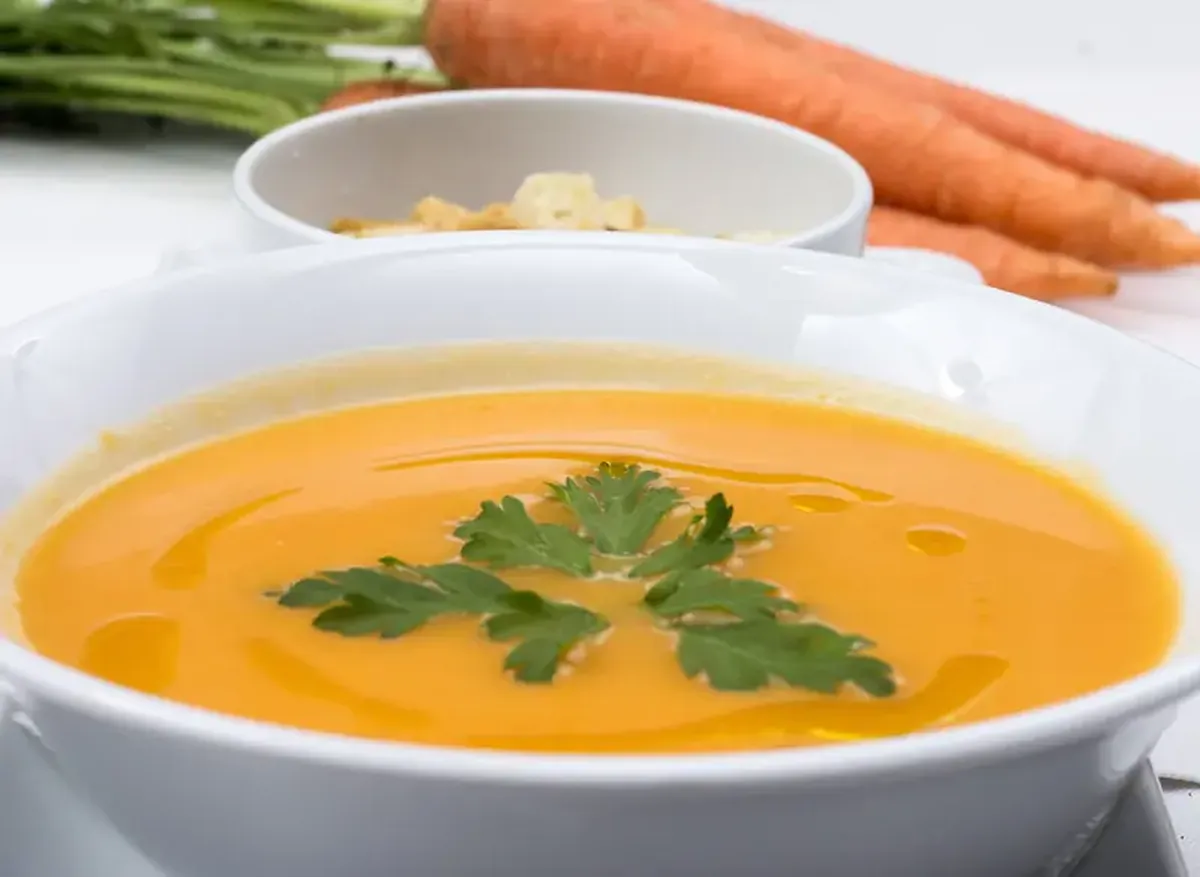
Carrot Curry Soup
For 10 servings, take 900 g of carrots, one onion, 7 cups of chicken or vegetable broth, 1 tablespoon of curry, 3 tablespoons of olive oil, a piece of fresh ginger, 3 cloves of garlic, and salt and pepper to taste.
In a large pot, heat the olive oil. Add the onion, garlic, ginger, and curry. Sauté until the onion becomes translucent. Chop the carrots, pour in the broth, and cook for 45 minutes. Once the mixture cools slightly, transfer it in batches to a food processor and puree. Season with salt and pepper.
Diet Borscht
Ingredients: one root each of carrot and beet, one and a half onions, three potatoes, one cup of beans, 300 g of cabbage, 2 tablespoons of tomato paste, and a bay leaf.
In 3 liters of water, boil the beans. Grate the beet and add it to the beans. Season with salt and pepper, add the bay leaf, and cook over medium heat for 20 minutes. Then add the remaining ingredients: grated carrot, diced onion, and potatoes. After 15 minutes, add the shredded cabbage, tomato paste, and lemon juice. Cook for another 10 minutes. Remove from heat and let steep for about half an hour.
Korean-Style Carrots: A Double Recipe
Traditional Korean-style carrots can be quite spicy; if you’re not used to heat, the versions below are milder than the original.
Korean Carrots with Chili
For 500 g of carrots, take 3 cloves of garlic, 1 tablespoon of sugar, ½ teaspoon each of salt and hot pepper, a pinch of ground black pepper and coriander, 3 tablespoons of vinegar, 4 tablespoons of vegetable oil, and 1 teaspoon of soy sauce.
Wash the carrots, peel them, and grate them. Add the spices, crushed garlic, and soy sauce. Heat the oil until boiling and pour it over the carrots. Mix well and let marinate for 3–5 hours.
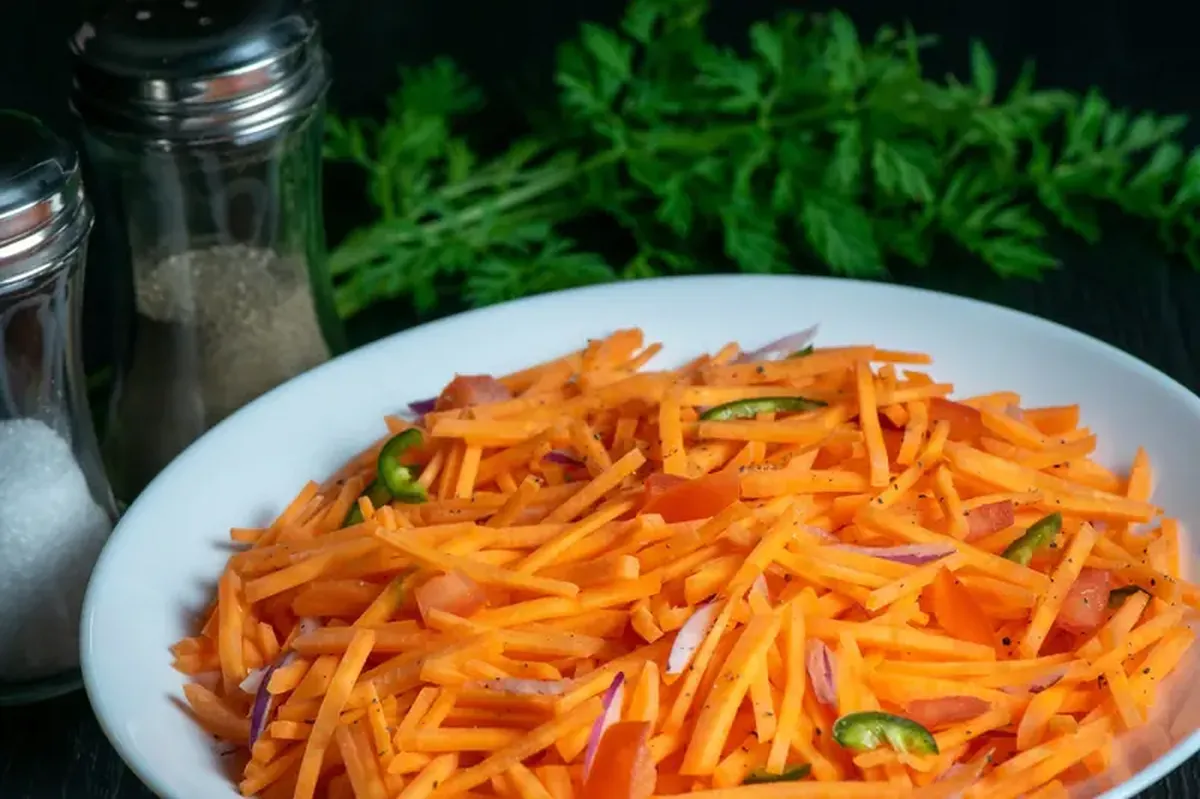
Korean Carrots with Garlic
To add extra zest, use ground curry and coriander. You will also need: 1 kg of carrots, a head of garlic, ½ cup of oil, 1 tablespoon each of sugar and salt, and 1 teaspoon each of vinegar, ground black pepper, and red pepper.
Grate the washed and peeled roots using a Korean-style grater. Place the mixture in a large bowl and add the seasonings and spices. Add the vinegar last. Mix everything by hand, let it steep, and serve.
Lecho Recipe with Carrots
For 350 g of carrots, you will need the same amount of onions, 2 kg of tomatoes, 1 kg of bell peppers, 150 ml of vegetable oil, 100 ml of vinegar, 150 g of sugar, and 1 tablespoon of salt.
First, wash the tomatoes, remove the stems, and chop them before pureeing. Transfer the tomato mixture to a pot, add salt and sugar, and pour in the vinegar (9%). Boil for five minutes after it reaches a boil.
Wash, peel, and coarsely grate the carrots. Slice the peeled onions into half rings. Remove stems and seeds from the peppers and chop them into cubes.
Combine the carrots with the tomatoes and cook for 15 minutes, then add the peppers and onions. Stir and simmer on low heat for the last half hour. Lecho can be sealed in prepared jars for preservation and stored in a cool place after cooling.
Unknown Carrots: Interesting Facts
This ancient root vegetable has been used by humans for about 4,000 years. The culture, known on all inhabited continents, likely originated in Southwest Asia. The taste of carrots was known to the ancient Romans and Greeks. From their influence, the plant received its botanical name Daucus, from the Greek word daio — “to burn” (the wild ancestor of the carrot was presumably bitter). Today, Daucus refers to plants in the carrot family.
Carrot cultivation began in the 7th century AD, most likely in the area of present-day Afghanistan, where the greatest diversity of the species still grows. Because wild roots were bitter, the plant was initially cultivated for its greens and seeds.
The first cultivated roots were purple (though beneath the dark skin the flesh was yellow). Over thousands of years of selection, carrots have come in purple, black, red, yellow, and white. The classic orange carrot appeared in the 16th century: the first orange varieties were grown in the Netherlands. In the 17th century, Europeans developed the juiciest, sweetest variety — the “carotel” — and the first carrot sauce appeared in Western cuisine, still considered a delicacy in France and Germany.
The longest carrot on record was grown by a British farmer in Nottinghamshire; it fell just 16 cm short of 6 meters. The heaviest recorded carrot was grown in Alaska, weighing 8.61 kg.
Americans have a special fondness for this vegetable. The world’s “carrot capital” is the California town of Holtville, where annual Carrot Festivals feature a Carrot Queen, parade floats, and culinary competitions.