
 Gaby
Gaby
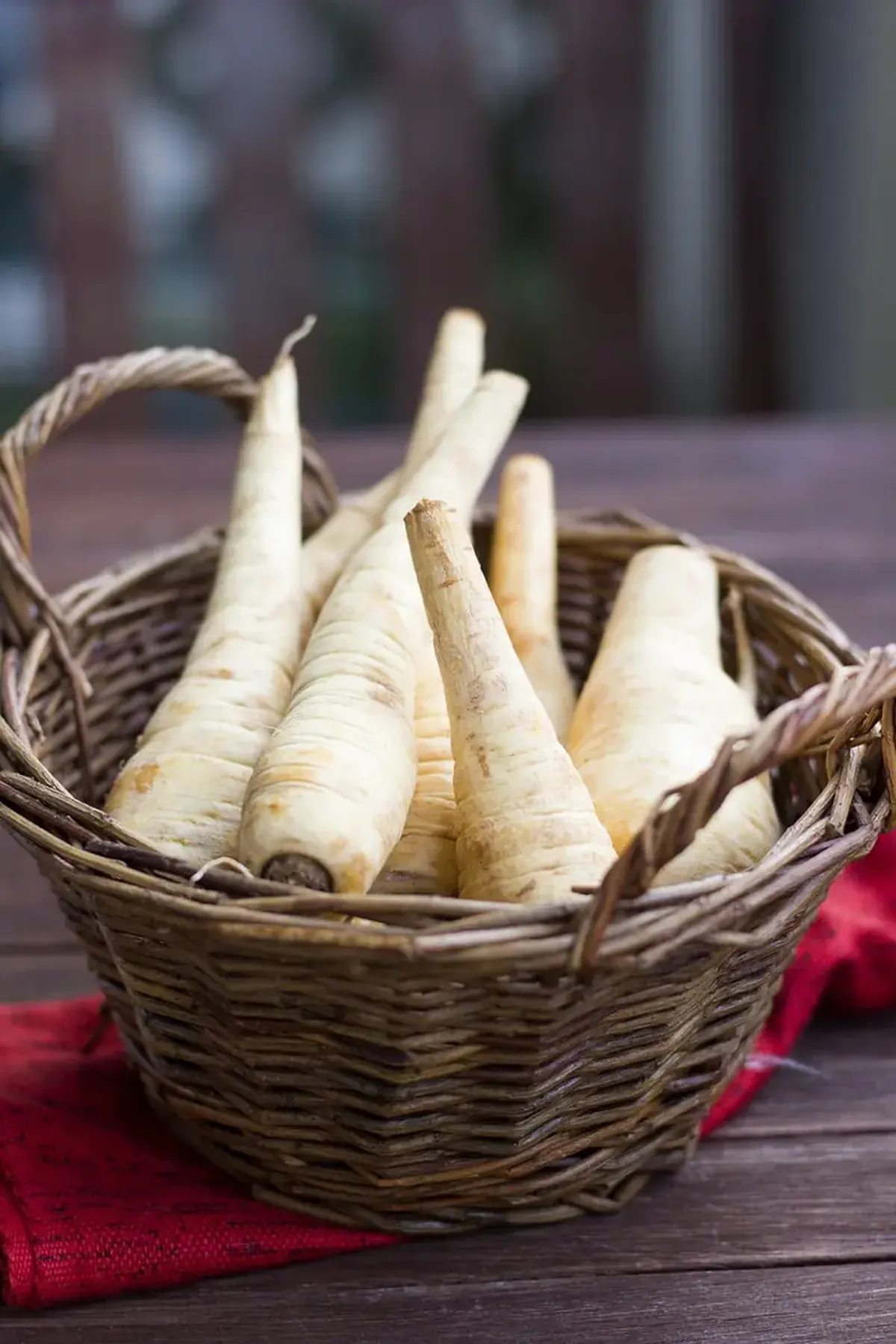
This ancient vegetable was long known only as a cultivated crop and has only recently naturalized in the wild. The parsnip root is best eaten in the plant’s first year; parsnip itself is a biennial herb. And that’s not all the fascinating stuff about the “Peruvian carrot” — an international nickname for parsnip that comes from its visual and taste similarities with the carrot.
The Gift of the Incas
A plant called arakachu was cultivated by the Peruvian Quechua tribe for its edible roots, which resembled tender carrots. Archaeologists have found that this member of the celery family was grown by humans as far back as the Neolithic period: parsnip remains appear in prehistoric layers dated between 10,000 and 2,200 years BC. In the 17th century this South American crop was brought to Europe, where it became popular for its flavor and medicinal uses. The Incas’ gift proved to be a “three-in-one” ingredient: in dishes, parsnip can evoke carrot, walnut, and parsley.
Because of its rich sweet-spicy flavor, parsnip is used both as a vegetable and as a spice: dried, ground parsnip root is used by chefs as a seasoning. Parsnip enhances the taste and aroma of appetizers, soups, stews, and side dishes. The “white carrot” has carved out a niche in the culinary world because its root is relatively high in protein and the upper part near the stem is juicy and sharply flavored. Parsnip contains 47 calories per 100 grams. Its nutritional profile includes carbohydrates (9.2 g per 100 g), proteins (1.4 g), fats (0.5 g), fiber, mineral salts, essential oils, fructose, sucrose, folic acid, and vitamins A, B1, B2, C, K, and P.
Benefits of Parsnip
This vegetable stimulates metabolism, boosts immunity, helps normalize blood pressure, and supports cardiovascular health. Parsnip also benefits digestion and the nervous system. It has a well-known antispasmodic effect: grated fresh parsnip root can ease attacks of gastric, renal, and liver colic. Parsnip contains potassium, which supports brain function and can be helpful for certain cognitive disorders. Because of potassium, the vegetable can also help eliminate excess water from the body and improve blood circulation.
Parsnip juice is rich in phosphorus and chlorides, which are said to support the lungs and bronchi; it has traditionally been used as a food for people with emphysema and tuberculosis. The root’s relatively high sulfur and silicon content can help with brittle nails. Dietitians rank parsnip highly among root vegetables for its easily digestible carbohydrates. The levels of fructose and sucrose in parsnip are about three times higher than in carrots, which is one reason it appears in dietary recommendations for some diabetics. Additionally, the concentration of essential oils in parsnip has been associated with benefits for sexual health: this spice is thought to enhance libido and increase arousal.

Healing Properties
The greens and roots of parsnip are used as raw materials in the production of vasodilators that help prevent angina attacks in cases of cardiac neurosis, coronary insufficiency, and coronary spasms, and that are used for general spasmodic conditions and gastrointestinal disorders. Exceeding spinach in some vitamins and minerals and offering similar properties to parsley, parsnip leaves share many of the root’s healing qualities: all parts of the plant have a tonic effect, strengthen capillary walls, soothe pain, can help with hallucinations, and act as expectorants to promote mucus discharge.
In folk practice the vegetable was used to restore strength after illness. A water infusion of parsnip root was taken three times a day, half an hour before meals: 100 ml with 1 tablespoon of honey, for a month. In villages, an alcoholic tincture of parsnip root made on homemade moonshine was traditionally used to boost mood and stimulate appetite. The infusion is said to have a calming effect, which made it useful for people with neurosis and insomnia. Folk medicine also used parsnip to treat angina, hypertension, and muscle cramps. Parsnip has been used as a raw material in remedies for vitiligo and hair loss.
Precautions
Furocoumarins in parsnip increase skin sensitivity to ultraviolet rays, and that property has been used to aid repigmentation of discolored skin areas in cases of vitiligo. For that reason, people with photodermatosis (a skin inflammation caused by increased sensitivity to sunlight) should avoid consuming parsnip.
Avoid parsnip for the elderly, for very young children, and for people with a known intolerance to the plant. A tendency to allergic reactions is a contraindication for parsnip consumption. On hot summer days the plant’s leaves can release essential oils that may cause skin burns on contact. Protect your hands with gloves when handling parsnip plants.

Selection and Storage
When buying “white carrots,” choose roots without signs of spoilage or damage. Prefer medium-sized roots about 25–30 cm long; very large specimens can be coarse and tasteless. Cleaned and dried parsnip roots store well during the cold season on a balcony or in the refrigerator. At temperatures up to +20 °C, “Peruvian carrots” can retain their properties and flavor for up to a year.
Dried roots make a useful seasoning in powdered mixes. In cooking, parsnip is prized both dried and fresh. Add homemade soup mixes to flavor vegetable dishes. In the canning industry, parsnip is a common ingredient in many vegetable preserves.
Delicious Recipes
Parsnip can be added to side dishes, soups, meat, or vegetable dishes. Here are a few examples.
Spicy Vegetable Puree Soup
Ingredients: parsnip root – 4 pieces, onion – 1 piece, broth – ½ liter, milk – ½ liter, butter – 50 g, curry seasoning – 2 teaspoons, salt and pepper – to taste.
Peel and chop the parsnip and onion, then sauté them in a pot with butter until soft, adding curry a minute before they are done. Pour in the broth and milk, season with salt and pepper. Bring to a boil, then simmer covered for 15 minutes. Let the soup cool slightly and blend until smooth.

Parsnip Puree
Ingredients: parsnip – 6 pieces, butter – 10 g per 100 g of parsnip, milk, salt, and pepper – to taste.
Peel the parsnip root, cut it into pieces, and boil until tender. Drain the water, add butter at a rate of 10 g per 100 g of parsnip. Season with salt and pepper and add milk, adjusting the puree’s thickness to the desired consistency.
Fried Parsnip with Oil
Ingredients: parsnip root – as desired, oil, salt, pepper, curry – to taste.
Slice the parsnip into thin strips. Season with salt, pepper, and curry, then mix well. Heat a skillet, add a small amount of oil, and fry the parsnip over high heat until golden brown and tender.
Parsnip Chips
Ingredients: “white carrot” roots – 4 pieces, oil – 250 ml, salt, spices, and herbs – to taste.
Wash the parsnip roots and dry them thoroughly. Slice into thin rounds and fry in heated oil in batches. Once golden, place the chips on paper towels to drain excess oil.
Baked Parsnip with Honey and Carrots
Ingredients: parsnip root – 2 pieces, carrots – 2 pieces, oil – 4 tablespoons, honey – 4 tablespoons, salt, and pepper – to taste.
Slice the parsnip into sticks and blanch them in salted boiling water for one minute. Drain and dry the sticks, then place them on a greased baking sheet. Season with salt and pepper and drizzle with liquid honey. Bake in a preheated oven at 180°C for 30 minutes, turning occasionally for even color.

Casserole with Cheese, Parsnip, and Tomatoes
Ingredients: parsnip root – 4 pieces, tomatoes – 6 pieces, tomato juice – 1 cup, hard cheese – 100 g, butter – 50 g, breadcrumbs – 2 tablespoons, paprika – ½ teaspoon, salt, and pepper – to taste.
Slice the parsnip into thin pieces and soak them in salted boiling water for 10 minutes. Drain and dry the vegetables. Grease a baking dish with oil and layer one-third of the parsnip and some sliced tomatoes. Season with salt and pepper and pour in some tomato juice. Repeat the layers until the vegetables are used up. Mix grated cheese with breadcrumbs and sprinkle over the top layer. Bake in a preheated oven at 180°C for 30 minutes until golden and bubbling.
Enjoy your meal!
