
 Carlos Solis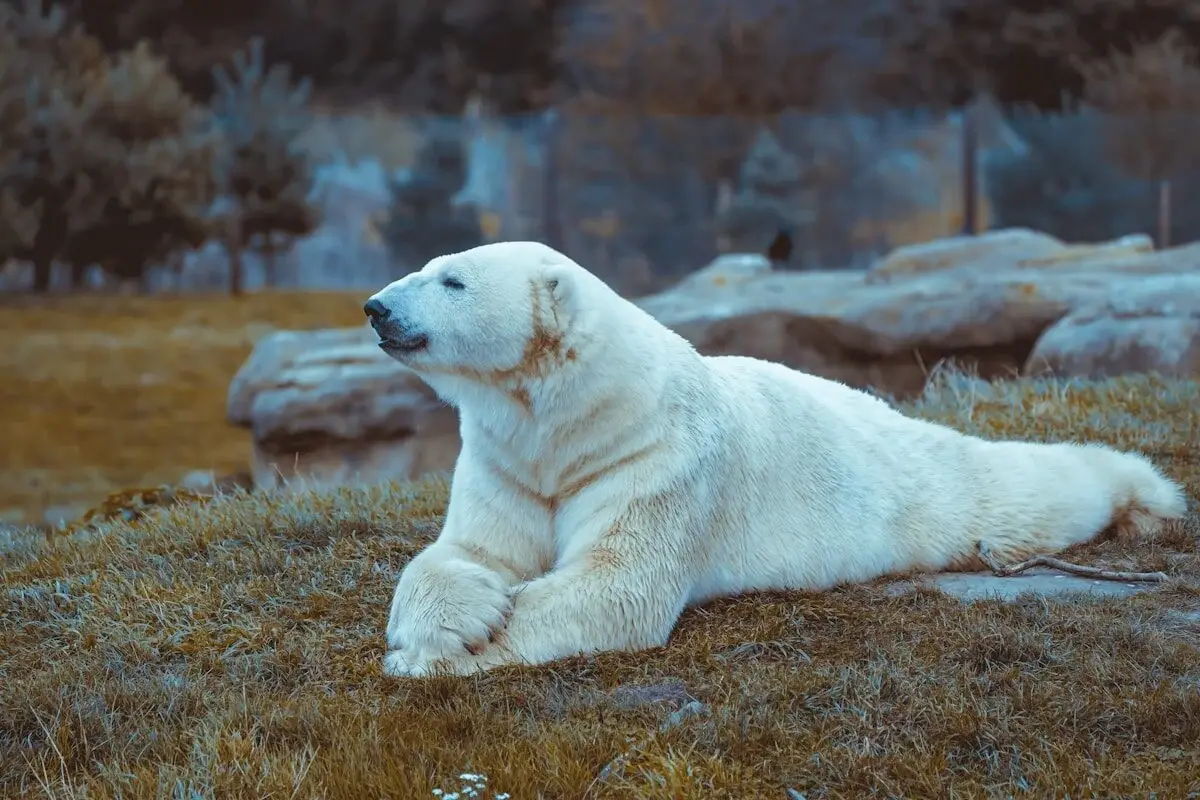
On Svalbard, bears are eating bird eggs by the hundreds and appear better fed than they did before, and in southern Greenland scientists have found signs of rapid reshuffling in their genomes. But does that mean the species can survive the fast disappearance of sea ice?
Why sea ice matters for polar bears
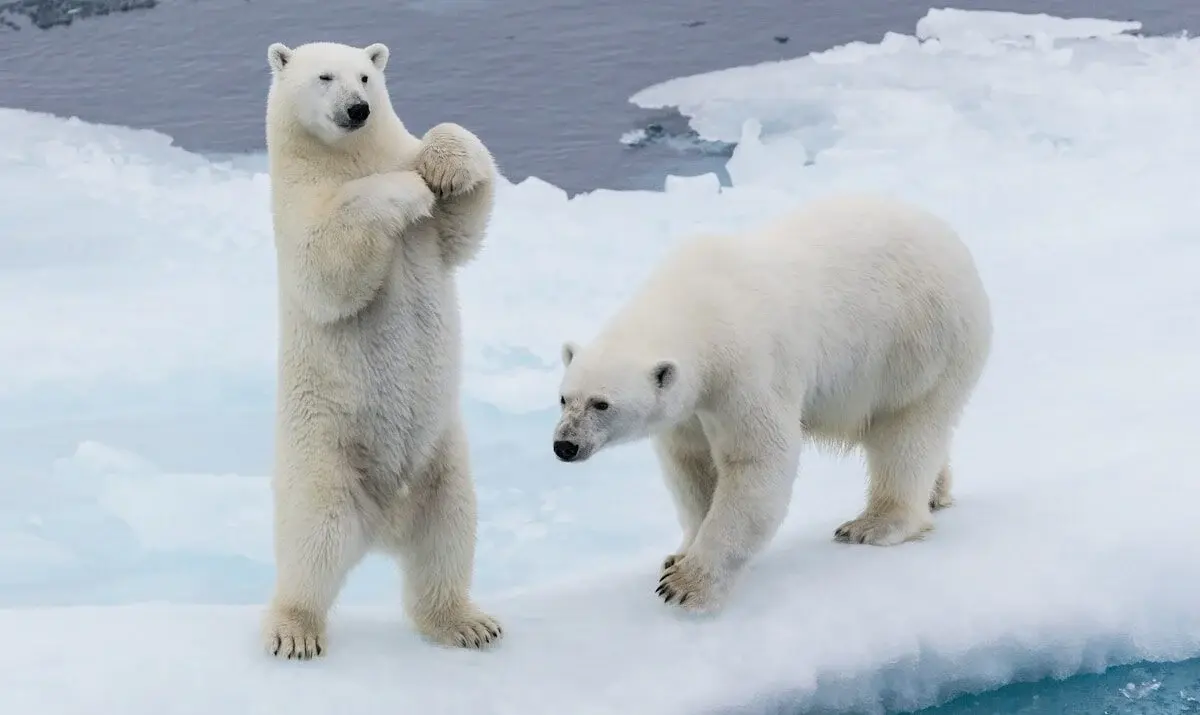
Polar bears depend heavily on sea ice, which serves as a platform for hunting seals. In the water, seals are far more agile than bears, so without icy platforms hunting becomes nearly impossible. Modeling published in 2020 showed that if current greenhouse gas emissions continue, most polar bear populations could collapse by 2100, and the hardiest populations would persist only in a few “last refuges,” such as the Queen Elizabeth Islands in northern Canada.
Can an egg-based diet save polar bears?
A study published in Scientific Reports in January analyzed the body condition of 770 adult bears on Svalbard between 1995 and 2019. The bears lost weight until about 2000, but then began to gain weight — despite rapid sea-ice loss in the region.
“We expected body condition to worsen because of ice loss,” says lead author Jon Aars of the Norwegian Polar Institute in Tromsø. “So the fact that the bears look ‘fatter’ was a surprise.”
Andrew Derocher of the University of Alberta, a coauthor of the study, explains that the ecosystem between Svalbard and the Franz Josef Land archipelago features relatively shallow, warmer water rich in nutrients from the North Atlantic. Because of that, bears have a wider range of food options — walruses, birds, and even several hundred eggs in a single day.
“In dense colonies of ground‑nesting birds, like ducks and geese, bears can collect several hundred eggs in a day,” Aars says. Even where there are fewer seals overall, the seals cluster more densely where ice remains, and they can sometimes become easier prey.
But those “tasty” windfalls don’t guarantee long‑term survival: first, the number of reindeer or walruses in the region isn’t enough to sustain large bear populations; second, polar bears den and reproduce on the ice. Large areas of Svalbard’s west coast are already ice‑free, so denning and nursing sites for cubs are disappearing. Modeling published in December 2025 predicts lower birth rates and reduced cub survival in low‑ice years — “the ice simply doesn’t come back in time,” Derocher says.
Genetic “jumping” in Greenland polar bears
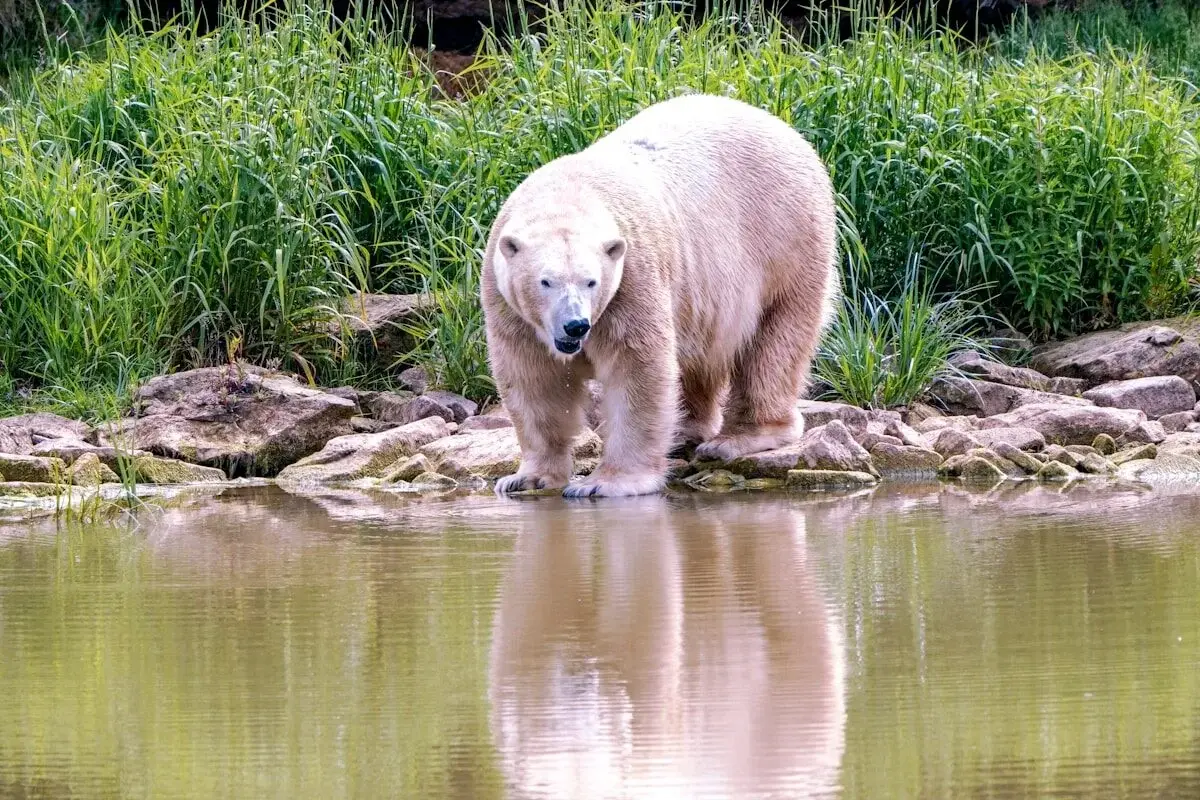
Another study, published in Mobile DNA in December 2025, found increased activity of mobile genetic elements — transposons, often called “jumping genes” — in the southern Greenland polar bear population.
Alice Godden of the University of East Anglia and her colleagues compared subpopulations in northern and southern Greenland and found more transposon activity in the southern, warmer bears. Many of the changes affected gene expression in metabolic pathways that control fat processing — which could be a response to higher temperatures and a different diet.
“This is promising, but the timeframes needed for such genetic changes to become truly significant are far longer than the time likely remaining for this species,” Godden warns. A polar bear generation lasts about 11.5 years, so evolving to thrive in an ice‑free ecosystem could take hundreds or thousands of years.
Derocher offers another interpretation: increased transposon activity may indicate stress and DNA damage, which would cause more mutations and accelerate biological aging.
What could actually save polar bears?
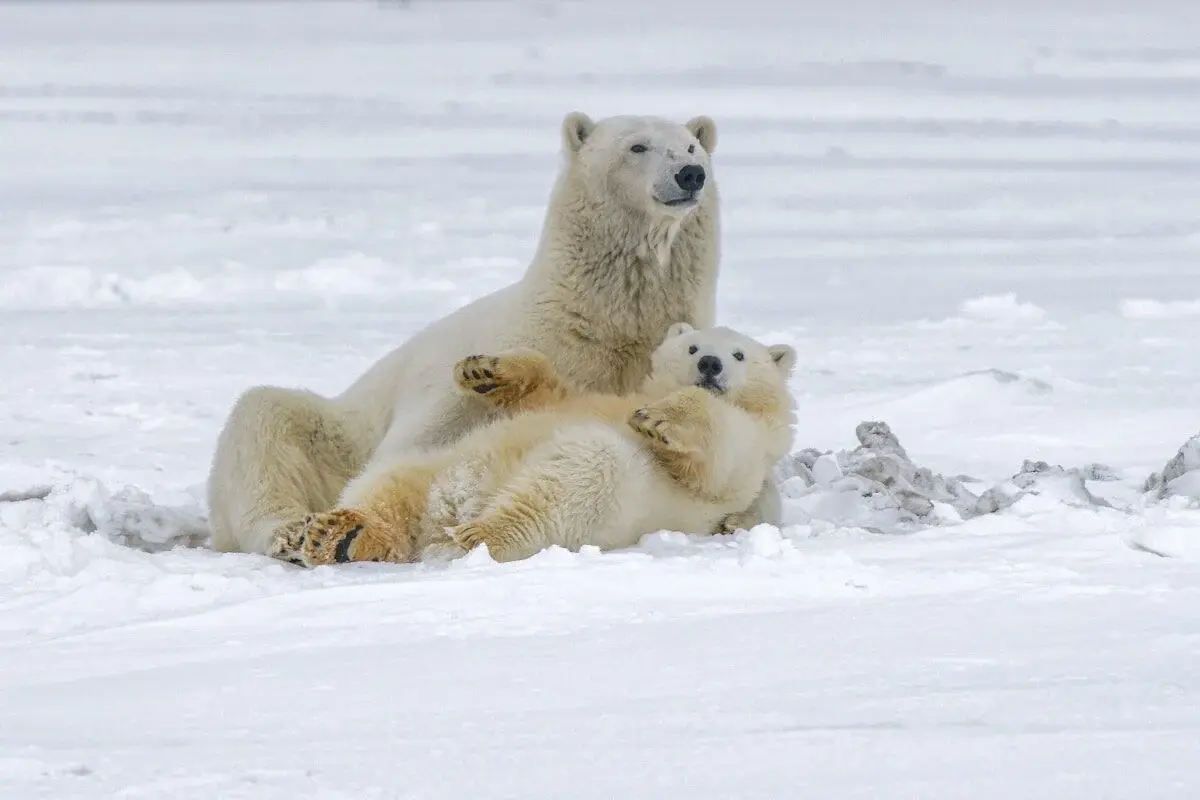
Experts agree that the future will differ across subpopulations. “We’ll probably end up with 20 different scenarios for 20 subpopulations — they’ll follow the same trajectory but at different speeds,” Derocher says.
Louise Archer of the University of Toronto Scarborough believes populations will decline earlier in regions that lack rich ecosystems — for example, in Western and Southern Hudson Bay and in western Canada, where bears already spend several months without ice.
There are potential refuges: in some parts of the High Arctic, notably around the Canadian Arctic archipelago, thick ice still blocks light and has suppressed the development of food chains. When that ice thins, more algae will form the base for communities of invertebrates, fish, and seals — and that could allow bears to persist in those regions longer, possibly even beyond the end of the century, Archer says.
But how long Svalbard can support a viable population is unknown.
The short answer: the iconic animals’ chance of survival depends on how much people cut emissions.
Archer says that if global warming is limited to 2 °C above preindustrial levels, adult polar bears could survive to 2100, even in the southern parts of their range, such as Hudson Bay.
Good body condition in Svalbard bears or increased genetic activity in Greenland populations offer hope, but they won’t save the species on their own. Only a global reduction in emissions can give polar bears a real chance at long‑term survival.
Based on Live Science
Photo: Unsplash
