
 Gaby
Gaby
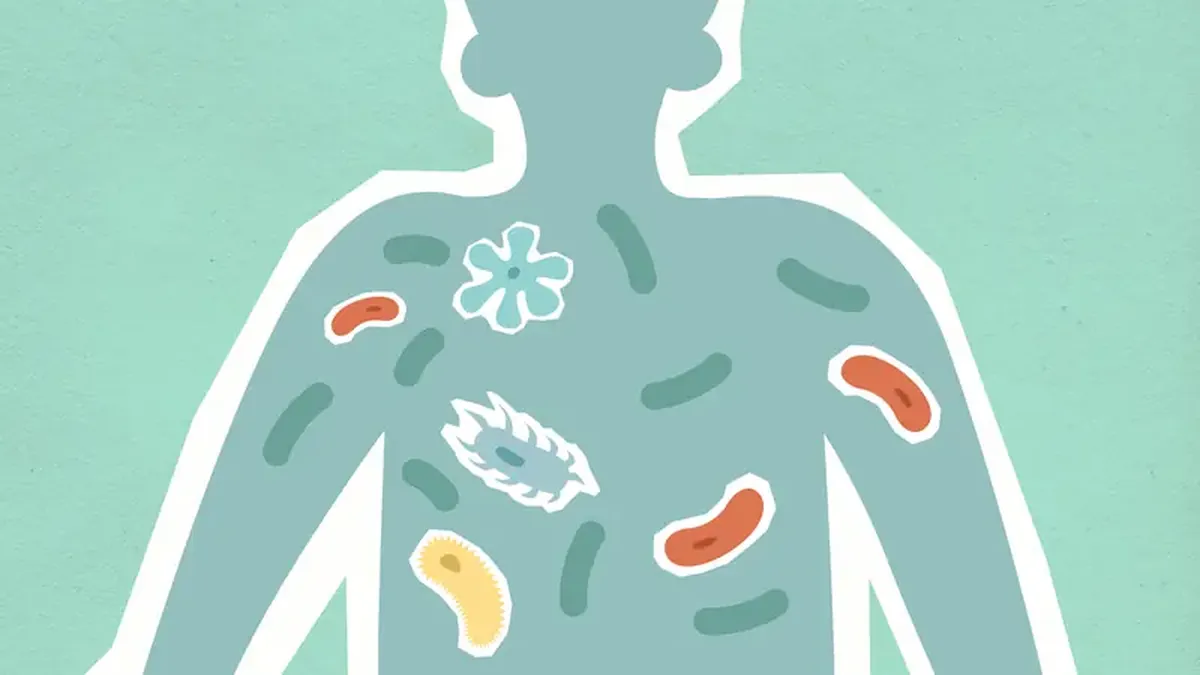
The human body is a complex ecosystem of living microorganisms. They live on the skin and mucous membranes—and inside the lungs, bile ducts, reproductive organs and various bodily fluids. One of the most crucial components is the gut microbiome. Gastroenterologists often say that good health and a strong immune system start in the gut. Recent microbiology research, reported by the Daily Mail, supports that claim.
The Living Elixir
Scientists at the University of Copenhagen studied 176 Japanese centenarians and found they shared a specific set of microorganisms in their gastrointestinal tracts. The study found that certain strains of bacteria and viruses appear to boost the gut microbiome and, in turn, overall health.

Researchers say medicine can’t currently “fix” genetic predispositions to hereditary disease. But preventing many age-related illnesses may be possible by adjusting the composition of the microbiota—introducing a mix of beneficial cultures.
Joachim Johansen, the study’s lead author, says, “We are always striving to understand what accounts for the extraordinarily long lifespan of some individuals.” Maybe his team has found the key.
The Mechanism of Action
Researchers found bacteria in the centenarians’ guts that produce molecules that boost local immunity and help resist the pathogens responsible for serious disease. Roughly 70–80% of the body’s immune system is concentrated in the gut, so a healthy gastrointestinal tract can produce more antibodies and better fight infections. That, Johansen says, could help explain their longevity.
The team developed an algorithm to map the bacteria and bacteriophages found in the centenarians, then compared that map with a control group of adults aged 18 to 60. The study’s curator said the long-lived subjects had significantly greater microbial diversity.
Johansen says gut health is tied to the diversity of microbes that inhabit it. People with a healthier level of microbial diversity may experience fewer age-related diseases. He adds that this knowledge could revolutionize efforts to extend average human lifespan by engineering microbiomes with an optimal balance of bacteria and viruses that protect the body from disease.
What Do Viruses Have to Do with It?
The human microbiome is mostly made up of bacteria—in a healthy body, they outnumber our own cells. So why are viruses important for building a strong microbiota and potentially extending life?
Bacteriophages—viruses that infect bacteria—can strengthen bacterial communities when they interact with bacteria.
In the centenarians’ bodies, researchers found viruses that stimulate bacteria. Those viruses help bacteria produce molecules that stabilize the microbiota’s composition and fight inflammation.
The study also found higher levels of microbial hydrogen sulfide in the long-lived participants. This compound helps maintain the intestinal mucosa and its resistance to pathogens. An intact mucosa, in turn, signals a healthy balance of microorganisms in the gastrointestinal tract.
Although the researchers haven’t disclosed the exact strains yet, one thing is clear: health really starts from the inside.
