
 Gaby
Gaby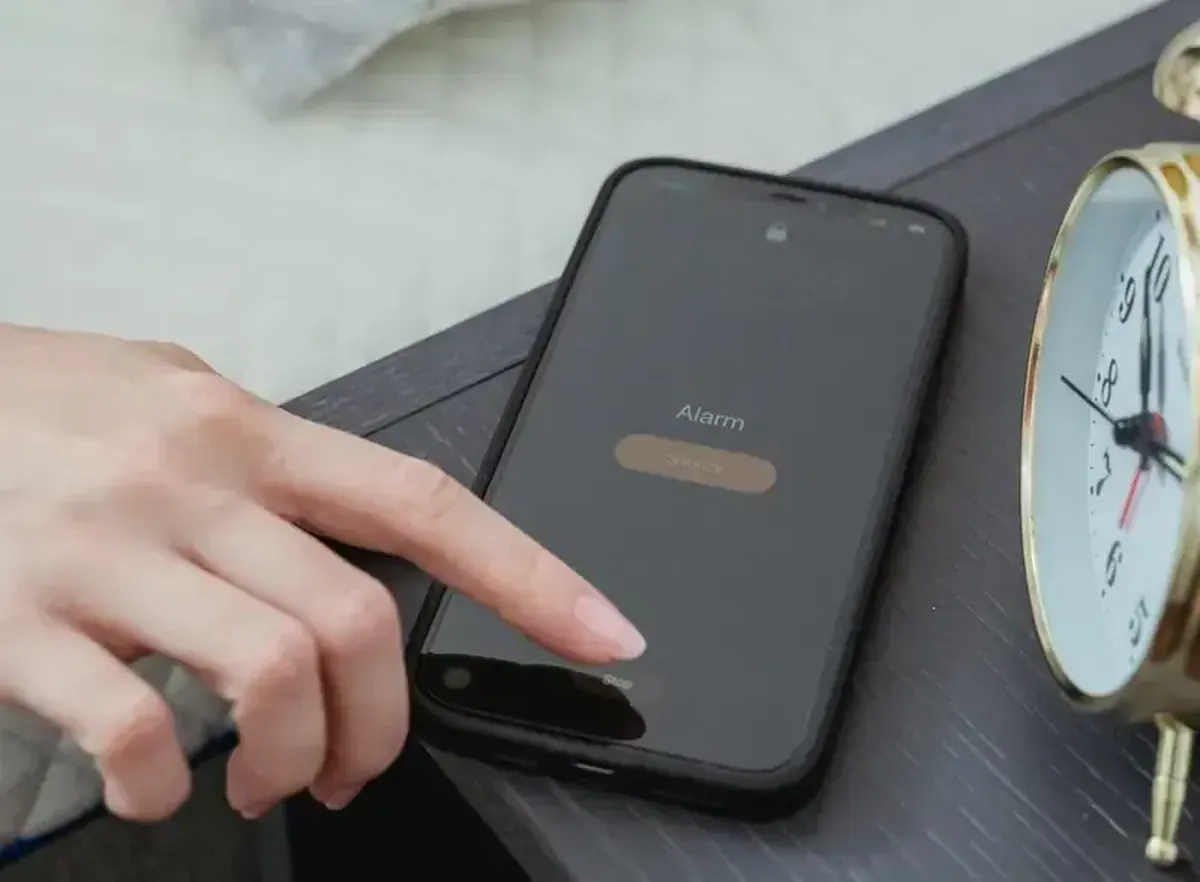
More than half of people who rely on an alarm clock use the snooze button. Researchers at Brigham and Women’s Hospital in Massachusetts have identified why this habit is risky for your health.
When the alarm blares in the morning, hitting snooze is often irresistible. But those extra minutes after you’re jolted awake don’t help your body recover; interrupted sleep can harm your health and reduce your productivity.
The Temptation of Five More Minutes
On average, people spend 11 minutes each morning battling the urge to hit the snooze button. Most don’t realize how damaging that resistance can be to their health. The researchers found that repeatedly hitting snooze disrupts sleep cycles, leaving people feeling less refreshed during the day.
“Many of us hit the snooze button in the morning, hoping to catch a few more minutes of sleep. Until now, this common behavior hasn’t gotten much attention from sleep researchers,” said lead author Rebecca Robbins.
Dr. Robbins says that just before your scheduled wake-up time you’re often in rapid eye movement (REM) sleep, one of the most important stages of sleep.
REM sleep is crucial for memory, cognitive function, and emotional processing. But when someone goes back to sleep after hitting snooze, they usually slip into light sleep instead of returning to REM.
So what’s the solution? Experts recommend setting your alarm for the time you actually want to wake up and avoiding the snooze button. That way REM sleep won’t be interrupted and your body can recover more effectively.
Ms. Robbins advises getting out of bed as soon as the first—and only—alarm sounds.
What else did the researchers find?
During their study, Dr. Robbins and her colleagues analyzed sleep data from more than 21,000 people worldwide who used the Sleep Cycle smartphone app.
Over six months, the team evaluated more than three million sleep sessions. They found that in more than half of cases (55.6 percent), participants used the snooze button. Forty-five percent of respondents used snooze in 80 percent of their wake-ups, spending an average of 20 minutes each morning wrestling with the alarm.
Participants were more likely to use snooze on weekdays (Monday–Friday) and used it least on Saturday and Sunday mornings; they also used alarms least on weekends.
Longer sleep durations (over nine hours) were more likely to end with the snooze button being pressed. People who went to bed earlier were less likely to use snooze, while night owls relied on it more frequently.
The snooze button was most commonly used by residents of the United States, Sweden, and Germany, and least used in Japan and Australia.
The researchers also found that women were significantly more likely than men to use the snooze button.
“Perhaps these gender differences are linked to a higher risk of insomnia among women,” the team suggested. The researchers said women often shoulder more childcare responsibilities and juggle work and household duties. As a result, they have less time for sleep and a greater risk of sleep problems, which may lead to heavier reliance on the snooze button.
The findings were published in the journal Scientific Reports.
