
 Gaby
Gaby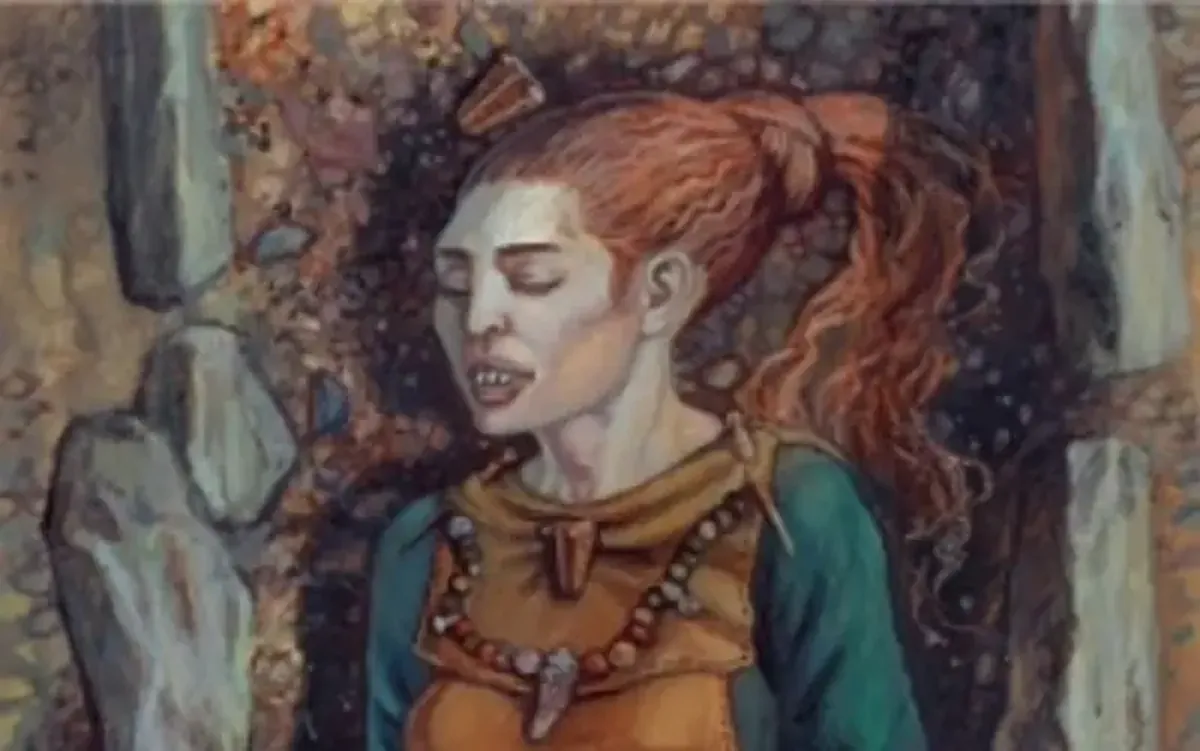
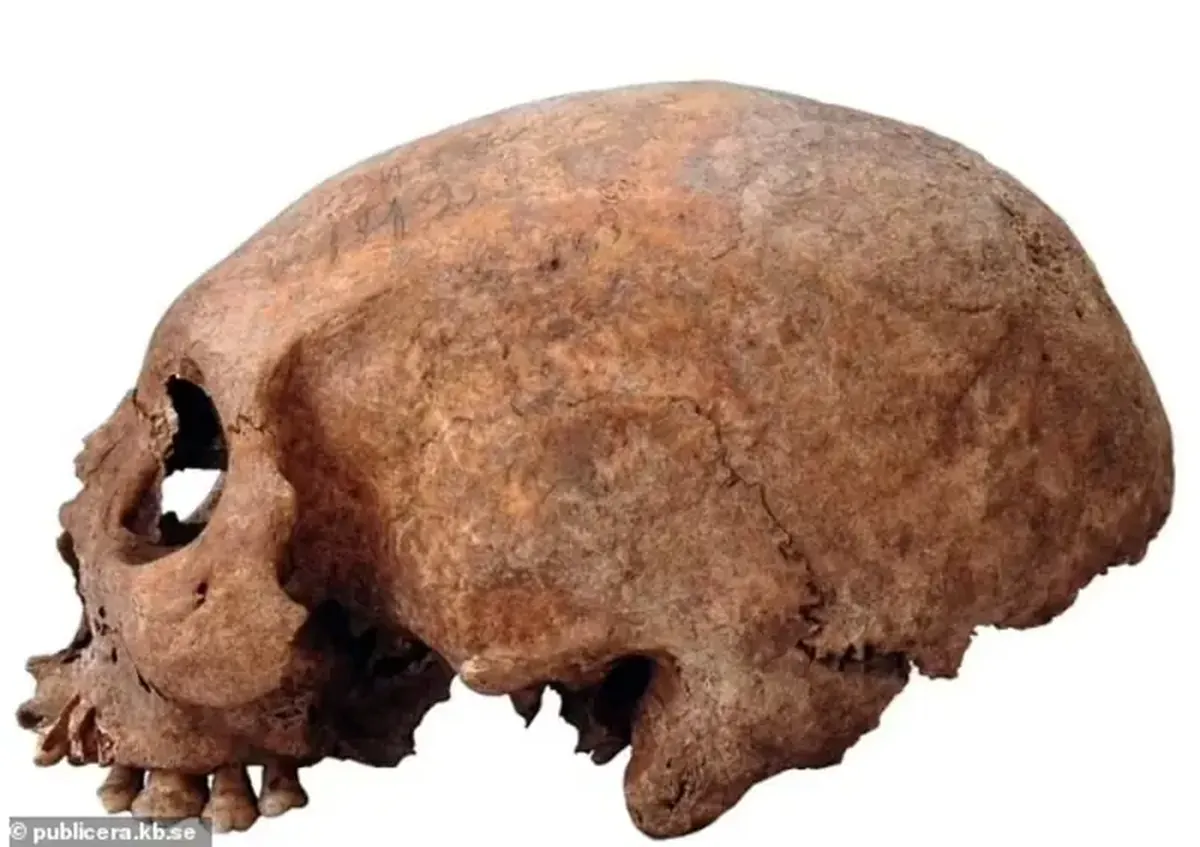
Archaeologists digging on the Swedish island of Gotland in the Baltic Sea uncovered three female skeletons with unusually elongated skulls.
The remains date back to the 11th century.
DNA analysis revealed that one of the women was between 25 and 30 years old at the time of her death, while the second was between 55 and 60. The age of the third woman has not been disclosed by the researchers.
German researchers Matthias Toplak from the Viking Museum in Haithabu and Lukas Kerk from the University of Münster studied the find and say this kind of skull deformation is rare among Vikings. Still, the evidence suggests some women in Scandinavia underwent this form of head shaping a thousand years ago.
This anatomical feature may have signaled social status or group affiliation — or served as a standard of beauty.
Most likely, the skulls were modified during the first year of the women’s lives when their bones were still soft and pliable. To shape the skulls, the infants’ heads were wrapped in cloth.
Theories
From time to time, remains of people with deformed heads have turned up in the Black Sea region as well as among Mesoamerican and various Eurasian cultures. However, such skulls have been found in Viking burials for the first time, according to the Daily Mail.
“We don’t know where these three women grew up or where their heads were deformed,” said Matthias Toplak, the lead researcher. “It’s unclear whether their heads were deformed in early childhood in the Black Sea region and how they ended up in Gotland,” he added.
Given that Gotland was a trade center during that era, this discovery may point to connections between Vikings and people from regions where skull elongation was common.
The researchers suggest artificial cranial deformation (ACD) was used to mark certain women and may show that those women traveled.
While the feature might have functioned as a beauty standard, Dr. Toplak says it’s more likely a sign of trade connections with distant regions — a marker of influence and commercial success.
The team wrote, “The human body is a means of communication. It can convey messages in a functionally complex, structured way.”
What about tooth filing?
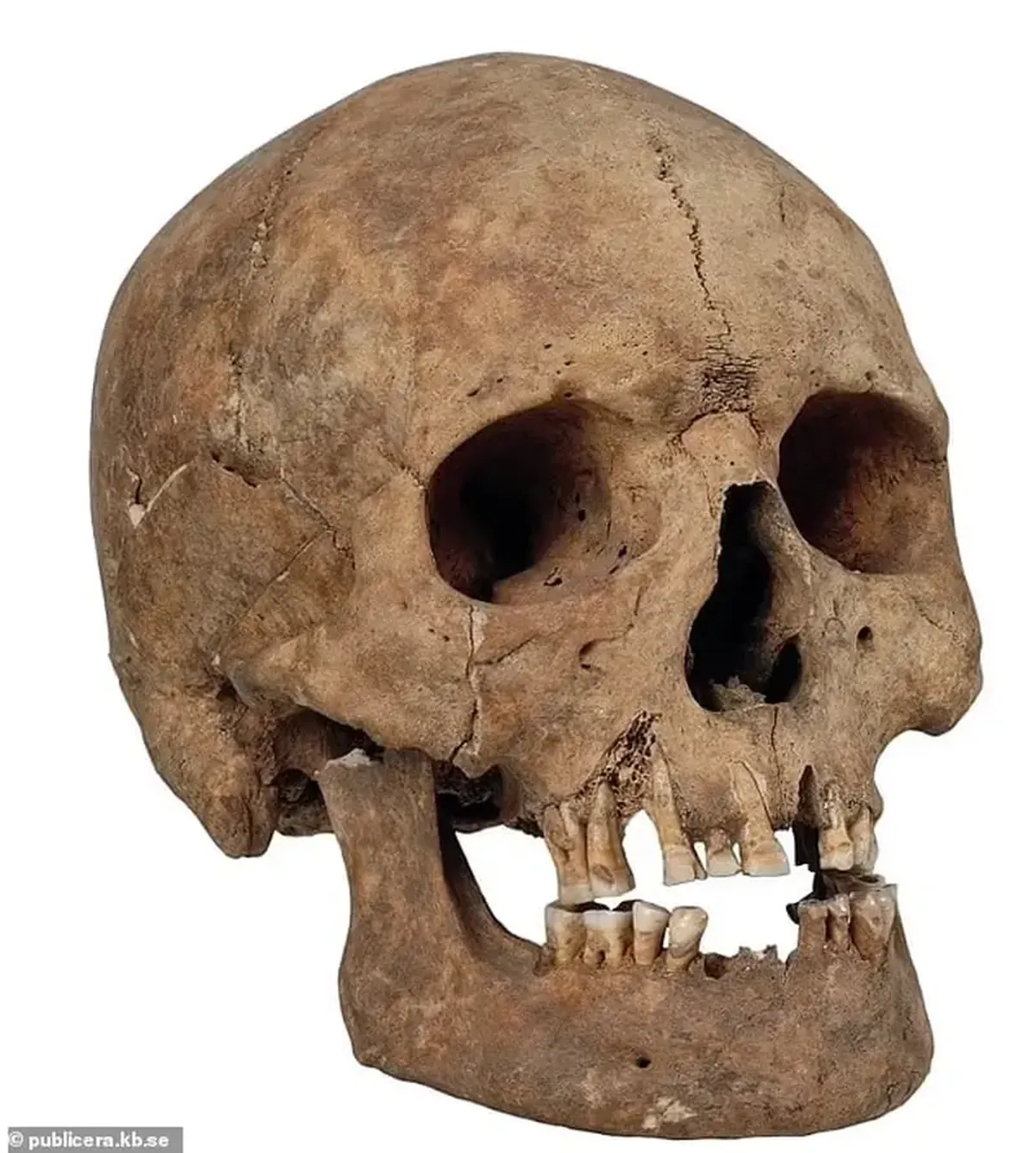
The analysis of the female remains captivated researchers; the excavation also produced 130 male skeletons from the same period with grooves filed into their teeth.
Scientists say tooth filing identified certain groups of men and could have been part of initiation rituals.
Not just Scandinavians
Tooth filing and skull deformation have been practiced around the world at different times.
For example, Mayan burials in Mexico have repeatedly produced filed teeth with implanted gemstones.
In the early 20th century, residents of Toulouse, France, used bandages to intentionally alter children’s skulls; researchers call that practice “Toulouse deformation” or “bando.”
Some people in Vanuatu still deform skulls to resemble the god Ambat, who is typically shown with an elongated head and a long nose. Islanders believe that people with long heads are more beautiful and wiser.
The results of the study on the ancient inhabitants of Gotland were published in the journal Current Swedish Archaeology.
