
 Gaby
GabyBiological laws are rare — but when they exist, they capture wide-reaching patterns that shape life. They aren’t as absolute as laws in math or physics, but they help us make sense of life’s complexity. Still, life seems to require at least a little instability. John Tower, a molecular biologist at the University of Southern California, argues that this instability should be considered a biological universal.
Most well-known biological rules reflect the conservation of materials or energy. For example, Allen’s rule, formulated in 1877, says warm-blooded animals in cold regions tend to have shorter, thicker limbs with less surface area to conserve heat; the opposite tends to be true in warmer regions. There are exceptions: short-legged bush dogs in Central and South America don’t fit that pattern.
Another class of biological laws covers recurring structures that follow mathematical scaling as they grow — think of the expanding spiral of a nautilus shell. These forms appear across many living systems and help conserve energy and materials.
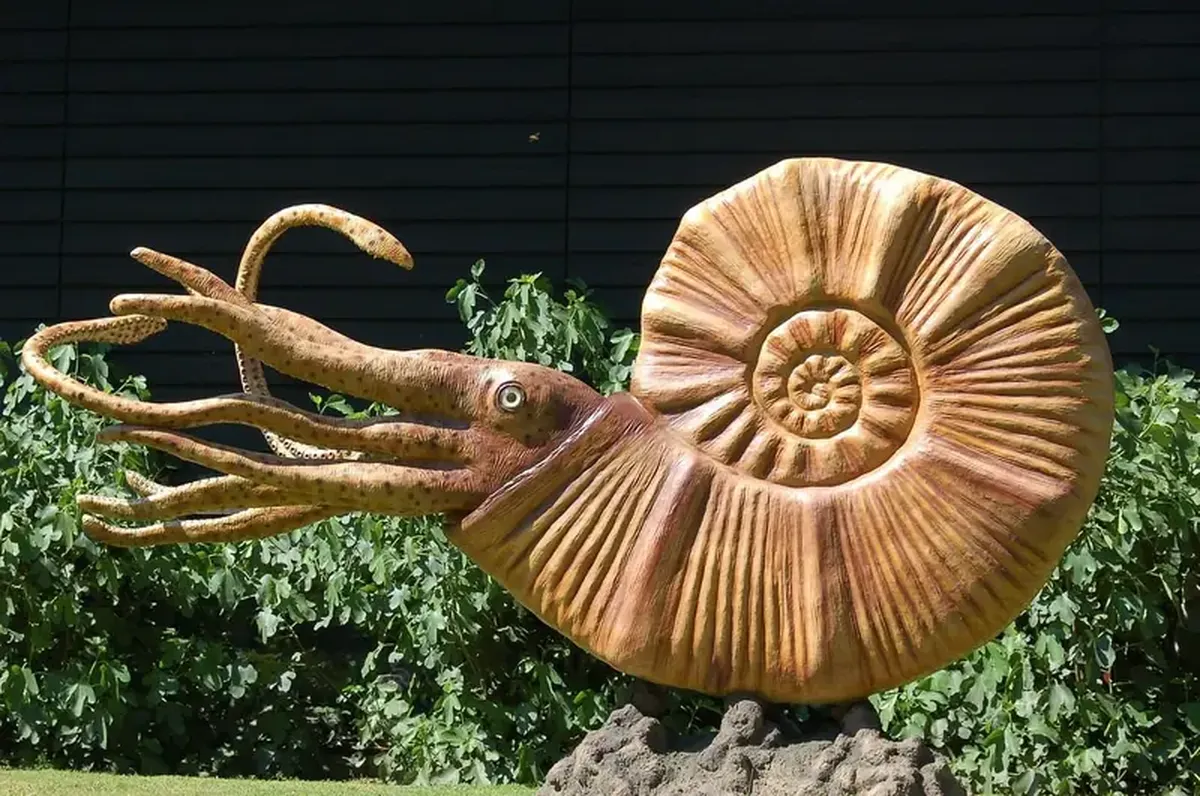
Another clever rule shows up in how bees build hexagonal honeycombs. “Self-similar structures, including logarithmic spirals, are considered the most efficient way to increase the size of a structure without changing its shape or compromising its integrity,” Tower said.
Tower’s concept of “selectively advantageous instability” pushes back against that conservation trend. He argues that some instability is a basic biological necessity, even if it causes resource loss. “Selectively advantageous instability increases the complexity of the system, and this heightened complexity has potential benefits,” Tower explained. Those benefits include the ability to change and adapt at every level, from molecules to whole populations.
“Even the simplest cells contain proteases and nucleases and regularly degrade and replace their proteins and RNA, indicating that selectively advantageous instability is essential for life,” Tower said. The need for instability inevitably leads to energy and resource losses and to the accumulation of genetic mutations, which can be harmful or beneficial. This, he suggested, is how biological aging arises. But without instability and its downsides, life couldn’t adapt and survive changing environments. All living things must compromise, caught between the demands for stability and the need to change. The findings were published in the journal Frontiers in Aging.
