
 Gaby
Gaby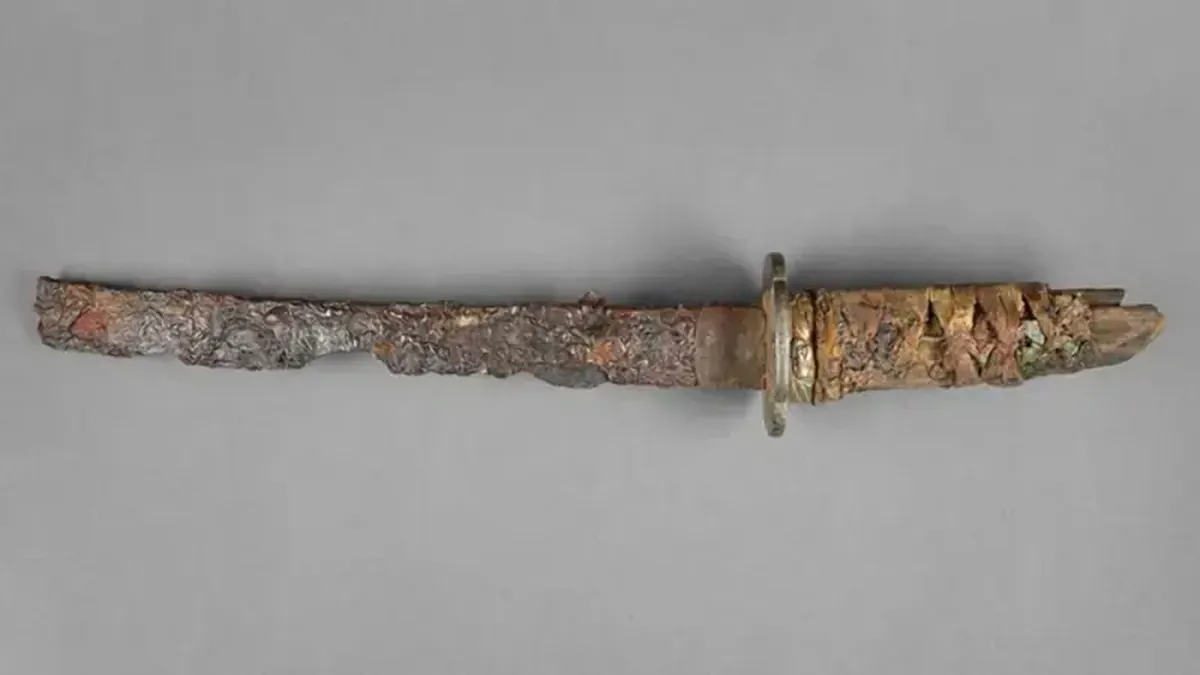
Archaeologists from the Berlin State Office for the Preservation of Monuments uncovered a remarkable relic during excavations of World War II ruins at Molkenmarkt Square, the city’s oldest market.
Excavations began in 2022. Since then, researchers have recovered around 300,000 artifacts from the old trading district. That work has partially revealed what lies beneath the former cellars of the residential and commercial buildings at Molkenmarkt, which were leveled during World War II. In the 1960s, the site was covered over with sidewalks, Live Science reports.
The team says the cellars contained a trove of military gear — bridles, stirrups, and harnesses. But the find that surprised them was a rare piece of Japanese bladed weaponry: what experts believe is a wakizashi, a samurai short sword dating to the 17th century.
What is this sword, and how did it end up in central Berlin?
At first, archaeologists thought the heavily corroded short sword might be a 20th‑century military parade saber. Further analysis, however, showed the blade came from Japan during the Edo period (1603–1868). Staff at the Museum of Prehistory and Early History say the blade could be older, possibly from the 16th century. Archaeologists think the sword may have arrived in Germany in the 1800s as part of a diplomatic mission.
“Who could have imagined that during a time when Japan was largely closed to foreigners, and very few Europeans visited, an ornately decorated weapon would end up here in Berlin?” said Matthias Wemhoff, the museum director and state archaeologist of Berlin.
What else is known about the find?
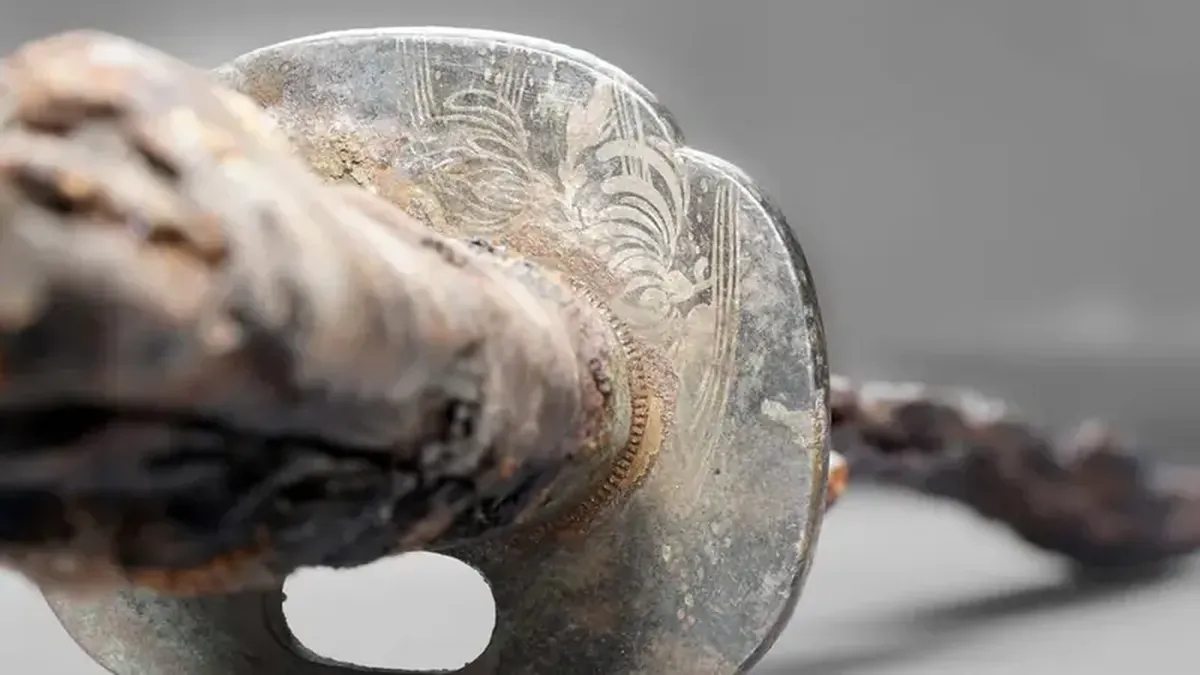
Restoration work indicates the sword belonged to someone of high status. Wemhoff explained that samurai carried a wakizashi as a backup weapon for fighting in confined spaces or when it was difficult to draw the longer katana. The wakizashi is often called the “companion sword.”
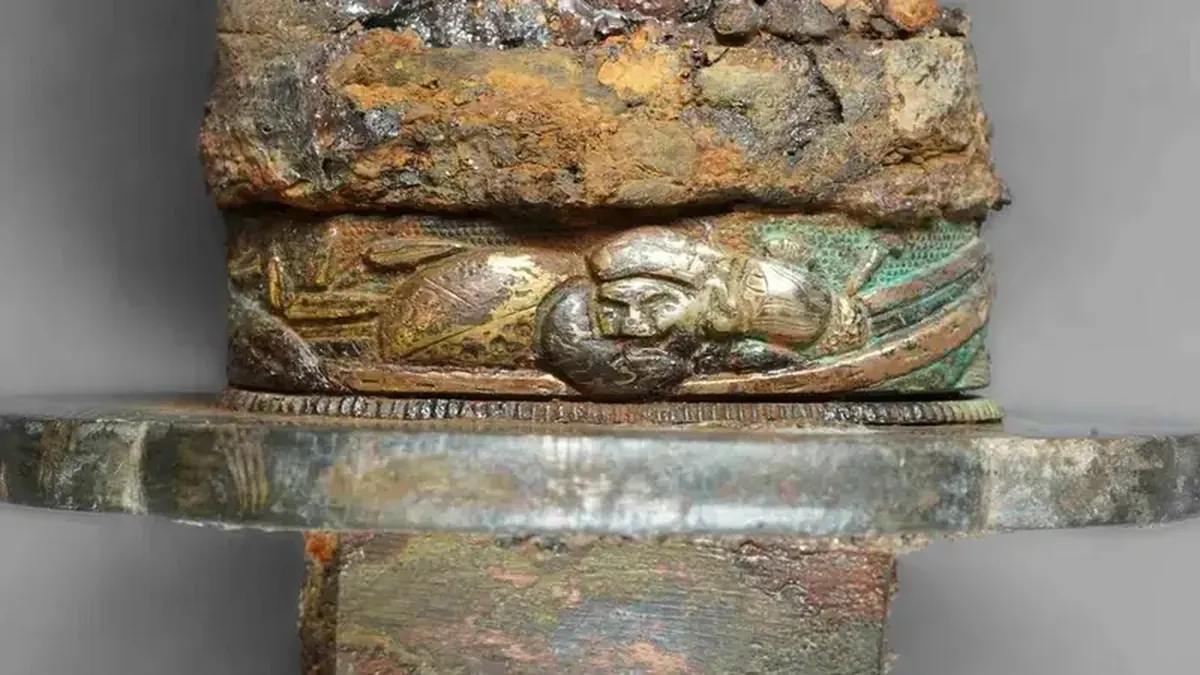
The wooden handle suffered heavy fire damage, but fragments of wood and textile wrappings survived. Restorers also found an image of Daikoku (Daikokuten) near the metal ring separating the handle from the blade. Daikoku is the god of prosperity and wealth and one of Japan’s Seven Lucky Gods, often depicted with a hammer and a bag of rice.
