
 Gaby
Gaby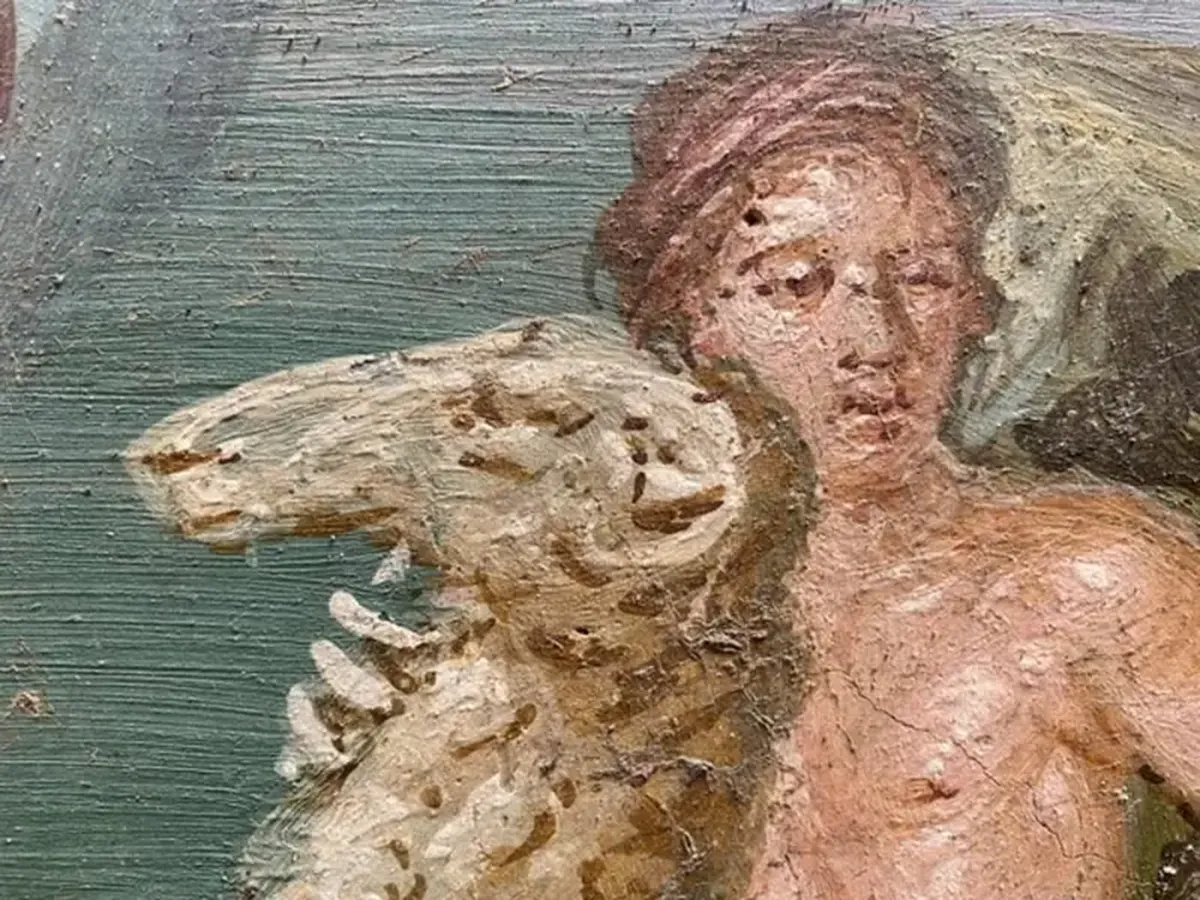
Recently, archaeologists uncovered a small house among the ruins of Pompeii, adorned with frescoes featuring risqué themes. One of the wall paintings depicts a semi-nude Phaedra, the mythological queen of Athens, alongside her stepson Hippolytus.
This tiny abode, decorated with erotic frescoes, is the latest discovery in the city buried under tons of volcanic ash in 79 AD. The exquisitely decorated residence, dubbed the House of Phaedra by researchers, sheds light on the evolution of architectural styles in the 1st century AD. The house also provides evidence that Pompeii’s residents enjoyed sensual art.
In the fresco, beside the partially undressed Phaedra, the artist portrayed her stepson Hippolytus. According to Greek legend, the queen accused him of assault after he spurned her advances. Another wall painting shows a satyr and a nymph in an intimate encounter in bed. Meanwhile, yet another fresco depicts deities, likely Venus and Adonis.
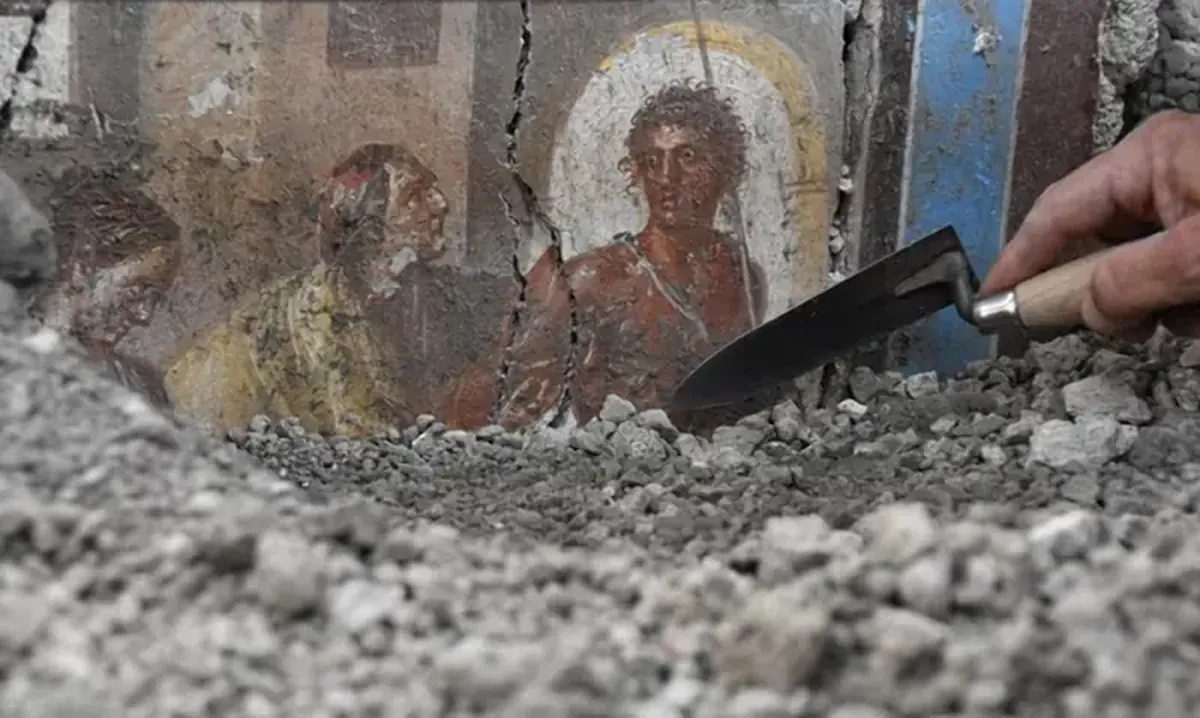
Despite its small size, the dwelling “impresses with its high level of wall decoration,” according to a release from the Archaeological Park of Pompeii. The release said the frescoes rival those found in Pompeii’s more luxurious homes.
Unlike many Roman houses, this little house wasn’t built around a traditional atrium — the central courtyard with a rainwater collection pool common in Roman architecture since the 6th century BC. In fact, suggestive scenes appeared in homes across all social classes and in many public spaces in Pompeii. They were not considered scandalous or shameful, as reported by The Guardian.
As early as the late 19th century, archaeologists discovered a well-preserved and richly decorated building in Pompeii known as the House of the Vettii. It was owned by two former slaves (freedmen) — brothers Aulus Vettius Conviva and Aulus Vettius Restitutus. They became wealthy from selling wine and agricultural products, and later purchased an old residence in an aristocratic district and remodeled it to their tastes. One of the frescoes found near the entrance depicted the god of fertility and abundance, Priapus, with a massive phallus balanced on scales opposite a bag of money. This image symbolized wealth and prosperity in the home. The house, adorned with numerous erotic artworks, was also used by its owners as a brothel. Because of its rich collection of artworks, researchers often call the House of the Vettii the “Sistine Chapel of Pompeii.”
