
 Gaby
Gaby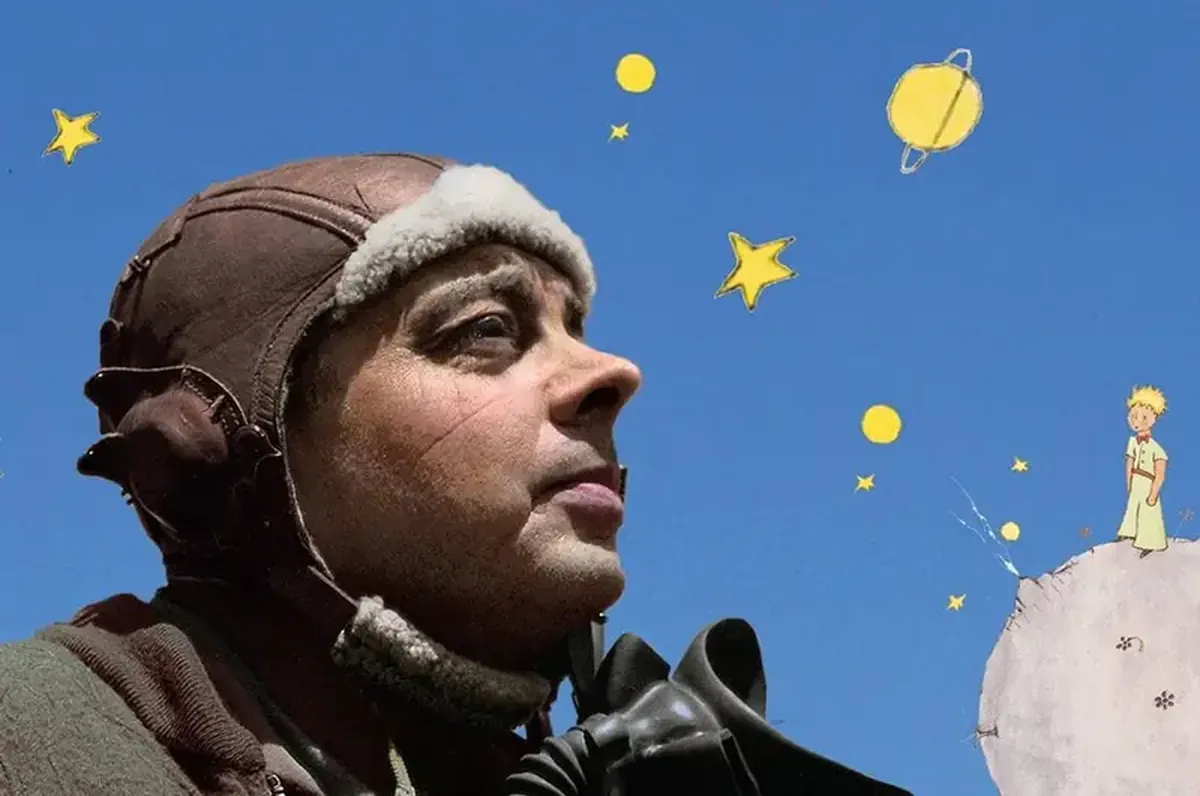
“You just need to grow up, and a merciful God will leave you to your own devices,” the writer and pilot once wrote — a metaphor that helps explain the strange twists of his life.
The Safety of the World
Antoine Marie Jean-Baptiste Roger de Saint-Exupéry was born on June 29, 1900, in Lyon. His family’s aristocratic line can be traced back to 1235. His mother, Marie Bouaïé de Foncillon, came from old Provençal nobility, had medical training, and loved poetry, painting, and music; she even published a collection of poems. Antoine inherited many of those talents: he was a skilled painter, poet, and violinist. His father, insurance inspector Martin-Louis Jean Exupéry, died of a stroke when Antoine—nicknamed Tonio as a child—was four, leaving the family without his support.
After her husband’s death, the widowed mother moved in with her own mother and took the children to the family estate of La Molle on the Mediterranean coast. Antoine lived there, stayed with his cousin the Viscountess Tricot in her home on Place Bellecour in Lyon, and spent time at the country estate of Saint-Maurice-de-Remans. His childhood was the happiest and most carefree period of his life, a fact he recalled nostalgically in letters to his mother: “I’m not sure I lived after I parted with my childhood. Nothing ever gave me such confidence in the safety of the world as the cozy stove in the upper room at Saint-Maurice.”
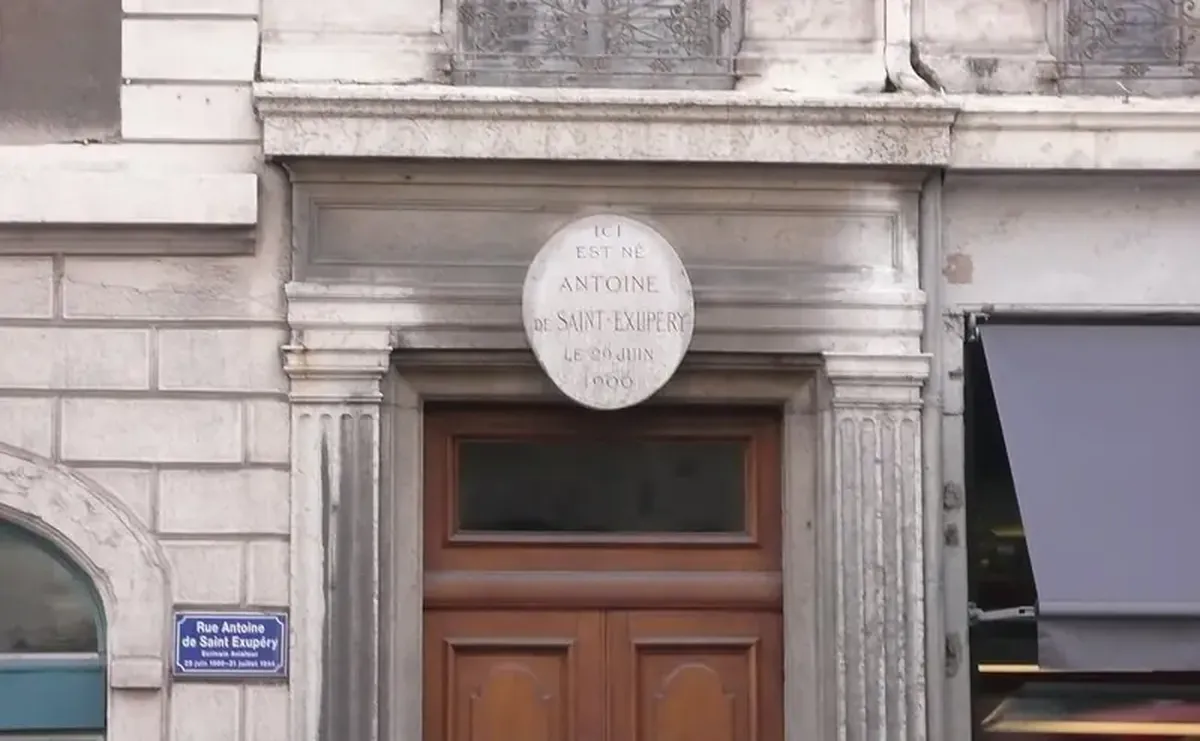
The house in Lyon where Antoine de Saint-Exupéry was born. The street now bears his name.
The Dreamer and the Stargazer
From a young age, Antoine showed a knack for experimentation and invention: he built engines and even attached sheets to a willow-frame bicycle to make a crude airplane, racing it in hopes of lifting off one day. His fascination with the sky and the stars earned him the nicknames “The Dreamer” and “The Stargazer.” He celebrated flying machines in his poems (“Wings swayed in the evening breeze, the engine’s song lulled the soul”) and excelled in mathematics, which later helped with his inventions. He became not only a pilot but also a mechanic with five registered patents.
Saint-Exupéry studied with his younger brother François at Jesuit colleges Notre-Dame de Sainte-Croix in Le Mans and Notre-Dame de Mongré in Villefranche-sur-Saône, and continued his education at the Marist College of Villa Saint-Jean in Fribourg, Switzerland. His brother died there of rheumatic heart disease during his teenage years. In that close-knit family of three girls and two boys, François had been Antoine’s closest friend, and Antoine suffered greatly when he was left alone. “Friendship cannot be bought,” Saint-Exupéry later wrote, reflecting on the losses he would face.
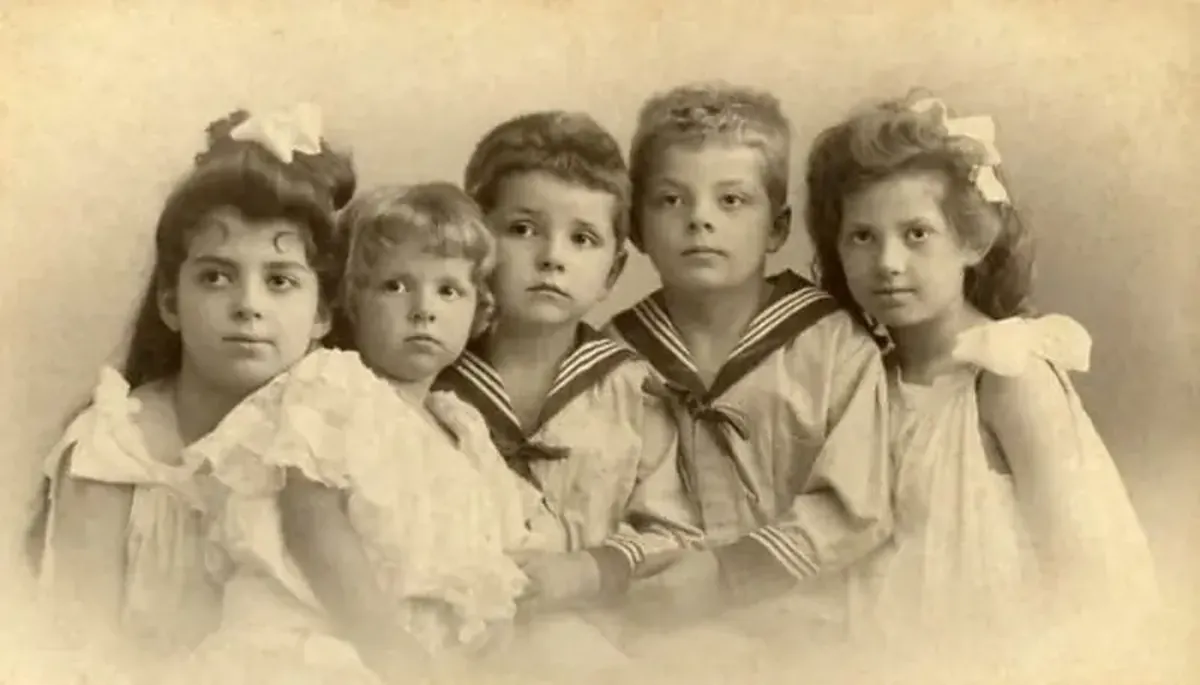
Antoine de Saint-Exupéry with his brother and sisters.
The Decision is Made
After finishing high school, Antoine continued his education at Bossuet School in Paris, then transferred to the boarding school at Lycée Saint-Louis to take an extra mathematics course needed for the naval academy entrance exam. Ironically, he failed that entrance exam because his essay refused to invent impressions he didn’t have; the prompt asked for the feelings of an Alsatian returning from war to a village that had become French again, and he wrote, “I wasn’t there, I don’t know.”
Saint-Exupéry later audited classes in the Academy of Arts’ architecture department but abandoned that path for the sky. The boy with a pencil truly yearned to be a pilot. He first flew as a passenger at age 12 with one of aviation’s pioneers and was captivated by the romantic, heroic work of the person at the controls. When flight school announced recruitment, Antoine focused entirely on flying. His courage knew no bounds, and the young daredevil was ready to dedicate himself to his country.
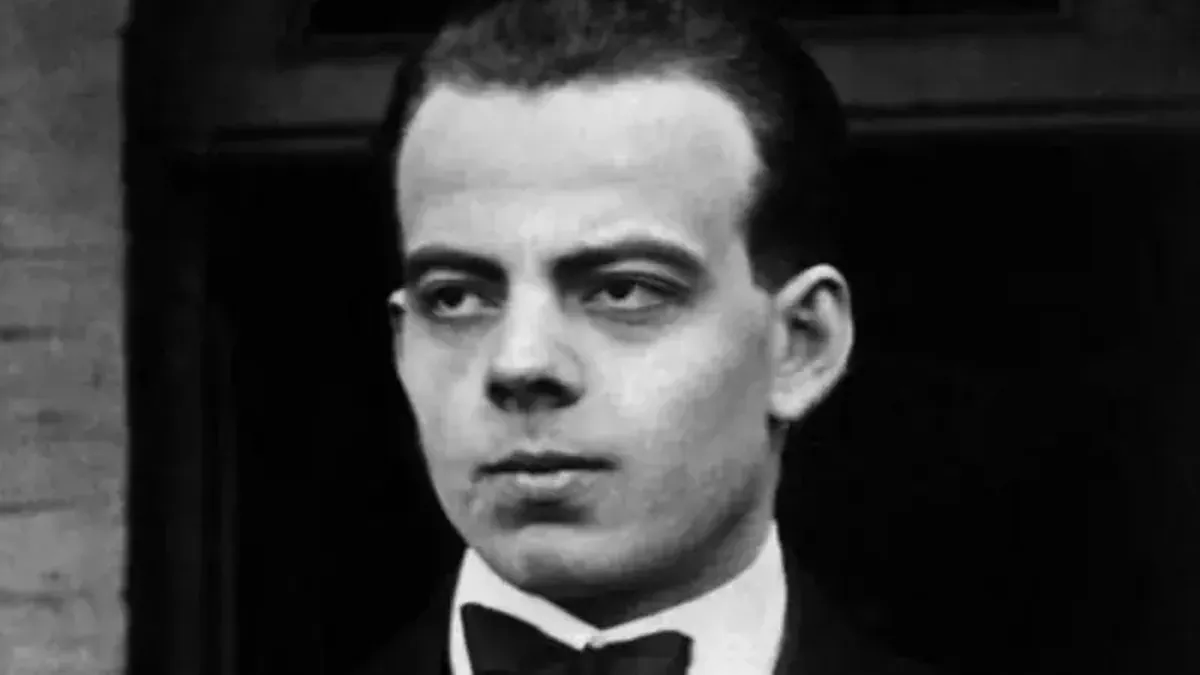
Alone with the Engine
In 1921 Saint-Exupéry was drafted into the army and did everything he could to join the 2nd Fighter Aviation Regiment in Strasbourg. His first job was in the repair workshops, but he soon passed the civilian pilot exam. After a transfer to Morocco, he earned his military pilot’s license, completed reserve officer courses, and at 22 was assigned as a junior lieutenant to an aviation regiment at Le Bourget near Paris. After surviving his first plane crash the following year and suffering a traumatic brain injury, he was discharged and turned to literature in Paris.
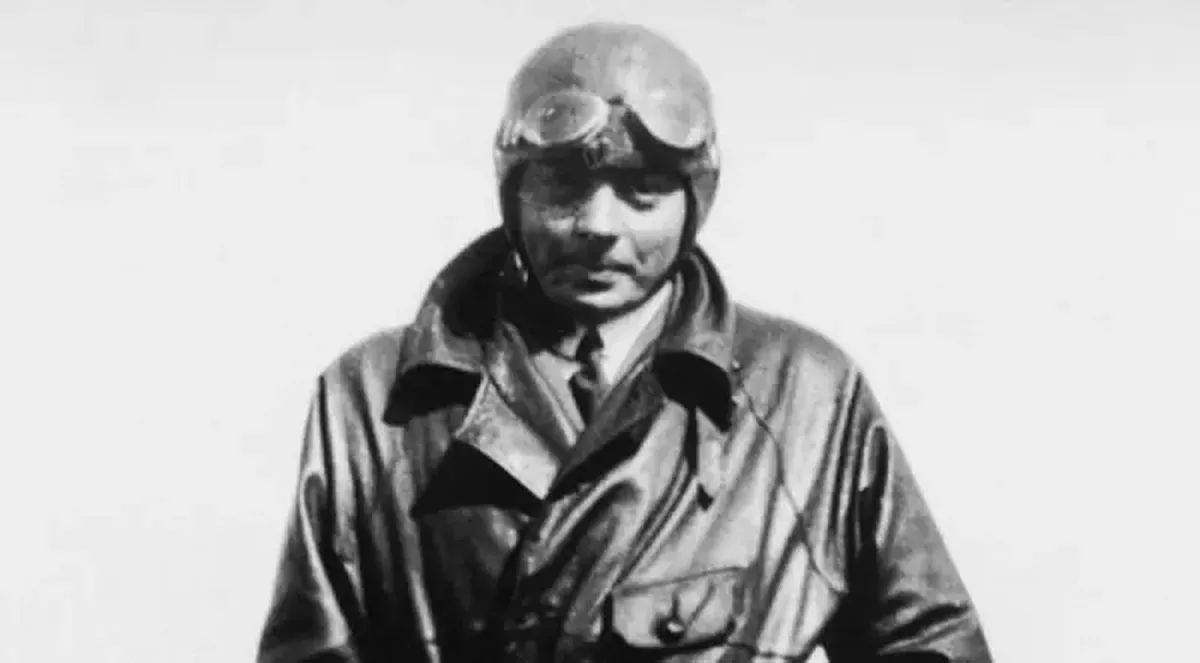
But the sky would not let him go. After the army he was hired by Aéropostale, flying airmail to Africa on the Toulouse–Casablanca–Dakar route. At 26 he became station chief on the edge of the Sahara and wrote his first novel, Southern Mail. “I get tired of myself very quickly, and because of this, I can accomplish nothing in life,” he confessed in a 1926 letter to a friend. “But I need freedom so much!” He told his mother, “You can’t imagine the peace and freedom you feel at an altitude of 4,000 meters alone with the engine.” In 1927 he wrote to her about his secret desire to write: “I have so much to say! I want to be seen in what I write – the essence of my thoughts, observations, and feelings.”
At the Risk of Life
As technical director of Aéropostale’s Argentine branch, Saint-Exupéry traveled across South America and saw his debut publication followed by a prestigious award for his work in Africa. In 1930 he was made a Knight of the Legion of Honor for rescuing injured pilots in dangerous, hostile areas and for his contributions to civil aviation. The award nomination praised his bravery, composure, dedication, and expertise. Working as airfield manager in Cap-Juby involved real life-threatening risks, surrounded by hostile tribes in the desert.
That same year he personally joined the search for his friend Henri Guillaumet after Guillaumet crashed in the Andes. His novel Night Flight became a documentary testament to the dangers faced by aviators. Saint-Exupéry’s flying life included several plane crashes, narrow escapes from sinking cockpits, and crashes in the desert. He was sometimes the sole survivor of a two-man crew. After a plane collided with a sand dune, he and a mechanic were rescued from dehydration in the desert by Bedouins.
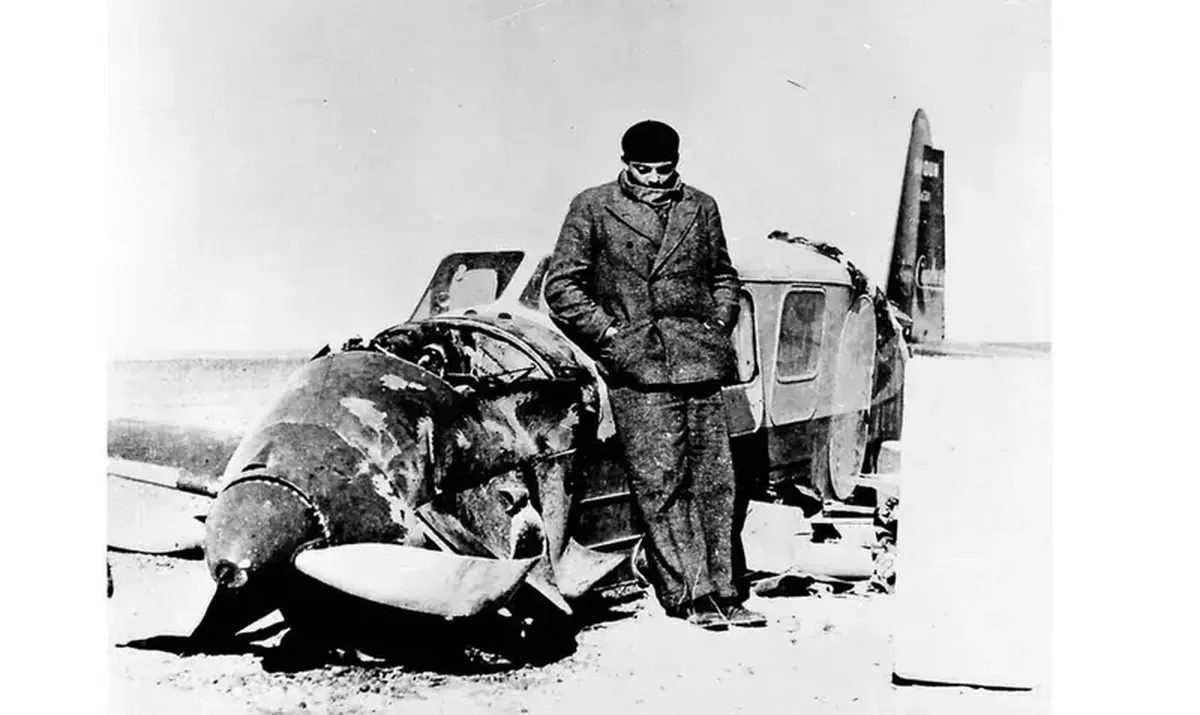
Saint-Exupéry beside a crashed plane in the Libyan desert.
The Military Cross
Numerous fractures later limited his movements and made even putting on a flight suit difficult. But he could not live without risk and had grown used to the pain from accumulated injuries. As he became less fit for flying, he felt the need to keep flying. He told his superiors he had a “physical and spiritual need” for it. No crash stopped him from taking off again, nor from pursuing his creative projects. In the 1930s he tried filmmaking: director Raymond Bernard adapted one of his scripts into the film Anna-Marie (1936).
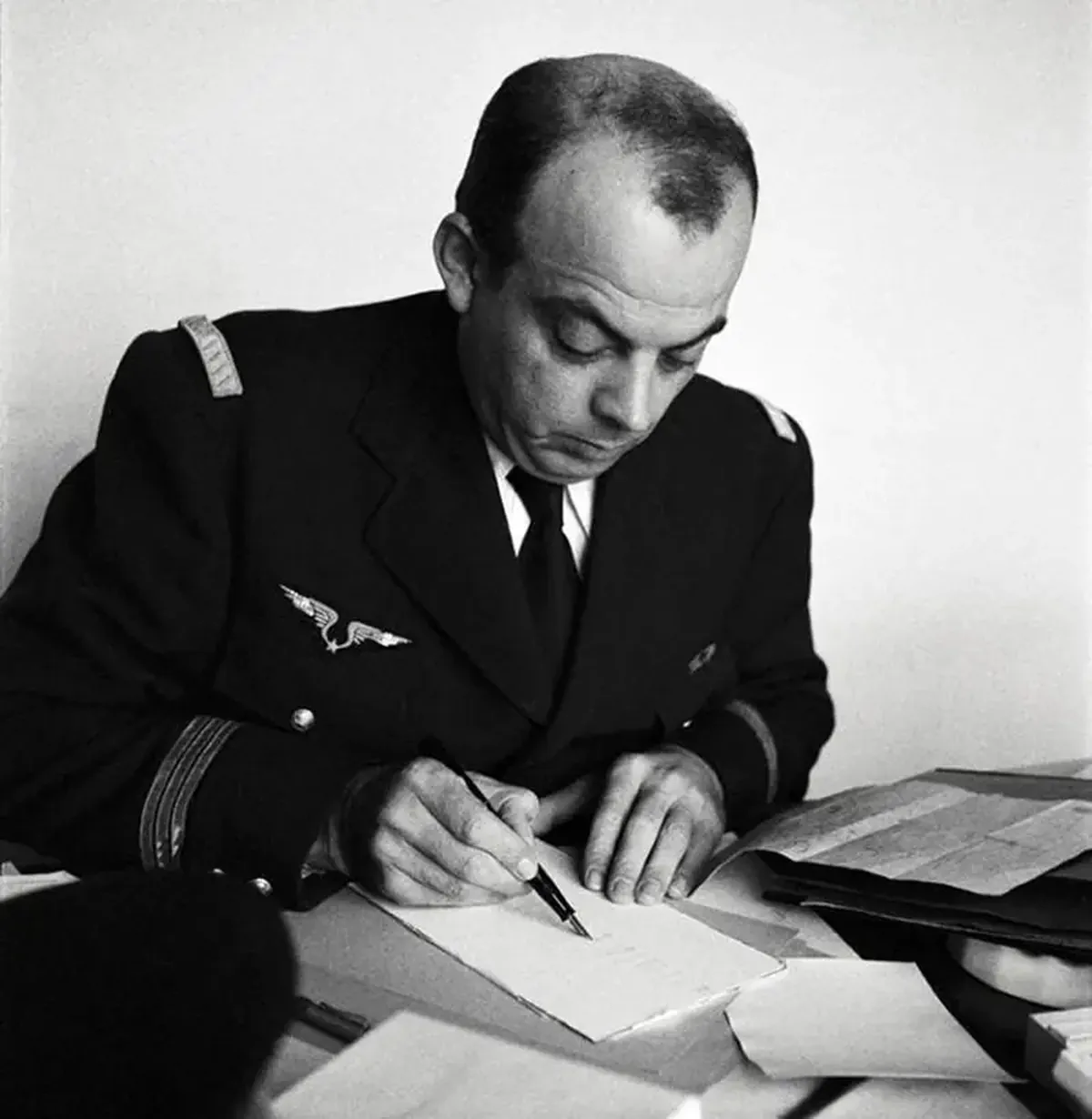
The following year, flying his own plane (which he bought in 1935), he went to war-torn Spain as a correspondent for the Paris evening paper Paris Soir. The day after France declared war on Germany, Saint-Exupéry reported to the Toulouse military airfield for mobilization. Two months later he was transferred to a long-range reconnaissance unit. “When the forest is burning in Provence, people go out against the fire with buckets and shovels,” wrote the 39-year-old pilot. “I must fight in this war, for everything I hold dear is now at risk.” For reconnaissance combat flights, “the count at the controls” was awarded the Military Cross.
Forbidden Weapon
On the eve of France’s capitulation in July 1940, the 2/33 group that included Saint-Exupéry evacuated to Algeria. After the armistice, his weapon in North Africa became the written word. In 1942–43 he wrote Wind, Sand and Stars and Letter to a Hostage while in the U.S.; those books were taken up by the French Resistance. Wind, Sand and Stars was banned in both parts of occupied France: the Nazis and the Vichy government banned it as Resistance propaganda, while some supporters of de Gaulle criticized it for what they called “defeatist sentiments.” Those reactions deepened the pilot’s depression.
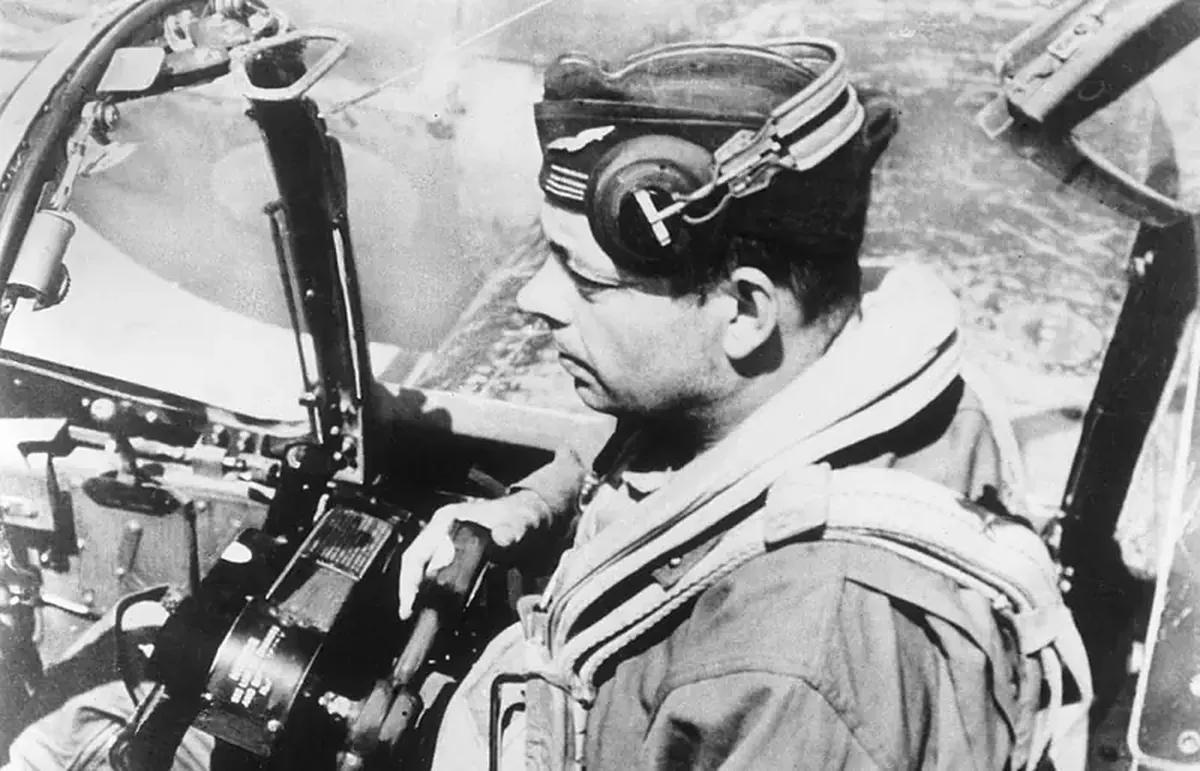
Seeking solace in “the magic of memory,” he warmed himself with recollections of his childhood home and realized he needed the warmth of a family hearth. Would he be able to build his own home and find a woman to calm his anxieties? France’s defeat forced him to move to the U.S., where his midlife crisis intensified. He had many plans, but he still sought the right to take the controls of a military plane. He was older and carried injuries, but that did not stop him. After receiving permission for nine combat flights in the summer of 1944, the 44-year-old Major Saint-Exupéry did not return from his ninth flight, remaining in the sky like his Little Prince.
A Parable of Loneliness
In New York in 1942 Saint-Exupéry wrote his most famous work—the parable about loneliness, The Little Prince. He created an autobiographical hero, little Tonio, who gets lost in the adult world: the same happy child who becomes a disillusioned adult. That is the life of a modern person on a planet that needs “a gardener for people.” The Little Prince’s image also appears in Wind, Sand and Stars.
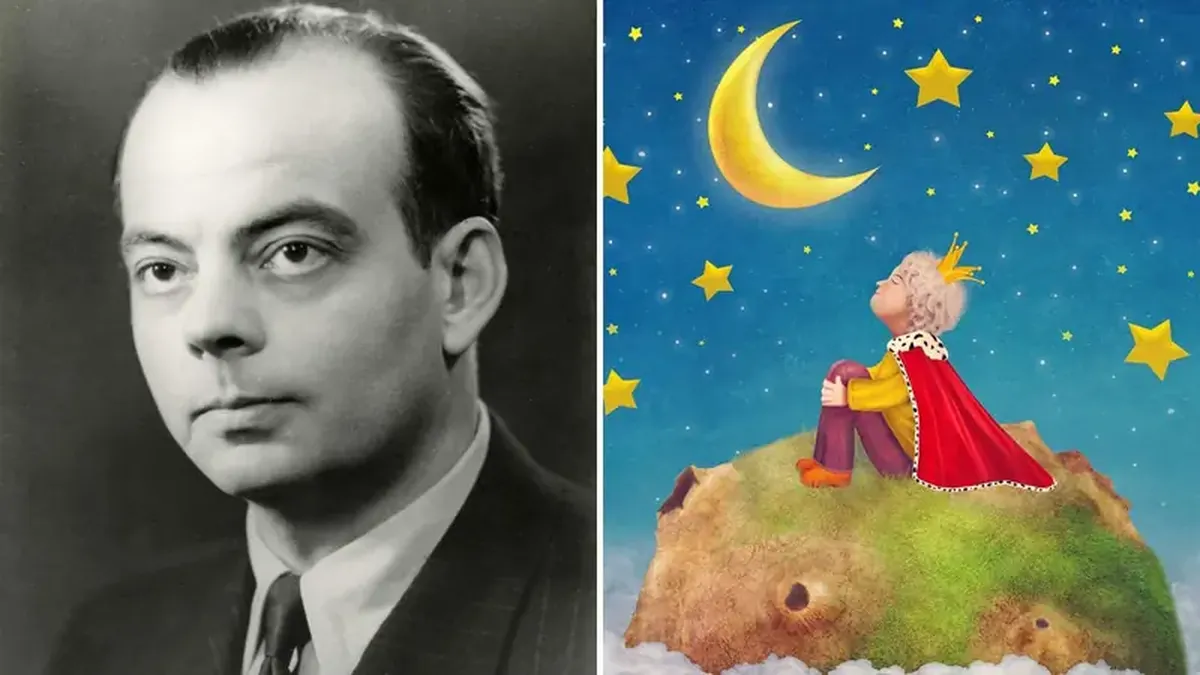
That earlier book was compiled from the pilot’s notes while he recovered in a New York hospital after a plane crash in Guatemala, and it also had ties to the U.S. In 1938 the accident—which claimed the life of the mechanic—occurred during a climb while attempting to fly from New York to Tierra del Fuego. Antoine was severely injured. The printing house later gave him a souvenir copy of the first edition printed on aviation canvas. In France the 1939 book won the Grand Prize of the French Academy.
Where Are Your Wings?
The image of a winged boy sitting on a cloud was something Saint-Exupéry would absentmindedly draw on scraps of paper between combat flights. Gradually, the wings turned into a long scarf (the author often wore one himself), and the cloud became an asteroid. The original illustrations were included in the first American edition, and the tale has sold roughly 200 million copies worldwide. In the U.S., his most successful work was published in 1943 by Reynal & Hitchcock in both French and English. The story’s philosophical meaning still resonates; many readers recognize the archetypes in its characters.
The fox in The Little Prince symbolizes a loyal friend, but the real-life figure often associated with the lesson “to be responsible for those you tamed” was Saint-Exupéry’s American friend Sylvia Reinhardt, with whom he shared a close friendship. Saint-Exupéry’s fox, with its large ears, resembles a small desert fennec he tamed in Morocco. The fragile, willful Rose represents the writer’s complicated love and stands as an archetype of his wife, Consuelo. They met in Buenos Aires and married in 1930. Consuelo, impulsive and Latin American, was sometimes called the “Salvadoran volcano.”
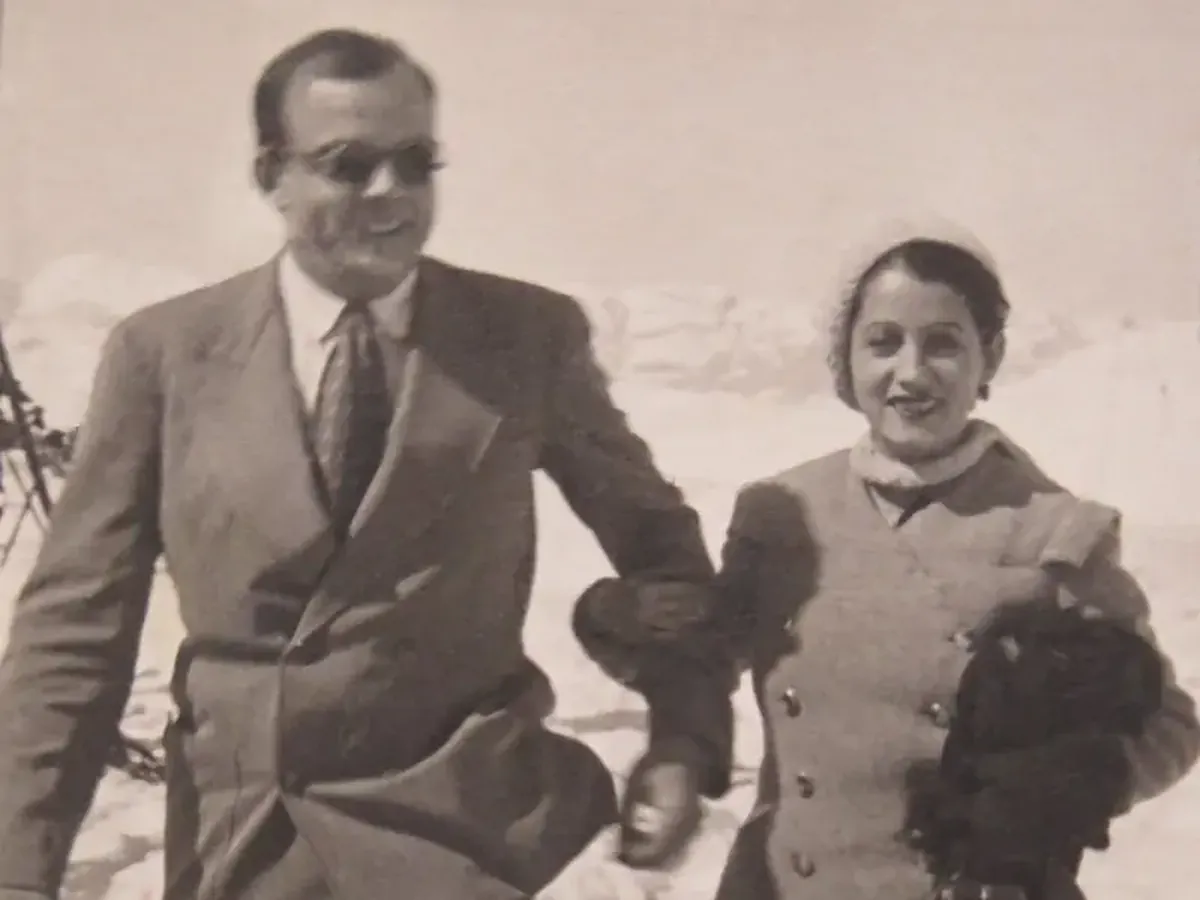
Antoine de Saint-Exupéry with his wife Consuelo.
Memories of the Rose
“Tonio loved good company, but phone calls terrified him, for he was by nature a recluse,” Consuelo de Saint-Exupéry wrote in her memoirs Memories of the Rose. Antoine himself confessed to his mother, “Few can say they know me at all: I don’t open my soul to people.” When he called Consuelo to Paris, he warned her not to tell the press. She was a journalist, writer, and artist and had ties to the media, but when she once came to interview him he was surprised: he paid little attention to her career.
Consuelo de Saint-Exupéry (Sunsin-Sandoval-Cecilia) came from the Salvadoran city of Armenia. Her parents were wealthy landowners, which allowed her to study in the U.S., France, and Mexico. She was marrying for the third time. “I would like to have from you the same understanding as a mother has for her son,” Saint-Exupéry told his wife. His mother had been the dearest person in his life, and he often told Consuelo, “I need you as much as I did in childhood.” He expected “help in alleviating his anxieties” from his wife, but their relationship never fit that model.
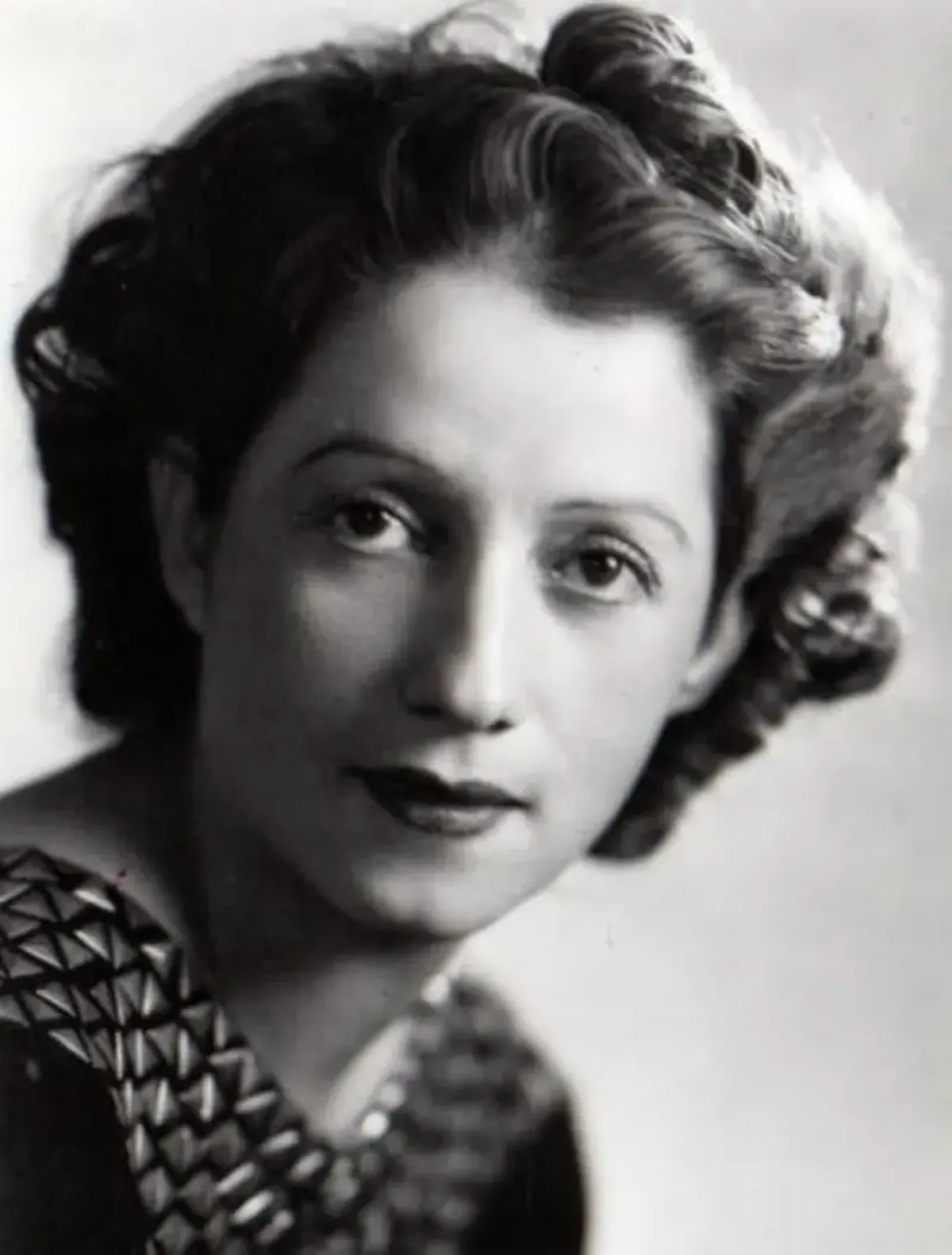
Consuelo de Saint-Exupéry (1942).
The Saint-Exupéry Syndrome
He even stopped the registration of their marriage in America because he was upset that his relatives were not present at the town-hall ceremony. “You understand me, don’t you?” he asked through tears. She understood, and the wedding was called off; the groom thanked her for supporting the decision. They postponed the ceremony to Paris. Their nervous, restless union has long intrigued psychotherapists. Anxiety, grievances, manipulation, and mutual betrayals formed a toxic mix. Yet the marriage endured, exhausting both and becoming an illustration some call the “Saint-Exupéry Syndrome” (in clinical terms, this refers to “caring for those you have tamed”).
The writer continued to care for his “Rose under a glass dome,” showering her with letters: “Consuelo, I am happy to have such a wife and want to meet you in eternity after death.” About 160 love letters with drawings and photographs by Saint-Exupéry are now owned by the widow of gardener José Martínez-Fructuoso, to whom Consuelo bequeathed her estate and the rights to the writer’s memorabilia after her death. She did not give those things to the writer’s relatives out of spite; she wanted revenge for their mockery and condemnation (they had called her a “comic countess”). The heirs on both sides still face disputes over who can publish the documents: the writer’s former daughter-in-law died in 1979, and legal battles over access continue.
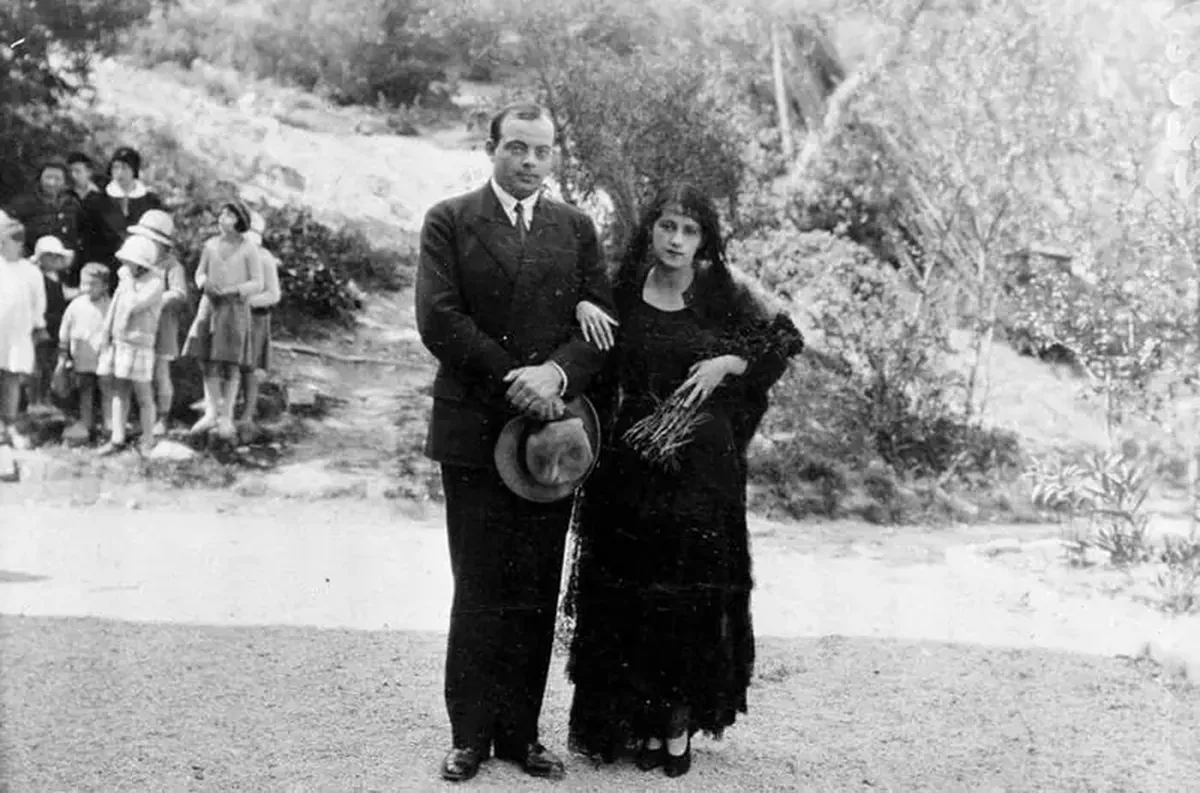
The wedding of Antoine and Consuelo (the bride in a black dress).
“He is Doomed”
“The man was doomed to die,” Consuelo wrote. Was that a premonition—or a tragic coincidence? Saint-Exupéry often spoke about death with his wife: “Drowning is easy. Let me tell you about it…” He even joked with squadron chief Jean Lela that a fortune-teller had predicted his death at sea: “Did she take me for a sailor or what?” When he disappeared in 1944, people recalled that curious remark.
On July 31, 1944, Antoine de Saint-Exupéry vanished over the island of Corsica. He took off from the Borgo airfield on a reconnaissance flight and did not return. Before that flight he had mastered the new high-speed P-38 Lightning and wrote on July 9–10, 1944: “I have a delightful profession at 44. But flying at ten thousand meters is better than Algerian laziness. I chose work to the maximum and must squeeze myself dry. It would be nice if this vile war ended before I fade away. After all, I still have things to do.”
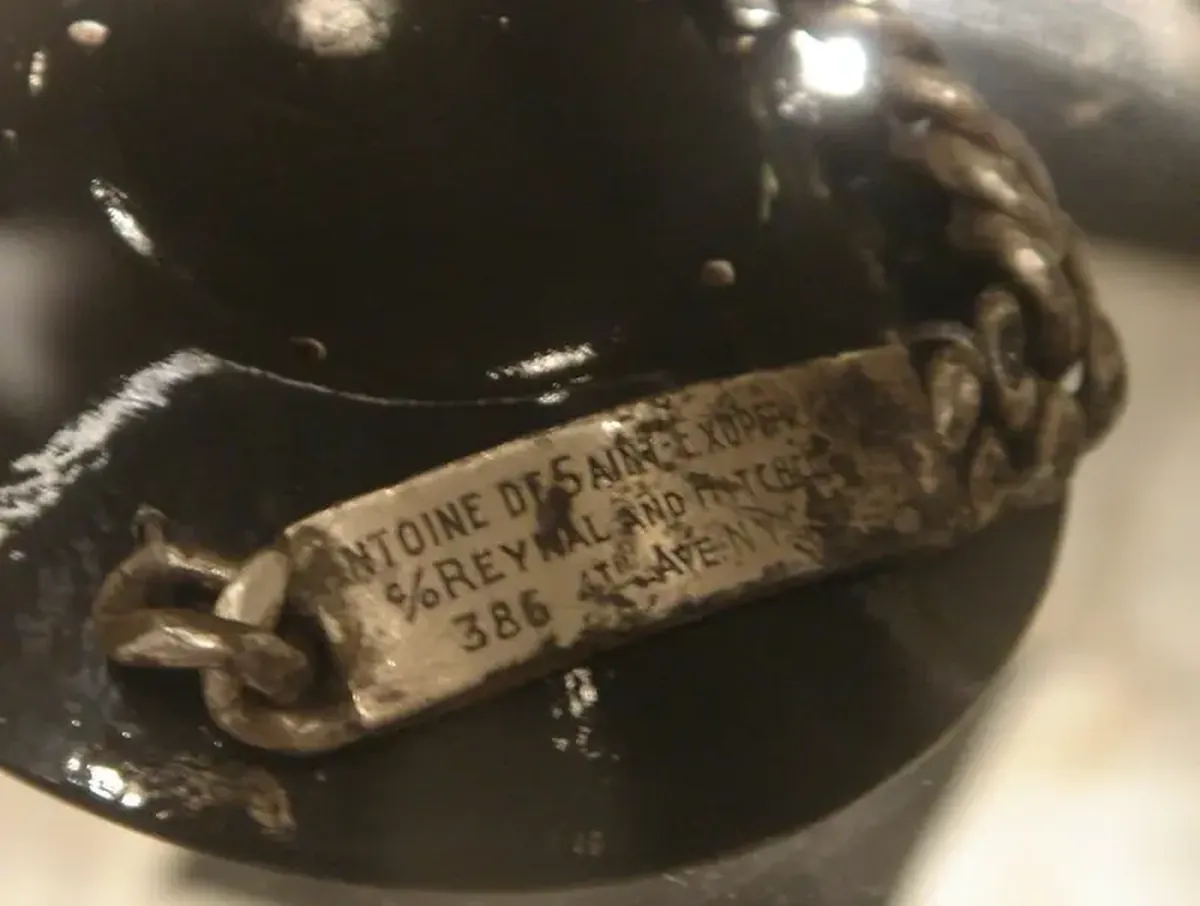
The military bracelet of Antoine de Saint-Exupéry, found in 1998 in the Mediterranean Sea.
The Last Mystery
On the eve of his final flight, Saint-Exupéry finished a long conversation with General Gavaul by handing him a small suitcase containing his manuscripts. “We cried, and I left him with the suitcase very late,” the general recalled. “It felt like a farewell. I thought he sensed that he would soon be gone.” For a long time the circumstances of his death were unknown; some assumed he had crashed in the Alps. Only in 1998 did a fisherman near Marseille pull a bracelet from the sea engraved with the names Antoine and Consuelo and the address of Saint-Exupéry’s publisher. In May 2000 a diver discovered scattered wreckage of a plane at a depth of 70 meters over a kilometer-long stretch that could belong to him.
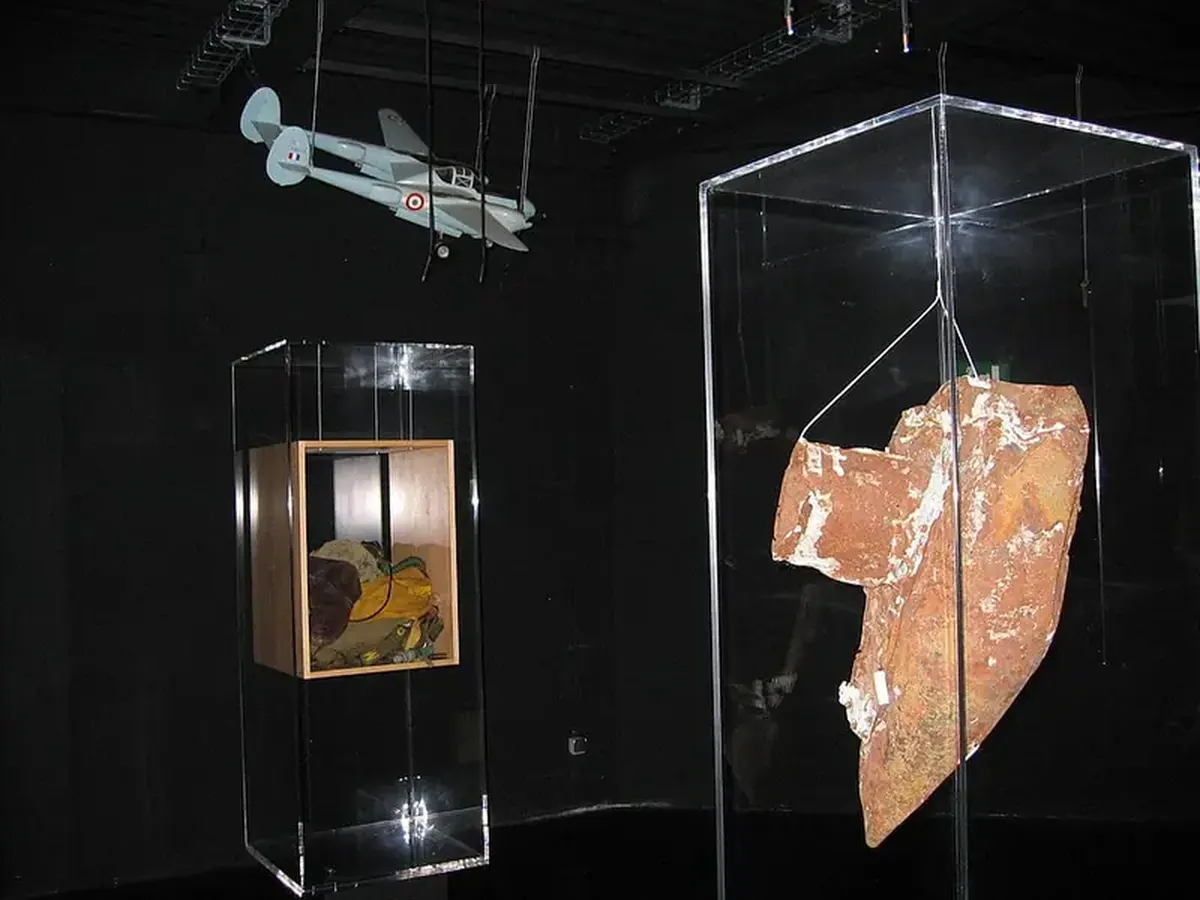
Remains of the Lockheed P-38 Lightning that Saint-Exupéry flew when he disappeared over the Mediterranean Sea. The wreckage was found and identified in 2004.
Three years later the wreckage was raised and identified as the plane Saint-Exupéry had flown. Luftwaffe logs showed no record of planes shot down in the region that day, the wreckage bore no signs of gunfire, and no pilot remains were found. Theories of an accident or suicide during depression competed with speculation about desertion. An 86-year-old Luftwaffe veteran claimed he had shot down the plane, but investigators found he was lying; he later said he wanted to protect the pilot from unfounded suspicions. The wreckage now sits in the Aviation and Space Museum at Le Bourget. Most experts conclude human error or technical malfunction caused Saint-Exupéry’s plane to crash into the sea. And if you remember the ending of The Little Prince: the narrator never finds his body. Did the Little Prince return to his planet?
