
 Carlos Solis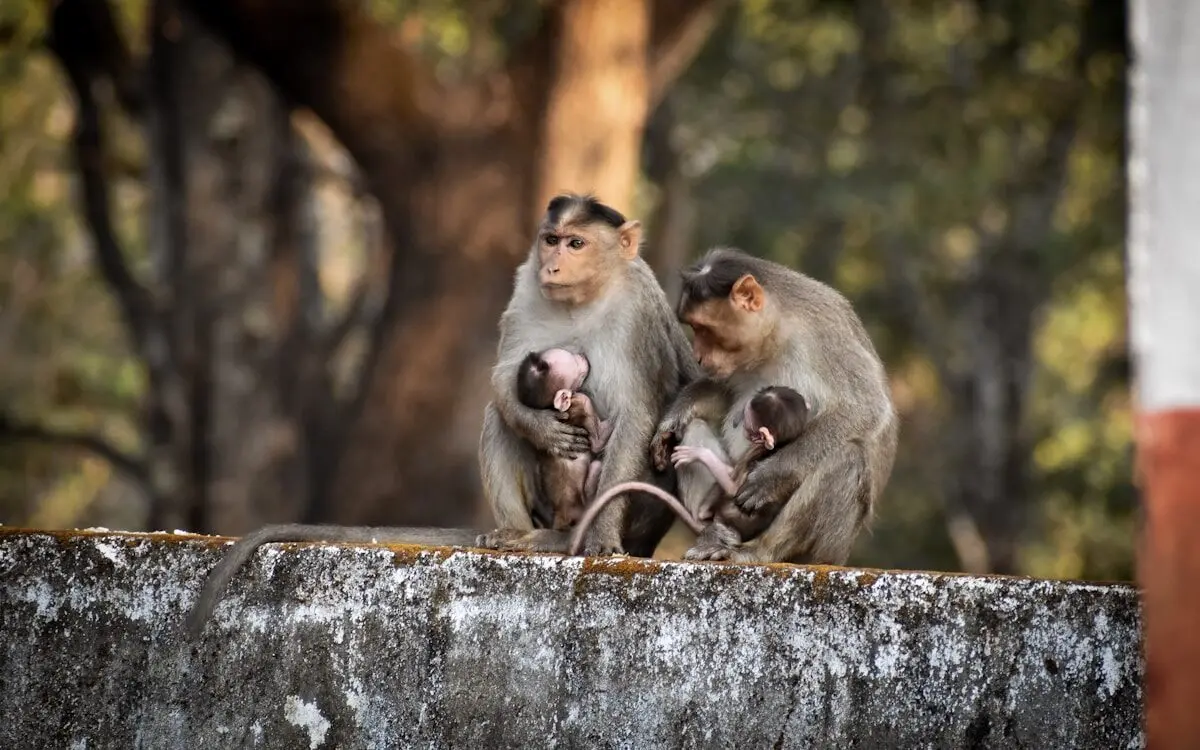
We owe enormous love, respect, and gratitude to the mothers who gave us life and, for some of us, helped us survive — sometimes under extremely difficult circumstances. A new study shows that the protective “umbrella” of maternal care can influence not just an individual offspring but the evolution of longevity across an entire species.
In a study led by neurobiologist Matthew Zipple at Cornell University, the team studied species with slow life histories. Mammal lifespan generally correlates with body size, but some species deviate: they live much longer than other animals of similar body mass. Those long-lived species include humans, certain primates, hyenas, and others. All of them are highly social animals that live in groups and help one another.
The ‘grandmother hypothesis’ and the mother’s role
One well-known explanation for longevity is the “grandmother hypothesis.” It proposes that in species with a postmenopausal period (when older females no longer reproduce), grandmothers reduce competition for reproduction and support younger mothers, increasing their grandchildren’s chances of survival. But that situation exists in only a few species — humans, orcas, beluga whales, narwhals, and chimpanzees.
Zipple and his colleagues asked a different question: why do many species without menopause still live long? They shifted the focus from grandmothers to the immediate role of mothers. In their models, the researchers quantified how maternal survival affects the chances that her offspring — and even her grandchildren — will survive.
The idea is simple: if young animals depend heavily on their mothers, a longer-lived mother directly raises her descendants’ odds of surviving and reproducing. That creates evolutionary pressure favoring individuals with longer lifespans, even if those individuals have fewer offspring.
The researchers used field ecologists’ data and ran several models. Every version produced the same pattern: the stronger offspring depend on mothers, the more populations evolve toward slower reproduction and longer lifespans. By contrast, early maternal death leaves offspring weaker or less able to care for their own young, which triggers a cascading negative effect on survival across multiple generations.

Mother’s care can last up to 20 years
In some species, young individuals remain under maternal care for a very long time: in orcas, juveniles may stay under their mother’s care for years and reach sexual maturity between 12 and 20 years of age. In those systems, a mother’s survival and experience have a major impact on her offspring’s survival and future reproductive success.
Across mammals, lifespans range from about 12 months in some rodents to more than 200 years in certain whale species. That range shows how different evolutionary strategies are tied to parental care and reproduction.
The authors did not examine whether a similar effect applies to paternal care. In all of the species they considered, females provide primary care, and data on fathers’ impact on offspring survival are harder to collect. In the species where those bonds have been studied — humans, baboons, and other primates — a mother’s influence proves stronger and longer-lasting than a father’s.
“When you watch mother–infant interactions in primates, you can see it in the babies’ faces: nothing matters more to them than their mother’s presence,” Zipple adds. He says that combining behavioral observations with demographic research strengthens the case for a common evolutionary mechanism linking humans and our closest relatives.
This article is based on reporting from ScienceAlert
Photo: Unsplash
