
 Gaby
Gaby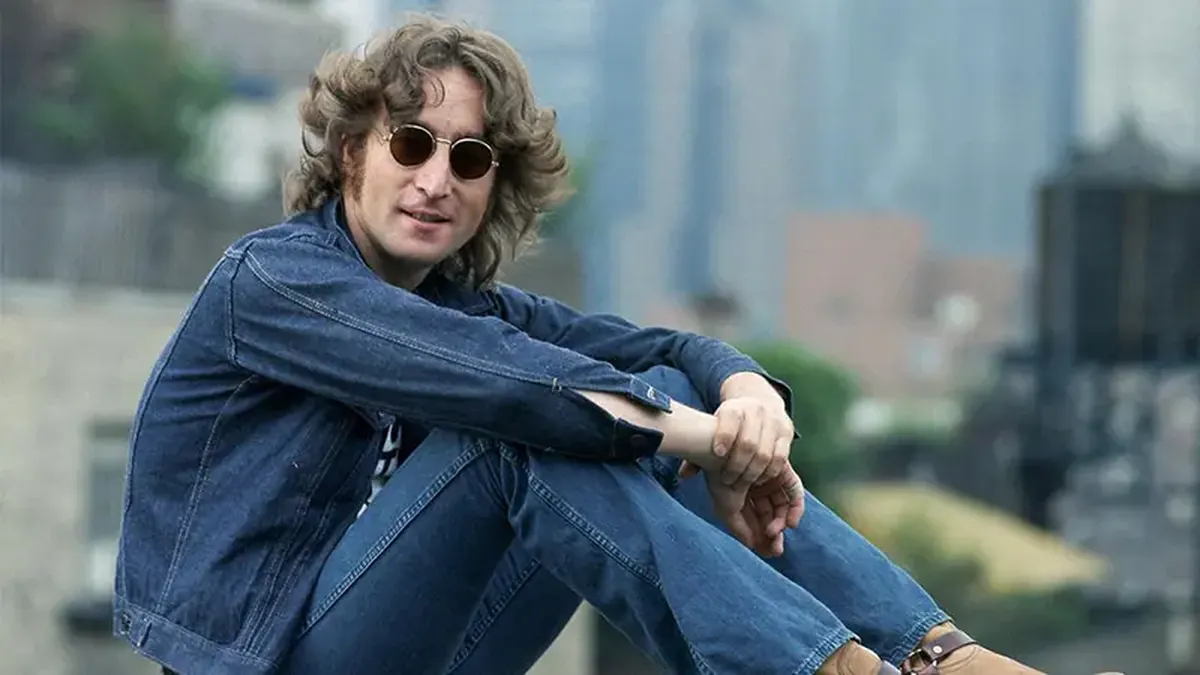
Many chapters of John Lennon’s life—the founder, co-writer, vocalist, and guitarist of the band that opened the doors to British rock—have been chronicled and debated as history. But the global fame he achieved wasn’t only about the music. Sharp-witted and relentlessly contrarian, Lennon preferred to call himself an artist in both a literal and broader sense. A prankster and free thinker from childhood, he lived by rebellion. The search for harmony and the urge to destroy sat side by side in his story, alongside a quest for expanded consciousness and psychological healing.
As one of the defining figures of 20th-century counterculture, Lennon used creativity as a form of protest and became a voice for the left. The name of this performer, composer, poet, artist, writer, and activist is etched into fights for peace, freedom, and equality. He wrote anti-war anthems and political manifestos, returned his Order of the British Empire to the Queen, and publicly challenged the American president. He stirred public opinion and inspired followers with a personal courage that cost him professionally—and ultimately cost him his life. That willingness to pay a price for his beliefs may explain part of his legend.
Childhood Drama
John Winston, born in Liverpool with Irish roots, was named after his paternal grandfather and British prime minister Winston Churchill. He was born on October 9, 1940, while his father, Alfred Lennon, a merchant sailor, was at sea. Financial support checks arrived regularly at 9 Newcastle Road, where John’s mother, Julia, lived with him—until his father went AWOL in February 1944. When he returned six months later, Julia—by then pregnant by another man—refused to take him back.
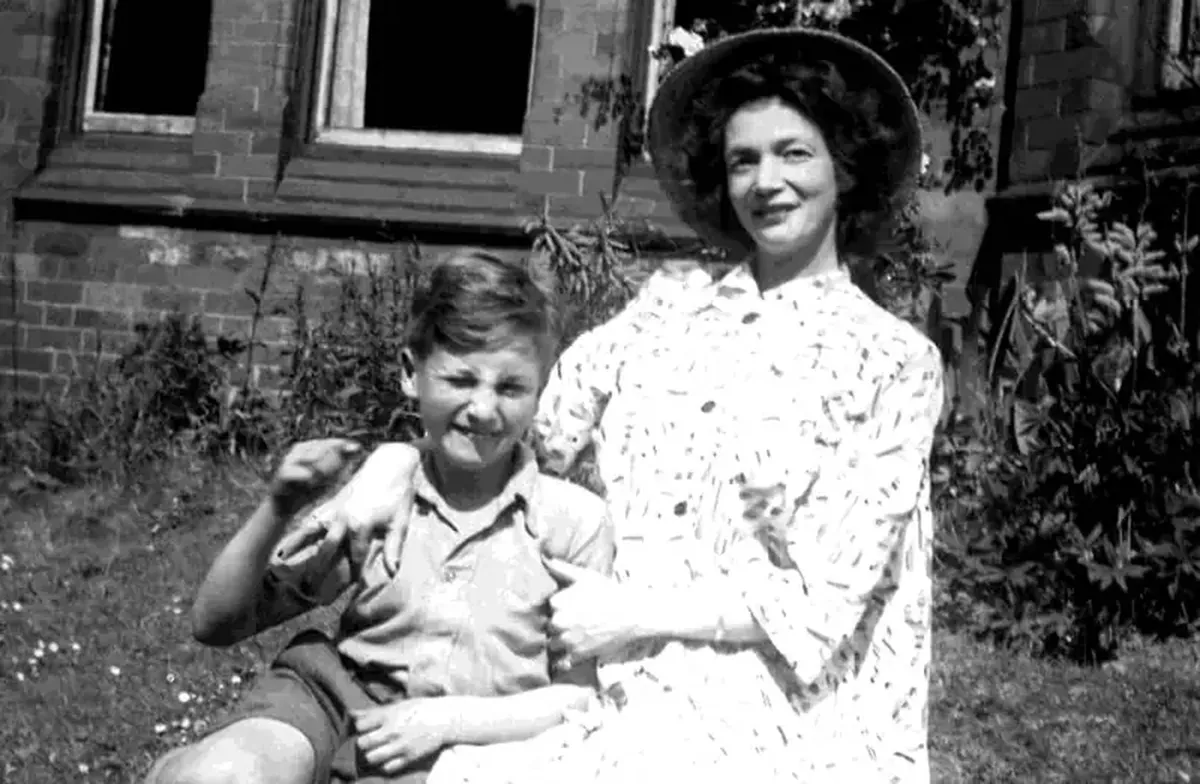
John with his mother
In 1946, Alfred visited and took John to Blackpool with plans to emigrate secretly to New Zealand. Julia, worried, chased after them with her partner and confronted Alfred, who suggested the five-year-old pick whom he wanted to stay with. John chose his father twice, then burst into tears and ran after his mother. To avoid further distress, the parents agreed that John would live with his mother. After two complaints to social services, Julia handed custody to her childless older sister, Mimi, who lived in Walton with her husband. Lennon grew up at 251 Menlove Avenue and didn’t see his father again for the next twenty years.
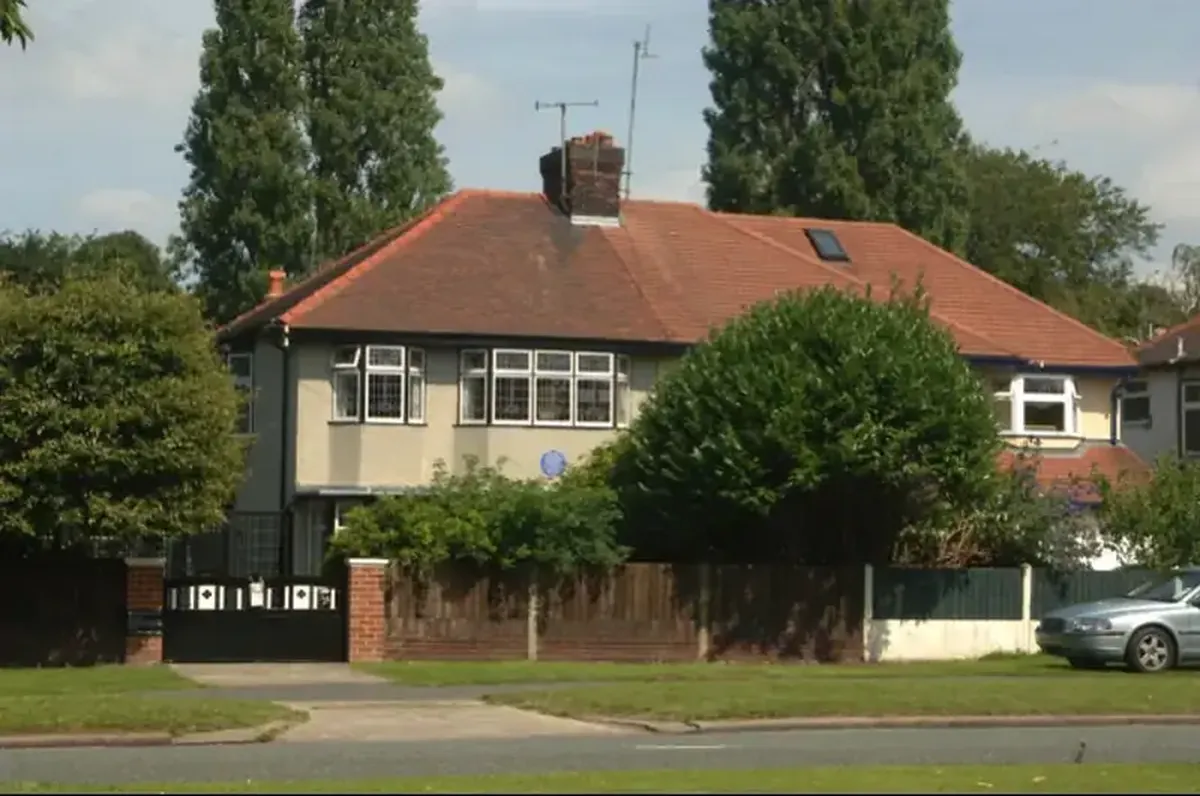
The house where John spent his childhood in Liverpool
Parents Are Not Gods
“In my family, there were five women,” Lennon wrote in his autobiography. “Strong, smart, and attractive, they were sisters to one another, and my mother was the youngest and least adapted to life. This was my first feminist education. My main distinction was my lack of attachment to my parents, and I extended this experience to my friends. I could tell them that parents are not gods, and my opinion was authoritative since I did not live with my father and mother. From childhood, I was a rebel, irritated by everything, yet I was always searching for love and recognition.”
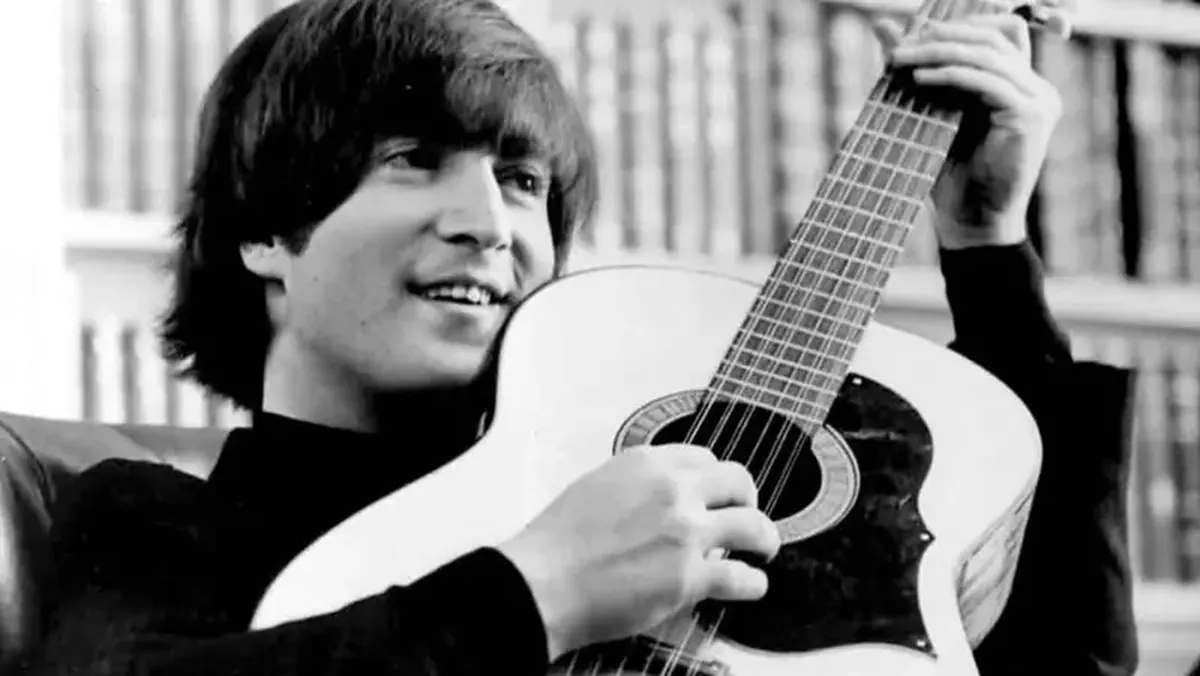
As Lennon remembered his youth, parents of other boys in his circle—even the father of Paul McCartney—warned their sons to stay away from him because he didn’t respect authority and led well-off kids astray. “And that was true,” Lennon admitted. “I disrupted the peace of every family I knew. Perhaps I did so out of jealousy that others had a real home, which I did not have.” Still, Lennon wasn’t without love: he saw his mother and cousins almost daily, his uncle gave him a harmonica, and his mother bought his first acoustic guitar. The guitar stayed at Julia’s house because Mimi didn’t think music was a promising pursuit and tried instead to instill a love of books in him.
Excess Ambition
At Quarry Bank High School in Liverpool, where Lennon studied from 1952 to 1957, he built a reputation as a joker. Classmates described him as “carefree,” “good-natured,” “cheerful,” and “frivolous.” In the homemade school paper Daily How, the artistically inclined student published biting caricatures, and in a school essay titled “What I Want to Be,” he wrote simply: “Happy.” When told he’d misunderstood the assignment, he replied, “You don’t understand life.” Teachers said he had misplaced ambitions and focused his energy in the wrong places.
Educators noted he lacked diligence and didn’t fulfill his potential. His behavior strained his relationship with Mimi. Only through her intervention and the school principal’s support did Lennon get into the Liverpool College of Art after failing his exams. Even there he received warnings and faced possible expulsion. According to a classmate who later became his first wife, Cynthia Powell, Lennon was expelled in his penultimate year after failing to complete a single assignment for a year. By then music had already become his priority: at 15 he formed his first skiffle group, The Quarrymen, and met Paul McCartney at one of their gigs, inviting him to join.
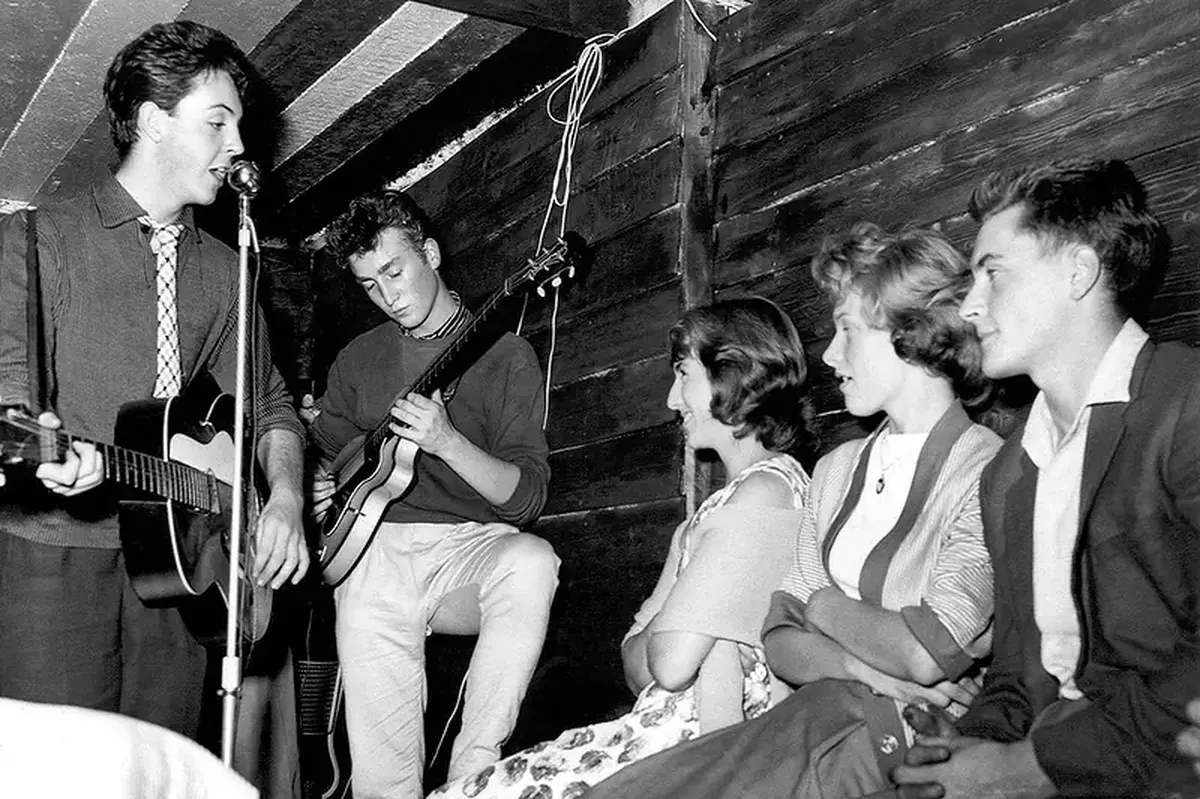
John and Paul’s early performances
Anger and Inspiration
At the time, Lennon—narrow tie, vest, cropped trousers, and platform suede shoes—looked like a member of the 1950s Teddy Boys youth subculture, which challenged society with its informal appearance. The real blow came in 1958, when his mother Julia, age 44, was hit by a car at an intersection driven by a drunken, untrained policeman. Aunt Mimi called the suspended but unpunished driver a murderer. Lennon fell into heavy drinking for two years and often started fights to vent what he called his “blind rage.”
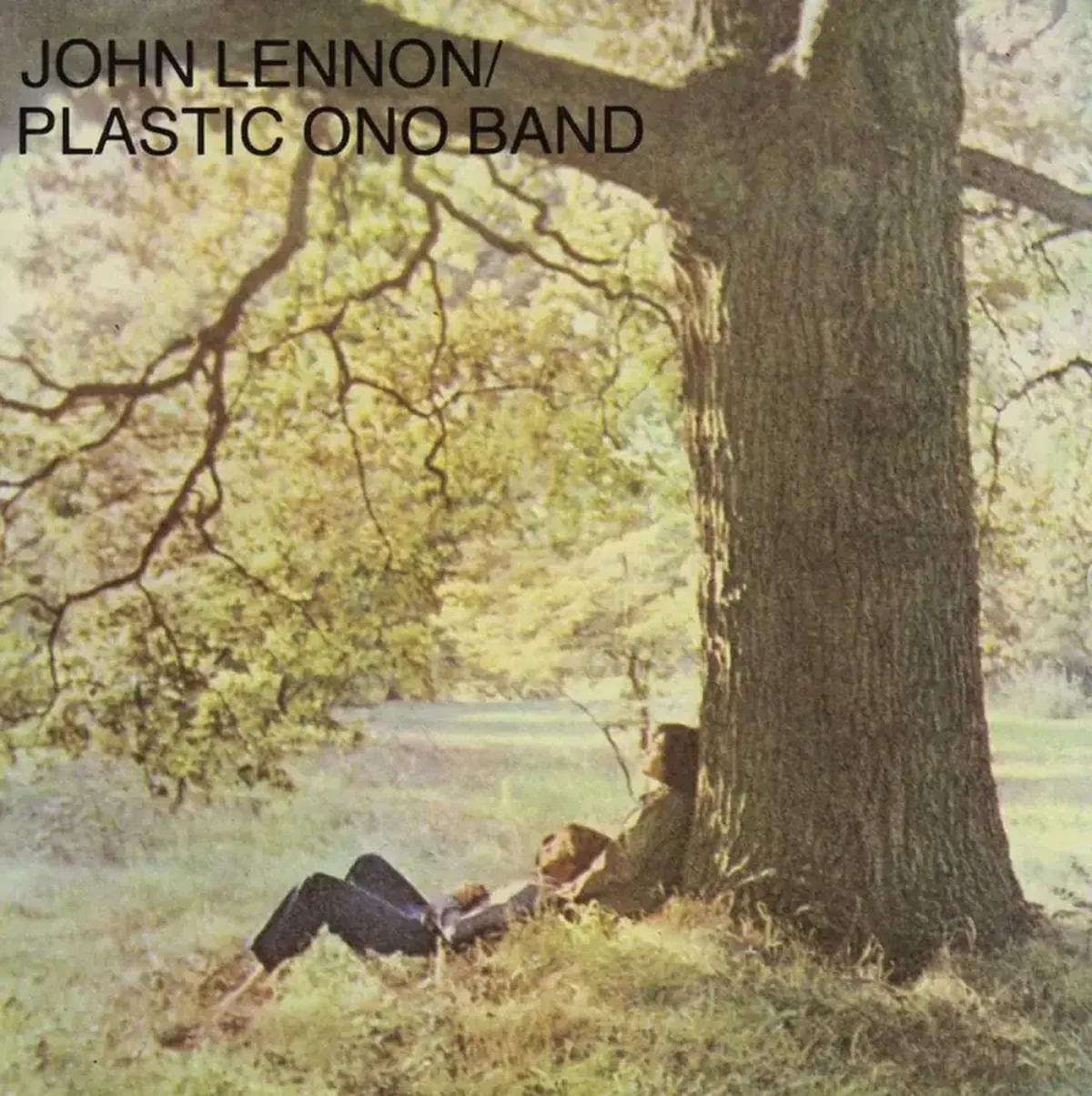
Julia’s death wounded John deeply, but it also drew him closer to Paul McCartney, who had also lost his mother young. That trauma became fuel for his songwriting: the Beatles later recorded “Julia,” and two songs from John’s solo album John Lennon/Plastic Ono Band—“Mother” and “My Mummy’s Dead”—addressed the loss. In 1963 Lennon named his first son Julian in honor of his mother. (Lennon’s children were born to his first wife, Cynthia Powell, and his later partner, Yoko Ono.)
“Personal Elvis”
In his early years, McCartney later called Lennon their “personal Elvis.” Early Beatles pop songs didn’t demand deep lyrics—sound mattered more than Lennon’s wordplay at first—but the other band members adored him. McCartney credited Lennon’s wit, intelligence, and charisma for the group’s respect for him: “John was older and the most clever of all of us—that was a leader’s trait.”
John could poke fun at aristocrats: at the Royal Variety Show he asked people in the cheap seats to clap and told those in the expensive boxes, including members of the royal family like the Queen Mother, to jingle their jewelry.
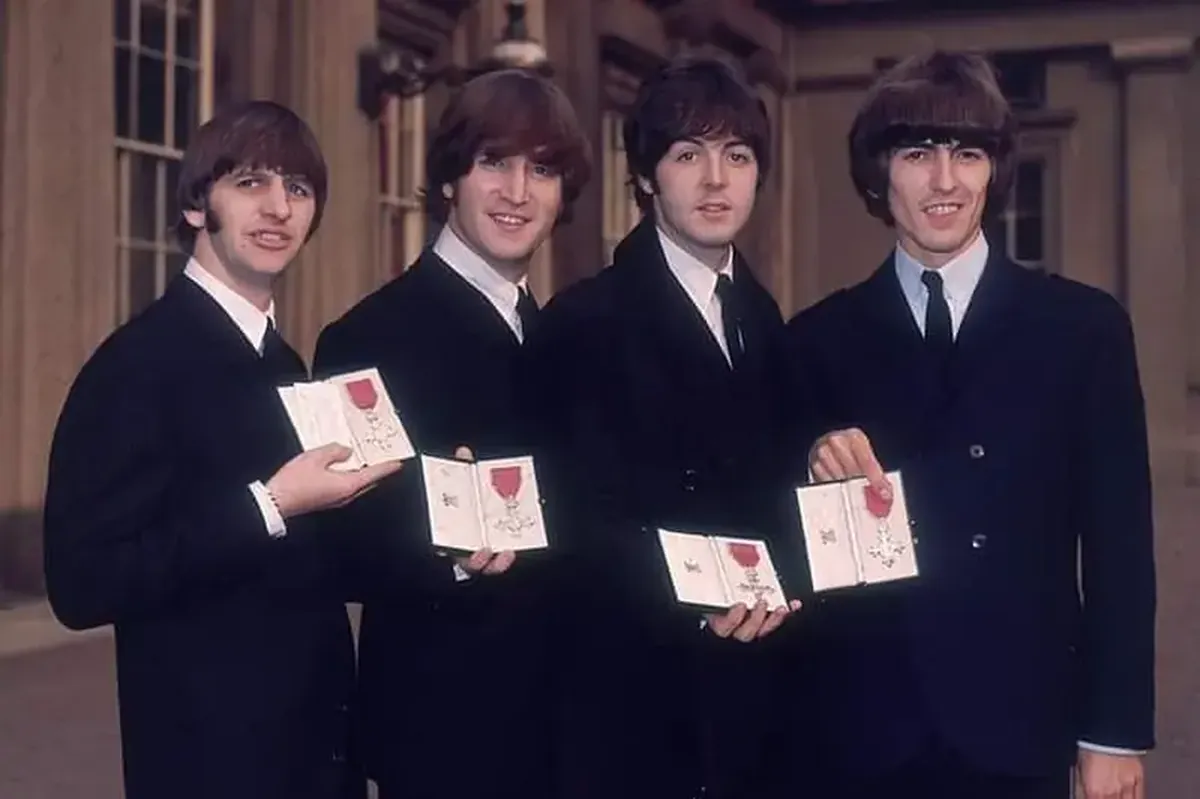
The Beatles received the Order of the British Empire
That mockery didn’t stop official recognition. In 1965 The Beatles were awarded the Order of the British Empire for the Queen’s birthday. Amid nonstop touring, film work, and songwriting, Lennon produced two collections of short pieces in the 1960s, Writing as It Comes and I Spaleц in the Wheel (the title reflects his punning style). A hectic schedule and a party encounter with banned substances introduced him to LSD. He later admitted he’d gained weight during that period and referred to it as his “fat Elvis” phase.
LSD and Pacifism
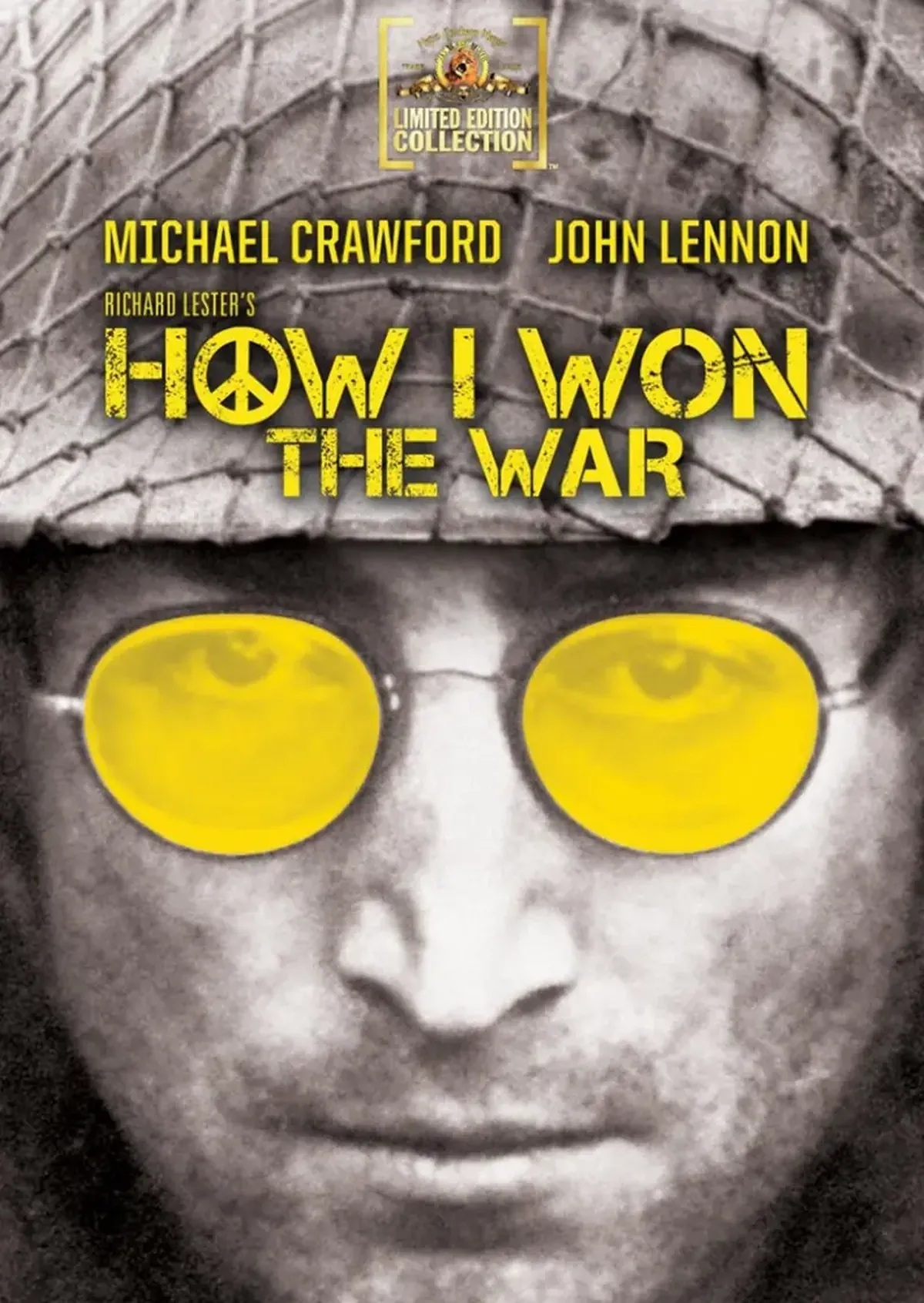
In 1966 Lennon caused an uproar with an interview in which he said The Beatles were “more popular than Jesus,” predicting Christianity’s decline. The comment barely registered in England but sparked record burnings, Ku Klux Klan protests, and death threats in the United States, effectively ending the band’s touring. After the band’s final concert on August 29, 1966, Lennon appeared without the group in the anti-war satirical film How I Won the War. Over his career he appeared as himself in 35 feature films and on 20 television programs.
Irish writer Ian MacDonald later argued that psychedelic drugs pushed Lennon close to “losing self-identity.” Yet they also helped him produce lyrics that critics called inventive. After the single “Strawberry Fields Forever” and the game-changing Sgt. Pepper’s Lonely Hearts Club Band, Lennon emerged as a songwriter of weighty verses, a contrast to the simpler early Lennon–McCartney songs. His pacifist anthem “All You Need Is Love” reached a global audience of 400 million during the satellite broadcast Our World.
But That’s Not All
The band was shaken further when their Liverpool manager Brian Epstein died while they were practicing transcendental meditation, a technique taught by an Indian guru that used a personal mantra to reduce stress and unlock potential. Lennon worried for the band’s future: “I was scared for the band’s fate, because we could only play music. Was that all there was?” Paul McCartney organized the band’s first post-Epstein project, the telefilm Magical Mystery Tour, which failed with critics and audiences even as Lennon’s soundtrack song “I Am the Walrus” succeeded.
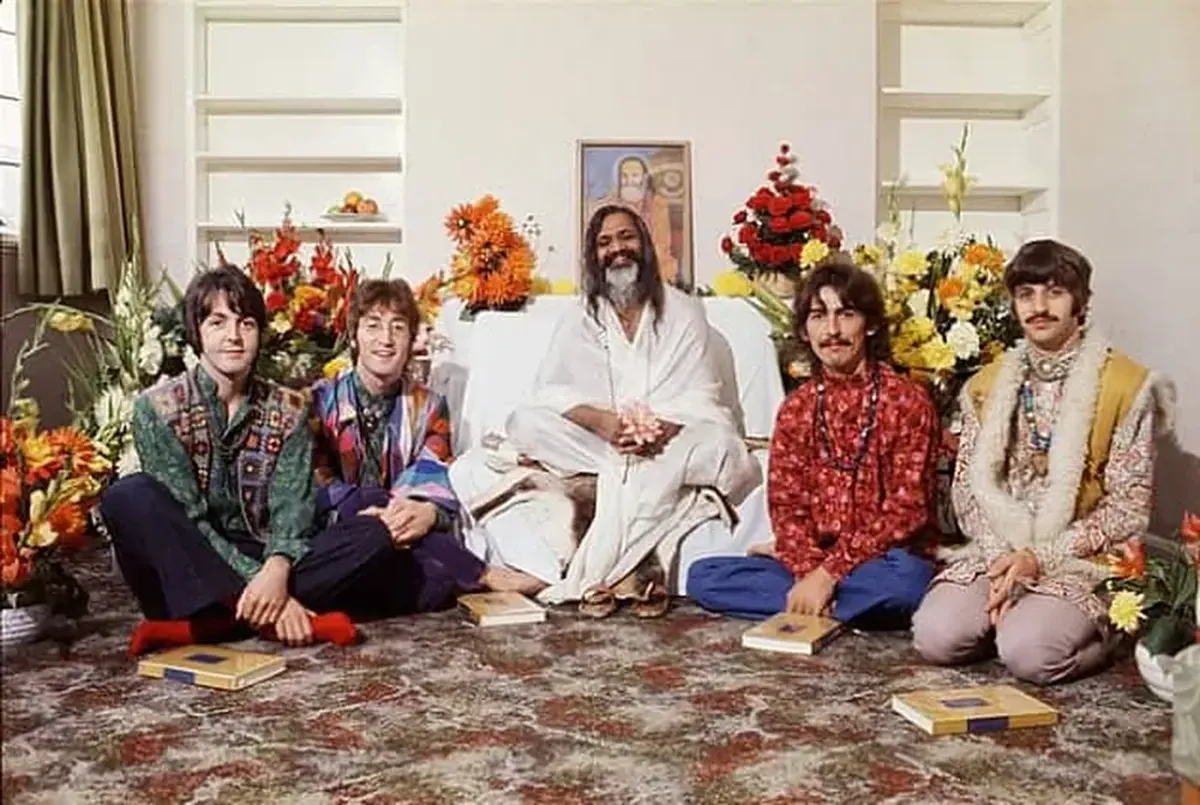
Back in London after a stint in India, the Beatles returned with renewed inspiration but also with diverging views on transcendental meditation. Their Apple enterprise, which included Apple Records and various subsidiaries, aimed to secure “creative freedom within a business structure,” Lennon said. The debut Apple single, “Revolution,” arrived amid protests and unrest. But political radicals mocked Lennon’s pacifism. Tensions during the White Album sessions were worsened by Lennon’s breaking an agreement not to bring wives and girlfriends into the studio. From then on, Yoko Ono was almost always at his side—and some band members later blamed her for the split.
What Did He Find in Her?
When Lennon met Ono, he was 25 and knew little about the Japanese artist other than that she’d placed a newspaper ad seeking 365 “intellectual butts” for a shoot. Ono knew about Lennon’s money and frequently reminded him of it to secure funding for exhibitions. Lennon gave her money for an art project and soon resonated with her conceptual ideas. They became inseparable and deliberately cultivated a joint identity: matching white suits, identical long hair parted down the middle, and films that combined their faces. Their art stunts included launching 365 white balloons labeled “You Are Here,” a 30-minute short that smiled at the camera, and a 20-minute mini-film Self-Portrait featuring close-ups of Lennon’s intimate areas.
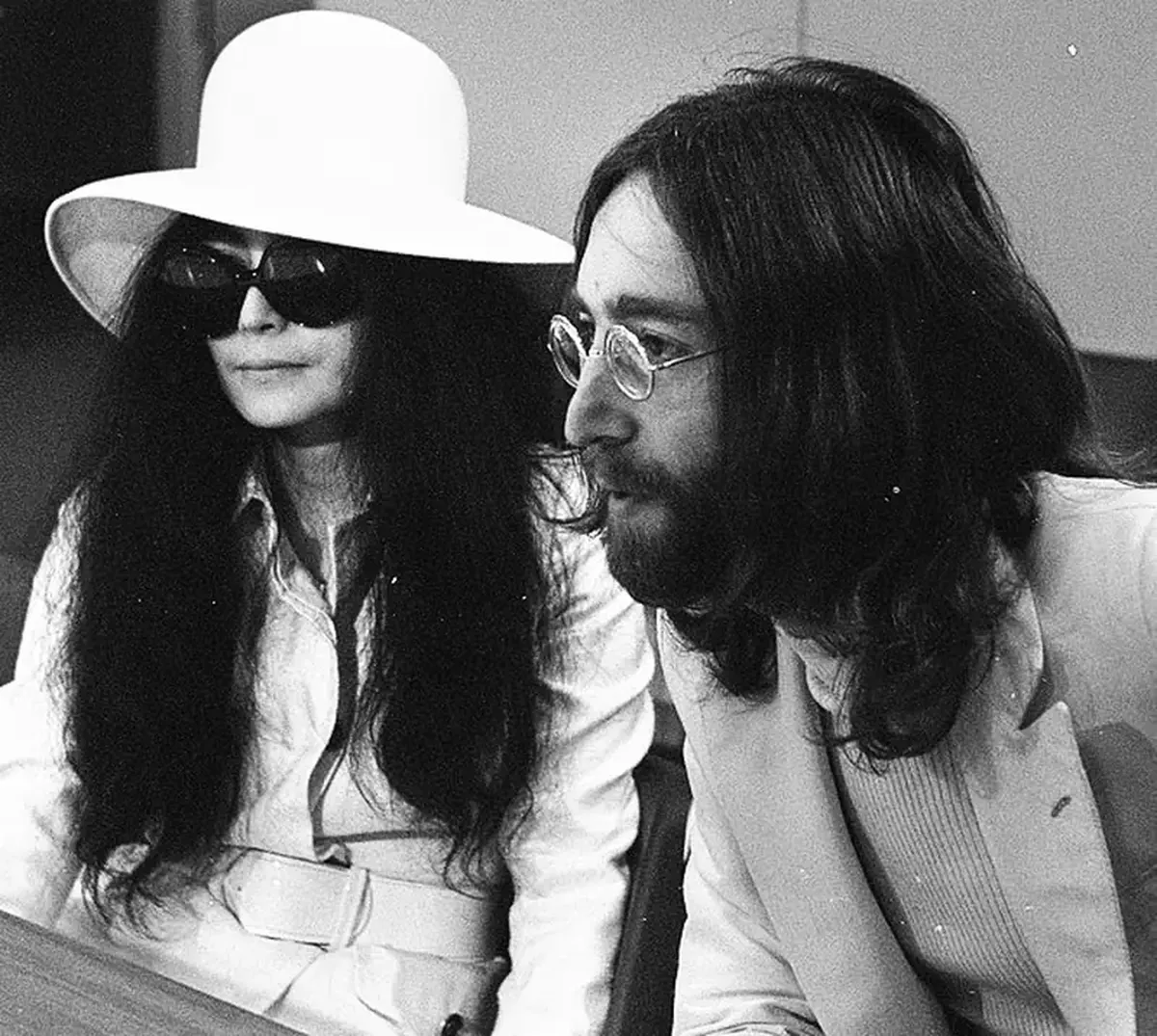
Married in 1969, Lennon and Ono turned moments from their honeymoon into a lithograph series called Bag One; authorities later banned and seized eight of the 14 images as obscene. Outside the Beatles, the couple recorded three experimental albums, formed the Plastic Ono Band, released the live album Live Peace in Toronto 1969, and produced solo singles like “Instant Karma,” “Cold Turkey” (a raw account of heroin withdrawal), and “Give Peace a Chance,” which accompanied their famous “bed-in for peace” protest. Ono made Lennon feel like the artist he believed himself to be. In an unusual episode, Ono arranged an affair between Lennon and their secretary, May Pang—based on a Japanese custom where a wife chooses a lover for her husband if intimacy wanes. After a period apart, Lennon returned to Ono without explaining himself to Pang.
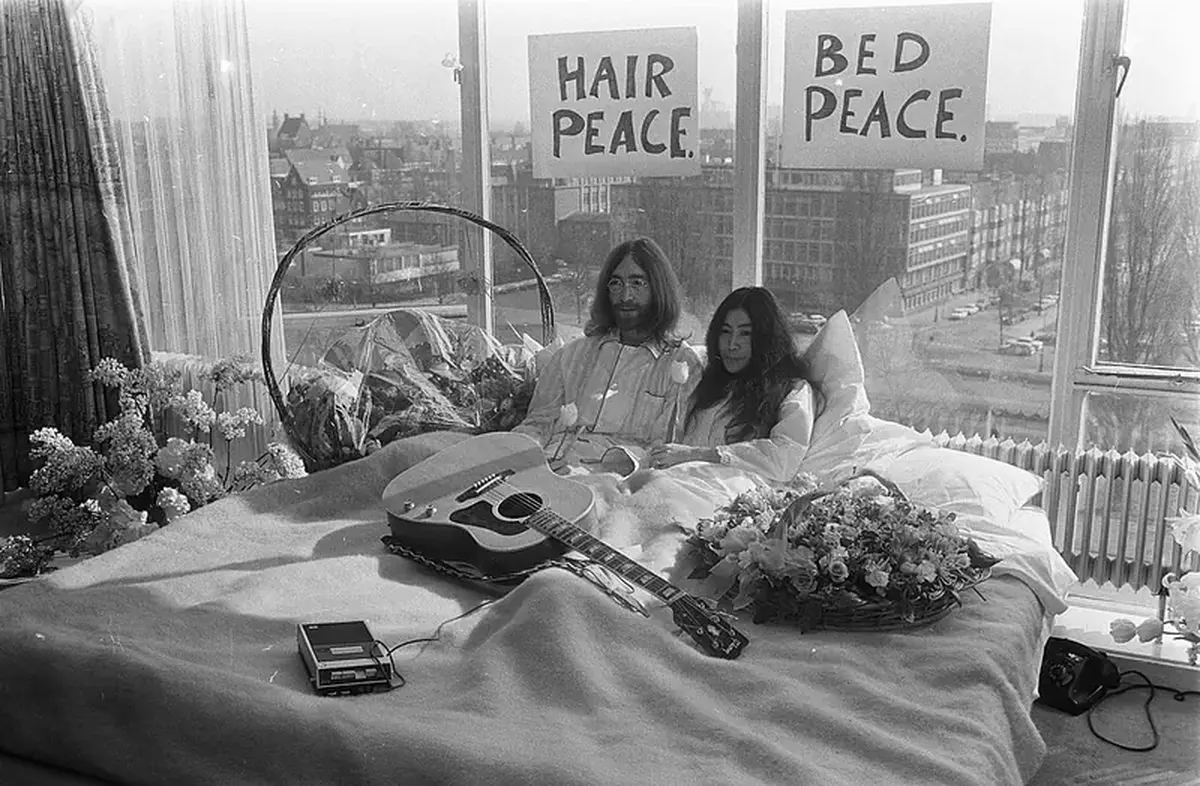
John Lennon and Yoko Ono on the first day of the “Bed-In for Peace” protest
Freeing Himself from Pain
Another turning point came in 1969 when Lennon left The Beatles. He agreed to delay a public announcement while the band handled business obligations and a promotional campaign—but he was furious when Paul McCartney announced his own departure first and used the moment to promote a solo album. “I created this band; I must also disband it,” Lennon believed.
He resented McCartney not only because McCartney disliked Ono but because Lennon felt McCartney was consolidating control over their shared project. Lennon retaliated in song—How Do You Sleep contained direct attacks—and the two friends spent years trading public barbs. Still, the Lennon–McCartney partnership remains the most successful creative duo in pop history. Lennon later summed up his ambivalence: “In my career, I had to work with two remarkable people—Paul McCartney and Yoko Ono, and that is a worthy choice.”
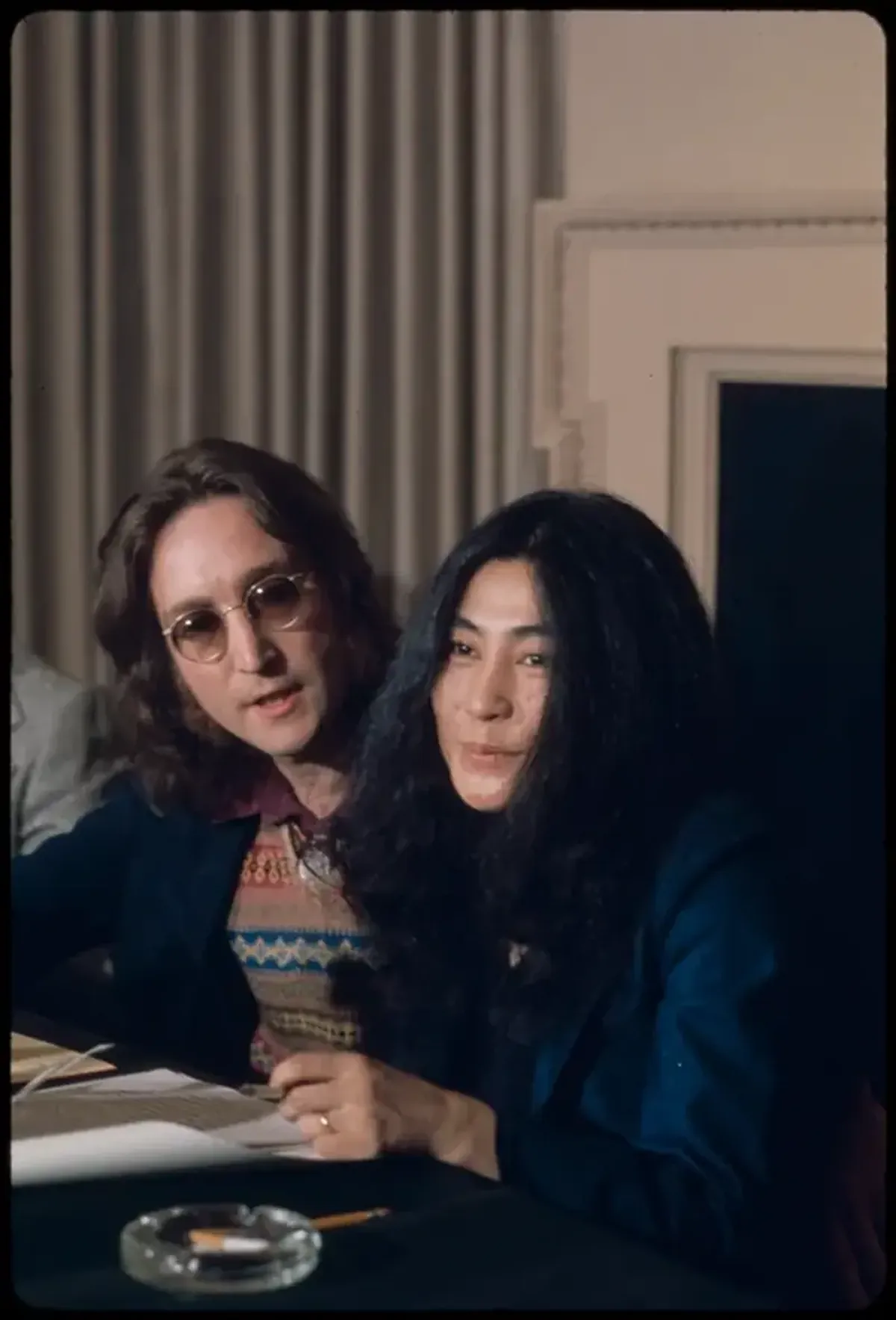
In 1970, John and Yoko sought psychotherapy in London and Los Angeles to address long-standing emotional pain. Lennon released a solo album of raw, confessional songs that critics admired even if the record had limited commercial appeal. Critics praised Lennon’s vocal performance on “God” as arguably one of rock’s best. On “Mother” he voiced his childhood abandonment, and “Working Class Hero” became a blistering critique of bourgeois society (radio stations avoided it because of its explicit line). Lennon supported underground publications, rejected denominational religion, and returned his OBE in protest over Britain’s support for the U.S. in Vietnam and other political stances.
America Against Lennon
After moving to New York in 1971, Lennon and Ono became visible participants in the American left. The Nixon administration viewed Lennon’s anti-war activism as a problem and tried to deport him. The legal battle dragged on for years; by 1976 U.S. immigration authorities denied him the right to stay. Lennon’s double album with Elephant’s Memory tackled women’s rights, interracial relations, Britain’s role in Northern Ireland, and his fight for residency. The record flopped commercially. Critics dismissed him as a “pathetic aging revolutionary,” and two charity concerts in New York—benefiting a psychiatric hospital—were his last full-length live performances.
Threats of violence forced Lennon to stop touring. Unlike Ono, he struggled to secure U.S. residency. After performing for Native American rights, campaigning for the release of youth leader John Sinclair, and protesting prison conditions for activists, Lennon was ordered to leave the country within two months. The birth of his second son, Sean, on October 9, 1975, pulled him out of a deep depression. Determined to be a better father to Sean, Lennon largely stepped back from public life; he had been distant from his first son Julian and planned to mend that relationship later—a reconciliation that never happened.
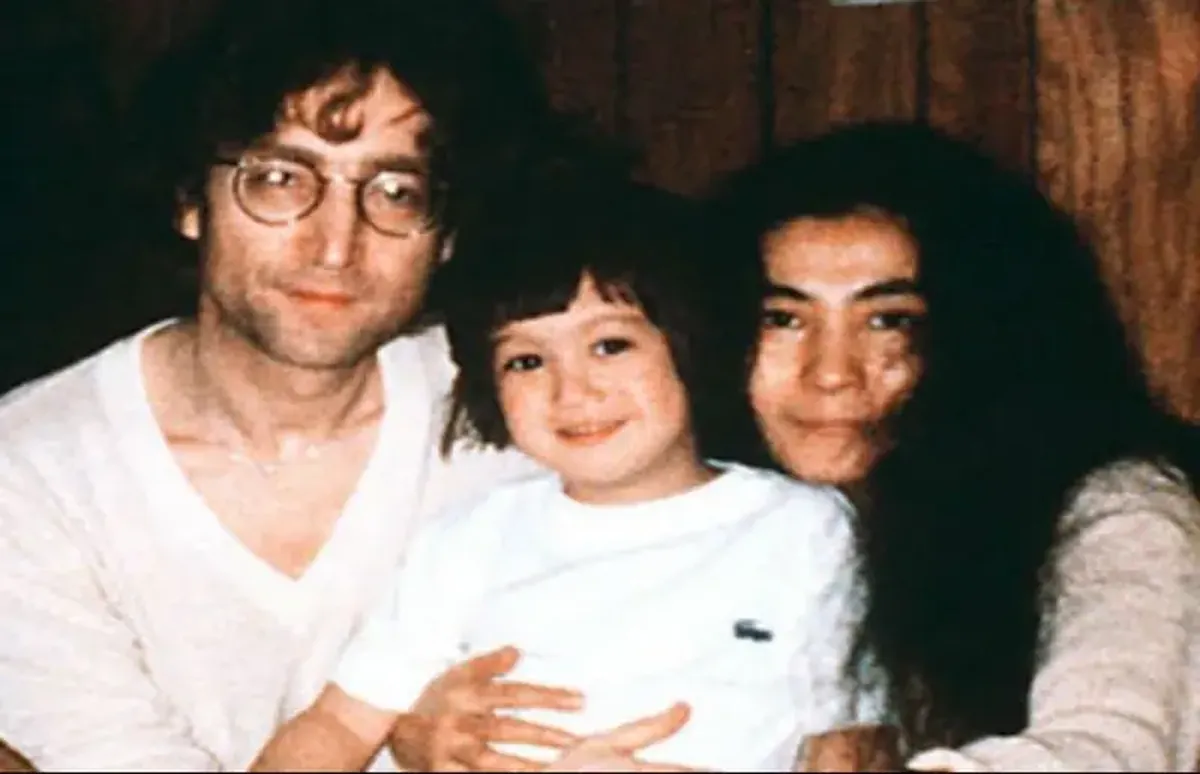
Pause or Finale?
Lennon chose to take a break from his career and spend five years devoted to family life. During that hiatus he painted and wrote an autobiographical book. In the summer of 1980 he vacationed in Bermuda and sailed with his young son. New material from that period reflected his contentment with family stability; additional recordings surfaced posthumously in 1984. Lennon’s life ended abruptly on December 8, 1980, when Mark David Chapman shot him. Earlier that day Lennon had given Chapman an autograph. Chapman even paid $50 to have a photographer capture the moment he stood next to his idol during the signing. When John and Yoko returned to the Dakota building around 10:50 PM and let their limousine go, Chapman waited outside and fired at Lennon’s back and shoulder.
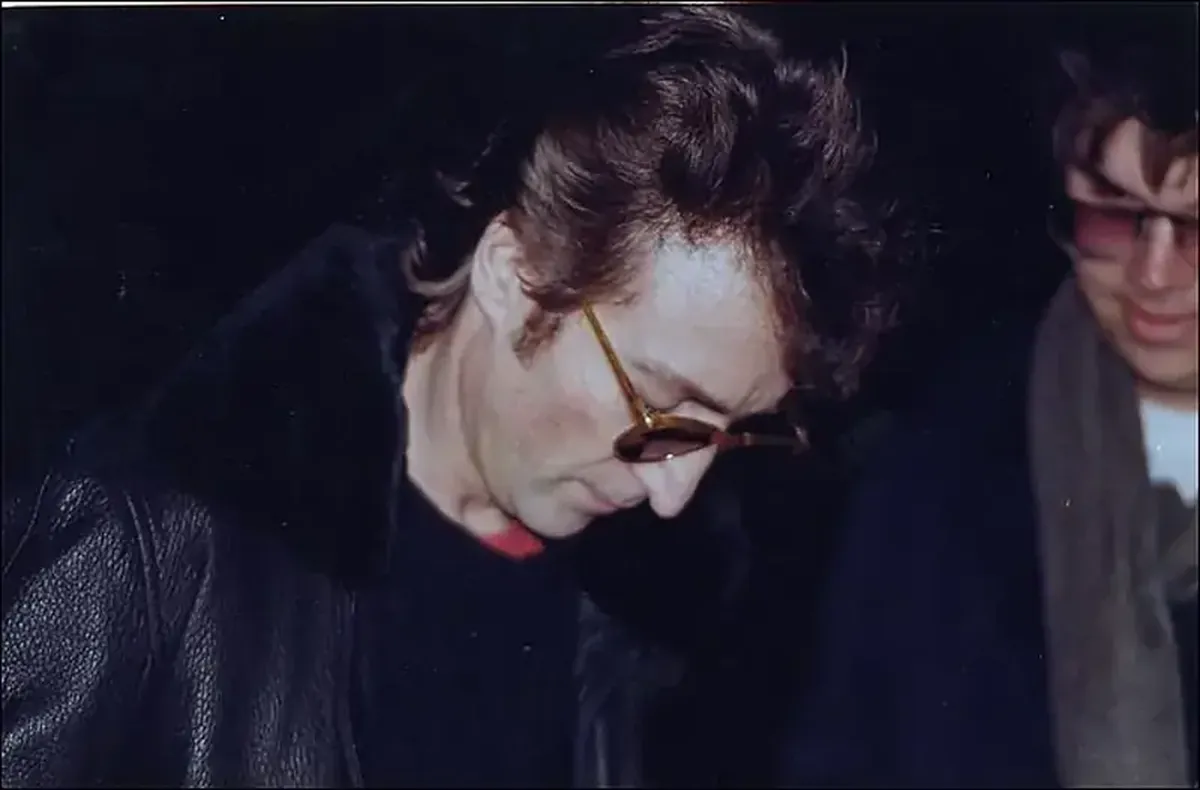
Lennon gives an autograph to his murderer, Mark Chapman (right)
“I’m in pain,” John said to the concierge as he lost consciousness. The bullets expanded inside his body and pierced his aorta, leaving no chance of survival. Paramedics arrived with a bloodied Lennon at 11:15 PM and pronounced him dead. Yoko announced there would be no public funeral; after cremation she scattered his ashes in Central Park near their home, where she later lived. A memorial, Strawberry Fields, now marks the site. Chapman, serving a life sentence, later said he killed Lennon out of jealousy for the singer’s fame. The inmate, who rarely gives interviews and refuses photos or filming, remains behind bars; although U.S. law allows review after 20 years, authorities have denied his release for his safety and public order. Conspiracy theorists have speculated otherwise, but Chapman has stayed largely out of the world’s attention.
