
 Carlos Solis
A new study by an international team of scientists has revealed that a 13-year drought devastated the Maya population that inhabited the Yucatán Peninsula around 1,000 years ago. The researchers gathered detailed evidence by analyzing the layers of a stalagmite from a cave on the peninsula.
What Did the Scientists Report?
By examining the mineral composition of the stalagmite, the researchers were able to create a detailed picture of seasonal precipitation and carefully compare climate data with archaeological evidence of societal instability.
While the exact reasons for the decline of the Maya on the Yucatán Peninsula remain unclear, many scientists have long suggested that droughts played a significant role. Previous studies indicated that during the 9th and 10th centuries, southern Mexico suffered from prolonged droughts. During this time, the Maya population in the region significantly decreased, while other tribes thrived in the north, where the climate was drier.
“There have been numerous theories about what led to this decline, such as changes in trade routes, warfare, or severe drought; these were based on archaeological evidence left by the Maya. However, in recent decades, by correlating archaeological and climate data, we have learned a great deal about what happened to the Maya,” said co-author Daniel James, who was a PhD student in the Department of Earth Sciences at the University of Cambridge during the study.
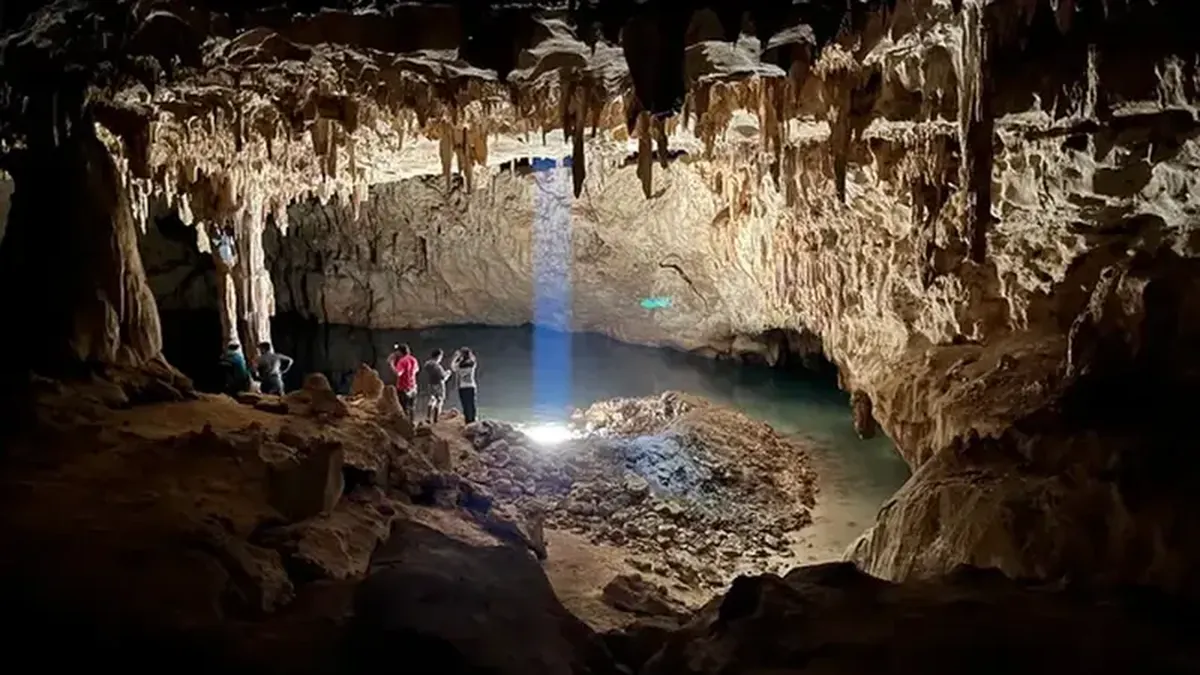
To better understand the patterns of precipitation on the Yucatán during this period, the team studied annual layers of stalagmite from a cave near Teco, a municipality in Yucatán. Similar to the rings of a tree, these layers preserve information about how much water dripped onto the stalagmite from the cave ceiling. Changes in the chemical composition of each layer provided scientists with information about the amount of precipitation during the annual rainy season, which lasts from May to October.
“Knowing the average annual precipitation is not as important as understanding what each individual rainy season was like. It helps accurately assess the duration of droughts and determine whether crops will be successful,” said James, who is now an archaeologist at University College London.
The team found evidence that between 871 and 1021 AD, there were eight droughts, each lasting more than three years. Some of these were separated by just one rainy year, according to Live Science. The prolonged dry periods could have threatened agriculture and even led to famine.
Although the Maya carefully managed water from reservoirs and cisterns, the droughts were likely severe enough to destabilize the regional capital of Uxmal, scientists believe. At Uxmal, people stopped building monuments and stopped inscribing dates on them during drought periods. Following the most severe drought, the regional political system collapsed.
However, other Maya settlements, such as Chichen Itza, survived the drought. Scientists suggest that the city was able to recover, likely due to a robust trade network supplying grain and other goods from Central Mexico.
“The stalagmite helped us learn important details that were previously inaccessible,” said James.
The study’s findings were published in the journal Science Advances.
Photo: pixabay.com
