
 Carlos Solis
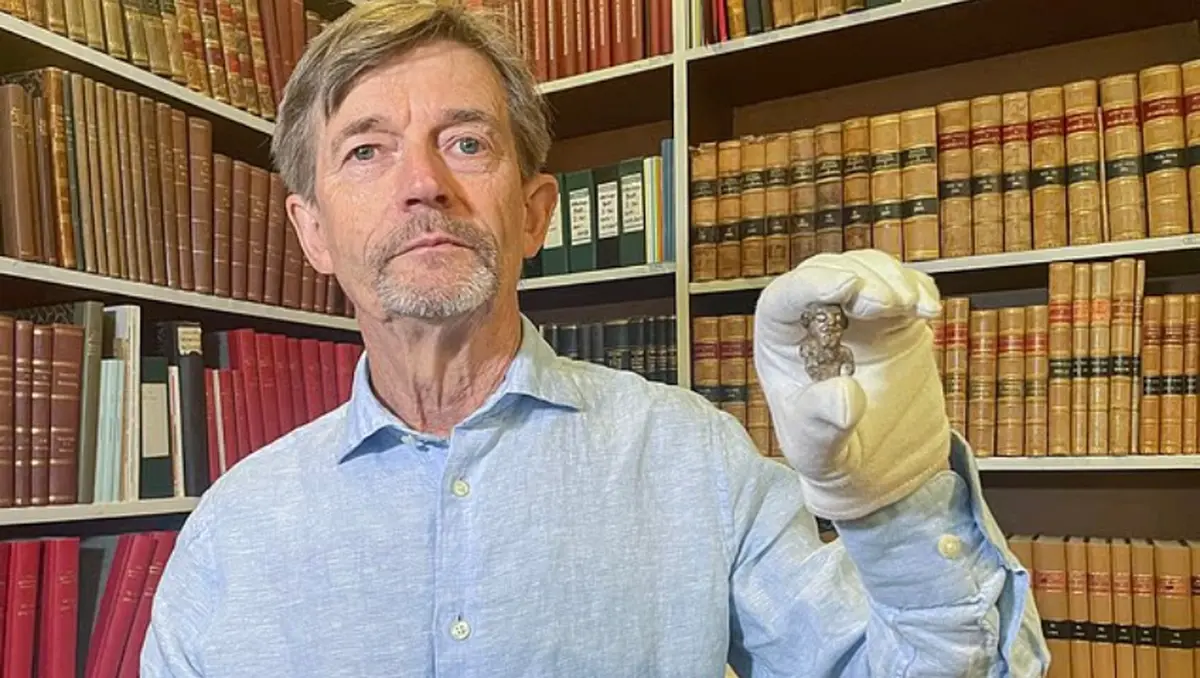 — Vikings, the seafaring conquerors from Scandinavia — were, in a sense, the metrosexuals of their time. They were exceptionally well-groomed and stylish. This is evidenced by a small statuette from the late 10th century, carved from walrus ivory. More specifically, it’s the upper part of the statuette — a bust that has withstood the test of time. For many years, the artifact sat in storage at the National Museum of Denmark.
Museum researchers took a fresh look at the tiny, three-centimeter figure. It depicts a Viking with a flawless hairstyle and may be one of the first true portraits of a Scandinavian conqueror from the era of King Harald Bluetooth.
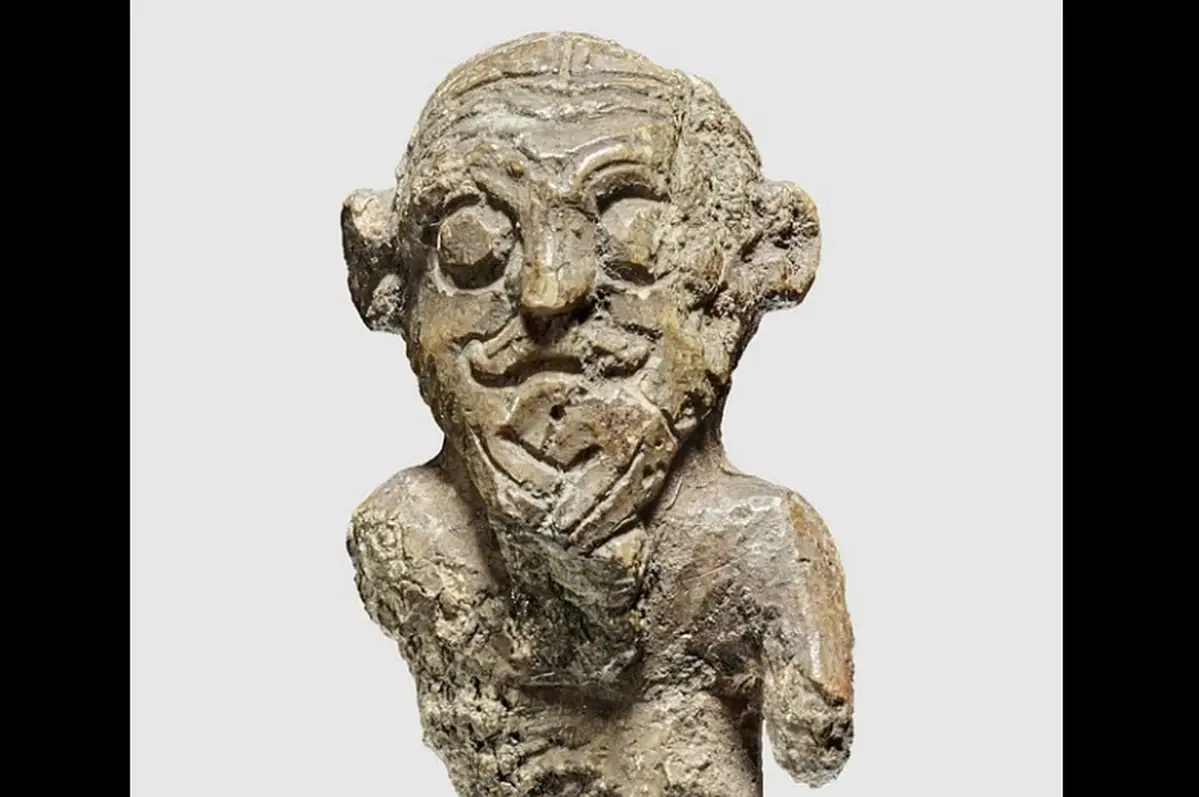
The stylish Viking haircut features a center part and a side wave; he sports bushy mustaches, sideburns, and a long, braided beard.
Peter Pentz, curator of the National Museum of Denmark, considers the statuette to be the first realistic depiction of a Viking. The artifact made him wonder whether, when these seafaring warriors weren’t raiding or settling new lands, they spent time grooming themselves.
“If you think of Vikings as savages, this statuette proves otherwise,” Pentz noted. “For the first time, we see a figure of a Viking man with a hairstyle that can be examined from all angles. And that is unique,” he added.
What else is known about the figurine?
It was discovered in 1796 in a burial site near the Oslo Fjord in Norway. The statuette may have rested alongside its owner. Since then, it has been kept in the museum’s archives. It is also one of the first exhibits registered in the museum.
The walrus ivory the figurine was carved from was considered one of the most valuable materials during the Viking Age, according to the Daily Mail.
Experts confirmed that this is a figurine from the board game hnefatafl, representing a king. This game was an ancient Scandinavian equivalent of chess.
It is possible that the sculptural portrait was created based on a real person. This individual may have held status and power.
The museum curator said the remarkable thing about the figurine is its meticulous detail, which is unusual for Viking art. The expression on the face is striking — stern yet somewhat cunning. The large eyes and raised eyebrows give the man a somewhat eerie, demonic appearance.
Such attention to facial detail is atypical for ancient Scandinavians, who rarely depicted people, preferring dragons, animals, and patterns instead.
