
 Carlos Solis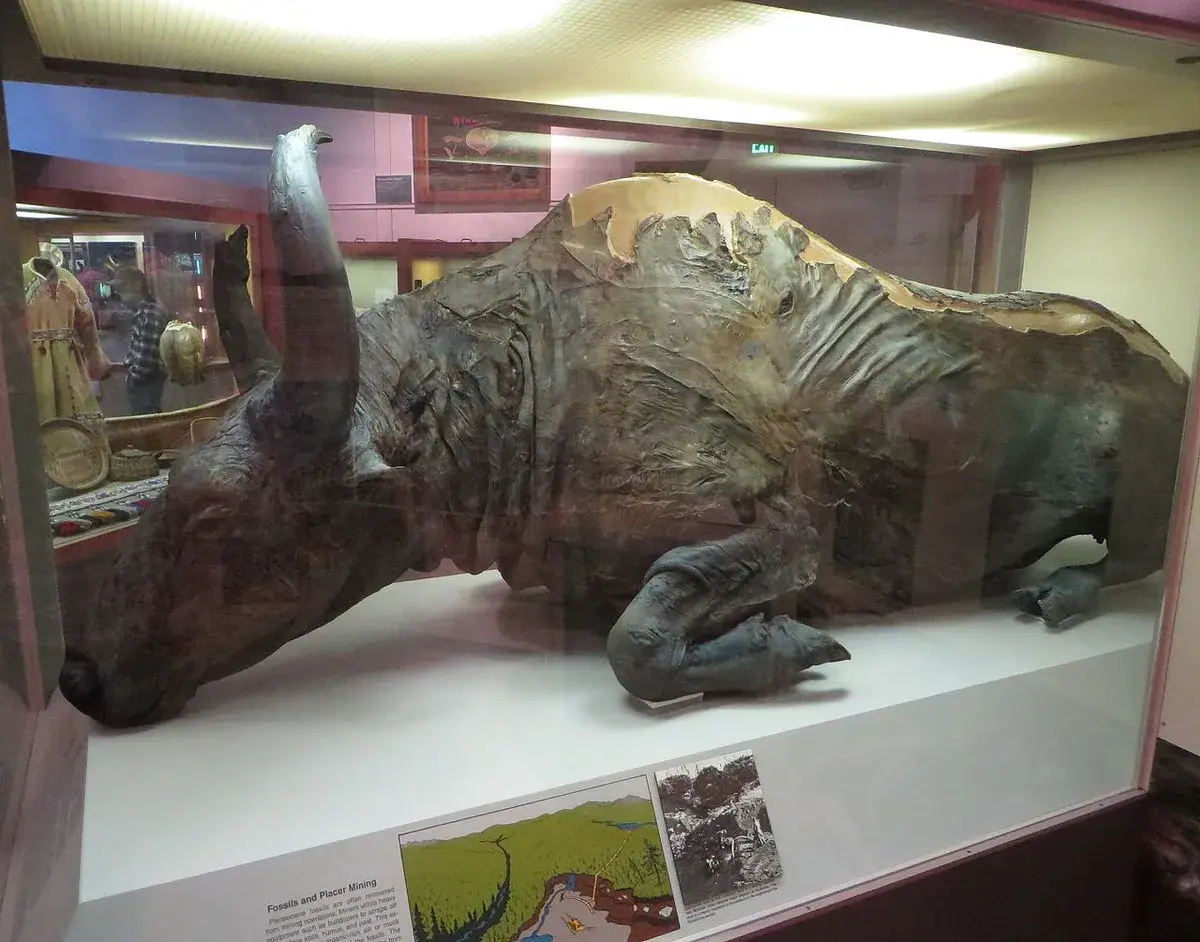
Attendees later recalled that ‘the taste of the stew was wonderful, and no one experienced any unpleasant sensations.’
IFLScience later retold the story of this unusual meal. In 1984, a team of like-minded scientists gathered at the home of paleontologist Dale Guthrie in Alaska to eat what may have been the world’s most unusual stew: meat from a 50,000-year-old bison nicknamed Blue Babe.
The fate of this steppe bison (Bison priscus) from the Pleistocene was dramatic but predictable. While roaming the area that is now Alaska, the young animal was killed in a lion attack, leaving bite marks on its neck.
In 1979, gold miners stumbled on the remarkably preserved carcass and handed it over to researchers at the University of Alaska Fairbanks. Paleontologists considered the find rare — at the time, it was the only known Pleistocene bison recovered from permafrost. Still, the researchers decided to cook a stew from a piece of its neck.
What Was It Like?
The extraordinary dinner took place at Dale Guthrie’s home, where he had played a key role in studying Blue Babe’s remains. Early radiocarbon dating suggested the remains were about 36,000 years old; later analysis pushed the age to around 50,000 years.
So the scientists thought: why not make a stew from the Pleistocene bison? The carcass had frozen so quickly after death that the muscle tissue retained a jerky-like texture. The fat and bone marrow also remained intact for tens of thousands of years.
That evening in Guthrie’s kitchen, about a dozen colleagues gathered, including paleontologist Bjorn Kurten, who lectured on the find, and taxidermist Eirik Grankvist, who was reconstructing Blue Babe for display at the University of Alaska’s Museum of the North.
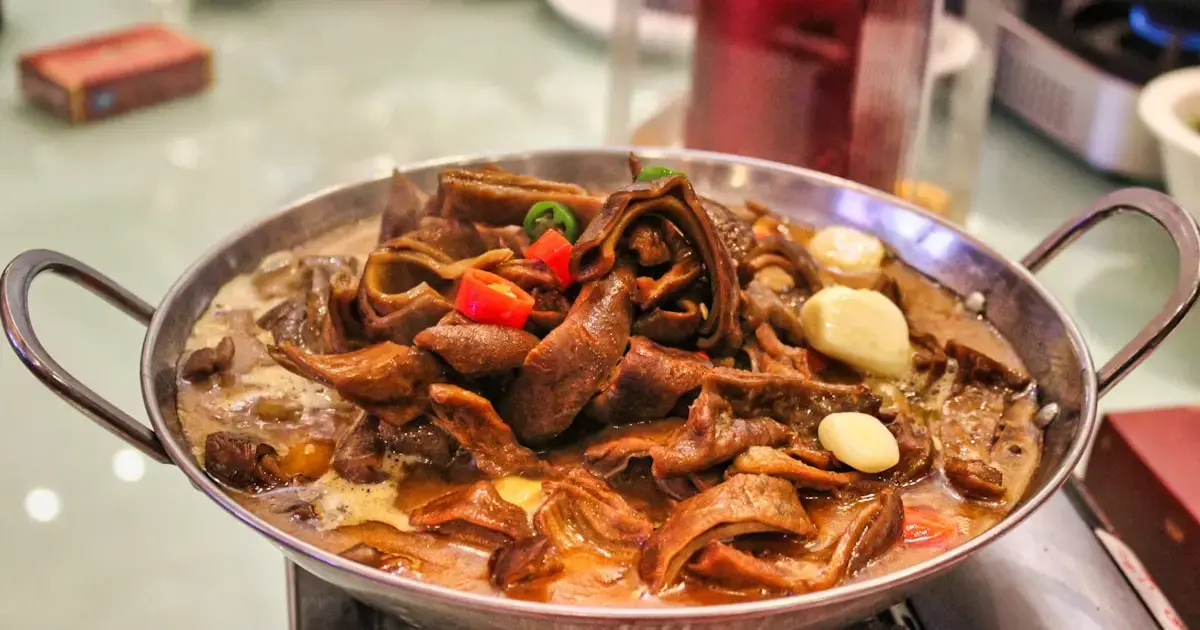
The researchers diced a piece of the bison’s neck and simmered the meat in a pot with broth and vegetables. The diners said the stew was quite edible — the meat was a bit tough after so many years, but still palatable. They also joked that the dish had a ‘strong Pleistocene aroma.’
Guthrie described his impression: ‘When the piece of meat thawed, it emitted a distinctly familiar aroma of beef with a slight mushroom undertone, as if mixed with a faint scent of the earth in which the bison was found.’
‘Cooking a steak from the neck didn’t seem like a great idea to me,’ Guthrie added. ‘But we added a lot of spices, and the stew was actually quite good.’
In the end, the diners’ stomachs survived the gastronomic experiment without any unpleasant consequences.
