
 Carlos Solis
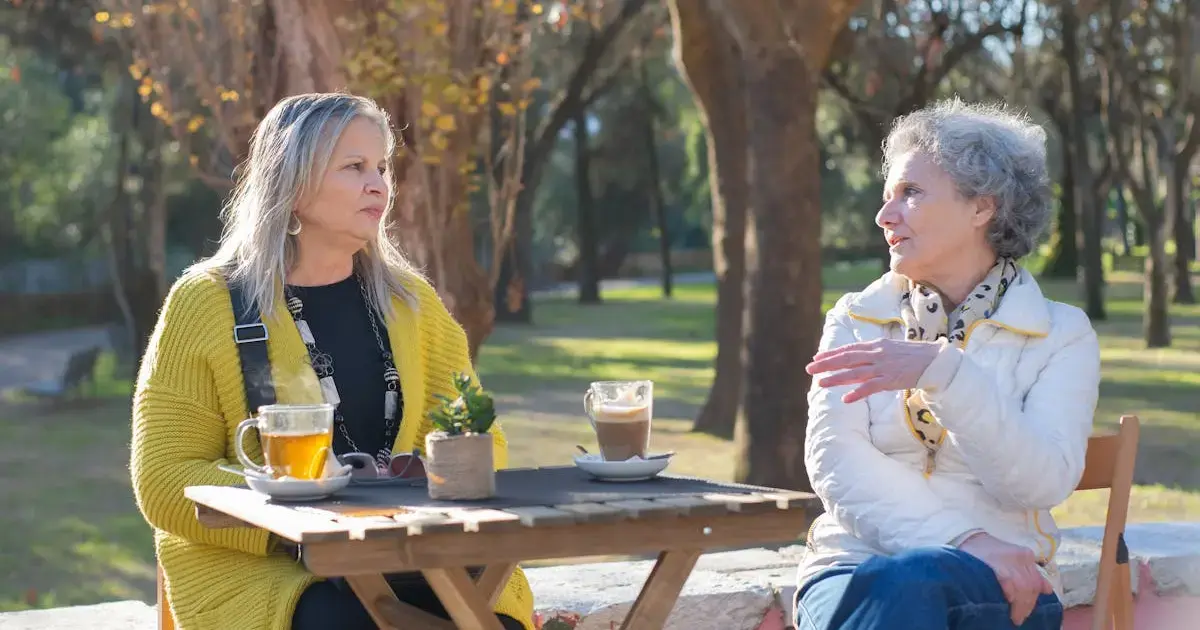 Researchers say coffee and tea affect the risk of developing osteoporosis in older women differently. It’s important to understand some nuances of this impact.
A Brief Introduction
Few older women would turn down a cup of tea or coffee. However, recent research indicates that the daily choice between tea and coffee significantly influences bone health as we age.
Osteoporosis is a common issue among women over 50, with one in three women in this age group diagnosed with the condition. The disease develops when the body cannot replace old bone tissue as it breaks down, leading to brittle and weak bones that are prone to fractures.
Older women are at higher risk for developing osteoporosis because estrogen, a hormone that supports bone metabolism, drops after menopause. Surgical removal of the ovaries can have the same negative effect.
What Did the Researchers Discover?
A team of scientists from Flinders University conducted a large-scale study involving about 9,700 American women aged 65 and older. During surveys conducted four times over ten years, participants reported how often they drank coffee or tea.
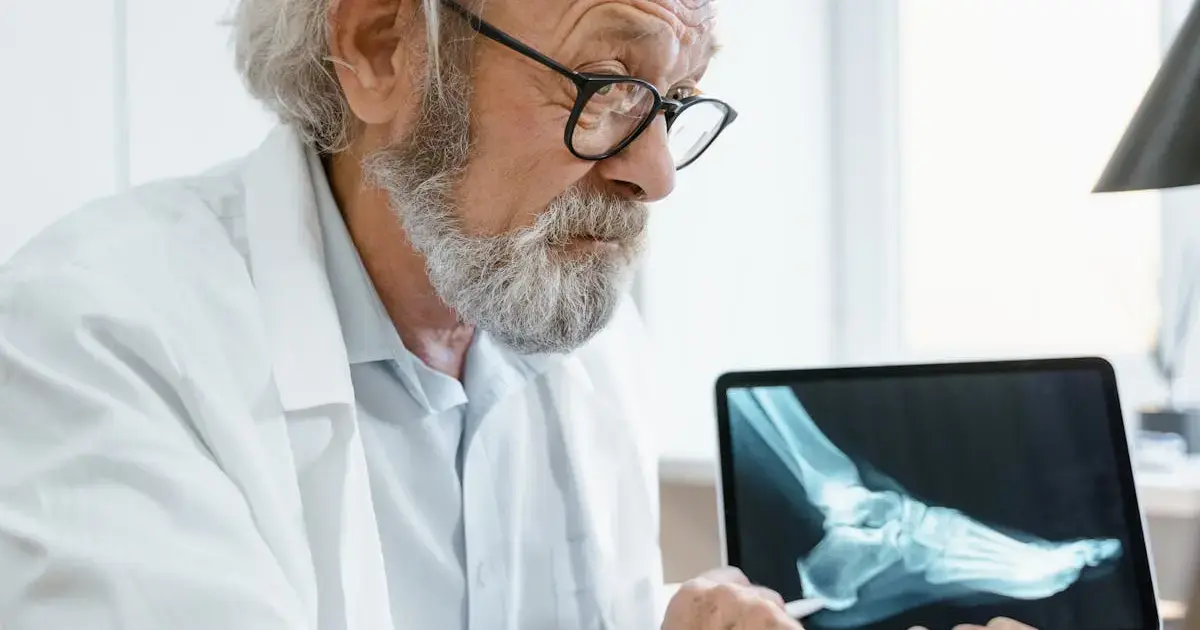
The researchers also collected data on the women’s bone health by measuring bone mineral density in the hip and in the femoral neck — the narrow part of the femur where it connects to the hip — using X-rays.
Women who regularly drank tea had slightly higher hip bone density compared with women who did not. This may be linked to compounds in tea called catechins, which can stimulate osteoblasts, the cells responsible for bone formation. Researchers also found that tea consumption helped overweight women manage their weight more effectively.
On the other hand, results about coffee were mixed, as reported by Science Alert. Women who drank more than five cups of coffee a day were more likely to have lower bone mineral density. This supports previous findings that caffeine can interfere with calcium absorption.
Coffee consumption, regardless of amount, was also associated with decreased femoral bone density among women who drank alcohol regularly throughout their lives.
“Our results do not mean you need to give up coffee or start drinking tea by the gallon. However, they suggest that moderate tea consumption could be one simple way to support bone health, while excessive coffee intake may be undesirable, especially for women who drink alcohol,” said epidemiologist Enwu Liu, the lead author of the study.
“While calcium and vitamin D remain cornerstones of bone health, tea in your cup can also play an important role. For older women, a daily cup of tea may not just be a pleasant ritual but a step toward strengthening bones,” he added.
The study’s findings were published in the journal Nutrients.
Photo: pexels.com
